01
Sourced
A licensed Russian pharmacy buys it for you.
No grey-market middlemen, no warehouses we can't audit. Retail purchase, on demand, against your order.

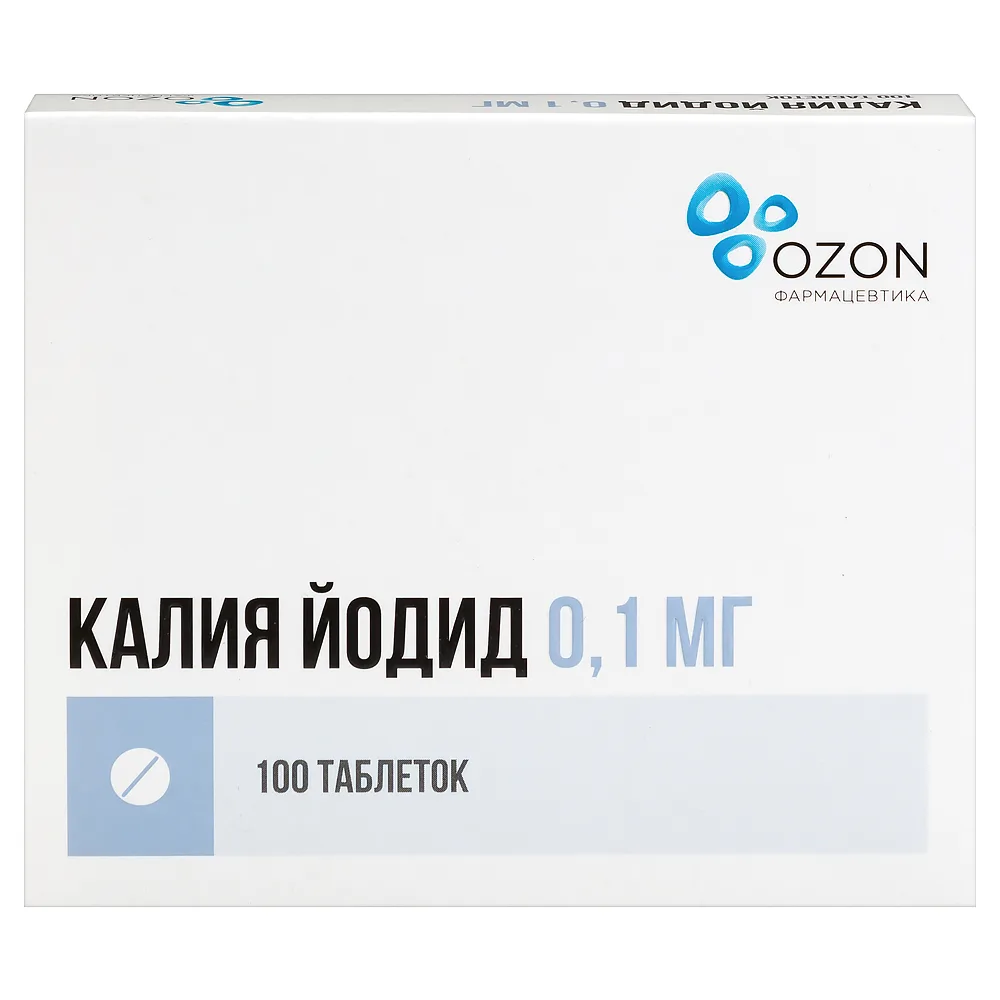 tablets
Potassium iodide
SKU 106285
Same active ingredient
Other products with Potassium iodide
All packagings
Selected · use button above
Price
$4.89
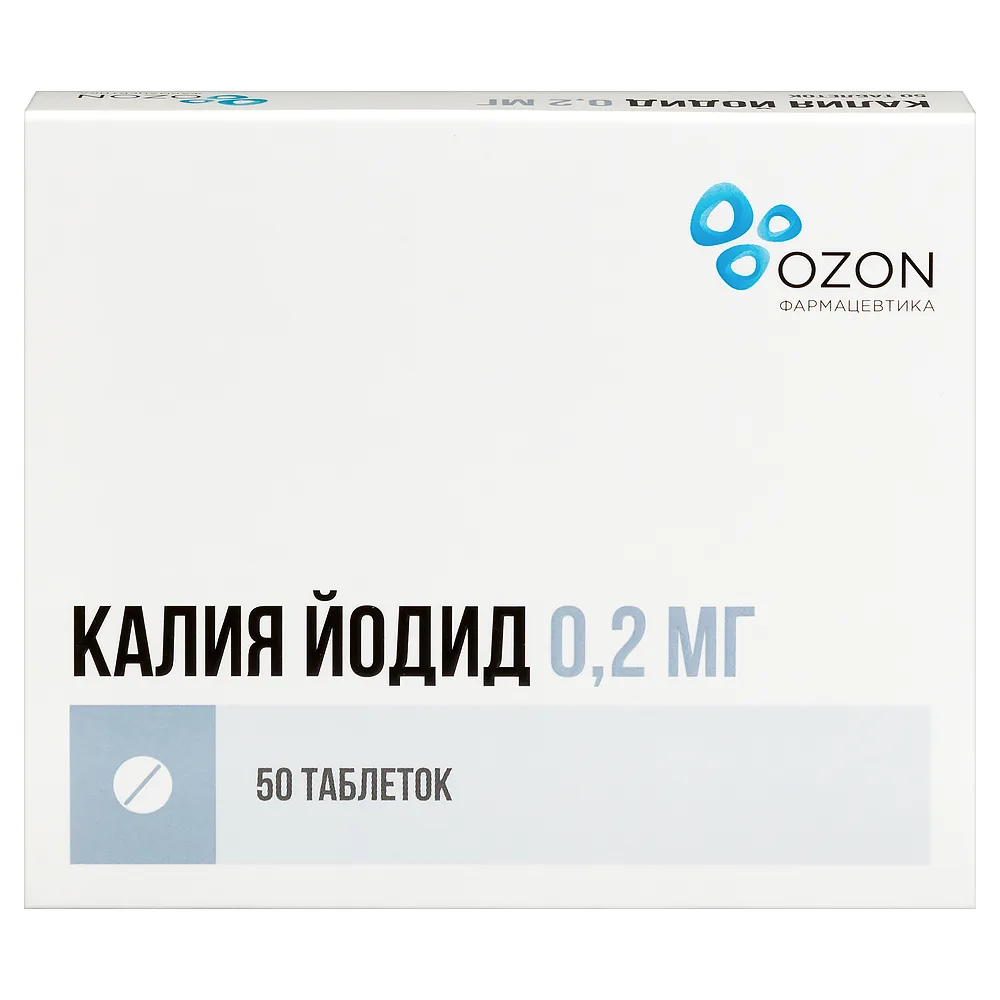 Out
Out
Cheapest option
Price
$0.99
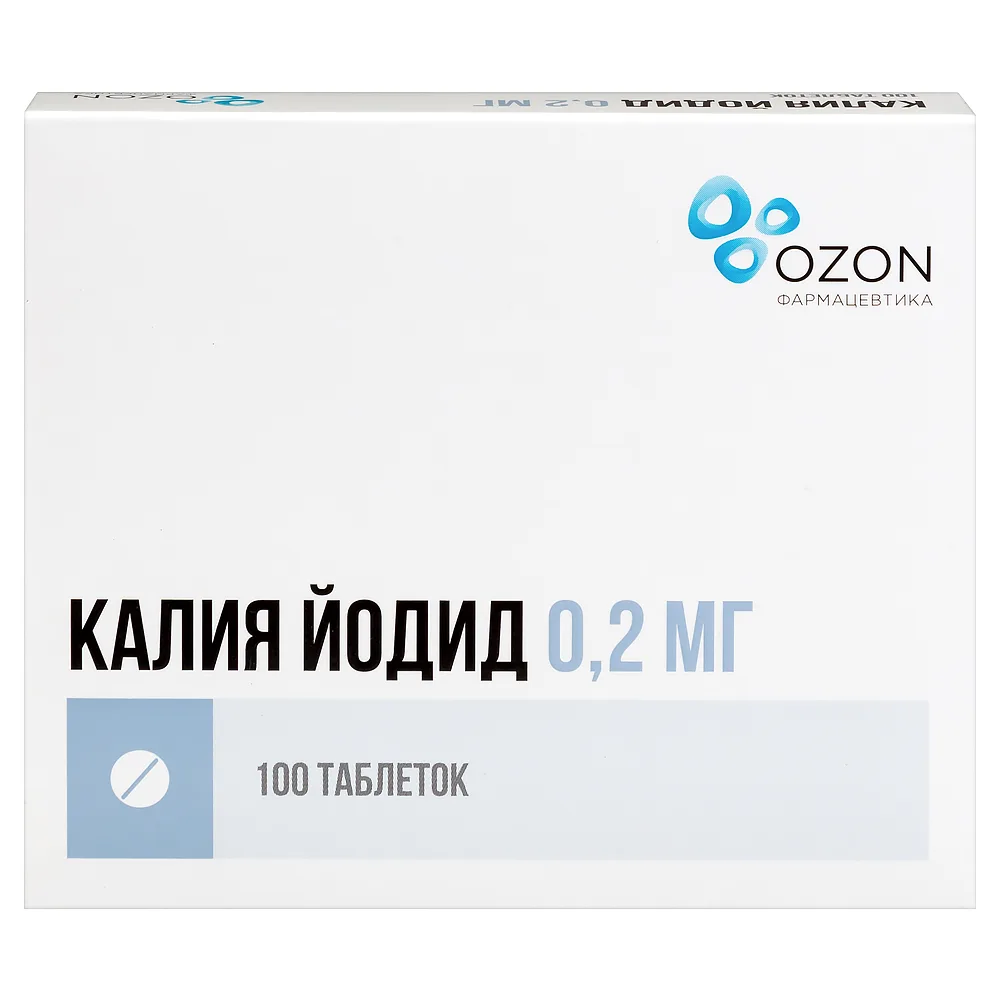
Option 3 of 3
Price
$5.40
Manufacturer leaflet
Facts from the printed manufacturer leaflet. Sections vary by drug — we only show what's actually in the box.
- Prevention of endemic goiter development, including during pregnancy;
- prevention of goiter recurrence after completing treatment with thyroid hormone medications or after surgical removal;
- treatment of diffuse euthyroid goiter in newborns, children, adolescents, and young adult patients.
- Профилактика развития эндемического зоба, в том числе при беременности;
- профилактика рецидива зоба после завершения курса лечения зоба препаратами гормонов щитовидной железы или после его хирургического удаления;
- лечение диффузного эутиреоидного зоба у новорожденных, детей, подростков и взрослых пациентов молодого возраста.
When determining the necessary dose of Potassium Iodide, regional and individual characteristics of iodine intake from food should be considered. This is especially important when prescribing the medication to newborns and children under 4 years of age. The daily dose should be taken orally in one dose, after meals, with a large amount of liquid.
For use in newborns and children under 3 years, it is recommended to dissolve the tablet in a small amount (1 tablespoon) of boiled water at room temperature.
Recommended doses (calculated as iodine):
Prevention of endemic goiter development: newborns and children: 0.1 mg/day;
adolescents and adults: 0.1-0.2 mg/day;
during pregnancy and breastfeeding: 0.15-0.2 mg/day.
Prevention of goiter recurrence after completing treatment with thyroid hormone medications or after surgical removal: 0.1-0.2 mg/day.
Treatment of euthyroid goiter:
newborns, children, and adolescents: 0.1-0.2 mg/day;
young adult patients: 0.3-0.5 mg/day.
Preventive use of the medication is typically conducted over several months or years, and in the presence of indications, may be lifelong.
Treatment of goiter in newborns is usually conducted for 2-4 weeks; in children, adolescents, and adults, it typically requires 6-12 months, with the possibility of prolonged use. The duration of treatment is determined by the attending physician.
При определении необходимой дозы препарата Калия йодид нужно учитывать региональные и индивидуальные особенности поступления йода с пищей. Особенно это является важным при назначении препарата новорожденным и детям до 4 лет. Суточную дозу препарата следует принимать внутрь в один прием, после еды, запивая большим количеством жидкости.
При применении препарата у новорожденных и детей до 3 лет рекомендуется растворить таблетку в небольшом количестве (1 столовая ложка) кипяченой воды комнатной температуры.
Рекомендуемые дозы (в пересчете на йод):
Профилактика развития эндемического зоба: новорожденные и дети: 0,1 мг/сут;
подростки и взрослые: 0,1-0,2 мг/сут;
при беременности и в период грудного вскармливания: 0,15-0,2 мг/сут.
Профилактика рецидива зоба после завершения курса лечения зоба препаратами гормонов щитовидной железы или после его хирургического удаления: 0,1-0.2 мг/сут.
Лечение эутиреоидного зоба:
новорожденные, дети и подростки: 0,1-0,2 мг/сут;
взрослые пациенты молодого возраста: 0,3-0,5 мг/сут.
Прием препарата с профилактической целью проводится в течение, как правило, нескольких месяцев или лет, при наличии показаний - пожизненно.
Лечение зоба у новорожденных проводится в большинстве случаев в течение 2-4 недель; у детей, подростков и взрослых обычно требуется 6-12 месяцев, возможен длительный прием. Продолжительность лечения определяется лечащим врачом.
Per 1 tablet 0.1 mg
Active ingredient: potassium iodide - 0.131 mg, calculated as iodine - 0.100 mg.
Excipients: lactose monohydrate (milk sugar) - 83.169 mg, microcrystalline cellulose - 12.000 mg, sodium carboxymethyl starch - 2.000 mg, corn starch - 1.200 mg, colloidal silicon dioxide - 0.500 mg, magnesium stearate - 1.000 mg.
Round biconvex tablets of white or almost white color, with a score line.
На 1 таблетку 0,1 мг
Действующее вещество: калия йодид - 0,131 мг. в пересчете на йод - 0,100 мг.
Вспомогательные вещества: лактозы моногидрат (сахар молочный) - 83,169 мг, целлюлоза микрокристаллическая - 12,000 мг, карбоксиметилкрахмал натрия - 2.000 мг, крахмал кукурузный - 1,200 мг, кремния диоксид коллоидный - 0.500 мг, магния стеарат -1,000 мг.
круглые двояковыпуклые таблетки белого или почти белого цвета, с риской.
• Increased sensitivity to iodine;
• severe thyrotoxicosis;
• latent thyrotoxicosis (when using doses exceeding 0.15 mg/day);
• herpetiform dermatitis;
• toxic adenoma, nodular goiter when used in doses greater than 0.3 mg/day (except for preoperative therapy aimed at blocking the thyroid gland);
• hereditary diseases associated with galactose intolerance, lactase deficiency, or glucose-galactose malabsorption.
Potassium Iodide should not be taken in hypothyroidism, except in cases where the latter is caused by severe iodine deficiency. The use of the drug should be avoided during radioactive iodine therapy, in the presence of or suspicion of thyroid cancer.
With caution:
In patients with impaired kidney function.
Pregnancy and lactation:
During pregnancy and breastfeeding, the need for iodine increases.
Potassium iodide is prescribed when iodine intake from food is less than 0.15-0.3 mg/day. When conducting therapy, it is necessary to consider the amount of iodine obtained from food. The drug readily crosses the placenta and may cause the development of hypothyroidism and goiter in the fetus. Iodine is also excreted in breast milk. If a breastfeeding woman takes potassium iodide, additional administration of the drug to infants who are breastfeeding is not required. Therefore, during pregnancy and breastfeeding, the drug should be used only in the recommended doses.
Before starting treatment, it is necessary to exclude malignant thyroid gland lesions, hyperthyroidism, or toxic nodular goiter.
During therapy with the drug, patients with impaired kidney function may develop hyperkalemia (periodic monitoring of potassium concentration in the blood is required).
Due to the presence of lactose monohydrate in the formulation, patients with rare hereditary conditions associated with galactose intolerance, lactase deficiency, or glucose-galactose malabsorption should not take the drug.
Effect on the ability to drive vehicles and operate machinery:
The drug does not affect the ability to drive vehicles and engage in other potentially dangerous activities that require increased attention and quick psychomotor reactions.
• Повышенная чувствительность к йоду;
• выраженный тиреотоксикоз;
• скрытый тиреотоксикоз (при применении доз, превышающих 0,15 мг/сут);
• герпетиформный дерматит;
• токсическая аденома, узловой зоб при применении в дозах более 0,3 мг/сут (за исключением предоперационной терапии с целью блокады щитовидной железы);
• наследственные заболевания, связанные с непереносимостью галактозы, дифицитом лактазы или глюкозо-галактозной мальабсорбцией.
Калия Йодид не следует принимать при гипотиреозе, за исключением тех случаев, когда развитие последнего вызвано выраженным дефицитом йода. Применения препарата следует избегать при терапии радиоактивным йодом, наличии или подозрении на рак щитовидной железы.
С осторожностью:
У пациентов с нарушением функции почек.
Беременность и лактация:
В периоды беременности и грудного вскармливания потребность в йоде повышается.
Калия йодид назначают по показаниям в тех случаях, когда поступление йода с пищей составляет меньше 0,15-0,3 мг/сут. При проведении терапии необходимо учитывать количество йода, поступающего с пищей. Препарат хорошо проникает через плаценту и может вызвать развитие гипотиреоза и зоба у плода. Йод также выделяется с грудным молоком. Если кормящая женщина принимает калия йодид, дополнительное назначение препарата младенцам, находящимся на грудном вскармливании, не требуется. Поэтому в период беременности и грудного вскармливания препарат следует применять только в рекомендуемых дозах.
До начала лечения необходимо исключить злокачественное поражение щитовидной железы, гипертиреоз или узловой токсический зоб.
На фоне терапии препаратом у больных с нарушением функции почек возможно развитие гиперкалиемии (необходим периодический контроль концентрации калия в крови).
В связи с наличием в составе препарата лактозы моногидрата, пациенты с редкими наследственными заболеваниями, связанными с непереносимостью галактозы, дефицитом лактазы или глюкозо-галактозной мальабсорбцией, не должны принимать препарат.
Влияние на способность управлять трансп. ср. и мех.:
Препарат не влияет на способность управлять транспортными средствами и занятия другими потенциально опасными видами деятельности, требующими повышенной концентрации внимания и быстроты психомоторных реакций.
When used as indicated at the recommended doses, the occurrence of side effects is unlikely.
Allergic reactions may occur: rarely - skin rash, angioedema.
When the drug is used at a dose exceeding 0.15 mg/day, latent hyperthyroidism may progress to manifest form.
With prolonged use of the drug at a dose exceeding 0.3 mg/day, the development of iodine-induced hyperthyroidism is possible (especially in elderly patients, in the presence of nodular goiter or toxic adenoma).
Symptoms of acute overdose: brown discoloration of mucous membranes, reflex vomiting, abdominal pain, and diarrhea (possibly melena). In severe cases, dehydration and shock may develop.
Treatment for acute overdose: gastric lavage, administration of sodium thiosulfate, symptomatic therapy for water-electrolyte imbalance, shock therapy.
Chronic overdose may lead to the development of the "iodism" phenomenon: "metallic" taste in the mouth, swelling and inflammation of mucous membranes (rhinitis, conjunctivitis, gastroenteritis, bronchitis), acne rash, dermatitis, swelling of salivary glands, fever, irritability.
Treatment for chronic overdose: discontinuation of the drug.
Treatment for iodine-induced hypothyroidism: discontinuation of potassium iodide, normalization of metabolism with thyroid hormones.
Treatment for iodine-induced thyrotoxicosis: no treatment is required for mild forms; for severe forms, thionamide therapy is necessary (the effect of which is always delayed). In the most severe cases (thyrotoxic crisis), intensive therapy, plasmapheresis, or thyroidectomy is required.
In the case of hyperthyroidism, overdose as such cannot be considered, as hyperthyroidism can be caused by an amount of iodine that is normal in other countries.
The simultaneous use of antithyroid medications weakens the effect of potassium iodide (mutually).
Perchlorate and potassium thiocyanate inhibit the absorption of iodine by the thyroid gland.
Thyroid-stimulating hormone enhances the uptake of iodine by the thyroid gland and stimulates the production of its hormones.
The concurrent use of angiotensin-converting enzyme inhibitors (including captopril, enalapril, lisinopril) increases the risk of hyperkalemia.
High doses of iodine combined with potassium-sparing diuretics may lead to hyperkalemia.
The simultaneous administration of high-dose iodine therapy and lithium preparations contributes to the development of goiter and hypothyroidism.
Reduces the uptake of 131I and 123I by the thyroid gland.
При применении препарата по показаниям в рекомендуемых дозах возникновение побочных эффектов маловероятно.
Могут наблюдаться аллергические реакции: редко - кожная сыпь, отек Квинке.
При применении препарата в дозе, превышающей 0,15 мг/сут, скрытый гипертиреоз может перейти в манифестную форму.
При длительном применении препарата в дозе, превышающей 0,3 мг/сут, возможно развитие йод-индуцированного гипертиреоза (особенно у пожилых пациентов, при наличии узлового зоба или токсической аденомы).
Симптомы острой передозировки: окрашивание слизистых оболочек в коричневый цвет, рефлекторная рвота, боли в животе и диарея (возможно, мелена). В тяжелых случаях возможно развитие дегидратации и шока.
Лечение при острой передозировке: промывание желудка, введение натрия тиосульфата, симптоматическая терапия нарушения водно-электролитного баланса, противошоковая терапия.
Хроническая передозировка может привести к развитию феномена "йодизма": "металлический" привкус во рту, отек и воспаление слизистых (ринит, конъюктивит, гастроэнтерит, бронхит), угревая сыпь, дерматит, отек слюнных желез, лихорадка, раздражительность.
Лечение при хронической передозировке: отмена препарата.
Лечение йод-индуцированного гипотиреоза: отмена калия йодида, нормализация обмена веществ с помощью гормонов щитовидной железы.
Лечение йод-индуцированного тиреотоксикоза: при мягких формах лечения не требуется; при выраженных формах требуется проведение тирсостатичсской терапии (эффект которой всегда отсрочен). В тяжелейших случаях (тиреотоксический криз) необходимо проведение интенсивной терапии, плазмафереза или тиреоидэктомии.
В случае гипертиреоза речь не может идти о передозировке как таковой, поскольку гипертиреоз может быть вызван и таким количеством йода, который в других странах является нормальным.
Одновременный прием антитиреоидных лекарственных средств ослабляет эффект калия йодида (взаимно).
Перхлорат и тиоцианат калия подавляют поглощение йода щитовидной железой.
Тиреотропныйгормон улучшает усвоение йода щитовидной железой и стимулирует выработку ее гормонов.
Одновременный прием ингибиторов ангиотензинпревращающего фермента (в т.ч. каптоприла, эналаприла, лизиноприла) увеличивает риск возникновения гиперкалиемии.
Высокие дозы йода в сочетании с калийсберегающими диуретиками могут приводить к гиперкалиемии.
Одновременное назначение терапии йодом в высоких дозах и препаратами лития способствует развитию зоба и гипотиреоза.
Снижает захват щитовидной железой 131I и 123I.
Iodine is an essential trace element necessary for the normal functioning of the thyroid gland. When iodides enter the epithelial cells of the thyroid follicle, iodine ions are oxidized under the influence of the enzyme iodide peroxidase, resulting in the formation of elemental iodine, which is incorporated into the tyrosine molecule. In this process, one part of the tyrosine radicals in thyroglobulin is iodinated, leading to the formation of thyronines, the main ones being thyroxine (T4) and triiodothyronine (T3). Thyronines form a complex with the protein thyroglobulin, which is stored in the colloid of the thyroid follicle. Iodine, when ingested in physiological amounts, prevents the development of endemic goiter (associated with iodine deficiency in food); normalizes the size of the thyroid gland in newborns, children, and adolescents; and also affects the T3/T4 ratio and the concentration of thyroid-stimulating hormone.
When taken orally, it is rapidly and completely absorbed in the small intestine and distributed in the intracellular space within 2 hours.
It accumulates mainly in the thyroid gland (iodide concentration greater than 0.5 mg/g of tissue), as well as in the salivary and mammary glands, and the gastric mucosa.
It readily crosses the placenta.
It is primarily excreted by the kidneys (trace amounts are detected in urine 10 minutes after administration, 80% of the dose is excreted within 48 hours, the remaining portion within 10-20 days), partially through the secretions of salivary, bronchial, sweat, and other glands.
Йод относится к незаменимым микроэлементам, необходимым для нормального функционирования щитовидной железы. При поступлении йодидов в клетки эпителия фолликула щитовидной железы, ионы йода под влиянием фермента йодид-пероксидазы окисляются с образованием элементарного йода, который включается в молекулу тирозина. При этом одна часть радикалов тирозина в тиреоглобулине йодируется, в результате чего образуются тиронины, основными из которых являются тироксин (Т4) и трийодтиронин (Т3). Тиронины образуют комплекс с белком тиреоглобулином, который депонируется в коллоиде фолликула щитовидной железы. Йод, поступающий в организм в физиологических количествах, предотвращает развитие эндемического зоба (связанного с недостатком йода в пище); нормализует размер щитовидной железы у новорожденных, детей и подростков; а также воздействует на показатели соотношения Т3/Т4, концентрацию тиреотропного гормона.
При приеме внутрь быстро и полностью всасывается в тонкой кишке и в течение 2 ч распределяется во внутриклеточном пространстве.
Накапливается в основном в щитовидной железе (концентрация йодида более 0.5 мг/г ткани), а также в слюнных и молочных железах, слизистой оболочке желудка.
Хорошо проникает через плаценту.
Выводится, преимущественно, почками (следовые количества определяются в моче через 10 мин после приема, 80% дозы выводится в течение 48 ч, остальная часть - в течение 10-20 дней), частично - с секретами слюнных, бронхиальных, потовых и других желез.
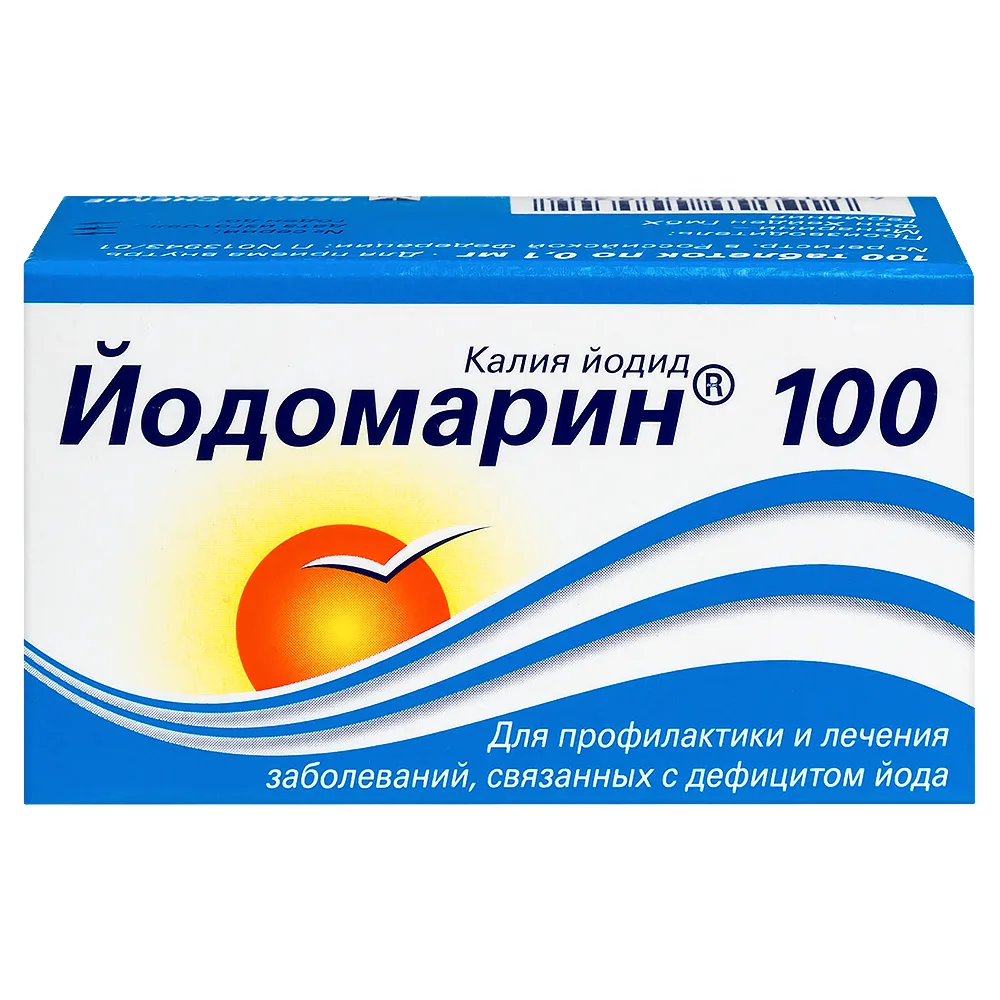
Potassium iodide is a medication used for the prevention and treatment of conditions related to iodine deficiency in the body. It contains 0.1 mg of pure iodine in each tablet, which helps meet the body's need for this micronutrient. Potassium iodide is used to prevent thyroid diseases, especially in regions with low iodine content in drinking water and food. It can also be used for the absorption of cysts, reduction of swelling, and alleviation of symptoms of lung diseases. Potassium iodide is available in tablet form, with each tablet containing 0.1 mg of iodine, and is supplied in a package of 100 tablets. The medication should be taken only as prescribed by a doctor, as improper use may cause side effects.
Калий йодид – это лекарственное средство, используемое для профилактики и лечения заболеваний, связанных с недостатком йода в организме. Оно содержит 0,1 мг чистого йода в каждой таблетке, что позволяет удовлетворить потребность тела в этом микроэлементе. Калий йодид применяется для предотвращения заболеваний щитовидной железы, особенно в регионах с низким содержанием йода в питьевой воде и пище. Он также может использоваться для рассасывания кист, снижения отеков и симптомов заболеваний легких. Калий йодид доступен в виде таблеток, каждая из которых содержит 0,1 мг йода и поставляется в упаковке из 100 штук. Лекарство должно приниматься только по назначению врача, потому что неправильный прием может вызвать побочные эффекты.
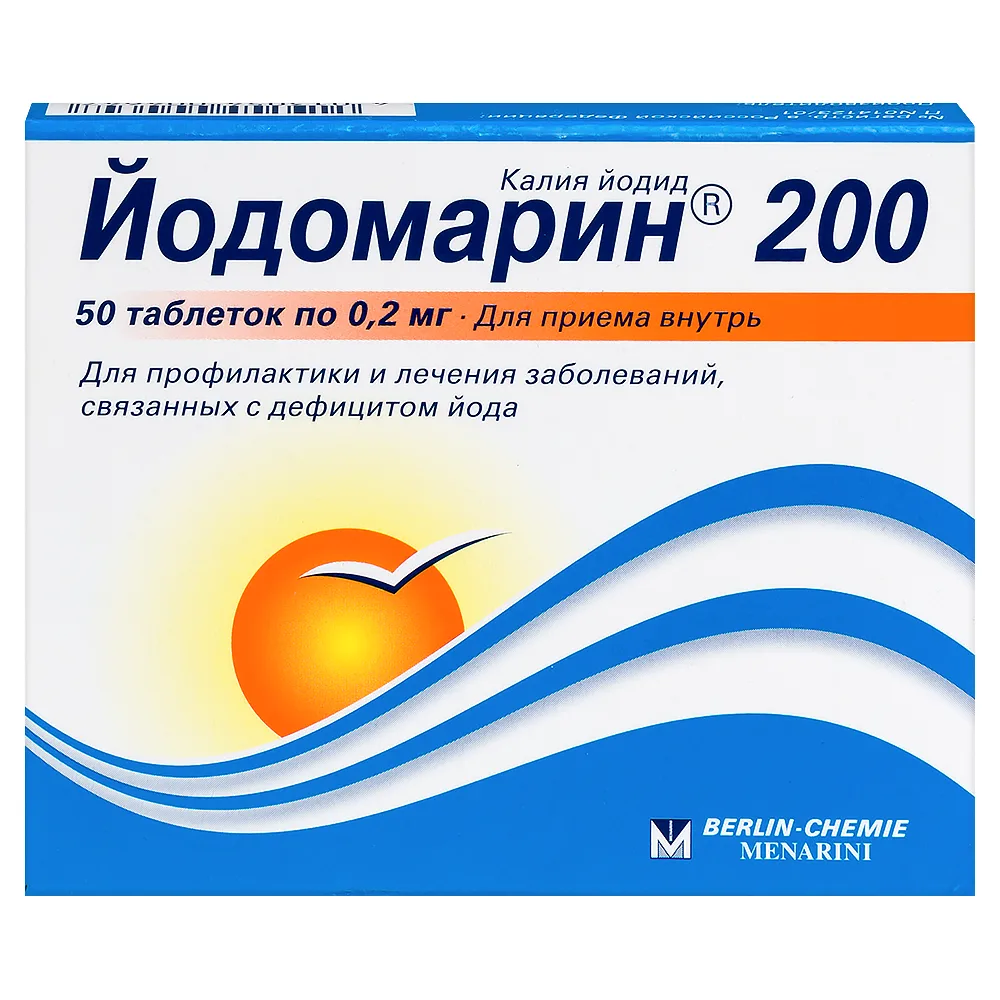
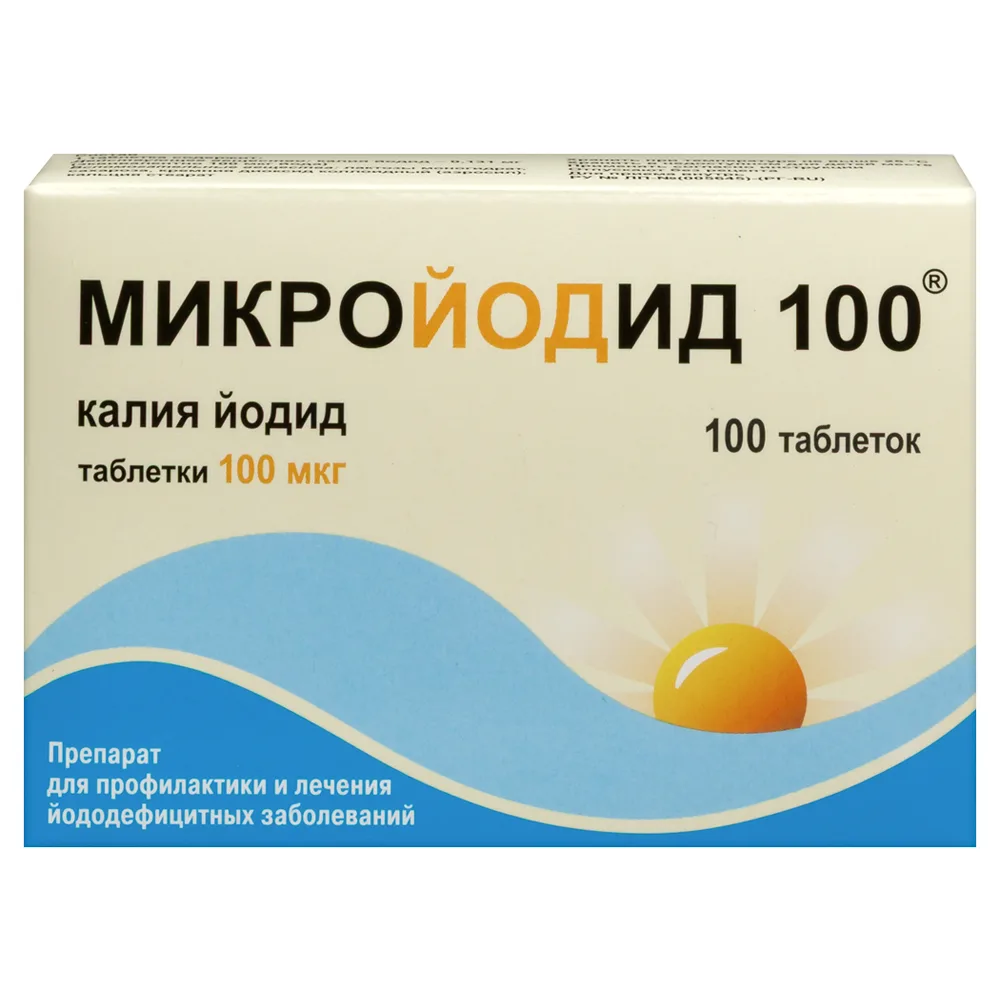
RU name Калия йодид 0,1 мг 100 шт. таблетки
How we fulfill
Three checkpoints between the pharmacy shelf and your door. You see every one.
01
No grey-market middlemen, no warehouses we can't audit. Retail purchase, on demand, against your order.
02
A photo of your actual parcel in its original retail packaging lands in your inbox before it ships. Like this →
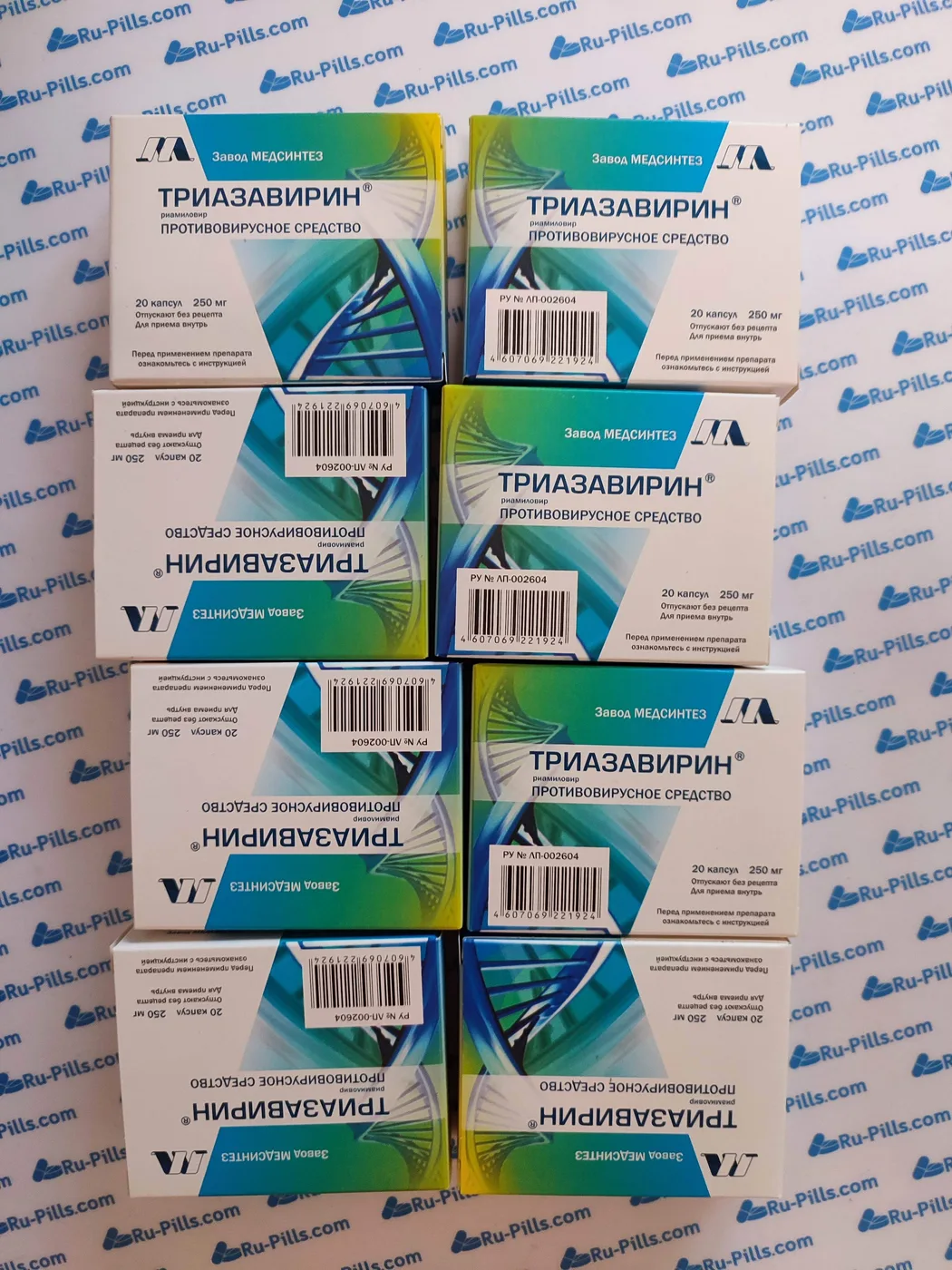 Real customer parcel
03
To 120+ countries. Most parcels arrive in 7–18 days.


Potassium iodide · tablets
