01
Sourced
A licensed Russian pharmacy buys it for you.
No grey-market middlemen, no warehouses we can't audit. Retail purchase, on demand, against your order.

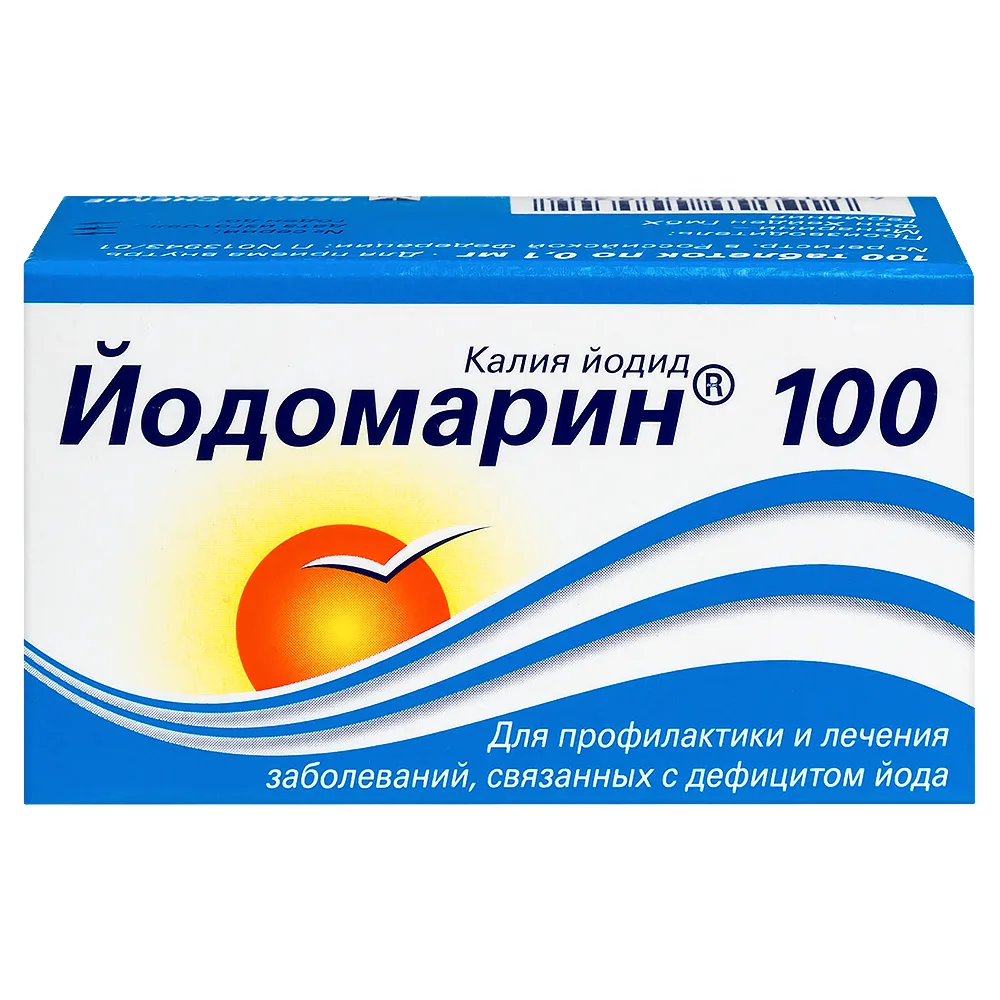 tablets
Potassium iodide
SKU 88445
Same active ingredient
Other products with Potassium iodide
All packagings
Selected · use button above
Price
$6.26
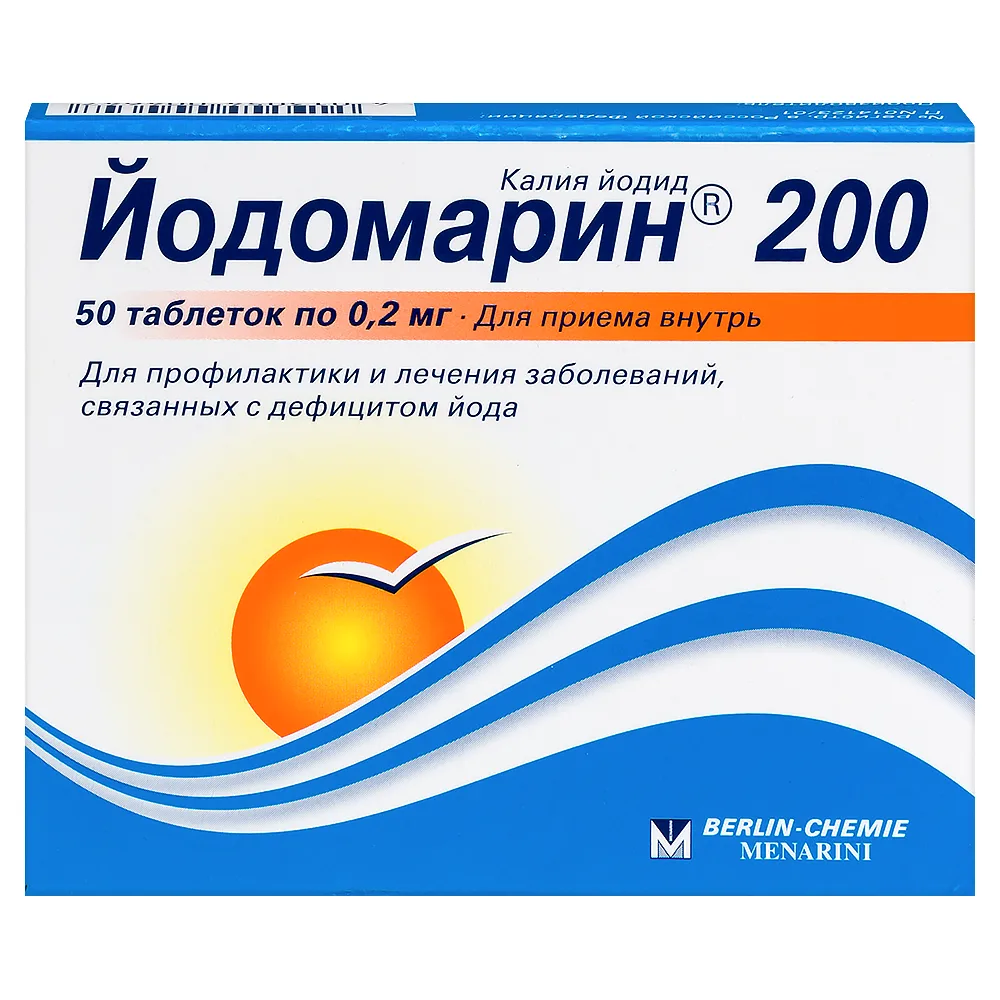
Cheapest option
Price
$6.17

Option 3 of 3
Price
$8.43
Manufacturer leaflet
Facts from the printed manufacturer leaflet. Sections vary by drug — we only show what's actually in the box.
- Prevention of iodine deficiency diseases, including endemic goiter (especially in pregnant and breastfeeding women);
- Prevention of goiter recurrence after surgical removal or after completion of treatment with thyroid hormone medications;
- Treatment of diffuse euthyroid goiter in newborns, children, adolescents, and young adult patients.
-профилактика йоддефицитных заболеваний, в т.ч. эндемического зоба (особенно у беременных и кормящих женщин);
-профилактика рецидива зоба после его хирургического удаления или после завершения лечения зоба препаратами гормонов щитовидной железы;
-лечение диффузного эутиреоидного зоба у новорожденных, детей, подростков и взрослых пациентов молодого возраста.
When determining the necessary dose of Iodomarine® 100, regional and individual characteristics of iodine intake from food should be considered. This is especially important when prescribing the medication to newborns and children under 4 years of age.
Prevention of iodine deficiency diseases:
Newborns and children: 50-100 mcg of iodine per day (7g - 1 tablet of Iodomarine® 100);
Adolescents and adults: 100-200 mcg of iodine per day (1-2 tablets of Iodomarine® 100);
During pregnancy and breastfeeding: 100-200 mcg of iodine per day (1-2 tablets of Iodomarine® 100).
Prevention of recurrence of goiter after surgical removal or after completion of treatment with thyroid hormone medications:
100-200 mcg of iodine daily (1-2 tablets of Iodomarine® 100).
Treatment of euthyroid goiter:
Newborns and children: 100-200 mcg of iodine per day (1-2 tablets of Iodomarine® 100);
Adolescents and young adult patients: 200 mcg of iodine per day (2 tablets of Iodomarine® 100).
The daily dose of the medication should be taken in one dose, after meals, with a sufficient amount of liquid. When prescribing the medication to newborns and children under 3 years of age, it is recommended to dissolve the tablet in a small amount (1 tablespoon) of boiled water at room temperature.
Preventive use of the medication is usually conducted over several months or years, and often throughout life. For the treatment of goiter in newborns, 2-4 weeks is usually sufficient; in children, adolescents, and adults, treatment typically requires 6-12 months or more. The duration of treatment is determined by the physician.
При определении необходимой дозы препарата Йодомарин^ 100 нужно учитывать региональные и индивидуальные особенности поступления йода с пищей. Особенно это является важным при назначении препарата новорожденным и детям до 4 лет. Профилактика йоддефицитных заболеваний: t
Новорожденные и дети: 50-100 мкг йода в день (7г - 1 таблетка препарата Йодомаринк100);
Подростки и взрослые: 100-200 мкг йода в день (1-2 таблетки препарата Иодомарин 100); При беременности и в период грудного вскармливания: 100-200 мкг йода в день (1-2 таблетки препарата Йодомарин^ЮО).
Профилактика рецидива зоба после его хирургического удаления или после завершения лечения зоба препаратами гормонов щитовидной железы:
100-200 мкг йода ежедневно (1-2 таблетки препарата Йодомарин® 100)
Лечение эутиреоидного зоба:
Новорожденные и дети: 100-200 мкг йода в день (1-2 таблетки препарата Йодомарин*100);
Подростки и взрослые пациенты молодого возраста:
200 мкг йода в день (2 таблетки препарата Иодомарин 100).
Суточную дозу препарата следует принимать в один прием, после еды, запивая достаточным количеством жидкости. При назначении препарата новорожденным и детям до 3 лет рекомендуется растворить таблетку в небольшом количестве (1 столовая ложка) кипяченой воды комнатной температуры.
Применение препарата с профилактической целью проводится в течение, как правило, нескольких месяцев или лет, а часто - в течение всей жизни.
Для лечения зоба у новорожденных в большинстве случаев достаточно 2-4 недель; у детей, подростков и взрослых обычно требуется 6-12 месяцев или более. Продолжительность лечения определяется врачом.
Composition per 1 tablet:
Active ingredient: potassium iodide - 0.131 mg (equivalent to 0.1 mg of iodine);
Excipients: lactose monohydrate, magnesium hydroxide carbonate, gelatin, sodium carboxymethyl starch, colloidal silicon dioxide, magnesium stearate.
Round flat-cylindrical tablets of white or almost white color, with a bevel and a score line on one side.
Состав на 1 таблетку:
Действующее вещество: калия йодид - 0,131 мг (что соответствует 0,1 мг йода);
Вспомогательные вещества: лактозы моногидрат, магния гидроксикарбонат, желатин, карбоксиметилкрахмал натрия, кремния диоксид коллоидный, магния стеарат.
круглые плоскоцилиндрические таблетки белого или почти белого цвета, с фаской и риской на одной стороне
- Hypersensitivity to potassium iodide and/or any excipient in the formulation;
- Manifest hyperthyroidism;
- Subclinical hyperthyroidism - at doses exceeding 150 mcg of iodine per day;
- Solitary toxic adenomas of the thyroid gland and functional autonomy of the thyroid gland (focal and diffuse), toxic nodular goiter (except for preoperative therapy aimed at thyroid blockade);
- Lactose intolerance, lactase deficiency, glucose-galactose malabsorption syndrome;
- Herpetiform (dermatitis herpetiformis) Duhring's dermatitis.
The product should not be used in hypothyroidism, except in cases where the latter is caused by severe iodine deficiency.
Use of the product should be avoided during radioactive iodine therapy, in the presence of or suspected thyroid cancer.
Use during pregnancy and breastfeeding
During pregnancy and breastfeeding, the need for iodine increases, making the use of Iodomarin 100 in adequate doses particularly important to ensure sufficient iodine intake in the body. Potassium iodide crosses the placenta and is present in breast milk. If a breastfeeding woman takes potassium iodide, additional administration of the drug to infants who are breastfeeding is not required.
The use of the drug during pregnancy and breastfeeding is only possible in recommended doses. When conducting therapy, it is necessary to consider the amount of iodine obtained from food.
It should be noted that during therapy with the drug, patients with renal insufficiency may develop hyperkalemia. Before starting therapy, it is essential to rule out the presence of hyperthyroidism or toxic nodular goiter in the patient, as well as the history of these conditions. In the presence of a predisposition to autoimmune thyroid diseases, the formation of antibodies to thyroid peroxidase may occur. Saturation of the thyroid gland with iodine may hinder the accumulation of radioactive iodine used for therapeutic or diagnostic purposes. Therefore, the intake of the drug is not recommended before procedures involving radioactive iodine.
Effect on the ability to drive vehicles and operate machinery
The use of Iodomarin 100 does not affect the ability to drive vehicles and operate machinery.
-гиперчувствительность к калия йодиду и/или какому-либо вспомогательному веществу в составе препарата;
-манифестный гипертиреоз;
-субклинический гипертиреоз - в дозах, превышающих 150 мкг йода в сутки;
-солитарные токсические аденомы щитовидной железы и функциональная автономия щитовидной железы (фокальная и диффузная), узловой токсический зоб (за исключением предоперационной терапии с целью блокады щитовидной железы);
-непереносимость лактозы, дефицит лактазы, синдром глюкозо-галактозной мальабсорбции;
-герпетиформный (старческий) дерматит Дюринга.
Препарат не следует применять при гипотиреозе, за исключением тех случаев, когда развитие последнего вызвано выраженным дефицитом йода.
Применения препарата следует избегать при терапии радиоактивным йодом, наличии или при подозрении на рак щитовидной железы.
Применение при беременности и в период грудного вскармливания
В период беременности и грудного вскармливания потребность в йоде повышается, поэтому особенно важным является применение препарата Иодомарин 100 в достаточных дозах для обеспечения адекватного поступления йода в организм. Калия йодид проникает через плаценту и в грудное молоко. Если кормящая женщина принимает калия йодид, дополнительное назначение препарата младенцам, находящимся на грудном вскармливании, не требуется.
Применение препарата во время беременности и в период грудного вскармливания возможно только в рекомендуемых дозах. При проведении терапии необходимо учитывать количество йода, поступающего с пищей.
Следует учитывать, что на фоне терапии препаратом у пациентов с почечной недостаточностью возможно развитие гиперкалиемии. Перед началом терапии необходимо исключить наличие у пациента гипертиреоза или узлового токсического зоба, а также наличие этих заболеваний в анамнезе. При наличии предрасположенности к аутоиммунным тиреоидным заболеваниям возможно образование антител к тиреопероксидазе. Насыщение щитовидной железы йодом может препятствовать аккумуляции радиоактивного йода, используемого в терапевтических или диагностических целях. В связи с этим не рекомендуется прием препарата перед проведением действий с использованием радиоактивного йода
Влияние на способность к управлению транспортными средствами и другими механизмами
Применение препарата Иодомарин 100 не оказывает влияния на способность к управлению транспортными средствами и механизмами.
Allergic reactions may occur rarely: skin rash, angioedema.
Symptoms: discoloration of mucous membranes to brown, reflex vomiting (if starch-containing components are present in food, the vomit may turn blue), abdominal pain, and diarrhea (blood may be present in the stool). In severe cases, dehydration and shock may develop. Rarely, esophageal strictures have occurred. Fatal cases have only been observed after the ingestion of large amounts of iodine (30-250 ml of iodine tincture).
In rare cases, prolonged overdose of potassium iodide may lead to the development of so-called "iodism," i.e., iodine intoxication: metallic taste in the mouth, swelling and irritation of mucous membranes (rhinitis, conjunctivitis, gastroenteritis, bronchitis). Potassium iodide may activate latent inflammatory processes, such as tuberculosis. Swelling, erythema, acneiform and bullous rashes, hemorrhages, fever, and irritability may develop.
Treatment for acute intoxication: gastric lavage with a starch solution, protein, or 5% sodium thiosulfate solution until all traces of iodine are removed. Symptomatic therapy for water-electrolyte balance disturbances, anti-shock therapy.
Treatment for chronic intoxication: discontinuation of potassium iodide.
Treatment for iodine-induced hypothyroidism: discontinuation of potassium iodide, normalization of metabolism with thyroid hormones.
Treatment for iodine-induced thyrotoxicosis: no treatment is required for mild forms; for severe forms, thyrostatic therapy is necessary (the effect of which is always delayed). In the most severe cases (thyrotoxic crisis), intensive therapy, plasmapheresis, or thyroidectomy is required.
In the case of hyperthyroidism, overdose as such cannot be discussed, as hyperthyroidism can be caused by an amount of iodine that is considered normal in other countries.
Iodine deficiency increases, while excess iodine decreases the effectiveness of hyperthyroidism therapy with antithyroid agents. In this regard, it is recommended to avoid any iodine intake as much as possible before or during hyperthyroidism treatment. On the other hand, antithyroid agents inhibit the conversion of iodine into organic compounds in the thyroid gland and may thus cause goiter formation.
Substances that enter the thyroid gland through the same mechanism as iodides can compete with iodine and inhibit its uptake by the thyroid gland (for example, perchlorate, which also suppresses the recycling of iodides within the thyroid gland). Iodine absorption may also be reduced with the use of drugs that do not themselves enter the thyroid gland, such as thiocyanate at concentrations exceeding 5 mg/dL.
Iodine uptake by the thyroid gland and its metabolism are stimulated by endogenous and exogenously administered thyroid-stimulating hormone (TSH).
Simultaneous treatment with high doses of iodine and lithium salts may contribute to the development of goiter and hypothyroidism. High doses of potassium iodide in combination with potassium-sparing diuretics may lead to hyperkalemia.
Редко могут встречаться аллергические реакции: кожная сыпь, отек Квинке
Симптомы: окрашивание слизистых оболочек в коричневый цвет, рефлекторная рвота (при наличии в пище крахмалсодержащих компонентов рвотные массы приобретают синюю окраску), боли в животе и диарея (возможно присутствие крови в стуле). В тяжелых случаях возможно развитие дегидратации и шока. В редких случаях имели место стенозы пищевода. Случаи летального исхода наблюдались лишь после приема больших количеств йода (30-250 мл настойки йода).
В редких случаях длительная передозировка калия йодида может приводить к развитию так называемого «йодизма», т.е. интоксикации йодом: металлический привкус во рту, отек и раздражение слизистых оболочек (насморк, конъюнктивит, гастроэнтерит, бронхит). Калия йодид может активизировать латентные воспалительные процессы, такие как туберкулез. Возможно развитие отеков, эритемы, угреподобной и буллезной сыпи, геморрагий, лихорадки и раздражительности.
Лечение при острой интоксикации: промывание желудка раствором крахмала, белка или 5% раствором натрия тиосульфата до удаления всех следов йода. Симптоматическая терапия нарушений водно-электролитного баланса, противошоковая терапия.
Лечение при хронической интоксикации: отмена калия йодида
Лечение йод-индуцированного гипотиреоза: отмена калия йодида, нормализация обмена веществ с помощью гормонов щитовидной железы.
Лечение йод-индуцированного тиреотоксикоза: при мягких формах лечения не требуется; при выраженных формах требуется проведение тиреостатической терапии (эффект которой всегда отсрочен). В тяжелейших случаях (тиреотоксический криз) необходимо проведение интенсивной терапии, плазмафереза или тиреоидэктомии
В случае гипертиреоза речь не может идти о передозировке как таковой, поскольку гипертиреоз может быть вызван и таким количеством йода, который в других странах является нормальным.
Дефицит йода повышает, а избыток йода понижает эффективность терапии гипертиреоза антитиреоидными средствами. В этой связи, перед или во время лечения гипертиреоза, рекомендуется по возможности избегать любого приема йода. С другой стороны, антитиреоидные средства тормозят переход йода в органическое соединение в щитовидной железе и, таким образом, могут вызывать образование зоба
Вещества, поступающие в щитовидную железу по тому же механизму, что и йодиды, могут конкурировать с йодом и ингибировать его захват щитовидной железой (например, перхлорат, который к тому же угнетает рециркуляцию йодидов внутри щитовидной железы). Поглощение йода может снижаться и при применении препаратов, которые сами не поступают в щитовидную железу, например, тиоцианата в концентрациях, превышающих 5 мг/дл.
Захват йода щитовидной железой и его метаболизм стимулируются эндогенным и экзогенно введенным тиреотропным гормоном (ТТГ).
Одновременное лечение высокими дозами йода и солями лития может способствовать возникновению зоба и гипотиреоза. Высокие дозы калия йодида в сочетании с калийсберегающими диуретиками могут приводить к гиперкалиемии.
Round flat-cylindrical tablets of white or almost white color, with a bevel and a score line on one side.
Iodine is an essential trace element that is a component of the thyroid hormones - thyroxine and triiodothyronine. Thyroid hormones are involved in the development of all organs and systems, regulating metabolic processes in the body: they are responsible for the metabolism of proteins, fats, carbohydrates, and energy in the body, regulate the activity of the brain, nervous and cardiovascular systems, reproductive and mammary glands, as well as the growth and development of children.
The deficiency of iodine is particularly dangerous for children, adolescents, pregnant and breastfeeding women.
Absorption
When taken orally, potassium iodide is almost completely absorbed in the small intestine.
Distribution
The average volume of distribution for healthy individuals is approximately 23 L (38% of body weight). The normal plasma concentration of iodine ranges from 0.1 to 0.5 mcg/dL. It accumulates in the thyroid gland, salivary glands, mammary glands, and gastric tissues. The concentration in saliva, gastric juice, and breast milk is approximately 30 times higher than in plasma.
Excretion
It is excreted by the kidneys, and the concentration of iodine in urine relative to creatinine (mcg/g) is an indicator of its intake into the body.
круглые плоскоцилиндрические таблетки белого или почти белого цвета, с фаской и риской на одной стороне.
Йод - жизненно важный микроэлемент, являющийся составной частью гормонов щитовидной железы - тироксина и трийодтиронина. Тиреоидные гормоны участвуют в развитии всех органов и систем, в регуляции обменных процессов в организме: отвечают за обмен белков, жиров, углеводов и энергии в организме, регулируют деятельность головного мозга, нервной и сердечно-сосудистой систем, половых и молочных желез, а также рост и развитие ребенка
Особенно опасен дефицит йода для детей, подростков, беременных и кормящих женщин
Всасывание
При приеме внутрь калия йодид практически полностью всасывается в тонкой кишке. Распределение
Средний объем распределения для здоровых людей составляет приблизительно 23 л (38% массы тела). Плазменная концентрация йода в норме составляет от 0,1 до 0,5 мкг/дл. Накапливается в щитовидной железе, слюнных железах, молочных железах и тканях желудка. Концентрация в слюне, желудочном соке и грудном молоке приблизительно в 30 раз выше, чем в плазме крови
Выведение
Выводится почками, концентрация йода в моче относительно креатинина (мкг/г) является индикатором его поступления в организм.
Iodine is an essential trace element for the human body, necessary for the normal functioning of the thyroid gland, which is responsible for metabolism. Jodomarin 100 is a medication that contains 100 mcg of iodine in one tablet, which helps maintain thyroid health. It provides the body with the required amount of iodine and supports the growth and functioning of thyroid hormones. It is recommended to take one tablet daily with food. Jodomarin 100 is an affordable and effective way to improve overall health.
Иод является важным микроэлементом для организма человека, необходимым для нормального функционирования щитовидной железы, которая отвечает за обмен веществ. Йодомарин 100 - это препарат, содержащий 100 мкг йода в одной таблетке, который помогает поддерживать здоровье щитовидной железы. Он обеспечивает необходимое количество йода организму, способствует росту и функционированию гормонов щитовидной железы. Рекомендуется принимать препарат по одной таблетке в день с пищей. Jodomarin 100 - это доступный и эффективный способ улучшить общее состояние здоровья.
RU name Йодомарин 100 100 шт. таблетки
How we fulfill
Three checkpoints between the pharmacy shelf and your door. You see every one.
01
No grey-market middlemen, no warehouses we can't audit. Retail purchase, on demand, against your order.
02
A photo of your actual parcel in its original retail packaging lands in your inbox before it ships. Like this →
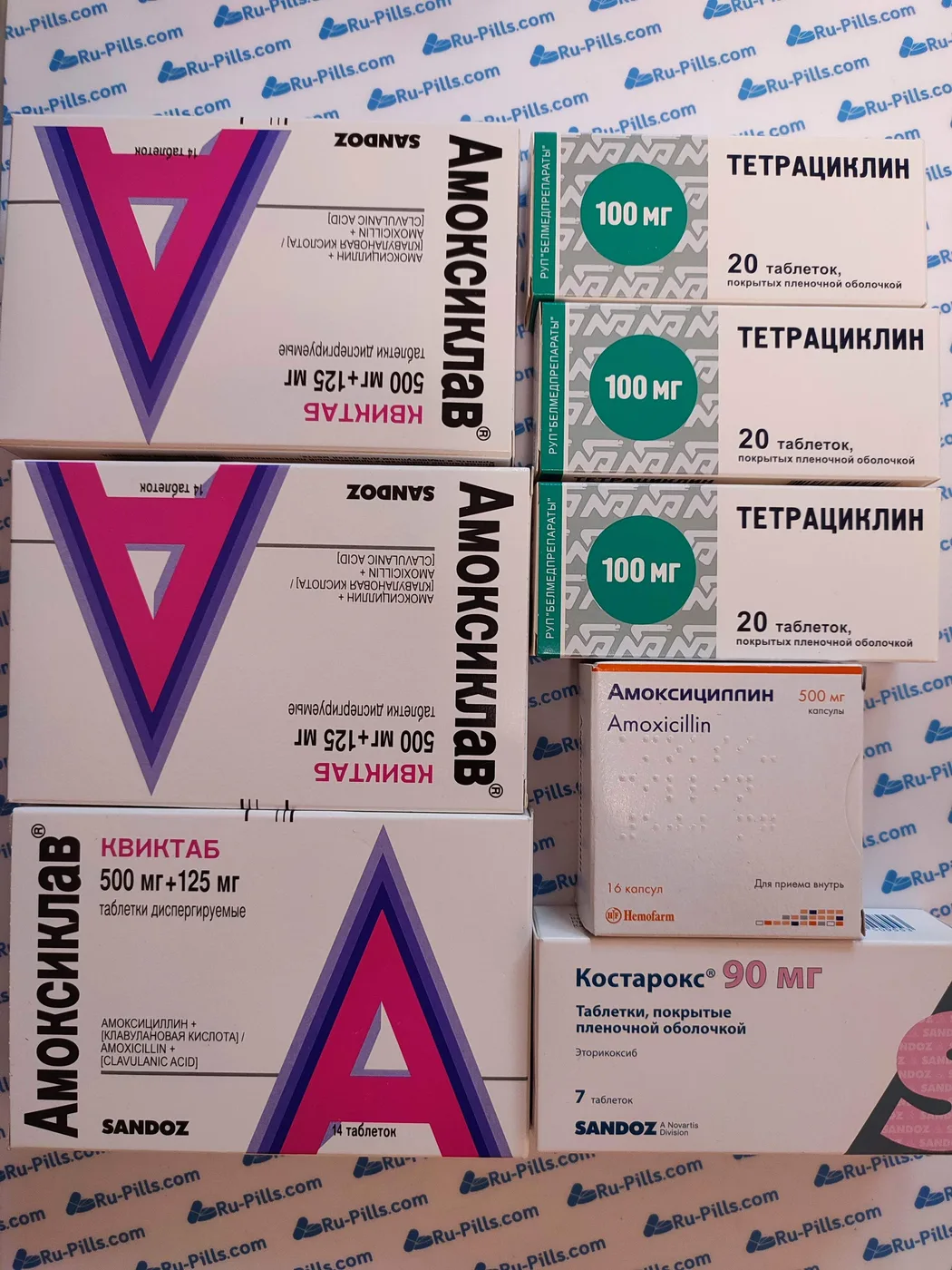 Real customer parcel
03
To 120+ countries. Most parcels arrive in 7–18 days.
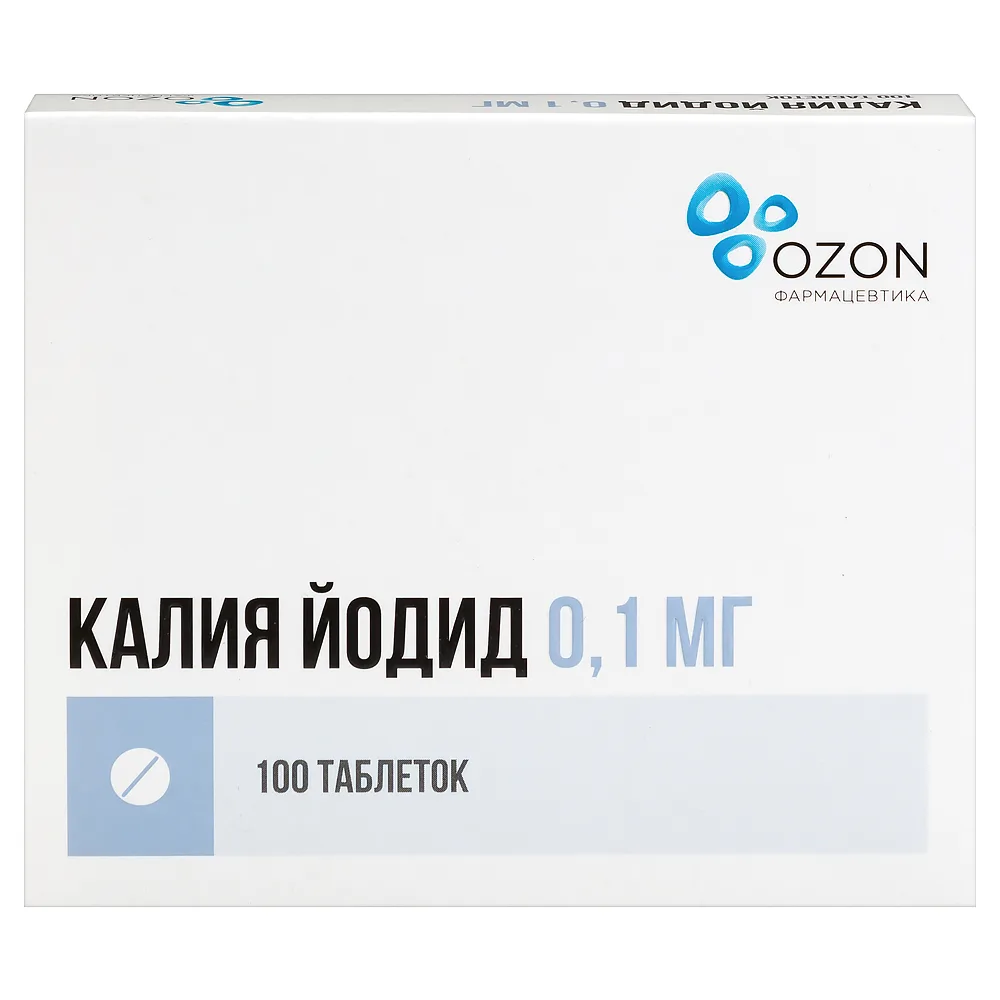
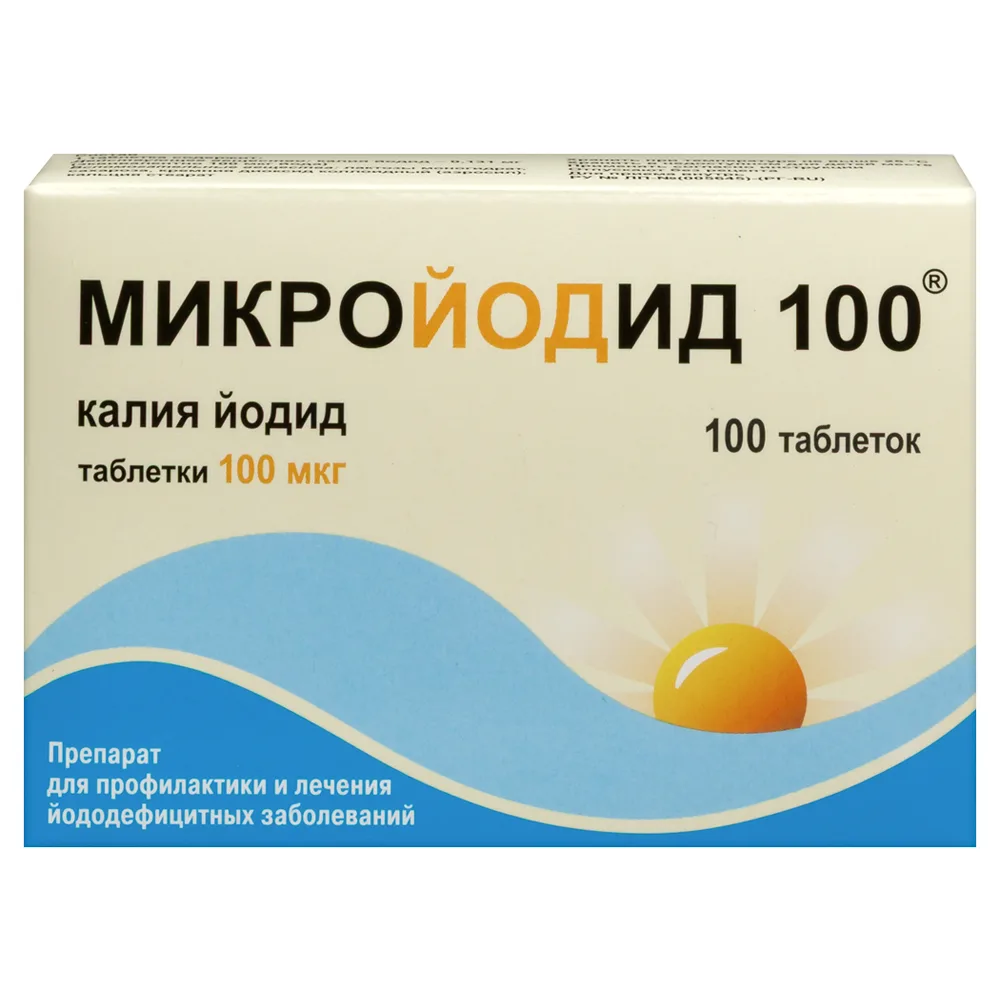

Potassium iodide · tablets