01
Sourced
A licensed Russian pharmacy buys it for you.
No grey-market middlemen, no warehouses we can't audit. Retail purchase, on demand, against your order.

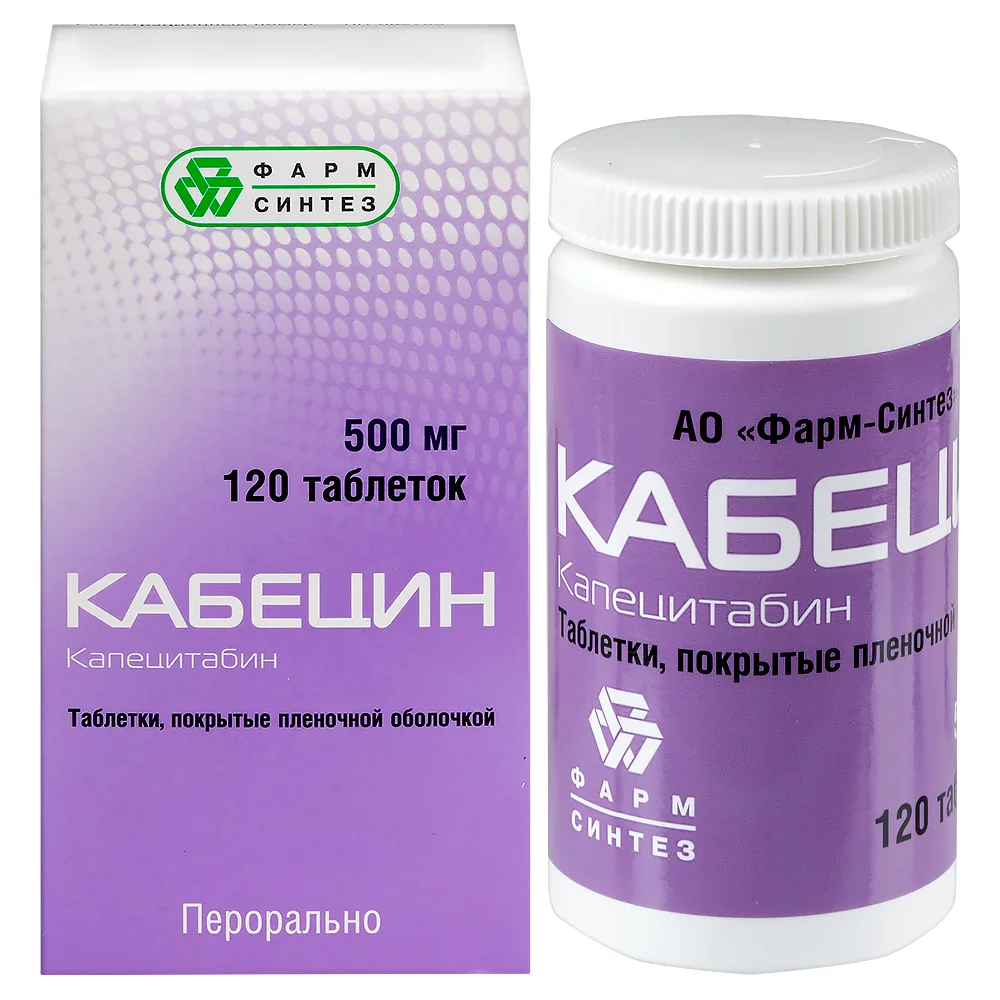 film-coated tablets
Capecitabine
film-coated tablets
SKU 91645
Other products by → Pharm-Synthesis LLC/Pharm-Synthesis JSC
Manufacturer leaflet
Facts from the printed manufacturer leaflet. Sections vary by drug — we only show what's actually in the box.
Breast Cancer
• Combined therapy with docetaxel for locally advanced or metastatic breast cancer when chemotherapy including anthracycline agents is ineffective;
• Monotherapy for locally advanced or metastatic breast cancer resistant to chemotherapy with taxanes or anthracycline agents, or in the presence of contraindications to them.
Colorectal Cancer
• Adjuvant therapy for stage III colon cancer after surgical treatment;
• Treatment of metastatic colorectal cancer.
Stomach Cancer
• First-line therapy for advanced stomach cancer.
Contraindications
• Hypersensitivity to capecitabine or any other components of the drug;
• Hypersensitivity to fluorouracil or in cases of unexpected or severe adverse reactions to fluoropyrimidine derivatives in the medical history;
• Established DPD (dihydropyrimidine dehydrogenase) deficiency, as with other fluoropyrimidines;
• Simultaneous use of sorivudine or its structural analogs such as brivudine;
• Severe liver failure, leukopenia;
• Severe renal failure (creatinine clearance below 30 ml/min);
• Baseline neutrophil count
Рак молочной железы
• комбинированная терапия с доцетакселом местнораспространенного или метастатического рака молочной железы при неэффективности химиотерапии, включающей препарат антрациклинового ряда;
• монотерапия местнораспространенного или метастатического рака молочной железы, резистентного к химиотерапии таксанами или препаратами антрациклинового ряда или при наличии противопоказаний к ним.
Колоректальный рак
• адъювантная терапия рака толстой кишки III стадии после хирургического лечения;
• терапия метастатического колоректального рака.
Рак желудка
• терапия первой линии распространенного рака желудка.
Противопоказания
• гиперчувствительность к капецитабину или любым другим компонентам препарата;
• гиперчувствительность к фторурацилу или при зарегистрированных случаях развития неожиданных или тяжелых побочных реакций на лечение производными фторпиримидина в анамнезе;
• установленный дефицит ДПД (дигидропиримидиндегидрогеназы), как и для других фторпиримидинов;
• одновременный прием соривудина или его структурных аналогов типа бривудина;
• тяжелая печеночная недостаточность, лейкопения;
• тяжелая почечная недостаточность (клиренс креатинина ниже 30 мл/мин);
• исходное содержание нейтрофилов <1,5 х 109 /л и/или тромбоцитов <100 х 109/ л;• при наличии противопоказаний к одному из препаратов комбинированной терапии его не следует использовать;• беременность и период кормления грудью;• детский возраст (эффективность и безопасность применения не установлены). Применение при беременности и в период грудного вскармливания Противопоказано применение капецитабина при беременности и в период грудного вскармливания. С осторожностью При ишемической болезни сердца (ИБС), анемии и стенокардии в анамнезе, почечной недостаточности средней степени тяжести или печеночной недостаточности, гипо- или гиперкальциемии, заболеваниях центральной и периферической нервной системы, сахарном диабете и нарушениях водно-электролитного баланса, возрасте старше 60 лет, одновременном применении с пероральными антикоагулянтами кумаринового ряда, наследственном дефиците лактазы, непереносимости лактозы, глюкозо-галактозной мальабсорбции.
Orally, with water, no later than 30 minutes after a meal.
Standard dosing regimen
Monotherapy
Colorectal cancer, colon cancer, and breast cancer
1250 mg/m² twice daily - in the morning and evening (total daily dose 2500 mg/m²) for 14 days followed by a seven-day break.
Combination therapy
Breast cancer
1250 mg/m² twice daily for 14 days followed by a seven-day break, in combination with docetaxel at a dose of 75 mg/m² once every three weeks as an intravenous infusion over 1 hour.
Premedication is administered before the administration of docetaxel according to its usage instructions.
Colorectal cancer and stomach cancer
In combination therapy (except therapy in combination with irinotecan), the dose of Capecitabine is up to 800-1000 mg/m² twice daily for 14 days followed by a seven-day break or up to 625 mg/m² twice daily in a continuous regimen.
In combination therapy with irinotecan (XELIRI regimen - capecitabine and irinotecan), the recommended dose of capecitabine is 800 mg/m² twice daily for 14 days followed by a seven-day break. The addition of bevacizumab to combination therapy does not affect the initial dose of Capecitabine.
Antiemetics and premedication for adequate hydration are prescribed before the administration of cisplatin and oxaliplatin according to the instructions for the use of cisplatin and oxaliplatin when used in combination with Capecitabine.
In adjuvant therapy for stage III colon cancer, the recommended duration of therapy with Capecitabine is 6 months, i.e., 8 cycles.
In combination with cisplatin
1000 mg/m² twice daily for 14 days followed by a seven-day break in combination with cisplatin (80 mg/m² once every 3 weeks, IV infusion over 2 hours, the first infusion is administered on the first day of the cycle). The first dose of Capecitabine is administered in the evening on the first day of the treatment cycle, the last dose in the morning on day 15.
In combination with oxaliplatin or with oxaliplatin and bevacizumab
1000 mg/m² twice daily for 14 days followed by a seven-day break in combination with oxaliplatin or with oxaliplatin and bevacizumab. The first dose of Capecitabine is administered in the evening on the first day of the treatment cycle, the last dose in the morning on day 15. Bevacizumab is administered at a dose of 7.5 mg/kg once every 3 weeks, IV infusion over 30-90 minutes, the first infusion is administered on the first day of the cycle. After bevacizumab, oxaliplatin is administered at a dose of 130 mg/m², IV infusion over 2 hours.
In combination with epirubicin and a platinum-based drug
625 mg/m² twice daily in a continuous regimen in combination with epirubicin (50 mg/m² once every 3 weeks, IV bolus, starting on the first day of the cycle) and a platinum-based drug. The platinum-based drug (cisplatin at a dose of 60 mg/m² or oxaliplatin at a dose of 130 mg/m²) should be administered on the first day of the cycle as an IV infusion over 2 hours, then once every 3 weeks.
In combination with irinotecan or with irinotecan and bevacizumab
The recommended dose of Capecitabine is 800 mg/m² twice daily for 14 days followed by a seven-day break in combination with irinotecan or with irinotecan and bevacizumab.
Irinotecan is administered at a dose of 200 mg/m² once every 3 weeks, IV infusion over 30 minutes, the first infusion on the first day of the cycle.
Bevacizumab is administered at a dose of 7.5 mg/kg once every 3 weeks, IV infusion over 30-90 minutes, the first infusion starts on the first day of the cycle.
The tables below show examples of calculating the standard and reduced doses of Capecitabine for an initial dose of 1250 mg/m² or 1000 mg/m².
Table 1. Standard and reduced doses of Capecitabine for an initial dose of 1250 mg/m², calculated based on body surface area
Dose - 1250 mg/m² twice daily
Total dose 1250 mg/m² Number of tablets 150 mg and/or 500 mg per dose (for each dose 2 times a day - morning and evening) Reduced dose (75% of initial dose) 950 mg/m² Reduced dose (50% of initial dose) 625 mg/m²
Body surface area (m²) Dose per dose (mg) 150 mg 500 mg Dose per dose (mg) Dose per dose (mg)
≤1.26 1500 - 3 1150 800
1.27-1.38 1650 1 3 1300 800
1.39-1.52 1800 2 3 1450 950
1.53-1.66 2000 - 4 1500 1000
1.67-1.78 2150 1 4 1650 1000
1.79-1.92 2300 2 4 1800 1150
1.93-2.06 2500 - 5 1950 1300
2.07-2.18 2650 1 5 2000 1300
≥2.19 2800 2 5 2150 1450
Table 2. Standard and reduced doses of Capecitabine for an initial dose of 1000 mg/m², calculated based on body surface area.
Dose - 1000 mg/m² twice daily
Total dose 1000 mg/m² Number of tablets 150 mg and/or 500 mg per dose (for each dose 2 times a day - morning and evening) Reduced dose (75% of initial dose) 750 mg/m² Reduced dose (50% of initial dose) 500 mg/m²
Body surface area (m²) Dose per dose (mg) 150 mg 500 mg Dose per dose (mg) Dose per dose (mg)
≤1.26 1150 1 2 800 600
1.27-1.38 1300 2 2 1000 600
1.39-1.52 1450 3 2 1100 750
1.53-1.66 1600 4 2 1200 800
1.67-1.78 1750 5 2 1300 800
1.79-1.92 1800 2 3 1400 900
1.93-2.06 2000 - 4 1500 1000
2.07-2.18 2150 1 4 1600 1050
≥2.19 2300 2 4 1750 1100
Dose adjustment during treatment
General recommendations
Toxic effects of Capecitabine can be managed with symptomatic therapy and/or dose adjustment (by interrupting treatment or reducing the dose). If the dose has been reduced, it should not be increased subsequently.
If, in the treating physician's assessment, the toxic effect of Capecitabine is not serious or life-threatening, treatment may continue at the initial dose without reduction or interruption of therapy.
In cases of grade 1 toxicity, the dose remains unchanged. In cases of grade 2 or 3 toxicity, therapy with Capecitabine should be interrupted.
If signs of toxicity resolve or decrease to grade 1, therapy with Capecitabine may be resumed at full dose or adjusted according to the recommendations in Table 3.
In cases of grade 4 toxicity, treatment should be discontinued or temporarily interrupted until symptoms resolve or decrease to grade 1, after which the drug may be resumed at a dose of 50% of the initial dose. The patient must immediately inform the physician of any adverse events that occur. Capecitabine should be immediately discontinued in cases of severe or moderate toxicity. If several doses of Capecitabine have been missed due to toxic effects, those doses are not made up.
Hematological toxicity
Capecitabine therapy should not be initiated in patients with a baseline neutrophil count < 1.5 x 10⁹ and/or a baseline platelet count < 100 x 10⁹/L. Capecitabine treatment should be interrupted if during an unscheduled assessment of laboratory parameters the neutrophil count drops below 1.0 x 10⁹/L and the platelet count drops below 75 x 10⁹/L (hematological toxicity grade 3 or 4).
The table below provides recommendations for dose adjustment of Capecitabine in the event of toxic effects associated with its use.Table 3. Dose adjustment scheme for Capecitabine.
Toxicity grade NCIC* Dose adjustment during the treatment cycle Dose adjustment during the next treatment cycle (% of initial dose)
Grade 1 Continue at the same dose Continue at the same dose
Grade 2
1st occurrence Interrupt therapy until resolution to grade 0-1 100%
2nd occurrence 75%
3rd occurrence 50%
4th occurrence Discontinue therapy completely Not applicable
Grade 3
1st occurrence Interrupt therapy until resolution to grade 0-1 75%
2nd occurrence 50%
3rd occurrence Discontinue therapy completely Not applicable
Grade 4
1st occurrence Discontinue therapy completely OR, if the physician believes it is in the patient's best interest to continue treatment, interrupt therapy until resolution to grade 0-1 50%
2nd occurrence Discontinue therapy completely Not applicable
*According to the general toxicity criteria of the National Cancer Institute of Canada Clinical Trials Group (NCIC CTG, version 1) or the common terminology criteria for adverse events of the National Cancer Institute of the USA (CTCAE, version 3). Criteria for hand-foot syndrome and hyperbilirubinemia are detailed in the "Special Instructions" section.General recommendations for combination therapy
In cases of toxicity during combination therapy, the recommendations for dose adjustment of Capecitabine outlined above in Table 3 and the corresponding recommendations in the instructions for use of other drugs should be followed. At the beginning of the treatment cycle, if a delay in the administration of Capecitabine or other drug(s) is anticipated, the administration of all drugs should be postponed until conditions for resuming therapy with all drugs are met.
If during the cycle of combination therapy, the toxicity is deemed by the physician to be unrelated to the use of Capecitabine, therapy with Capecitabine should be continued, and the dose of the other drug should be adjusted according to the recommendations in its instructions for use.
If another drug(s) must be discontinued, treatment with Capecitabine may continue if the requirements for resuming therapy with Capecitabine are met.
These recommendations apply to all indications and all special patient groups.
Dose adjustment in special cases
Liver function impairment in patients with liver metastases
No change in the initial dose is required for patients with liver metastases and mild to moderate liver function impairment. However, these patients should be closely monitored. The use of the drug in patients with severe liver failure has not been studied.
Kidney function impairment
It is recommended to reduce the initial dose to 75% of 1250 mg/m² in patients with baseline moderate renal impairment (creatinine clearance 30-50 mL/min, using the Cockcroft-Gault formula); no dose adjustment is required for an initial dose of 1000 mg/m².
In patients with mild renal impairment (creatinine clearance 51-80 mL/min), no adjustment of the initial dose is required.
In cases of grade 2, 3, or 4 adverse events, careful monitoring is necessary, and immediate interruption of therapy is required for subsequent dose adjustment according to the recommendations in Table 3. If the calculated creatinine clearance drops below 30 mL/min during therapy, treatment with Capecitabine should be discontinued. The recommendations for dose adjustment in moderate renal impairment apply to both monotherapy and combination therapy. Dose calculations are provided in Tables 1 and 2.
Children
The safety and efficacy of Capecitabine in children have not been established.
Elderly patients
No adjustment of the initial dose is required for monotherapy with Capecitabine. However, severe adverse events of grade 3 and 4 related to therapy occurred more frequently in patients over 80 years of age than in younger patients.
When using Capecitabine in combination with other antitumor drugs in elderly patients (aged ≥65 years), grade 3 and 4 adverse reactions, as well as adverse reactions requiring therapy discontinuation, were observed more frequently than in younger patients. Careful monitoring of elderly patients is recommended.
In treatment in combination with docetaxel, an increase in the frequency of grade 3 and 4 adverse events and serious adverse events related to therapy was noted in patients aged 60 years and older. For patients aged 60 years and older who will receive a combination of Capecitabine with docetaxel, it is recommended to reduce the initial dose of Capecitabine to 75% (950 mg/m² twice daily). Dose calculations are provided in Table 1. If no signs of toxicity occur, the dose may be increased to 1250 mg/m² twice daily.
In treatment in combination with irinotecan, for patients aged 65 years and older, it is recommended to reduce the initial dose of Capecitabine to 800 mg/m² twice daily.
Внутрь, запивая водой, не позднее чем через 30 мин после еды.
Стандартный режим дозирования
Монотерапия
Колоректальный рак, рак толстой кишки и рак молочной железы
По 1250 мг/м2 2 раза в сутки - утром и вечером (общая суточная доза 2500 мг/м2) в течение 14 дней с последующим семидневным перерывом.
Комбинированная терапия
Рак молочной железы
По 1250 мг/м2 2 раза в сутки в течение 14 дней с последующим семидневным перерывом, в комбинации с доцетакселом в дозе 75 мг/м2 один раз в три недели в виде внутривенной инфузии в течение 1 часа.
Премедикация проводится перед введением доцетаксела в соответствии с инструкцией по его применению.
Колоректальный рак и рак желудка
В составе комбинированной терапии (за исключением терапии в комбинации с иринотеканом) доза препарата Кабецин составляет до 800-1000 мг/м2 2 раза в сутки в течение 14 дней с последующим семидневным перерывом или до 625 мг/м2 2 раза в сутки при непрерывном режиме.
В составе комбинированной терапии с иринотеканом (режим XELIRI - (капецитабин и иринотекан)) рекомендованная доза капецитабина составляет 800 мг/м2 2 раза в сутки в течение 14 дней с последующим семидневным перерывом. Добавление бевацизумаба к комбинированной терапии не влияет на начальную дозу препарата Кабецин.
Противорвотные средства и премедикация для обеспечения адекватной гидратации назначаются перед введением цисплатина и оксалиплатина согласно инструкциям по применению цисплатина и оксалиплатина при применении их в комбинации с препаратом Кабецин.
В адъювантной терапии рака толстой кишки III стадии рекомендованная продолжительность терапии препаратом Кабецин составляет 6 месяцев, т.е. 8 курсов.
В комбинации с цисплатином
По 1000 мг/м2 2 раза в сутки в течение 14 дней с последующим семидневным перерывом в комбинации с цисплатином (80 мг/м2 1 раз в 3 недели, в/в инфузия в течение 2 ч, первая инфузия назначается в первый день цикла). Первая доза препарата Кабецин назначается вечером в первый день цикла терапии, последняя - утром на 15 день.
В комбинации с оксалиплатином или с оксалиплатином и бевацизумабом
По 1000 мг/м2 2 раза в сутки в течение 14 дней с последующим семидневным перерывом в комбинации с оксалиплатином или с оксалиплатином и бевацизумабом. Первая доза препарата Кабецин назначается вечером в первый день цикла терапии, последняя - утром на 15 день. Бевацизумаб вводится в дозе 7,5 мг/кг 1 раз в 3 недели, в/в инфузия в течение 30-90 мин, первая инфузия назначается в первый день цикла. После бевацизумаба вводится оксалиплатин в дозе 130 мг/м2, в/в инфузия в течение 2 ч.
В комбинации с эпирубицином и препаратом на основе платины
По 625 мг/м2 2 раза в сутки в непрерывном режиме в комбинации с эпирубицином (50 мг/м2 1 раз в 3 недели, в/в болюсно, начиная с первого дня цикла) и препаратом на основе платины. Препарат на основе платины (цисплатин в дозе 60 мг/м2 или оксалиплатин в дозе 130 мг/м2) должен быть введен в первый день цикла в виде в/в инфузии в течение 2 ч, далее 1 раз в 3 недели.
В комбинации с иринотеканом или с иринотеканом и бевацизумабом
Рекомендованная доза препарата Кабецин составляет 800 мг/м2 2 раза в сутки в течение 14 дней с последующим семидневным перерывом в комбинации с иринотеканом или с иринотеканом и бевацизумабом.
Иринотекан вводится в дозе 200 мг/м2 1 раз в 3 недели, в/в инфузия в течение 30 мин, первая инфузия в первый день цикла.
Бевацизумаб вводится в дозе 7,5 мг/кг 1 раз в 3 недели, в/в инфузия в течение
30-90 мин, первая инфузия начинается в первый день цикла.
Представленные ниже таблицы показывают примеры расчета стандартной и сниженной дозы препарата Кабецин для начальной дозы 1250 мг/м2 или 1000 мг/м2.
Таблица 1. Стандартная и сниженная дозы препарата Кабецин для начальной дозы 1250 мг/м2, рассчитанные в зависимости от площади поверхности тела
Доза - по 1250 мг/м2 2 раза в сутки
Полная доза 1250 мг/м2 Число таблеток 150 мг и/или 500 мг на прием (на каждый прием 2 раза в сутки - утром и вечером) Сниженная доза (75% от начальной дозы) 950 мг/м2 Сниженная доза (50% от начальной дозы) 625 мг/м2
Площадь поверхности тела (м2) Доза на прием (мг) 150 мг 500 мг Доза на прием (мг) Доза на прием (мг)
?1.26 1500 - 3 1150 800
1.27-1.38 1650 1 3 1300 800
1.39-1.52 1800 2 3 1450 950
1.53-1.66 2000 - 4 1500 1000
1.67-1.78 2150 1 4 1650 1000
1.79-1.92 2300 2 4 1800 1150
1.93-2.06 2500 - 5 1950 1300
2.07-2.18 2650 1 5 2000 1300
?2.19 2800 2 5 2150 1450
Таблица 2. Стандартная и сниженная дозы препарата Кабецин для начальной дозы 1000 мг/м2, рассчитанные в зависимости от площади поверхности тела.
Доза - по 1000 мг/м2 2 раза в сутки
Полная доза 1000 мг/м2 Число таблеток 150 мг и/или 500 мг на прием (на каждый прием 2 раза в сутки - утром и вечером) Сниженная доза (75% от начальной дозы) 750 мг/м2 Сниженная доза (50% от начальной дозы) 500 мг/м2
Площадь поверхности тела (м2) Доза на прием (мг) 150 мг 500 мг Доза на прием (мг) Доза на прием (мг)
?1.26 1150 1 2 800 600
1.27-1.38 1300 2 2 1000 600
1.39-1.52 1450 3 2 1100 750
1.53-1.66 1600 4 2 1200 800
1.67-1.78 1750 5 2 1300 800
1.79-1.92 1800 2 3 1400 900
1.93-2.06 2000 - 4 1500 1000
2.07-2.18 2150 1 4 1600 1050
?2.19 2300 2 4 1750 1100
Коррекция дозы в ходе лечения
Общие рекомендации
Токсические явления препарата Кабецин можно устранить симптоматической терапией и/или коррекцией дозы препарата (прервав лечение или уменьшив дозу препарата). Если дозу пришлось снизить, нельзя увеличивать ее впоследствии.
Если по оценке лечащего врача токсический эффект препарата Кабецин не носит серьезного или угрожающего жизни больного характера, лечение может быть продолжено в начальной дозе без ее уменьшения или прерывания терапии.
При токсичности 1-ой степени дозу не меняют. При токсичности 2-ой или 3-ей степени терапию препаратом Кабецин следует прервать.
При исчезновении признаков токсичности или уменьшении последней до 1-ой степени, проведение терапии препаратом Кабецин может быть возобновлено в полной дозе или скорректировано согласно рекомендациям, указанным в таблице 3.
При развитии признаков токсичности 4-ой степени лечение следует прекратить или временно прервать до купирования или уменьшения симптомов до 1-ой степени, после чего применение препарата можно возобновить в дозе, составляющей 50% от начальной. Пациент должен немедленно сообщить врачу о развившихся у него нежелательных явлениях. Следует немедленно прекратить прием препарата Кабецин при возникновении токсичности тяжелой или средней степени тяжести. Если из-за токсических явлений было пропущено несколько приемов препарата Кабецин, то эти дозы не восполняются.
Гематологическая токсичность
Не следует назначать терапию капецитабином пациентам, у которых начальный уровень нейтрофилов < 1,5 х 109 и/или начальный уровень тромбоцитов < 100 х 109/л. Следуют прервать лечение капецитабином, если в ходе внеплановой оценки лабораторных показателей число нейтрофилов уменьшится ниже 1,0 х 109/л, а число тромбоцитов уменьшится ниже 75 х 109/л (гематологическая токсичность 3-ей или 4-ой степени).
В приведенной ниже таблице указаны рекомендации по изменению дозы препарата Кабецин в случае развития токсических явлений, связанных с его применением.Таблица 3. Схема коррекции дозы препарата Кабецин.
Степень токсичности NCIC* Изменение дозы в ходе цикла терапии Коррекция дозы в ходе следующего цикла терапии (% от начальной дозы)
Степень 1 Продолжать в той же дозе Продолжать в той же дозе
Степень 2
1-ое появление Прервать терапию до разрешения до степени 0-1 100%
2-ое появление 75%
3-е появление 50%
4-ое появление Полностью прекратить терапию Не применимо
Степень 3
1-ое появление Прервать терапию до разрешения до степени 0-1 75%
2-ое появление 50%
3-е появление Полностью прекратить терапию Не применимо
Степень 4
1-ое появление Полностью прекратить терапию ИЛИ, если врач считает, что в интересах пациента продолжать лечение, прервать терапию до разрешения до степени 0-1 50%
2-ое появление Полностью прекратить терапию Не применимо
*В соответствии с общими критериями токсичности Группы по проведению клинических исследований Национального онкологического института Канады (NCIC CTG, версия 1) или общими терминологическими критериями нежелательных явлений Программы по оценке противоопухолевой терапии Национального онкологического института США (CTCAE, версия 3). Критерии токсичности ладонно-подошвенного синдрома и гипербилирубинемии подробно описаны в разделе «Особые указания».Общие рекомендации при комбинированной терапии
В случае возникновения явлений токсичности при проведении комбинированной терапии следует придерживаться рекомендаций по коррекции дозы препарата Кабецин, указанных выше в таблице 3 и соответствующих рекомендаций в инструкциях по применению других препаратов. В начале цикла терапии, если ожидается отсрочка с приемом препарата Кабецин или другого(-их) препарата(-ов), следует отложить прием всех препаратов до тех пор, пока не будут достигнуты условия для возобновления терапии всеми препаратами.
Если во время проведения цикла комбинированной терапии явления токсичности, по мнению врача, не связаны с применением препарата Кабецин, то терапию препаратом Кабецин следует продолжить, а дозу другого препарата корректировать в соответствии с рекомендациями инструкции по его применению.
Если другой(-ие) препарат(-ы) приходится отменить, лечение препаратом Кабецин можно продолжить при удовлетворении требованиям по возобновлению терапии препаратом Кабецин.
Данные рекомендации применимы в отношении всех показаний и всех особых групп пациентов.
Коррекция дозы в особых случаях
Нарушение функции печени у больных с метастазами в печень
Не требуется изменение начальной дозы у больных с метастазами в печень и нарушением функции печени легкой и средней степени. Однако этих больных следует тщательно наблюдать. Применение препарата у пациентов с тяжелой печеночной недостаточностью не изучалось.
Нарушение функции почек
Рекомендуется уменьшение начальной дозы до 75% от 1250 мг/м2 у больных с исходной умеренной почечной недостаточностью (КК 30-50 мл/мин, по формуле Cocroft-Gault), не требуется коррекции дозы при начальной дозе 1000 мг/м2.
У больных с легкой степенью почечной недостаточности (КК 51-80 мл/мин) коррекция начальной дозы не требуется.
В случае возникновения у пациента нежелательного явления 2-ой, 3-ей или 4-ой степени тяжести, необходим его тщательный мониторинг и немедленный перерыв проводимой терапии с целью последующей коррекции дозы препарата в соответствии с рекомендациями, указанными в таблице 3. Если рассчитанный клиренс креатинина снизился во время проведения терапии до уровня менее 30 мл/мин, терапию препаратом Кабецин следует прекратить. Рекомендации по коррекции дозы препарата при почечной недостаточности средней степени тяжести относятся как к монотерапии, так и к комбинированной терапии. Расчет дозы указан в таблицах 1 и 2.
Дети
Безопасность и эффективность препарата Кабецин у детей не установлены.
Пациенты пожилого и старческого возраста
Коррекция начальной дозы при монотерапии препаратом Кабецин не требуется. Однако тяжелые нежелательные явления 3-ей и 4-ой степени, связанные с проводимой терапией, развивались у пациентов старше 80 лет чаще, чем у более молодых.
При использовании препарата Кабецин в комбинации с другими противоопухолевыми препаратами у пожилых пациентов (в возрасте ?65 лет) нежелательные реакции 3-ей и 4-ой степени тяжести, а также нежелательные реакции, потребовавшие отмены терапии, отмечались чаще, чем у более молодых. Рекомендуется тщательный мониторинг состояния больных пожилого возраста.
При лечении в комбинации с доцетакселом у пациентов в возрасте 60 лет и старше отмечалось увеличение частоты нежелательных явлений 3-ей и 4-ой степени и серьезных нежелательных явлений, связанных с терапией. Для больных в возрасте 60 лет и старше, которые будут получать комбинацию препарата Кабецин с доцетакселом, рекомендуется снизить начальную дозу препарата Кабецин до 75% (950 мг/м2 2 раза в сутки). Расчет дозы приведен в таблице 1. В случае отсутствия проявления токсичности доза может быть увеличена до 1250 мг/м2 2 раза в день.
При лечении в комбинации с иринотеканом у пациентов в возрасте 65 лет и старше рекомендуется снизить начальную дозу препарата Кабецин до 800 мг/м2 2 раза в сутки.
Composition per tablet:
Active ingredient:
Capecitabine 500.00 mg
Excipients:
Microcrystalline cellulose, type 102 73.50 mg
Pre-gelatinized corn starch 30.30 mg
Croscarmellose sodium 15.80 mg
Povidone K-30 22.70 mg
Croscarmellose sodium 10.80 mg
Colloidal silicon dioxide 1.50 mg
Magnesium stearate 5.00 mg
Core tablet weight 659.60 mg
Film coating:
Opadry II blue:
Partially hydrolyzed polyvinyl alcohol 40.00 %
Titanium dioxide 20.00 %
Macrogol - 3350 20.20 %
Talc 14.80 %
Aluminum lake based on indigo carmine (11-14% solution) (E132) 5.00 %
Weight of the film-coated tablet 680.00 mg
Oblong biconvex tablets coated with a blue film, engraved with "500" on one side and a stylized company logo on the other side. The core is white in cross-section.
Состав на одну таблетку:
Действующее вещество:
Капецитабин 500,00 мг
Вспомогательные вещества:
Целлюлоза микрокристаллическая, тип 102 73,50 мг
Крахмал кукурузный прежелатинизированный 30,30 мг
Кросповидон 15,80 мг
Повидон К-30 22,70 мг
Кроскармеллоза натрия 10,80 мг
Кремния диоксид коллоидный 1,50 мг
Магния стеарат 5,00 мг
Масса ядра таблетки 659,60 мг
Пленочная оболочка:
Опадрай II синий:
Поливиниловый спирт частично гидролизованный 40,00 %
Титана диоксид 20,00 %
Макрогол - 3350 20,20 %
Тальк 14,80 %
Алюминиевый лак на основе индигокармина (11-14% раствор) (Е132) 5,00 %
Масса таблетки, покрытой пленочной оболочкой 680,00 мг
Продолговатые двояковыпуклые таблетки, покрытые пленочной оболочкой синего цвета с гравировкой «500» с одной стороны и стилизованным логотипом фирмы, с другой стороны. На поперечном разрезе ядро белого цвета.
• hypersensitivity to capecitabine or any other components of the drug;
• hypersensitivity to fluorouracil or in cases of documented unexpected or severe adverse reactions to treatment with fluoropyrimidine derivatives in the medical history;
• established DPD (dihydropyrimidine dehydrogenase) deficiency, as with other fluoropyrimidines;
• simultaneous use of sorivudine or its structural analogs such as brivudine;
• severe liver failure, leukopenia;
• severe renal failure (creatinine clearance below 30 ml/min);
• baseline neutrophil count
The side effects that limit the dosage of the drug include diarrhea, abdominal pain, nausea, stomatitis, and hand-foot syndrome.
Careful medical monitoring for signs of toxicity is required in patients receiving capecitabine therapy.
Most adverse events are reversible and do not require complete discontinuation of the drug, although dose adjustment or temporary discontinuation may be necessary.
Diarrhea. Treatment with Capecitabine can cause diarrhea, sometimes severe. Patients with severe diarrhea should be closely monitored, and in cases of dehydration, rehydration and electrolyte replacement should be performed. Standard anti-diarrheal medications (e.g., loperamide) should be prescribed as soon as possible based on medical indications. According to the criteria of the National Cancer Institute of Canada (NCIC, CTC, version 2), grade 2 diarrhea is defined as an increase in bowel movements to 4-6 times per day or bowel movements at night; grade 3 diarrhea is defined as an increase in bowel movements to 7-9 times per day or incontinence and malabsorption syndrome; grade 4 diarrhea is defined as an increase in bowel movements to 10 or more times per day, the presence of visible blood in the stool, or the need for parenteral supportive therapy. If necessary, the dose of capecitabine should be reduced.
Dehydration. Dehydration should be prevented or addressed at the onset. Dehydration can develop rapidly in patients with anorexia, asthenia, nausea, vomiting, or diarrhea.
Dehydration can lead to acute renal failure, in some cases with fatal outcomes, especially in patients with impaired kidney function at the start of therapy or if the patient is taking capecitabine concurrently with nephrotoxic drugs.
In cases of grade 2 dehydration or higher, capecitabine treatment should be immediately discontinued, and rehydration should be performed. Treatment cannot be resumed until rehydration is complete and the factors causing it have been resolved or corrected. The drug dose should be modified according to the recommendations for adverse events that led to dehydration.
The spectrum of cardiotoxicity associated with capecitabine treatment is similar to that of other fluoropyrimidines and includes myocardial infarction, angina, arrhythmias, cardiac arrest, heart failure, and ECG changes. These adverse events are more characteristic in patients with a history of coronary artery disease. Caution is advised in patients with a history of arrhythmias and angina.
During capecitabine therapy, hypo- or hypercalcemia has been observed. Caution is advised in patients with previously diagnosed hypo- or hypercalcemia.
Caution is also advised in patients with central and peripheral nervous system diseases (e.g., with brain metastases and neuropathy), as well as in patients with diabetes and electrolyte imbalances, as capecitabine treatment may exacerbate these conditions.
Dihydropyrimidine dehydrogenase deficiency. In rare cases, unexpected severe toxicity events (e.g., stomatitis, diarrhea, mucositis, neutropenia, and neurotoxicity) associated with fluorouracil (5-FU) are due to insufficient activity of dihydropyrimidine dehydrogenase (DPD). Patients with significant reduction or complete absence of DPD activity (an enzyme involved in the breakdown of 5-FU) are at increased risk of severe life-threatening or fatal adverse reactions due to 5-FU use. The highest risk of life-threatening or fatal toxicity events is noted in patients with certain homozygous or specific sets of heterozygous mutations in the DPYD gene locus, causing complete or partial DPD deficiency. Such patients should not be prescribed capecitabine therapy. For patients with complete DPD deficiency, there are no doses that meet the safety profile. In patients with partial DPD deficiency, if the benefits of capecitabine therapy (considering the possibility of using alternative non-fluoropyrimidine chemotherapy regimens) outweigh the potential risks, special caution should be exercised. In such patients, the initial dose of the drug should be significantly reduced, and sequential monitoring and dose adjustment should be performed based on toxicity manifestations. In patients with undiagnosed DPD deficiency receiving capecitabine therapy, life-threatening toxicity events may occur, manifesting as symptoms of acute overdose. In cases of acute toxicity of grade 2-4, therapy should be immediately discontinued. The decision to completely discontinue therapy should be based on a clinical assessment of the onset, duration, and severity of the observed toxicity events.
Patients should be monitored for the development of ophthalmological complications, such as keratitis or corneal pathology, especially if there is a history of eye disorders. In the event of complications related to the eye, appropriate treatment should be initiated.
Capecitabine may cause serious skin reactions such as Stevens-Johnson syndrome and toxic epidermal necrolysis (Lyell's syndrome). If severe skin reactions occur during capecitabine use, the drug should be discontinued and not resumed.
A manifestation of capecitabine skin toxicity is the development of hand-foot syndrome (synonyms - hand-foot erythrodysesthesia or chemotherapy-induced acral erythema). The median time to the onset of toxicity in patients receiving monotherapy with capecitabine is 79 days (ranging from 11 to 360 days), and the severity varies from grade 1 to grade 3. Grade 1 hand-foot syndrome does not interfere with the patient's daily activities and is characterized by numbness, dysesthesias/paresthesias, tingling, or redness of the palms and/or soles, and discomfort. Grade 2 hand-foot syndrome is characterized by painful redness and swelling of the hands and/or feet, with discomfort from these symptoms interfering with the patient's daily activities. Grade 3 hand-foot syndrome is defined as moist desquamation, ulceration, blister formation, and severe pain in the hands and/or feet, as well as significant discomfort that makes any form of daily activity impossible for the patient. In cases of grade 2 or 3 hand-foot syndrome, capecitabine therapy should be interrupted until symptoms resolve or decrease to grade 1. In cases of grade 3 syndrome, subsequent doses of capecitabine should be reduced.
Vitamin B6 (pyridoxine) is not recommended for symptomatic or secondary prophylactic treatment of hand-foot syndrome when capecitabine is administered in combination with cisplatin, as it may reduce the effectiveness of cisplatin. There is evidence of the effectiveness of dexpanthenol in preventing the development of hand-foot syndrome during capecitabine therapy.
Capecitabine may cause hyperbilirubinemia. If hyperbilirubinemia >3.0 x ULN (upper limit of normal) or an increase in "liver" aminotransferase activity (ALT, AST) >2.5 x ULN is noted due to capecitabine treatment, therapy should be discontinued. Therapy can be resumed when bilirubin levels and "liver" aminotransferase activity fall below the specified thresholds.
Patients concurrently taking capecitabine and oral anticoagulants - coumarin derivatives should have their coagulation parameters (prothrombin time or INR) monitored and the anticoagulant dose adjusted accordingly.
Use of the drug in elderly and geriatric patients
The frequency of gastrointestinal toxicities in patients with colorectal cancer aged 60-79 years receiving monotherapy with capecitabine did not differ from that in the general patient population. In patients aged 80 years and older, reversible adverse events of grade 3 and 4, such as diarrhea, nausea, and vomiting, occurred more frequently. In patients aged 65 years and older receiving combination therapy with capecitabine and other antitumor agents, there was an increase in the frequency of grade 3 and 4 adverse reactions and adverse events leading to treatment discontinuation compared to patients younger than 65 years.
In the analysis of safety data in patients aged 60 years and older receiving combination therapy with capecitabine and docetaxel, an increase in the frequency of therapy-related adverse events of grade 3 and 4 severity, serious adverse events, and early treatment discontinuation due to adverse events was noted compared to patients younger than 60 years.
Renal insufficiency
Caution should be exercised when prescribing capecitabine to patients with moderate renal insufficiency. As with fluorouracil treatment, the frequency of therapy-related adverse events of grade 3 and 4 severity was higher in patients with moderate renal insufficiency (creatinine clearance 30-50 mL/min).
Hepatic insufficiency
Patients with hepatic insufficiency during capecitabine therapy should be under careful medical supervision. The effect of liver function impairment, not due to metastatic liver involvement or severe hepatic insufficiency, on the distribution of capecitabine is unknown.
During capecitabine therapy and for at least 3 months after its completion, reliable methods of contraception should be used. If pregnancy occurs during therapy, the patient should be informed of the potential risk to the fetus.
Disposal of unused drug and expired medications
Minimize the release of the drug into the environment along with waste. Do not dispose of the drug via wastewater or with household waste. Whenever possible, use special systems for the disposal of medications.
Effect of the drug on the ability to drive vehicles and operate machinery
Capecitabine has a minor or moderate effect on the ability to drive vehicles and operate machinery. Patients who experience adverse events such as dizziness, weakness, or nausea should refrain from driving vehicles or operating machinery.
• гиперчувствительность к капецитабину или любым другим компонентам препарата;
• гиперчувствительность к фторурацилу или при зарегистрированных случаях развития неожиданных или тяжелых побочных реакций на лечение производными фторпиримидина в анамнезе;
• установленный дефицит ДПД (дигидропиримидиндегидрогеназы), как и для других фторпиримидинов;
• одновременный прием соривудина или его структурных аналогов типа бривудина;
• тяжелая печеночная недостаточность, лейкопения;
• тяжелая почечная недостаточность (клиренс креатинина ниже 30 мл/мин);
• исходное содержание нейтрофилов <1,5 х 109 /л и/или тромбоцитов 3,0 х ВГН (верхняя граница нормы) или повышение активности «печеночных» аминотрансфераз (АЛТ, АСТ)
>2,5 х ВГН, лечение следует прервать. Проведение терапии можно возобновить при снижении концентрации билирубина и активности «печеночных» аминотрансфераз нижеуказанных пределов.
У больных, одновременно принимающих капецитабин и пероральные антикоагулянты - производные кумарина, следует контролировать показатели свертываемости (протромбиновое время или МНО) и в соответствии с этим подбирать дозу антикоагулянта.
Применение препарата у пациентов пожилого и старческого возраста
Частота токсических явлений со стороны желудочно-кишечного тракта у пациентов с колоректальным раком в возрасте 60-79 лет, получавших монотерапию капецитабином, не отличалась от таковой в общей популяции больных. У пациентов 80 лет и старше обратимые нежелательные явления со стороны желудочно-кишечного тракта 3-ей и 4-ой степени, такие как диарея, тошнота и рвота, развивались чаще. У пациентов ?65 лет, получавших комбинированную терапию капецитабином и другими противоопухолевыми препаратами, отмечалось увеличение частоты нежелательных реакций 3-ей и 4-ой степени тяжести и нежелательных явлений, которые приводили к прекращению терапии по сравнению с пациентами моложе 65 лет.
При анализе данных безопасности у пациентов ?60 лет, получавших комбинированную терапию капецитабином и доцетакселом, отмечено увеличение частоты связанных с терапией нежелательных явлений 3-ей и 4-ой степени тяжести, серьезных нежелательных явлений и ранней отмены терапии из-за нежелательных явлений, по сравнению с таковыми у пациентов моложе 60 лет.
Почечная недостаточность
Следует соблюдать осторожность при назначении капецитабина пациентам с почечной недостаточностью средней степени тяжести. Как и при лечении фторурацилом, частота развития связанных с проводимой терапией нежелательных явлений 3-ей и 4-ой степени тяжести была выше у пациентов с почечной недостаточностью средней степени тяжести (КК 30-50 мл/мин).
Печеночная недостаточность
Пациенты с печеночной недостаточностью во время терапии препаратом Кабецин должны находиться под тщательным медицинским наблюдением. Влияние нарушения функции печени, не обусловленной метастатическим поражением печени или тяжелой печеночной недостаточностью, на распределение препарата Кабецин неизвестно.
Во время терапии капецитабином и как минимум в течение 3-х месяцев после ее окончания следует использовать надежные методы контрацепции. Если беременность наступила в период проведения терапии, пациентка должна быть осведомлена о потенциальной угрозе для плода.
Обращение с неиспользованным препаратом и препаратами с истекшим сроком годности
Попадание лекарственного препарата вместе с отходами в окружающую среду должно быть сведено к минимуму. Не следует утилизировать препарат с помощью сточных вод или вместе с бытовыми отходами. По возможности необходимо использовать специальные системы для утилизации лекарственных препаратов.
Влияние лекарственного препарата на способность управлять транспортными средствами, механизмами
Препарат Кабецин обладает небольшим или умеренным влиянием на способность управлять транспортными средствами, механизмами. Пациентам, у которых возникли такие нежелательные явления как головокружения, слабость или тошнота, следует воздержаться от управления транспортными средствами, механизмами.
The following categories are used to describe the frequency of adverse reactions: very common (≥1/10), common (≥1/100 and
Symptoms of acute overdose include nausea, vomiting, diarrhea, mucosal inflammation (mucositis), gastrointestinal tract irritation and bleeding, as well as bone marrow function suppression.
Treatment of overdose should include a standard set of therapeutic and supportive measures aimed at correcting clinical symptoms and preventing possible complications.
Anticoagulants of the coumarin group. In patients taking capecitabine simultaneously with anticoagulants of the coumarin group (warfarin and fenprocoumon), disturbances in coagulation parameters and/or bleeding have been reported several days or months after the start of capecitabine therapy, and in some cases, within one month after its completion. In a drug interaction study, after a single dose of warfarin at 20 mg, capecitabine increased the AUC of S-warfarin by 57%, and the international normalized ratio (INR) by 91%. Patients taking capecitabine and anticoagulants of the coumarin group should be closely monitored for coagulation parameters (prothrombin time or INR), and the dose of the anticoagulant should be adjusted according to these parameters.
CYP2C9 isoenzyme substrates. Specific studies on the drug interaction of capecitabine with other drugs metabolized by the CYP2C9 isoenzyme of the cytochrome P450 system have not been conducted. Caution should be exercised when prescribing capecitabine together with these drugs.
Phenytoin. Co-administration of capecitabine and phenytoin has been reported to increase the concentration of the latter in plasma. Specific studies on the drug interaction of capecitabine and phenytoin have not been conducted; however, it is assumed that the mechanism of interaction is based on the inhibition of the CYP2C9 isoenzyme by capecitabine (see above "Anticoagulants of the coumarin group"). Patients receiving both phenytoin and capecitabine should have their phenytoin plasma concentration regularly monitored.
Antacids. When evaluating the pharmacokinetic parameters of capecitabine when taken simultaneously with antacids containing aluminum hydroxide and magnesium hydroxide, a slight increase in the concentration of capecitabine and one of its metabolites (5'-DFCT) in the blood plasma was noted. The three main metabolites of capecitabine (5'-DFUR, FU, and FBAL) were not affected by the studied agents.
Allopurinol. Co-administration of allopurinol and capecitabine should be avoided, as it may reduce the effectiveness of fluorouracil due to the interaction of fluorouracil with allopurinol.
Interferon alpha. The maximum tolerated dose of capecitabine in combination with interferon 2-alpha (3 million international units/m² per day) was 2000 mg/m² per day, while the maximum tolerated dose of capecitabine as monotherapy was 3000 mg/m² per day.
Radiation therapy. The maximum tolerated dose of capecitabine in combination with radiation therapy for patients with rectal cancer was 2000 mg/m² per day (in a continuous therapy regimen or in a regimen from Monday to Friday with a 6-day course of radiation therapy), while the maximum tolerated dose of capecitabine as monotherapy was 3000 mg/m² per day (intermittent regimen).
Calcium folinate (Leucovorin). Calcium folinate does not affect the pharmacokinetic properties of capecitabine and its metabolites. However, it may enhance the toxic effect of capecitabine due to its influence on the pharmacodynamics of capecitabine.
Sorivudine and its analogs. Clinically significant drug interaction between sorivudine and FU has been described in the literature, based on the inhibitory effect of sorivudine on DPD. This interaction may lead to a fatal enhancement of the toxicity of fluoropyrimidines. Therefore, capecitabine should not be prescribed simultaneously with sorivudine or its structural analogs such as brivudine. A minimum four-week interval should be observed between the end of therapy with sorivudine or its structural analogs (including brivudine) and the start of treatment with capecitabine.
Oxaliplatin. No clinically significant difference in the exposure of capecitabine or metabolites of oxaliplatin (free platinum or total platinum) has been noted with the combined use of capecitabine and oxaliplatin, regardless of the presence of bevacizumab.
Bevacizumab. No clinically significant effect of bevacizumab on the pharmacokinetics of capecitabine or its metabolites has been noted.
Для описания частоты нежелательных реакций используются следующие категории: очень часто (?1/10), часто (?1/100 и
Симптомы острой передозировки включают тошноту, рвоту, диарею, воспаление слизистой оболочки (мукозит), раздражение желудочно-кишечного тракта и кровотечения, а также угнетение функции костного мозга.
Лечение передозировки должно включать стандартный комплекс терапевтических и поддерживающих мероприятий, направленных на коррекцию клинических симптомов и предупреждение возможных осложнений.
Антикоагулянты кумаринового ряда. У больных, принимавших капецитабин одновременно с антикоагулянтами кумаринового ряда (варфарин и фенпрокумон), сообщалось о нарушениях показателей свертывания и/или кровотечениях через несколько дней или месяцев от начала терапии капецитабином, а в нескольких случаях - в течение одного месяца после ее завершения.
В исследовании лекарственного взаимодействия после однократного введения варфарина в дозе 20 мг капецитабин увеличил AUC S-варфарина на 57%, а величину международного нормализованного отношения (МНО) - на 91%.
У пациентов, одновременно принимающих капецитабин и антикоагулянты кумаринового ряда, необходимо тщательно следить за показателями свертывания (протромбиновое время или МНО), дозу антикоагулянта следует подбирать в соответствии с этими показателями.
Субстраты изофермента CYP2C9. Специальных исследований лекарственного взаимодействия капецитабина с другими препаратами, метаболизирующимися изоферментом CYP2C9 системы цитохрома P450, не проводилось. Следует соблюдать осторожность при назначении капецитабина вместе с этими препаратами.
Фенитоин. При одновременном приеме капецитабина и фенитоина сообщалось об увеличении концентрации последнего в плазме. Специальных исследований межлекарственного взаимодействия капецитабина и фенитоина не проводилось, однако предполагается, что в основе механизма взаимодействия лежит подавление изофермента CYP2C9 под влиянием капецитабина (см. выше «Антикоагулянты кумаринового ряда»). У пациентов, получающих одновременно фенитоин и капецитабин, необходимо регулярно контролировать концентрацию фенитоина в плазме.
Антациды. При оценке фармакокинетических параметров капецитабина при одновременном приеме с антацидами, содержащими алюминия гидроксид и магния гидроксид, отмечено небольшое повышение концентрации капецитабина и одного из метаболитов (5'-ДФЦТ) в плазме крови. На три основных метаболита капецитабина (5'-ДФУР, ФУ и ФБАЛ) исследуемые средства влияния не оказывали.
Аллопуринол. Следует избегать одновременного приема аллопуринола и капецитабина, поскольку возможно снижение эффективности фторурацила вследствие взаимодействия фторурацила с аллопуринолом.
Интерферон альфа. Максимально переносимая доза капецитабина в комбинации с интерфероном 2-альфа (3 международных млн-единицы/м2 в сутки) составила 2000 мг/м2 в сутки, в то время как максимально переносимая доза капецитабина в качестве монотерапии составила 3000 мг/м2 в сутки.
Лучевая терапия. Максимально переносимая доза капецитабина в комбинации с лучевой терапией при лечении пациентов с раком прямой кишки составила 2000 мг/м2 в сутки (при непрерывном режиме терапии или при режиме терапии с понедельника по пятницу и 6-ти дневном курсе лучевой терапии), в то время как максимально переносимая доза капецитабина в качестве монотерапии составила 3000 мг/м2 в сутки (интермиттирующий режим).
Кальция фолинат (Лейковорин). Кальция фолинат не влияет на фармакокинетические свойства капецитабина и его метаболитов. Однако, возможно усиление токсического эффекта капецитабина за счет влияния кальция фолината на фармакодинамику капецитабина.
Соривудин и его аналоги. В литературных источниках описано клинически значимое лекарственное взаимодействие соривудина и ФУ, в основе которого лежит ингибирующий эффект соривудина на ДПД. Указанное взаимодействие может приводить к фатальному усилению токсичности фторпиримидинов. Поэтому не следует назначать капецитабин одновременно с соривудином или его структурными аналогами типа бривудина. Следует соблюдать как минимум четырехнедельный интервал между окончанием терапии соривудином или его структурными аналогами (включая бривудин) и началом лечения капецитабином.
Оксалиплатин. Клинически значимой разницы в экспозиции капецитабина или метаболитов оксалиплатина (свободной платины или общей платины) при комбинированном применении капецитабина и оксалиплатина, независимо от присутствия бевацизумаба, не отмечено.
Бевацизумаб. Клинически значимого эффекта бевацизумаба на фармакокинетику капецитабина или его метаболитов не отмечено.
Capecitabine is a carbamate derivative of fluoropyrimidine, an oral cytostatic that is activated in tumor tissue and exerts selective cytotoxic effects on it. In vitro, capecitabine does not have a cytotoxic effect; in vivo, it is converted to fluorouracil (FU), which undergoes further metabolism. The formation of FU occurs predominantly in tumor tissue under the influence of the tumor angiogenic factor - thymidine phosphorylase, which minimizes the systemic impact of FU on healthy tissues of the body.
The sequential enzymatic biotransformation of capecitabine to FU creates higher concentrations of the drug in tumor tissues than in surrounding healthy tissues. After oral administration of capecitabine to patients with colorectal cancer (N=8), the concentration of FU in tumor tissue is 3.2 times greater than its concentration in adjacent healthy tissues (range from 0.9 to 8.0).
The ratio of FU concentrations in tumor tissue to plasma is 21.4 (range from 3.9 to 59.9), while the ratio of its concentration in healthy tissues to plasma is 8.9 (range from 3.0 to 25.8). The activity of thymidine phosphorylase in primary colorectal tumors is also 4 times higher than in adjacent healthy tissues.
In tumor cells of patients with breast cancer, stomach cancer, colorectal cancer, cervical cancer, and ovarian cancer, there is a higher level of thymidine phosphorylase capable of converting 5'-DFUR (5'-deoxy-5-fluorouridine) to FU than in the corresponding healthy tissues.
Both healthy and tumor cells metabolize FU to 5-fluoro-2-deoxyuridine monophosphate (FdUMP) and 5-fluorouridine triphosphate (FUTP). These metabolites damage cells through two different mechanisms. First, FdUMP and the folate cofactor N5-10-methylenetetrahydrofolate bind to thymidylate synthase (TS) to form a covalently linked tertiary complex. This binding inhibits the formation of thymidylate from uracil. Thymidylate is a necessary precursor of thymidine triphosphate, which is critically important for DNA synthesis, so a deficiency of this substance can lead to the suppression of cell division. Second, during RNA synthesis, nuclear transcription enzymes may mistakenly incorporate FUTP instead of uridine triphosphate (UTP). This metabolic "error" disrupts RNA processing and protein synthesis.
Absorption
After oral administration, capecitabine is rapidly and completely absorbed, after which it is transformed into the metabolites 5'-deoxy-5-fluorocytidine (5'-DFCT) and 5'-DFUR. Food decreases the absorption rate of capecitabine; however, it has a negligible effect on the area under the concentration-time curve (AUC) of 5'-DFUR and the subsequent metabolite, FU. When capecitabine is administered after a meal at a dose of 1250 mg/m² on day 14, the maximum plasma concentrations (Cmax) of capecitabine, 5'-DFCT, 5'-DFUR, FU, and FBAL were 4.47, 3.05, 12.1, 0.95, and 5.46 µg/ml, respectively. The time to reach maximum concentration (Tmax) was 1.50, 2.00, 2.00, 2.00, and 3.34 hours. AUC0-? was 7.75, 7.24, 24.6, 2.03, and 36.3 µg × h/ml, respectively.
Distribution (Protein Binding)
In vitro studies in human plasma showed that for capecitabine, 5'-DFCT, 5'-DFUR, and FU, the protein binding (mainly to albumin) is 54%, 10%, 62%, and 10%, respectively.
Metabolism
Capecitabine is primarily metabolized in the liver by carboxylesterase to the metabolite 5'-DFCT, which is then transformed into 5'-DFUR by cytidine deaminase, predominantly found in the liver and tumor tissues. Further transformation to the active cytotoxic metabolite FU occurs mainly in tumor tissue under the influence of the tumor angiogenic factor - thymidine phosphorylase.
The AUC for FU in plasma is 6-22 times lower than after intravenous bolus administration of FU at a dose of 600 mg/m². The metabolites of capecitabine become cytotoxic only after conversion to FU and FU metabolites.
Subsequently, FU is catabolized to form inactive metabolites - dihydro-5-fluorouracil (FUN2), 5-fluorouridine propionic acid (FUPA), and β-fluoro-β-alanine (FBAL); this process occurs under the influence of dihydropyrimidine dehydrogenase (DPD), the activity of which limits the reaction rate.
Excretion
The half-life (t1/2) of capecitabine, 5'-DFCT, 5'-DFUR, FU, and FBAL is 0.85, 1.11, 0.66, 0.76, and 3.23 hours, respectively. The pharmacokinetics of capecitabine have been studied at doses ranging from 502 to 3514 mg/m² per day. The pharmacokinetic parameters of capecitabine, 5'-DFCT, and 5'-DFUR on days 1 and 14 were the same. The AUC of FU increased by 30-35% by day 14 and did not increase further (day 22). Within the therapeutic dose range, the pharmacokinetic parameters of capecitabine and its metabolites, except for FU, were dose-dependent.
After oral administration of capecitabine, its metabolites are primarily excreted in urine. The majority (95.5%) of the administered dose of capecitabine is excreted in urine. Fecal excretion is minimal (2.6%). The main metabolite in urine is FBAL, accounting for 57% of the administered dose. About 3% of the administered dose is excreted unchanged in urine.
Combination Therapy
No effect of capecitabine on the pharmacokinetics of docetaxel or paclitaxel (Cmax and AUC), nor any effect of docetaxel or paclitaxel on the pharmacokinetics of 5'-DFUR (the main metabolite of capecitabine) was found.
Pharmacokinetics in Special Clinical Groups
Gender, presence or absence of liver metastases before treatment, patient performance status index, total bilirubin concentration, serum albumin, AST and ALT activity did not have a statistically significant effect on the pharmacokinetic properties of 5'-DFUR, FU, and FBAL.
Patients with Liver Dysfunction Due to Metastatic Liver Involvement
In patients with mild to moderate liver function impairment due to metastases, there is no clinically significant change in the bioactivation and pharmacokinetics of capecitabine. Data on pharmacokinetics in patients with severe liver dysfunction are lacking.
Patients with Renal Dysfunction
Pharmacokinetic study results show that in varying degrees (from mild to severe) of renal insufficiency, the pharmacokinetics of the unchanged drug and FU are independent of creatinine clearance (CC). CC affects the AUC of 5'-DFUR - the direct precursor of FU (AUC increases by 35% with a 50% reduction in CC) and FBAL (AUC increases by 114% with a 50% reduction in CC). FBAL is a metabolite that does not possess anti-proliferative activity; 5'-DFUR is the direct precursor of FU.
Elderly Patients
Age does not affect the pharmacokinetics of 5'-DFUR and FU. The AUC of FBAL increased with age (an increase in patient age by 20% was accompanied by a 15% increase in AUC of FBAL), which is likely due to changes in kidney function.
Race
The pharmacokinetics of capecitabine in patients of African descent did not differ from that in patients of Caucasian descent.
Капецитабин - производное фторпиримидина карбамата, пероральный цитостатик, активирующийся в ткани опухоли и оказывающий на нее селективное цитотоксическое действие. In vitro капецитабин не обладает цитотоксическим эффектом, in vivo превращается во фторурацил (ФУ), который подвергается дальнейшему метаболизму. Образование ФУ происходит преимущественно в ткани опухоли под действием опухолевого ангиогенного фактора - тимидинфосфорилазы, что сводит к минимуму системное воздействие ФУ на здоровые ткани организма.
Последовательная ферментная биотрансформация капецитабина в ФУ создает более высокие концентрации препарата в тканях опухоли, чем в окружающих здоровых тканях. После перорального назначения капецитабина больным колоректальным раком (N=8) концентрация ФУ в ткани опухоли в 3,2 раза больше его концентрации в прилежащих здоровых тканях (диапазон от 0,9 до 8,0).
Соотношение концентраций ФУ в ткани опухоли и плазме - 21,4 (диапазон от 3,9 до 59,9), соотношение его концентрации в здоровых тканях и в плазме - 8,9 (диапазон от 3,0 до 25,8). Активность тимидинфосфорилазы в первичной колоректальной опухоли также в 4 раза выше, чем в прилежащих здоровых тканях.
В опухолeвых клетках у больных раком молочной железы, желудка, колоректальным раком, шейки матки и яичников содержится более высокий уровень тимидинфосфорилазы, способной превращать 5'-ДФУР (5'-дезокси-5-фторуридин) в ФУ, чем в соответствующих здоровых тканях.
Как здоровые, так и опухолевые клетки метаболизируют ФУ в 5-фтор-2-дезоксиуридинмонофосфат (ФдУМФ) и 5-фторуридинтрифосфат (ФУТФ). Эти метаболиты повреждают клетки посредством двух различных механизмов. Во-первых, ФдУМФ и фолатный кофактор N5-10-метилентетрагидрофолат связываются с тимидилатсинтазой (ТС) с образованием ковалентно связанного третичного комплекса. Это связывание подавляет образование тимидилата из урацила. Тимидилат является необходимым предшественником тимидинтрифосфата, который, в свою очередь, крайне важен для синтеза ДНК, так что недостаток этого вещества может привести к угнетению клеточного деления. Во-вторых, в процессе синтеза РНК транскрипционные ферменты ядра могут ошибочно включить в нее ФУТФ вместо уридинтрифосфата (УТФ). Эта метаболическая «ошибка» нарушает процессинг РНК и синтез белка.
Всасывание
После приема внутрь капецитабин всасывается быстро и полностью, после чего происходит его трансформация в метаболиты 5'-дезокси-5-фторцитидин (5'-ДФЦТ) и 5'-ДФУР. Пища уменьшает скорость всасывания капецитабина, однако на величину площади под кривой «концентрация-время» (AUC) 5'-ДФУР и следующего метаболита, ФУ влияет незначительно. При назначении капецитабина после приема пищи в дозе 1250 мг/м2 на
14-й день максимальные концентрации в плазме (Сmax) капецитабина, 5'-ДФЦТ, 5'-ДФУР, ФУ и ФБАЛ составили соответственно 4,47, 3,05, 12,1, 0,95 и 5,46 мкг/мл. Время достижения максимальной концентрации (Tmax) равнялось 1,50, 2,00, 2,00, 2,00 и 3,34 ч. AUC0-? составила 7,75, 7,24, 24,6, 2,03 и 36,3 мкг х ч/мл, соответственно.
Распределение (связывание с белками)
Исследование in vitro в плазме крови человека показало, что для капецитабина, 5'-ДФЦТ, 5'-ДФУР и ФУ связь с белками (главным образом, с альбумином) составляет 54%, 10%, 62% и 10%, соответственно.
Метаболизм
Первично метаболизируется в печени под воздействием карбоксилэстеразы до метаболита 5'-ДФЦТ, который затем трансформируется в 5'-ДФУР под действием цитидиндезаминазы, находящейся, в основном, в печени и опухолевых тканях. Дальнейшая трансформация до активного цитотоксического метаболита ФУ происходит преимущественно в ткани опухоли под действием опухолевого ангиогенного фактора - тимидинфосфорилазы.
AUC для ФУ в плазме в 6-22 раза меньше, чем после внутривенного болюсного введения ФУ в дозе 600 мг/м2. Метаболиты капецитабина становятся цитотоксичными только после превращения в ФУ и метаболиты ФУ.
Далее ФУ катаболизируется с образованием неактивных метаболитов - дигидро-5-фторурацила (ФУН2), 5-фторуреидопропионовой кислоты (ФУПК) и ?-фтор-?-аланина (ФБАЛ); этот процесс происходит под воздействием дигидропиримидиндегидрогеназы (ДПД), активность которой ограничивает скорость реакции.
Выведение
Период полувыведения из организма (t1/2) капецитабина, 5'-ДФЦТ, 5'-ДФУР, ФУ и ФБАЛ составляет 0,85, 1,11, 0,66, 0,76 и 3,23 часа, соответственно. Фармакокинетику капецитабина изучали в дозах от 502 до 3514 мг/м2 в сутки. Фармакокинетические параметры капецитабина, 5'-ДФЦТ и 5'-ДФУР на 1-й и 14-й день были одинаковы. AUC ФУ увеличивалась к 14-му дню на 30-35%, и больше не возрастала (22-й день). В диапазоне терапевтических доз фармакокинетические параметры капецитабина и его метаболитов, за исключением ФУ, носили дозозависимый характер.
После приёма капецитабина внутрь его метаболиты выводятся главным образом с мочой. Большая часть (95,5%) принятой дозы капецитабина выводится с мочой. Выведение с калом минимально (2,6%). Основным метаболитом в моче является ФБАЛ, на который приходится 57% принятой дозы. Около 3% принятой дозы выводится с мочой в неизмененном виде.
Комбинированная терапия
Какого-либо воздействия капецитабина на фармакокинетику доцетаксела или паклитаксела (Сmax и AUC), а также воздействия доцетаксела или паклитаксела на фармакокинетику 5'-ДФУР (основного метаболита капецитабина) не обнаружено.
Фармакокинетика в особых клинических группах
Пол, наличие или отсутствие метастазов в печени до начала лечения, индекс общего состояния пациента, концентрация общего билирубина, сывороточного альбумина, активность АСТ и АЛТ не оказывали статистически значимого эффекта на фармакокинетические свойства 5'-ДФУР, ФУ и ФБАЛ.
Больные с печеночной недостаточностью, обусловленной метастатическим поражением печени
У больных с легким и средней степенью нарушений функции печени, обусловленных метастазами, клинически значимого изменения биоактивации и фармакокинетики капецитабина не происходит. Данные по фармакокинетике у больных с тяжелым нарушением функции печени отсутствуют.
Больные с нарушением функции почек
Результаты фармакокинетического исследования показывают, что при различной степени (от легкой до тяжелой) почечной недостаточности фармакокинетика неизмененного препарата и ФУ не зависит от клиренса креатинина (КК). КК влияет на величину AUC 5'-ДФУР - непосредственный предшественник ФУ (увеличение AUC на 35% при снижении КК на 50%) и ФБАЛ (увеличение AUC на 114% при снижении КК на 50%). ФБАЛ - метаболит, не обладающий антипролиферативной активностью; 5'-ДФУР - непосредственный предшественник ФУ.
Больные пожилого возраста
Возраст не влияет на фармакокинетику 5'-ДФУР и ФУ. AUC ФБАЛ увеличивалась с возрастом (увеличение возраста больных на 20% сопровождалось увеличением AUC ФБАЛ на 15%), что, вероятно, обусловлено изменением функции почек.
Раса
Фармакокинетика капецитабина у пациентов негроидной расы не отличалась от таковой у пациентов европеоидной расы.
RU name Кабецин 500 мг 120 шт. таблетки, покрытые пленочной оболочкой
How we fulfill
Three checkpoints between the pharmacy shelf and your door. You see every one.
01
No grey-market middlemen, no warehouses we can't audit. Retail purchase, on demand, against your order.
02
A photo of your actual parcel in its original retail packaging lands in your inbox before it ships. Like this →
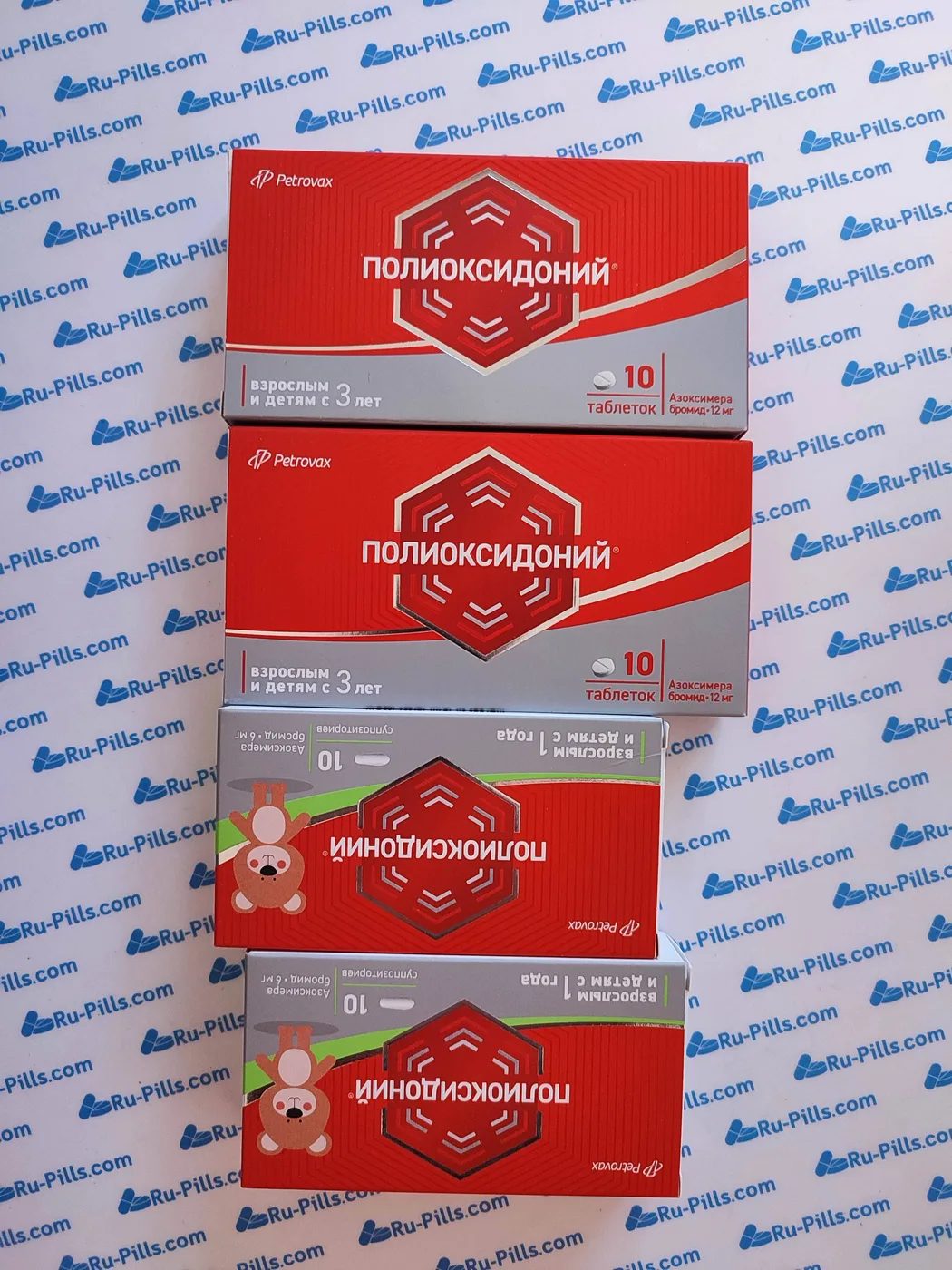 Real customer parcel
03
To 120+ countries. Most parcels arrive in 7–18 days.

Ibandronic acid · film-coated tablets
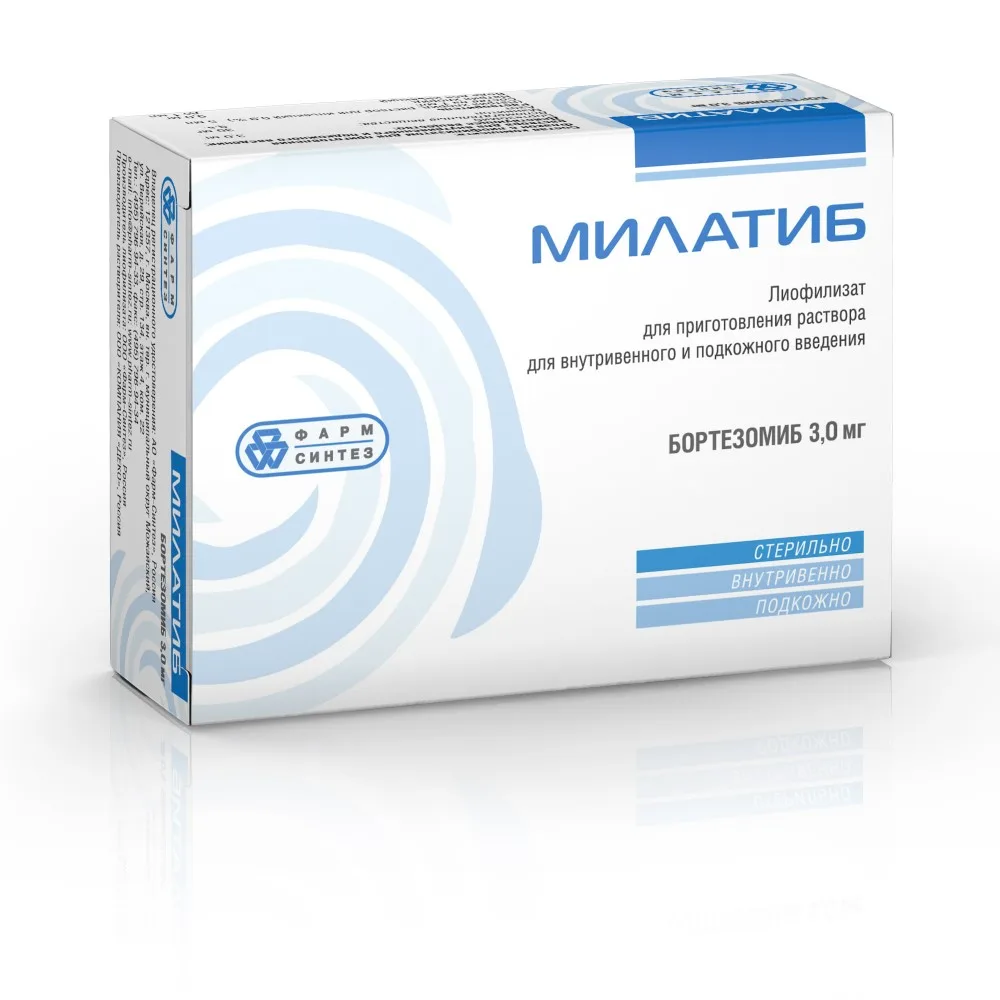
bortezomib · lyophilisate for preparing intravenous solution