01
Sourced
A licensed Russian pharmacy buys it for you.
No grey-market middlemen, no warehouses we can't audit. Retail purchase, on demand, against your order.

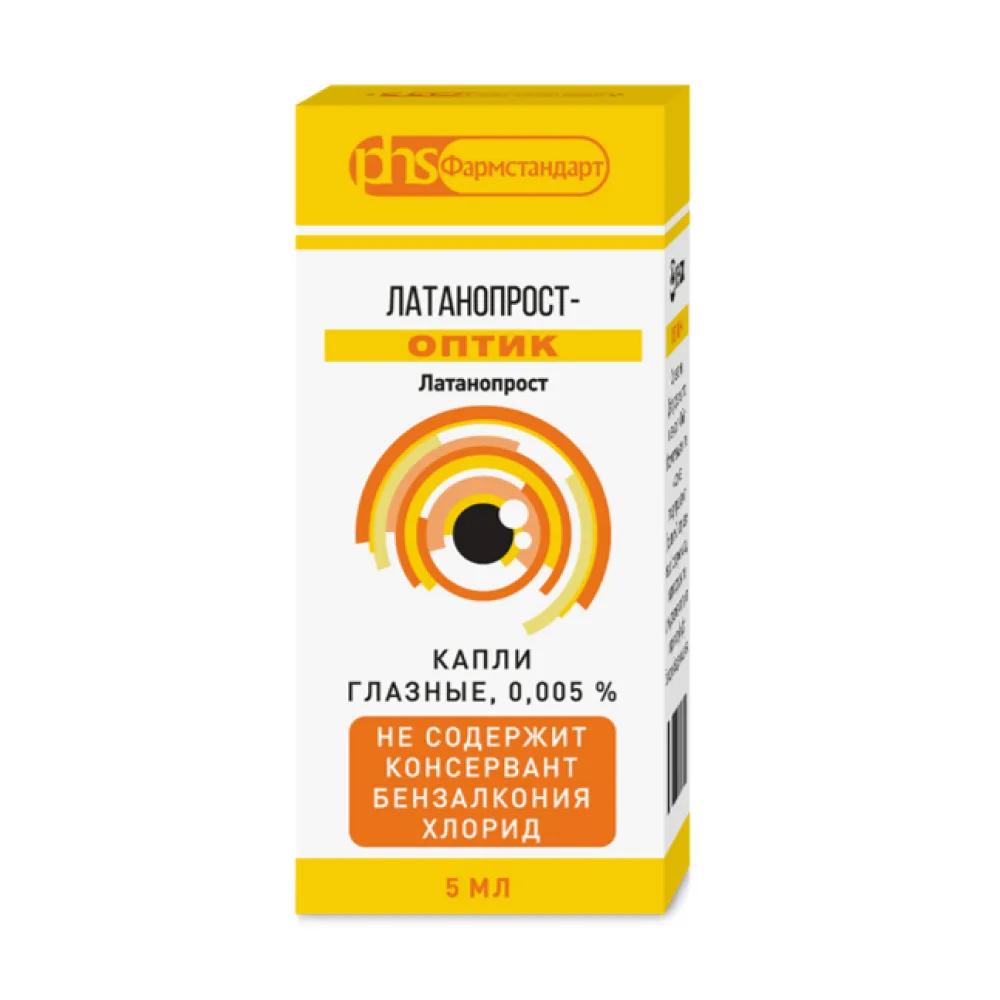 eye drops
Latanoprost
SKU 114707
Same active ingredient
Other products with Latanoprost
All packagings
Selected · use button above
Price
$12.76
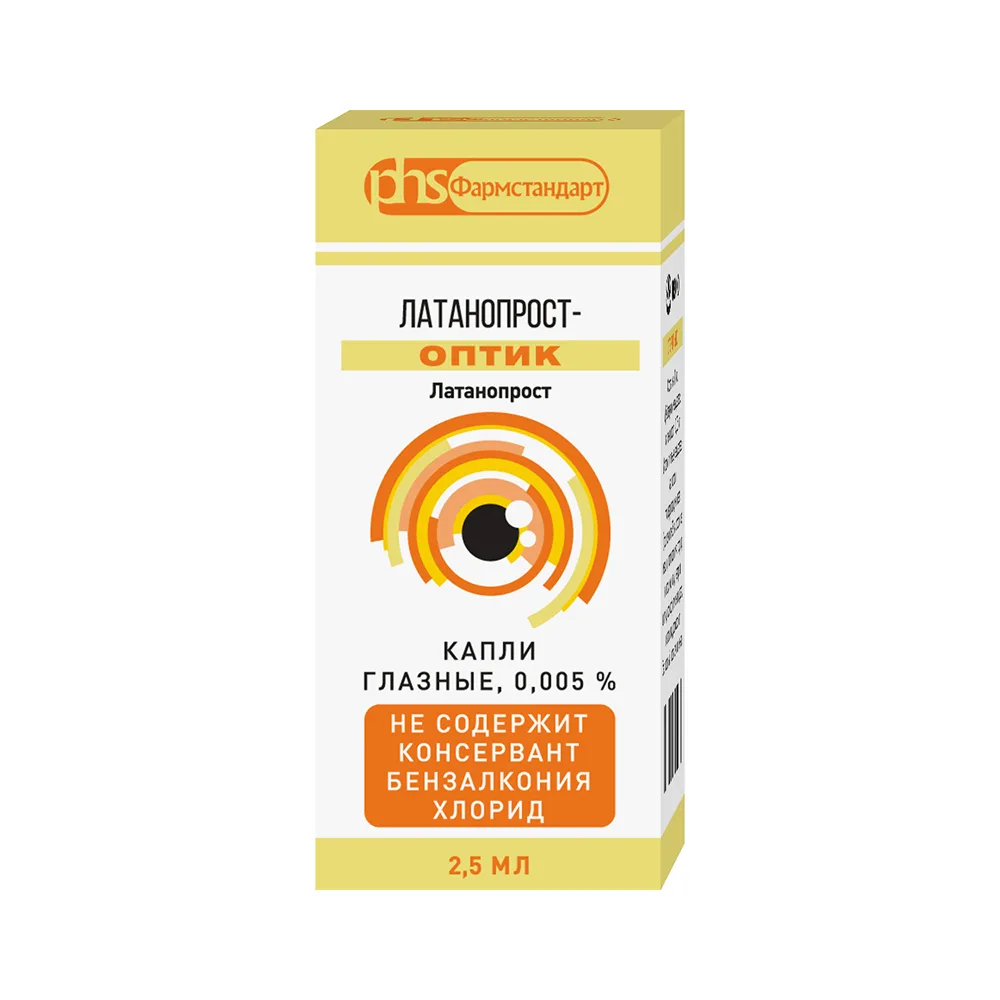
Cheapest option
Price
$10.40

Option 3 of 3
Price
$23.30
Manufacturer leaflet
Facts from the printed manufacturer leaflet. Sections vary by drug — we only show what's actually in the box.
Indications
Reduction of elevated intraocular pressure in adults and children (over 1 year of age) with open-angle glaucoma or increased ocular tension
Снижение повышенного внутриглазного давления у взрослых и детей (в возрасте старше 1 года) с открытоугольной глаукомой или повышенным офтальмотонусом
Method of application and doses
Locally.
Dosing regimen for adults (including the elderly)
One drop in the affected eye once a day. Optimal effect is achieved when the medication is used in the evening.
Instillation of the medication should not be performed more than once a day, as more frequent administration has been shown to reduce the hypotensive effect.
If a dose is missed, treatment should continue according to the usual schedule. As with any eye drops, to reduce the possible systemic effect of the medication, it is recommended to press on the lower tear duct located at the inner corner of the eye on the lower eyelid for 1 minute immediately after instilling each drop. This procedure should be performed right after instillation.
Before instillation, contact lenses must be removed and can be reinserted no earlier than 15 minutes after administration (see also the section "Special instructions"). If other eye drops need to be used simultaneously, their application should be separated by a 5-minute interval.
Dosing regimen for children
Latanoprost is used in children at the same dose as in adults. Data on the use of the medication in premature infants (gestational age < 36 weeks) is lacking. Data in children < 1 year is very limited.
Местно.
Режим дозирования у взрослых (включая пожилых)
По одной капле в пораженный глаз (а) один раз в день. Оптимальный эффект достигается при применении препарата вечером.
Не следует осуществлять инстилляцию препарата чаще, чем 1 раз в день, поскольку показано, что более частое введение снижает гипотензивный эффект.
При пропуске одной дозы лечение продолжают по обычной схеме. Как при применении любых глазных капель, с целью снижения возможного системного эффекта препарата, сразу после инстилляции каждой капли рекомендуется в течение 1 минуты надавливать на нижнюю слезную точку, расположенную у внутреннего угла глаза на нижнем веке. Эту процедуру необходимо выполнять непосредственно после инстилляции.
Перед инстилляцией необходимо снять контактные линзы и установить их не раньше, чем через 15 минут после введения (см. также раздел "Особые указания"). Если одновременно необходимо применять другие глазные капли, их применение следует разграничить 5-минутным интервалом
Режим дозирования у детей
Латанопрост применяют у детей в той же дозе, что и у взрослых. Данные о применении препарата у недоношенных (гестационный возраст < 36 недель) отсутствуют. Данные у детей < 1 года сильно ограничены.
Composition
Composition per 1 ml.
Active ingredient: latanoprost - 0.05 mg.
Excipients:
glycerol ricinoleate macrogol (polyoxyl-35-castor oil) - 0.40 mg, polydronium chloride - 0.025 mg, sodium chloride - 4.10 mg, sodium dihydrogen phosphate monohydrate - 4.60 mg, anhydrous sodium phosphate - 4.74 mg, purified water - up to 1.0 ml.
Description of the dosage form
Clear colorless liquid
Состав на 1 мл.
Действующее вещество: латанопрост - 0,05 мг.
Вспомогательные вещества:
макрогола глицерилрицинолеат (полиоксил-35-касторовое масло) -0,40 мг, полидрония хлорид - 0,025 мг, натрия хлорид - 4,10 мг, натрия дигидрофосфат моногидрат - 4,60 мг, натрия гидрофосфат безводный- 4,74 мг, вода очищенная - до 1,0 мл.
Прозрачная бесцветная жидкость
Contraindications
Increased sensitivity to latanoprost or other components of the drug. Age under 1 year (efficacy and safety not established).
With caution
Aphakia, pseudoaphakia with rupture of the posterior capsule of the lens; patients with risk factors for macular edema (cases of macular edema, including cystoid, have been reported during treatment with latanoprost); inflammatory, neovascular glaucoma (due to lack of sufficient experience with the drug); bronchial asthma; history of herpetic keratitis.
The use of the drug should be avoided in patients with active herpetic keratitis and recurrent herpetic keratitis, especially associated with the use of prostaglandin F2α analogs. The drug should be used with caution in patients with risk factors for the development of iritis/uveitis. There is limited data on the use of the drug in patients scheduled for cataract surgery. Therefore, in this group of patients, the drug should be used with caution.
Section: Special Instructions
Latanoprost may gradually change the color of the eyes due to an increase in the brown pigment content in the iris. Patients should be informed about the possible irreversible change in eye color before starting treatment. The use of the drug in one eye may cause irreversible heterochromia. Such changes in eye color have been predominantly noted in patients with unevenly colored irises, namely: brown-blue, gray-brown, yellow-brown, and green-brown. In studies of latanoprost, darkening typically began within the first 8 months of treatment, rarely during the second and third years, and was not observed after four years of treatment. The progression of iris pigmentation decreased over time and stabilized after 5 years. Data on the enhancement of pigmentation over 5 years is lacking. In an open 5-year safety study of latanoprost, 33% of patients developed iris pigmentation (see the "Side Effects" section). In most cases, the change in iris color was minor and often clinically undetectable. The incidence ranged from 7 to 85% in patients with irises of different colors, predominating in patients with yellow-brown irises. Changes in patients with uniformly colored blue irises were not observed; in rare cases, changes were noted in uniformly colored gray, green, and brown irises. The change in eye color is due to an increase in melanin content in the stromal melanocytes of the iris, rather than an increase in the number of melanocytes themselves. In typical cases, brown pigmentation appears around the pupil and concentrically spreads to the periphery of the iris. As a result, the entire iris or parts of it acquire a brown color. After discontinuation of therapy, further pigmentation was not observed. According to available clinical data, the change in color was not associated with any symptoms or pathological disorders. The drug does not affect nevi and lentigines of the iris. According to the results of 5-year clinical studies, no accumulation of pigment in the scleral-corneal trabecular meshwork or other parts of the anterior chamber of the eye was noted. It has been shown that darkening of the iris does not lead to undesirable clinical consequences, so the use of latanoprost can continue in the event of such darkening. However, such patients should be under regular observation, and depending on the clinical situation, treatment may be discontinued. Experience with the use of latanoprost in the treatment of angle-closure and congenital glaucoma, pigmentary glaucoma, and open-angle glaucoma in patients with pseudoaphakia is limited. There is no information on the use of latanoprost in the treatment of secondary glaucoma due to inflammatory eye diseases and neovascular glaucoma. Latanoprost does not affect pupil size. Due to limited information on the use of latanoprost in the postoperative period following cataract extraction, caution should be exercised when using the drug in this category of patients. Caution should be exercised when using latanoprost in patients with a history of herpetic keratitis. In cases of acute herpetic keratitis, as well as in the presence of anamnesis of chronic recurrent herpetic keratitis, latanoprost should be avoided. Macular edema, including cystoid edema, has been noted during latanoprost therapy primarily in patients with aphakia, pseudoaphakia, posterior capsule rupture of the lens, or in patients with risk factors for developing cystoid macular edema (particularly in diabetic retinopathy and retinal vein occlusion). Caution should be exercised when using latanoprost in patients with aphakia, pseudoaphakia with posterior capsule rupture, or anterior chamber intraocular lenses, as well as in patients with known risk factors for cystoid macular edema. Caution should be exercised when using latanoprost in patients with risk factors for developing iritis/uveitis. Experience with the use of latanoprost in patients with bronchial asthma is limited, but in some cases, exacerbations of asthma and/or the appearance of shortness of breath have been noted during the post-registration period. Caution should be exercised when using latanoprost in this category of patients (see also the "Side Effects" section). Cases of darkening of the skin in the periorbital area have been noted, which in some patients were reversible with continued latanoprost therapy. Latanoprost may cause gradual changes in eyelashes and vellus hair, such as lengthening, thickening, increased pigmentation, increased density, and changes in the direction of eyelash growth. Changes in eyelashes were reversible and resolved after discontinuation of therapy. Latanoprost-Optic contains benzalkonium chloride, which is often used as a preservative in ophthalmic medications. Benzalkonium chloride may cause eye irritation, punctate keratopathy, and/or toxic ulcerative keratopathy, as well as be absorbed by soft contact lenses and discolor them. Careful monitoring of patients with "dry eye" syndrome or other corneal diseases is required during prolonged use of latanoprost. Contact lenses should be removed before using the drug and reinserted no earlier than 15 minutes after instillation (see also the "Method of Administration and Dosage" section). Children Information on the efficacy and safety of latanoprost in children under one year of age is limited. There is no experience with the drug in premature infants (gestational age less than 36 weeks). Data on the safety of long-term use of latanoprost in children is lacking. In cases of primary congenital glaucoma in children aged 0 to 3 years, the standard method of treatment remains surgical intervention (goniotomy/trabeculotomy).
Повышенная чувствительность к латанопросту или другим компонентам препарата. Возраст до 1 года (эффективность и безопасность не установлены).
С осторожностью
Афакия, псевдоафакия с разрывом задней капсулы хрусталика; пациенты с факторами риска макулярного отека (при лечении латанопростом описаны случаи развития макулярного отека, в том числе цистоидного); воспалительная, неоваскулярная глаукома (из-за отсутствия достаточного опыта применения препарата); бронхиальная астма; герпетический кератит в анамнезе.
Следует избегать применения препарата у пациентов с активной формой герпетического кератита и рецидивирующим герпетическим кератитом, особенно связанным с приемом аналогов простагландина F2α. Препарат следует применять с осторожностью у пациентов с факторами риска развития ирита/увеита. Существуют ограниченные данные о применении препарата у пациентов, которым планируется оперативное вмешательство по поводу катаракты. В связи с этим у данной группы больных препарат необходимо применять с осторожностью.
Латанопрост может постепенно изменить цвет глаз за счет увеличения содержания коричневого пигмента в радужке. До начала лечения пациентов следует проинформировать о возможном необратимом изменении цвета глаз. Применение лекарственного препарата на одном глазу может вызвать необратимую гетерохромию. Такое изменение цвета глаз преимущественно отмечалось у пациентов с неравномерно окрашенными радужками, а именно: каре-голубыми, серо-карими, желто-карими и зелено-карими. В исследованиях латанопроста потемнение, как правило, начиналось в течение первых 8 месяцев лечения, редко - в течение второго и третьего года и не отмечалось по истечении четырех лет лечения.
Прогрессирование пигментации радужки снижалось со временем и стабилизировалось через 5 лет. Данные об усилении пигментации в течение 5 лет отсутствуют. В открытом 5-летнем исследовании безопасности латанопроста у 33 % пациентов развивалась пигментация радужки (см. раздел "Побочное действие"). В большинстве случаев изменение цвета радужки было незначительным и, зачастую, клинически не выявлялось. Частота встречаемости колебалась от 7 до 85 % у пациентов с неодинакового цвета радужками, преобладая у пациентов с желто-карими радужками. Изменения у пациентов с равномерно окрашенными радужками голубого цвета не наблюдались, в редких случаях изменения отмечались при равномерно окрашенных радужках серого, зеленого и карего цветов.
Изменение цвета глаз обусловлено увеличением содержания меланина в стромальных меланоцитах радужки, а не увеличением числа самих меланоцитов. В типичных случаях коричневая пигментация появляется вокруг зрачка и концентрически распространяется на периферию радужки. При этом вся радужка или ее части приобретают карий цвет. После отмены терапии дальнейшая пигментация не отмечалась. По имеющимся клиническим данным изменение цвета не было связано с какими-либо симптомами или патологическими нарушениями.
Препарат не оказывает влияния на невусы и лентиго радужной оболочки. Согласно результатам 5-летних клинических исследований, накопления пигмента в склеророговичной трабекулярной сети или иных отделах передней камеры глаза не отмечено. Показано, что потемнение радужки не приводит к нежелательным клиническим последствиям, поэтому применение латанопроста при возникновении такого потемнения можно продолжить. Тем не менее, такие пациенты должны находиться под регулярным наблюдением и, в зависимости от клинической ситуации, лечение может быть прекращено.
Опыт применения латанопроста в терапии закрытоугольной и врожденной глаукомы, пигментной глаукомы, открытоугольной глаукомы у пациентов с псевдоафакией ограничен.
Отсутствуют сведения о применении латанопроста в лечении вторичной глаукомы вследствие воспалительных заболеваний глаз и неоваскулярной глаукомы.
Латанопрост не оказывает влияния на величину зрачка.
В связи с тем, что сведения о применении латанопроста в послеоперационном периоде экстракции катаракты ограничены, следует соблюдать осторожность при применении препарата у этой категории пациентов.
Следует соблюдать осторожность при применении латанопроста пациентами с герпетическим кератитом в анамнезе. При остром герпетическом кератите, а также в случае наличия анамнестических сведений о хроническом рецидивирующем герпетическом кератите, необходимо избегать назначения латанопроста.
Макулярный отек, в том числе кистозный, отмечался в период терапии латанопростом преимущественно у пациентов с афакией, псевдоафакией, разрывом задней капсулы хрусталика, или у пациентов с факторами риска развития кистозного макулярного отека (в частности, при диабетической ретинопатии и окклюзии вен сетчатки). Следует соблюдать осторожность при применении латанопроста пациентами с афакией, псевдоафакией с разрывом задней капсулы или переднекамерными интраокулярными линзами, а также пациентами с известными факторами риска кистозного отека макулы.
Следует соблюдать осторожность при применении латанопроста пациентами с факторами риска развития ирита/увеита.
Опыт применения латанопроста пациентами с бронхиальной астмой ограничен, но в ряде случаев в пострегистрационном периоде отмечались обострение течения астмы и/или появления одышки. Следует соблюдать осторожность при применении латанопроста у этой категории пациентов (см. также раздел "Побочное действие"). Отмечались случаи потемнения кожи периорбитальной области, которые у ряда пациентов носили обратимый характер при продолжении терапии латанопростом.
Латанопрост может вызывать постепенные изменения ресниц и пушковых волос, такие как удлинение, утолщение, усиление пигментации, увеличение густоты и изменение направления роста ресниц. Изменения ресниц были обратимы и проходили после прекращения терапии.
Латанопрост-Оптик содержит бензалкония хлорид, часто используемый в качестве консерванта в офтальмологических лекарственных препаратах. Бензалкония хлорид может вызывать раздражения глаз, точечную кератопатию и/или токсическую язвенную кератопатию, а также абсорбироваться мягкими контактными линзами и обесцвечивать их. Требуется тщательный мониторинг состояния пациентов с синдромом "сухого" глаза или других заболеваний роговицы при длительном применении латанопроста. Перед применением препарата необходимо снять контактные линзы и снова установить их не ранее чем через 15 минут после инстилляции (см. также раздел "Способ применения и дозы").
Дети
Сведения об эффективности и безопасности применения латанопроста у детей младше года ограничены. Отсутствует опыт применения препарата у недоношенных детей (гестационный возраст менее 36 недель).
Сведения о безопасности долгосрочного применения латанопроста у детей отсутствуют. При первичной врожденной глаукоме у детей от 0 до 3 лет стандартным методом лечения остается хирургическое вмешательство (гониотомия/трабекулотомия).
Section: Side Effects
Most adverse reactions were noted from the visual organ. In an open 5-year safety study, 33% developed pigmentation of the iris (see "Special Instructions" section). Other adverse reactions from the visual organ are generally transient and are noted immediately after instillation. The grading of adverse reactions by frequency of occurrence was as follows: very common (≥1/10); common (≥1/100,
Section: Overdose
In addition to irritation of the mucous membrane of the eyes, hyperemia of the conjunctiva or episclera, other undesirable changes in the visual organ due to an overdose of latanoprost are not known. In the case of accidental ingestion of latanoprost, the following information should be considered: one bottle containing 2.5 ml of solution contains 125 mcg of latanoprost. More than 90% of the drug is metabolized on the first pass through the liver. An intravenous infusion at a dose of 3 mcg/kg in healthy volunteers did not cause any symptoms; however, doses of 5.5-10 mcg/kg resulted in nausea, abdominal pain, dizziness, fatigue, flushing, and sweating. In patients with moderate bronchial asthma, the administration of latanoprost in the eyes at a dose 7 times higher than the therapeutic dose did not cause bronchospasm. In case of overdose, symptomatic treatment is carried out.
Interaction
When two analogs of prostaglandins are instilled in the eyes simultaneously, a paradoxical increase in intraocular pressure has been reported; therefore, the simultaneous use of two or more prostaglandins, their analogs, or derivatives is not recommended.
Pharmaceutically incompatible with eye drops containing thimerosal - precipitation.
Большинство нежелательных реакций отмечались со стороны органа зрения. В открытом 5-летнем исследовании безопасности у 33 % развилась пигментация радужной оболочки (см. раздел "Особые указания"). Прочие нежелательные реакции со стороны органа зрения, как правило, транзиторны и отмечаются непосредственно после инстилляции. Градация нежелательных реакций по частоте встречаемости осуществлялась следующим образом: очень часто (≥1/10); часто (≥1/100,
Помимо раздражения слизистой оболочки глаз, гиперемии конъюнктивы или эписклеры, другие нежелательные изменения со стороны органа зрения при передозировке латанопроста не известны.
При случайном приеме латанопроста внутрь следует учитывать следующую информацию: один флакон с 2,5 мл раствора содержит 125 мкг латанопроста. Более 90 % препарата метаболизируется при первом прохождении через печень. Внутривенная инфузия в дозе 3 мкг/кг у здоровых добровольцев не вызывала каких-либо симптомов, однако при введении дозы 5,5-10 мкг/кг наблюдались тошнота, боль в животе, головокружение, утомляемость, приливы и потливость. У больных бронхиальной астмой средней степени тяжести введение латанопроста в глаза в дозе, в 7 раз превышающей терапевтическую, не вызывало бронхоспазма.
В случае передозировки проводят симптоматическое лечение
При одновременном закапывании в глаза двух аналогов простагландинов описано парадоксальное повышение ВГД, поэтому одновременное применение двух и более простагландинов, их аналогов или производных не рекомендуется.
Фармацевтически несовместим с глазными каплями, содержащими тиомерсал - преципитация
Pharmacodynamics
Latanoprost, a prostaglandin F2α analog, is a selective agonist of FP (prostaglandin F) receptors and reduces intraocular pressure (IOP) by increasing the outflow of aqueous humor, primarily through the uveoscleral pathway, as well as through the trabecular meshwork. The reduction in IOP begins approximately 3-4 hours after administration of the drug, with maximum effect observed after 8-12 hours, and the action lasts for at least 24 hours. It has been established that latanoprost does not have a significant effect on the production of aqueous humor or on the blood-ocular barrier. When used in therapeutic doses, latanoprost does not have a significant pharmacological effect on the cardiovascular and respiratory systems.
Pharmacokinetics
Latanoprost (molecular weight 432.58) is a prodrug, esterified with an isopropyl group, and is inactive; after hydrolysis to the acid form, it becomes biologically active.
Absorption
The prodrug is well absorbed through the cornea and is completely hydrolyzed upon entering the aqueous humor.
Distribution
Studies in humans have shown that the maximum concentration in the aqueous humor is reached 2 hours after instillation. After instillation in monkeys, latanoprost is predominantly distributed in the anterior chamber of the eye, conjunctiva, and eyelids. Only a small amount of latanoprost reaches the posterior chamber of the eye.
Biotransformation
The active form of latanoprost is practically not metabolized in the eye, but is subject to biotransformation in the liver.
Excretion
The half-life in plasma is 17 minutes.
Animal studies have shown that the main metabolites (1,2-dinor- and 1,2,3,4-tetranor metabolites) have no (or low) biological activity and are primarily excreted in the urine.
Children
The exposure to latanoprost is approximately 2 times higher in children aged 3 to 12 years compared to adult patients and 6 times higher in children under 3 years of age.
However, the safety profile of the drug is not different between children and adults. The time to reach the maximum concentration of latanoprost acid in plasma is 5 minutes for all age groups. The half-life of latanoprost acid in children is the same as in adults. There is no accumulation of latanoprost acid in plasma at steady-state concentration.
Латанопрост - аналог простагландина F2α - является селективным агонистом рецепторов FP (простагландина F) и снижает внутриглазное давление (ВГД) за счет увеличения оттока водянистой влаги, главным образом увеосклеральным путем, а также через трабекулярную сеть. Снижение ВГД начинается приблизительно через 3-4 ч после введения препарата, максимальный эффект наблюдается через 8-12 ч, действие сохраняется в течение не менее 24 ч.
Установлено, что латанопрост не оказывает существенного влияния на продукцию водянистой влаги и на гематоофтальмический барьер.
При применении в терапевтических дозах латанопрост не оказывает значимого фармакологического эффекта на сердечно-сосудистую и дыхательную системы
Латанопрост (молекулярная масса 432,58) представляет собой пролекарство, этерифицированное изопропиловой группой, неактивен; после гидролиза до кислотной формы становится биологически активным
Всасывание
Пролекарство хорошо всасывается через роговицу и полностью гидролизуется при попадании в водянистую влагу.
Распределение
Исследования у человека показали, что максимальная концентрация в водянистой влаге достигается через 2 ч после инстилляции. После инстилляции обезьянам латанопрост распределяется преимущественно в передней камере глаза, конъюнктиве и веках. Лишь небольшое количество латанопроста достигает задней камеры глаза.
Биотрансформация
Активная форма латанопроста практически не метаболизируется в глазу, однако подвергается биотрансформации в печени.
Выведение
Период полувыведения из плазмы составляет 17 минут.
Исследования на животных показали, что основные метаболиты (1,2-динор- и 1,2,3,4-тетранорметаболиты) не обладают (или обладают низкой) биологической активностью и выводятся преимущественно с мочой.
Дети
Экспозиция латанопроста приблизительно в 2 раза выше у детей в возрасте от 3 до 12 лет по сравнению с взрослыми пациентами и в 6 раз выше у детей в возрасте младше 3 лет.
Однако профиль безопасности препарата не отличается у детей и взрослых. Время достижения максимальной концентрации кислоты латанопроста в плазме крови составляет 5 минут для всех возрастных групп. Период полувыведения кислоты латанопроста у детей такой же, как и у взрослых. В равновесной концентрации не происходит кумуляции кислоты латанопроста в плазме крови.
Storage conditions
Opened dropper bottle should be stored for no more than 30 days at a temperature not exceeding 25 °C
Вскрытый флакон-капельницу хранить не более 30 суток при температуре не выше 25 °С
RU name Латанопрост-оптик 0,005% 1 шт. флакон капли глазные 5 мл
How we fulfill
Three checkpoints between the pharmacy shelf and your door. You see every one.
01
No grey-market middlemen, no warehouses we can't audit. Retail purchase, on demand, against your order.
02
A photo of your actual parcel in its original retail packaging lands in your inbox before it ships. Like this →
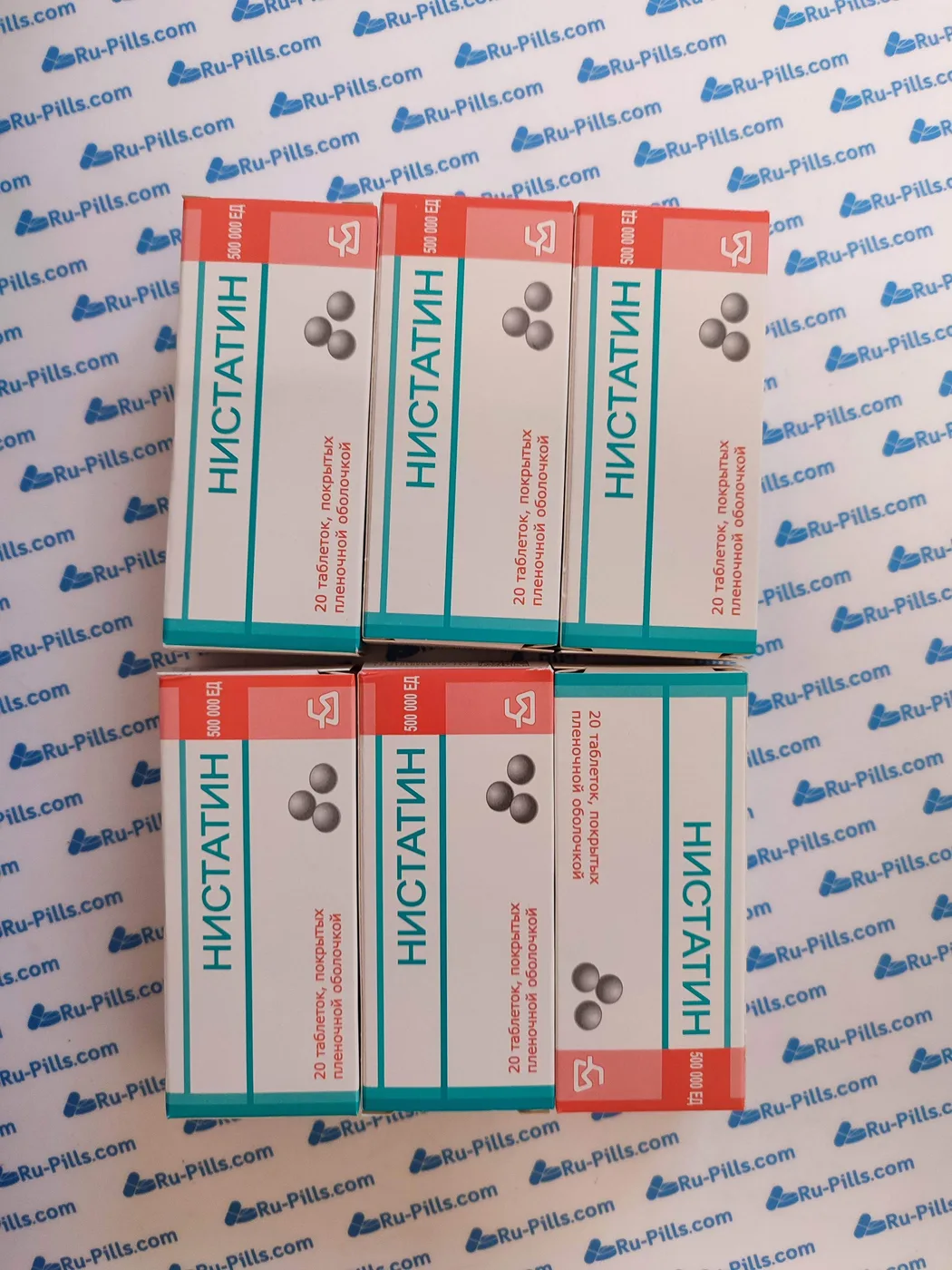 Real customer parcel
03
To 120+ countries. Most parcels arrive in 7–18 days.
Latanoprost · eye drops
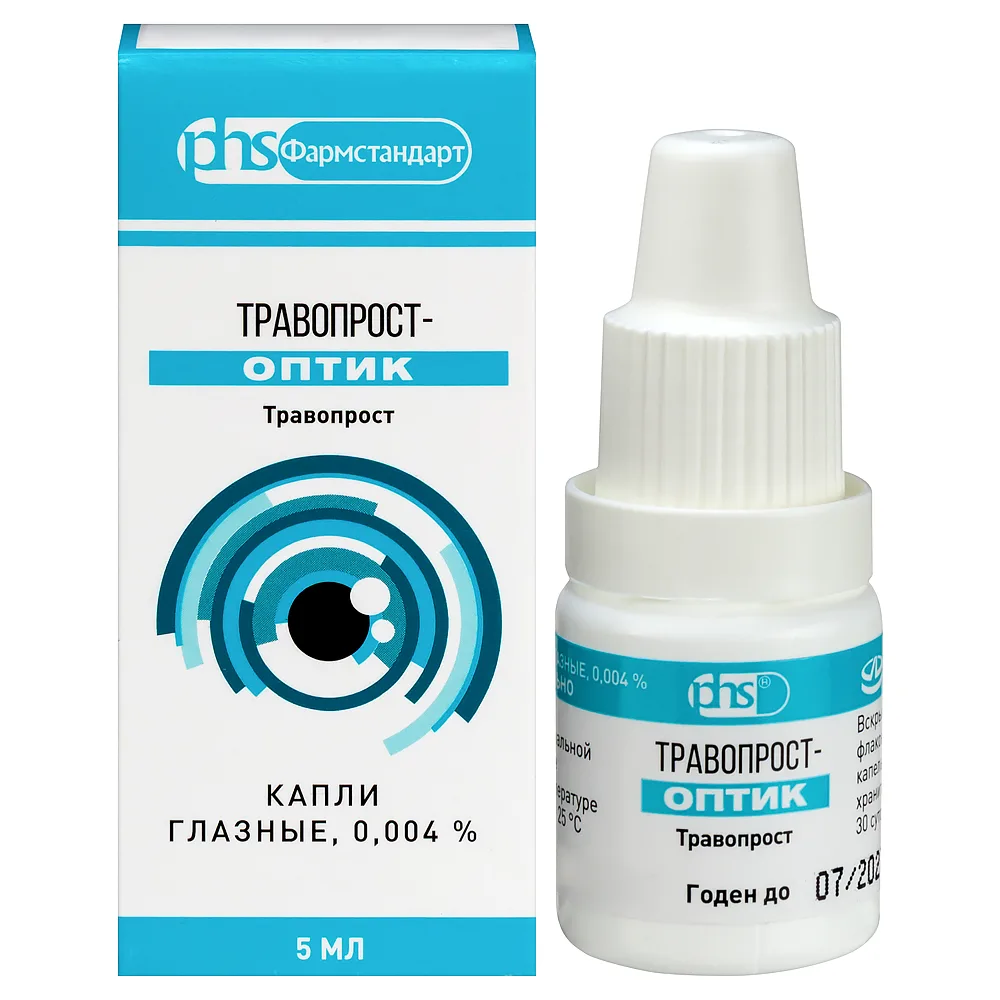
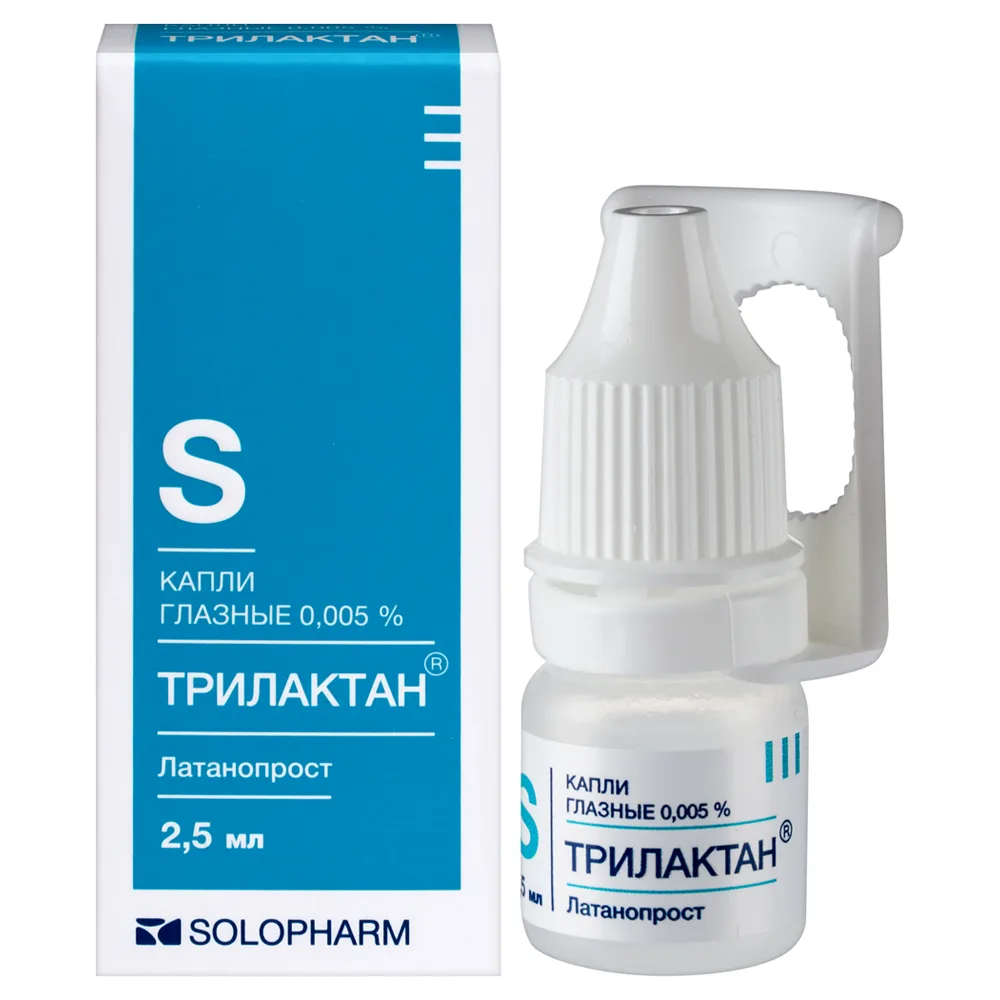
Latanoprost · eye drops

Latanoprost · eye drops

Sodium oxodihydroacridinylacetate · solution for intramuscular administration
Latanoprost · eye drops