01
Sourced
A licensed Russian pharmacy buys it for you.
No grey-market middlemen, no warehouses we can't audit. Retail purchase, on demand, against your order.

 eye drops
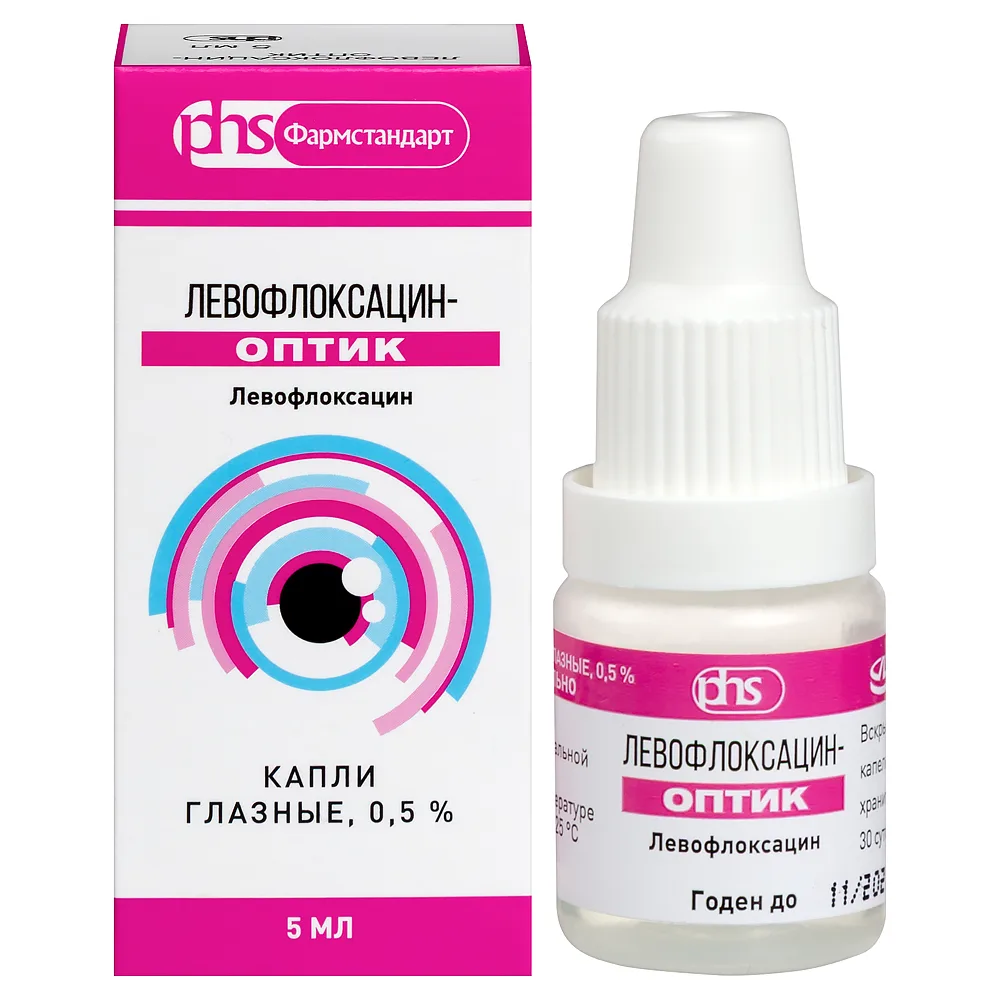
Levofloxacin
SKU 112060
Same active ingredient
Other products with Levofloxacin
Manufacturer leaflet
Facts from the printed manufacturer leaflet. Sections vary by drug — we only show what's actually in the box.
- Treatment of superficial bacterial eye infections caused by sensitive microorganisms in adults and children over 1 year of age.
- Prevention of complications after surgical and laser procedures on the eye.
- Лечение поверхностных бактериальных инфекций глаза, вызванных чувствительными микроорганизмами, у взрослых и детей старше 1 года.
- Профилактика осложнений после хирургических и лазерных операций на глазу.
Locally, in the affected eye(s).
The duration of the treatment course is determined by the severity of the condition, its clinical and bacteriological characteristics. The average duration of therapy is 5 days.
Instill 1-2 drops in the affected eye(s) every two hours, up to 8 times a day during waking hours for the first 2 days, then 4 times a day from days 3 to 5.
When using multiple medications, the interval between instillations should be at least 15 minutes.
Местно, в пораженный глаз (а).
Длительность курса лечения определяется тяжестью состояния, его клиническими и бактериологическими особенностями. Средняя продолжительность курса терапии составляет 5 дней.
По 1-2 капле в пораженный глаз(а) каждые два часа до 8 раз в сутки в период бодрствования в течение первых 2 суток, затем 4 раза в сутки с 3 по 5-й дни.
При применении нескольких лекарственных препаратов интервал между их инстилляциями должен составлять не менее 15 минут.
1 ml contains:
Active ingredient:
levofloxacin hemihydrate - 5.12 mg calculated as levofloxacin - 5.00 mg
Excipients:
sodium chloride - 9.00 mg, benzalkonium chloride calculated as dry substance - 0.05 mg, 1 M hydrochloric acid solution or 1 M sodium hydroxide solution - to pH 6.0-7.0, purified water - to 1.0 ml.
A clear liquid of yellow or yellow-green color.
1 мл содержит:
Действующее вещество:
левофлоксацина гемигидрат - 5,12 мг в пересчете на левофлоксацин - 5,00 мг
Вспомогательные вещества:
натрия хлорид - 9,00 мг, бензалкония хлорид в пересчете на сухое вещество - 0,05 мг, 1 М раствор хлористоводородной кислоты или 1 М раствор натрия гидроксида - до рН 6,0-7,0, вода очищенная - до 1,0 мл.
Прозрачная жидкость желтого или зеленовато-желтого цвета.
Hypersensitivity to levofloxacin or to any component of the medicinal product, as well as to other quinolones.
With caution
Child age
Use during pregnancy and breastfeeding
Pregnancy
There is insufficient data on the use of levofloxacin in pregnant women. Results of preclinical studies do not indicate a direct or indirect adverse effect regarding toxic effects on reproductive function and intrauterine development. The potential risk of the drug for humans is unknown. Levofloxacin eye drops may be used during pregnancy if the potential benefit to the mother outweighs any possible risk to the fetus.
Breastfeeding
Levofloxacin is excreted in breast milk. However, when levofloxacin is used in therapeutic doses, no effects on the breastfed child are expected. Levofloxacin eye drops may be used during breastfeeding if the potential benefit to the mother outweighs any possible risk to the breastfed child.
Fertility
After local application, levofloxacin did not cause a deterioration in fertility in rats at exposures significantly exceeding the maximum human dose.
The medication should not be administered subconjunctivally or into the anterior chamber of the eye.
The medication should not be used while wearing hydrophilic (soft) contact lenses due to the presence of the preservative benzalkonium chloride, which may be absorbed by contact lenses and adversely affect eye tissues, as well as cause discoloration of contact lenses.
To avoid contamination of the dropper tip and the solution, do not touch the eyelids and surrounding tissues while instilling.
With prolonged treatment with levofloxacin (as with other antibiotics), there is a possibility of excessive growth of resistant microorganisms, including fungal flora.
In case of worsening of the condition or lack of improvement with levofloxacin, therapy with levofloxacin should be discontinued and switched to antibacterial therapy with other groups, accompanied by a comprehensive ophthalmological examination, including biomicroscopy and fluorescein testing. There is no information on the efficacy and safety of levofloxacin in the treatment of corneal ulcers.
During clinical trials, the formation of corneal precipitates was not observed.
Effect on the ability to drive vehicles and operate machinery
The medication does not have a significant effect on the ability to drive vehicles or operate machinery. Immediately after instillation, temporary blurred vision may occur. It is not recommended to drive vehicles or engage in other potentially dangerous activities that require increased attention and quick psychomotor reactions until visual clarity is restored.
Гиперчувствительность к левофлоксацину или к любому из компонентов лекарственного препарата, а также к другим хинолонам.
С осторожностью
Детский возраст
Применение при беременности и в период грудного вскармливания
Беременность
Нет достаточных данных об использовании левофлоксацина у беременных женщин. Результаты доклинических исследований не указывают на прямой или косвенный неблагоприятный эффект в отношении токсического воздействия на репродуктивную функцию и внутриутробное развитие. Потенциальный риск препарата для людей неизвестен. Глазные капли левофлоксацин можно применять во время беременности, если потенциальная польза для матери превышает возможный риск для плода.
Период грудного вскармливания
Левофлоксацин поступает в грудное молоко. Однако, при использовании левофлоксацина в терапевтических дозах, воздействий на грудного ребенка не ожидается. Глазные капли левофлоксацин можно применять во время кормления грудью, если потенциальная польза для матери превышает любой возможный риск для грудного ребенка.
Фертильность
После местного применения левофлоксацин не вызывал ухудшения фертильности у крыс при воздействии, значительно превышающем максимальную дозу для человека.
Препарат нельзя вводить субконъюнктивально и в переднюю камеру глаза.
Препарат не следует применять во время ношения гидрофильных (мягких) контактных линз в связи с наличием в нем консерванта бензалкония хлорида, который может абсорбироваться контактными линзами и оказывать неблагоприятное воздействие на ткани глаза, а также вызывать изменение цвета контактных линз.
Чтобы избежать загрязнения кончика капельницы и раствора, при закапывании не следует прикасаться к векам и тканям вокруг глаз.
При длительном лечении левофлоксацином (как и другими антибиотиками) возможен избыточный рост нечувствительных микроорганизмов, в том числе грибковой флоры.
В случае ухудшения течения заболевания или отсутствия улучшения при применении левофлоксацина, необходимо отменить терапию левофлоксацином и перейти на терапию антибактериальными препаратами других групп, с проведением расширенного офтальмо-логического обследования, включающего биомикроскопию и флюоресцеиновый тест. Сведения об эффективности и безопасности применения левофлоксацина в терапии язв роговицы отсутствуют.
В ходе клинических исследований не отмечено образования преципитатов роговицы.
Влияние на способность управлять транспортными средствами и механизмами
Препарат не оказывает существенного влияния на способность управлять транспортными средствами, механизмами. Непосредственно после инстилляции возможно временное затуманивание зрения. Не рекомендуется управлять транспортными средствами и заниматься другими потенциально опасными видами деятельности, требующими повышенной концентрации внимания и быстроты психомоторных реакций, до восстановления четкости зрительного восприятия.
The frequency of adverse reactions during levofloxacin therapy was approximately 10%. Most often, the severity of adverse reactions ranged from mild to moderate; adverse reactions were predominantly observed in the visual system. Information on adverse events was obtained during clinical trials and post-marketing use.
Disorders of the immune system:
Rare (>1/10,000,
The total amount of levofloxacin contained in one bottle of eye drops is too small to cause toxic reactions even after accidental ingestion. After local application of an excessive dose of the drug, the eyes should be rinsed with clean (tap) water at room temperature.
No specific studies on drug interactions have been conducted. Since the maximum concentration of levofloxacin in plasma after local application in the eye is at least 1000 times lower than after taking standard oral doses, interactions with other medications typical of systemic use are likely to be clinically insignificant.
Частота встречаемости нежелательных реакций в ходе терапии левофлоксацином составила около 10 %. Чаще всего степень выраженности нежелательных реакций варьировала от легкой до средней степени тяжести; нежелательные реакции отмечались преимущественно со стороны органа зрения. Сведения о нежелательных явлениях получены в ходе клинических исследований и пострегистрационного применения.
Нарушения со стороны иммунной системы:
Редко (>1/10000, 1/1000, 1/100, 1/1000, 1/1000,
Общее количество левофлоксацина, содержащееся в одном флаконе глазных капель, слишком мало, чтобы вызвать токсические реакции даже после случайного приема внутрь. После местного применения избыточной дозы препарата глаз следует промыть чистой (водопроводной) водой комнатной температуры.
Специальных исследований по взаимодействию препарата не проводилось. Поскольку максимальная концентрация левофлоксацина в плазме после местного применения в глазу минимум в 1000 раз ниже, чем после приема стандартных доз внутрь, взаимодействие с другими лекарственными средствами, характерное для системного применения, скорее всего, клинически незначимо.
Levofloxacin is the L-isomer of the racemic drug substance ofloxacin. The antibacterial activity of ofloxacin primarily pertains to the L-isomer. As an antibacterial agent of the fluoroquinolone class, levofloxacin inhibits DNA gyrase (topoisomerase II) and topoisomerase IV, disrupts supercoiling and the ligation of DNA (deoxyribonucleic acid) breaks, suppresses DNA synthesis, and induces profound morphological changes in the cytoplasm, cell wall, and membranes.
Mechanism of Resistance Development
Resistance to levofloxacin can develop primarily through two main mechanisms: reduced intracellular concentration of the drug or changes in the drug's target sites. Changes in the targets—two bacterial enzymes, DNA gyrase and topoisomerase IV—are the result of mutations in chromosomal genes encoding DNA gyrase (gyrA and gyrB) and topoisomerase IV (parC and parE; grlA and grlB in Staphylococcus aureus). Drug resistance due to low intracellular concentration develops as a result of changes in the porin channel system of the outer membrane of the cell, leading to decreased fluoroquinolone uptake in Gram-negative bacteria, or from efflux pumps. Efflux-mediated resistance has been described in relation to pneumococci (PmrA), staphylococci (NorA), anaerobic and Gram-negative bacteria. Plasmid-mediated resistance to quinolones (defined based on the qnr gene) has been found in Klebsiella pneumoniae and Escherichia coli. Cross-resistance between fluoroquinolones may develop. Single mutations may not lead to clinical resistance, but multiple mutations cause clinical resistance to all drugs within the fluoroquinolone class. Altered porins of outer membranes and efflux systems may have broad substrate specificity, affecting several classes of antibacterial agents and leading to multidrug resistance.
In vitro efficacy has been established and confirmed in clinical studies against Gram-positive aerobes - Enterococcus faecalis, Staphylococcus aureus (methicillin-sensitive strains), Staphylococcus epidermidis (methicillin-sensitive strains), Staphylococcus saprophyticus, Streptococcus pneumoniae (including multidrug-resistant strains - MDRSP), Streptococcus pyogenes; Gram-negative aerobes - Enterobacter cloacae, Escherichia coli, Haemophilus influenzae, Haemophilus parainfluenzae, Klebsiella pneumoniae, Legionella pneumophila, Moraxella catarrhalis, Proteus mirabilis, Pseudomonas aeruginosa, Serratia marcescens, and other microorganisms - Chlamydia pneumoniae, Mycoplasma pneumoniae. For the majority (?90%) of strains of the following microorganisms, in vitro minimum inhibitory concentrations of levofloxacin (2 µg/ml or less) have been established; however, the efficacy and safety of clinical use of levofloxacin in the treatment of infections caused by these pathogens have not been established in adequate and well-controlled studies: Gram-positive aerobes - Staphylococcus haemolyticus, Streptococcus (group C/F), Streptococcus (group G), Streptococcus agalactiae, Streptococcus milleri, Streptococcus viridans; Gram-negative aerobes - Acinetobacter lwoffii, Acinetobacter baumannii, Bordetella pertussis, Citrobacter (diversus) koseri, Citrobacter freundii, Enterobacter aerogenes, Enterobacter sakazakii, Klebsiella oxytoca, Morganella morganii, Pantoea (Enterobacter) agglomerans, Proteus vulgaris, Providencia rettgeri, Providencia stuartii, Pseudomonas fluorescens; Gram-positive anaerobes - Clostridium perfringens.
Sensitive microorganisms: aerobic Gram-positive microorganisms - Corynebacterium diphtheriae, Enterococcus spp., including Enterococcus faecalis, Listeria monocytogenes, Staphylococcus spp. (coagulase-negative methicillin-sensitive/leukotoxin-producing/moderately sensitive strains), including Staphylococcus aureus (methicillin-sensitive strains), Staphylococcus epidermidis (methicillin-sensitive strains), Streptococcus spp. groups C and G, Streptococcus agalactiae, Streptococcus pneumoniae (penicillin-sensitive/moderately sensitive/resistant strains), Streptococcus pyogenes, Streptococcus spp. group viridans (penicillin-sensitive/resistant strains); aerobic Gram-negative microorganisms - Acinetobacter spp., including Acinetobacter baumannii, Acinetobacillus actinomycetemcomitans, Citrobacter freundii, Eikenella corrodens, Enterobacter spp., including Enterobacter aerogenes, Enterobacter agglomerans, Enterobacter cloacae, Escherichia coli, Gardnerella vaginalis, Haemophilus ducreyi, Haemophilus influenzae (ampicillin-sensitive/resistant strains), Haemophilus parainfluenzae, Helicobacter pylori, Klebsiella spp., including Klebsiella oxytoca, Klebsiella pneumoniae, Moraxella catarrhalis (beta-lactamase producing and non-producing strains), Morganella morganii, Neisseria gonorrhoeae (penicillinase producing and non-producing strains), Neisseria meningitidis, Pasteurella spp., including Pasteurella canis, Pasteurella dagmatis, Pasteurella multocida, Proteus vulgaris, Providencia spp., including Providencia rettgeri, Providencia stuartii, Pseudomonas spp., including Pseudomonas aeruginosa, Serratia spp., including Serratia marcescens, Salmonella spp.; anaerobic microorganisms - Bacteroides fragilis, Bifidobacterium spp., Clostridium perfringens, Fusobacterium spp., Peptostreptococcus spp., Propionibacterium spp., Veillonella spp.; other microorganisms - Bartonella spp., Chlamydia pneumoniae, Chlamydia psittaci, Chlamydia trachomatis, Legionella pneumophila, Legionella spp., Mycobacterium leprae, Mycobacterium tuberculosis, Mycoplasma hominis, Mycoplasma pneumoniae, Rickettsia spp., Ureaplasma urealyticum.
Moderately sensitive microorganisms (MIC greater than 4 mg/L): aerobic Gram-positive microorganisms - Corynebacterium urealyticum, Corynebacterium xerosis, Enterococcus faecium, Staphylococcus epidermidis (methicillin-resistant strains), Staphylococcus haemolyticus (methicillin-resistant strains); aerobic Gram-negative microorganisms - Burkholderia cepacia, Campylobacter jejuni, Campylobacter coli; anaerobic microorganisms - Bacteroides thetaiotaomicron, Bacteroides vulgatus, Bacteroides ovatus, Prevotella spp., Porphyromonas spp.
Resistant microorganisms (MIC greater than 8 mg/ml): aerobic Gram-positive microorganisms - Corynebacterium jeikeium, Staphylococcus aureus (methicillin-resistant strains), other Staphylococcus spp. (coagulase-negative methicillin-resistant strains); aerobic Gram-negative microorganisms - Alcaligenes xylosoxidans; other microorganisms - Mycobacterium avium.
Minimum inhibitory concentrations of levofloxacin for some microorganisms
Microorganism Sensitive, mg/ml Resistant, mg/ml
Pseudomonas spp. ?1 >2
Staphylococcus spp. ?1 >2
Streptococcus ?1 >2
Streptococcus pneumoniae ?1 >2
Haemophilus influenzae ?1 >1
Moraxella catarrhalis ?1 >2
The activity of levofloxacin in vitro is approximately twice that of ofloxacin against representatives of Enterobacteriaceae, Pseudomonas aeruginosa, and Gram-positive microorganisms.
In the case of using levofloxacin in the treatment of chlamydial diseases of the eyes, concomitant therapy is required.
The degree of sensitivity of microorganisms to levofloxacin may have significant geographical variations.
The maximum concentration of levofloxacin achieved with the use of 0.5% eye drops exceeds the minimum inhibitory concentration (MIC) of levofloxacin for sensitive microorganisms by more than 100 times.
After instillation in the eye, levofloxacin is well retained in the tear film.
The concentration of levofloxacin in the tear fluid after a single dose (1 drop) quickly reaches high levels and remains above the minimum inhibitory concentration for most sensitive ocular pathogens (less than or equal to 2 µg/ml) for at least 6 hours. Studies in healthy volunteers have shown that the average concentrations of levofloxacin in the tear film, measured 4 and 6 hours after local application, were 17.0 µg/ml and 6.6 µg/ml, respectively. In five out of six volunteers, levofloxacin concentrations were 2 µg/ml and above 4 hours after instillation. In four out of six volunteers, this concentration was maintained 6 hours after instillation. The average concentration of levofloxacin in plasma 1 hour after application ranged from 0.86 ng/ml on day 1 to 2.05 ng/ml. The maximum concentration of levofloxacin in plasma, which was 2.25 ng/ml, was observed on day 4 after two days of applying the drug every 2 hours up to 8 times a day. The maximum concentrations of levofloxacin reached on day 15 were more than 1000 times lower than those concentrations observed after oral administration of standard doses of levofloxacin.
Левофлоксацин - это L-изомер рацемической лекарственной субстанции офлоксацина.
Антибактериальная активность офлоксацина относится, главным образом, к L-изомеру. Как антибактериальный препарат класса фторхинолонов, левофлоксацин блокирует ДНК-гиразу (топоизомеразу II) и топоизомеразу IV, нарушает суперспирализацию и сшивку разрывов ДНК (дезоксирибонуклеиновой кислоты), подавляет синтез ДНК, вызывает глубокие морфологические изменения в цитоплазме, клеточной стенке и мембранах.
Механизм развития резистентности
Резистентность к левофлоксацину может развиваться, в первую очередь, по двум основным механизмам, а именно: снижение внутриклеточной концентрации препарата или изменения в мишенях действия препарата. Изменение мишеней - двух бактериальных ферментов ДНК-гиразы и топоизомеразы IV являются результатом мутаций в хромосомных генах, кодирующих ДНК-гиразу (gyrA и gyrB) и топоизомеразу IV (раrС и parE; grlA и grlB у Staphylococcus aureus). Устойчивость препарата вследствие низкой внутриклеточной концентрации развивается в результате изменения системы пориновых каналов наружной мембраны клетки, что приводит к уменьшению поступления фторхинолона в грамотрицательные бактерии, или от эффлюксных насосов. Эффлюкс-опосредованная устойчивость описана в отношении pneumococci (PmrA), staphylococci (NorA), анаэробных и грамотрицательных бактерий. Плазмид-опосредованная устойчивость к хинолонам (определенная на основе гена qnr) была обнаружена в отношении Klebsiella pneumoniae и Escherichia coli. Возможно развитие перекрестной резистентности между фторхинолонами. Единичные мутации могут не приводить к клинической устойчивости, но множественные мутации вызывают клиническую устойчивость ко всем препаратам, входящим в класс фторхинолонов. Подверженные изменениям порины внешних мембран и системы эффлюкса могут иметь широкую субстратную специфичность, затрагивая несколько классов антибактериальных агентов и приводя ко множественной резистентности.
Установлена in vitro и подтверждена в клинических исследованиях эффективность в отно¬шении грамположительных аэробов - Enterococcus faecalis. Staphylococcus aureus (метициллиночувствительные штаммы), Staphylococcus epidermidis (метициллиночувствительные штаммы), Staphylococcus saprophyticus, Streptococcus pneumoniae (в т. ч. мультирезистентные штаммы -MDRSP), Streptococcus pyogenes; грамотрицательных аэробов - Enterobacter cloacae, Escherichia coli, Haemophilus influenzae, Haemophilus paraintluenzae, Klebsiella pneumoniae, Legionella pneumophila, Moraxella catarrhalis, Proteus mirabilis, Pseudomonas aeruginosa, Serratia marcescens и других микроорганизмов - Chlamydia pneumoniae, Mycoplasma pneumoniae. В отношении большинства (?90 %) штаммов следующих микроорганизмов in vitro установлены минимальные подавляющие концентрации левофлоксацина (2 мкг/мл и менее), однако эффективность и безопасность клинического применения левофлоксацина в терапии инфекций, вызванных этими возбудителями, не установлена в адекватных и хорошо контролируемых исследованиях: грамположительные аэробы - Staphylococcus haemolyticus, Streptococcus (группа C/F), Streptococcus (группа G), Streptococcus agalactiae, Streptococcus milleri. Streptococcus viridans; грамотрицательные аэробы -Acinetobacter lwoffii, Acinetobacter baumannii, Bordetella pertussis, Citrobacter (diversus) koseri, Citrobacter freundii, Enterobacter aerogenes, Enterobacter sakazakii, Klebsiella oxytoca, Morganella morganii, Pantoea (Enterobacter) agglomerans, Proteus vulgaris, Providencia rettgeri, Providencia stuartii, Pseudomonas fluorescens; грамположительные анаэробы -Clostridium perfringens.
Чувствительные микроорганизмы: аэробные грамположительные микроорганизмы -Corynebacterium diphtheriae, Enterococcus spp., в том числе Enterococcus faecalis, Listeria monocytogenes, Staphylococcus spp. (коагулазоотрицательные метициллинчувствительные/ лейкотоксинсодержащие/умеренно чувствительные штаммы), в том числе Staphylococcus aureus (метициллинчувствительные штаммы), Staphylococcus epidermidis (метициллин-чувствительные штаммы), Streptococcus spp. групп С и G, Streptococcus agalactiae, Streptococcus pneumoniae (пенициллинчувствительные/умеренно чувствительные/резистентные штаммы), Streptococcus pyogenes, Streptococcus spp. группы viridans (пенициллинчувствительные/резистентные штаммы); аэробные грамотрицательные микроорганизмы - Acinetobacter spp., в том числе Acinetobacter baumannii, Acinetobacillus actinomycetecomitans, Citrobacter freundii, Eikenella corrodens, Enterobacterspp., в том числе Enterobacter aerogenes, Enterobacter agglomerans, Enterobacter cloacae, Escherichia coli, Gardnerella vaginalis, Haemophilus ducreyi, Haemophilus influenzae (ампициллинчувствительные/резистентные штаммы), Haemophilus parainfluenzae, Helicobacter pylori, Klebsiella spp., в том числе Klebsiella oxytoca, Klebsiella pneumoniae, Moraxella catarrhalis (продуцирующие и непродуцирующие бета-лактамазу штаммы), Morganella morganii, Neisseria gonorrhoeae (продуцирующие и непродуцирующие пенициллиназу штаммы), Neisseria meningitidis, Pasteurellaspp., в том числе Pasteurella canis, Pasteurella dagmatis, Pasteurella multocida, Proteus vulgaris, Providencia spp., в том числе Providencia rettgeri, Providencia stuartii, Pseudomonas spp., в том числе Pseudomonas aeruginosa, Serratia spp., в том числе Serratia marcescens, Salmonella spp.; анаэробные микроорганизмы -Bacteroides fragilis, Bifidobacterium spp., Clostridium perfringens, Fusobacteriumspp., Peptostreptococcus spp., Propionibacterium spp., Veilonella spp.; другие микроорганизмы- Bartonella spp., Chlamydia pneumoniae, Chlamydia psittaci, Chlamydia trachomatis, Legionella pneumophila, Legionella spp., Mycobacterium leprae, Mycobacterium tuberculosis, Mycoplasma hominis, Mycoplasma pneumoniae, Rickettsia spp., Ureaplasma urealyticum.
Умеренно чувствительные микроорганизмы (МПК более 4 мг/л): аэробные грамположителъные микроорганизмы - Corynebacterium urealyticum, Corynebacterium xerosis, Enterococcus faecium, Staphylococcus epidermidis (метициллинрезистентные штаммы), Staphylococcus haemolyticus (метициллинрезистентные штаммы); аэробные грамотрицателъные микроорганизмы - Burkhoideria cepacia, Campylobacter jejuni, Campylobacter coli; анаэробные микроорганизмы-Bacteroides thetaiotaomicron, Bacteroides vulgatus, Bacteroides ovatus, Prevotella spp., Porphyromonas spp.
Резистентные микроорганизмы (МПК более 8 мг/мл): аэробные грамположительные микроорганизмы - Corynebacterium jeikeium, Staphylococcus aureus (метициллинрезис¬тентные штаммы), прочие Staphylococcus spp. (коагулазоотрицательные метициллин¬резистентные штаммы); аэробные грамотрицательные микроорганизмы - Alcaligenes xylosoxidane; другие микроорганизмы -Mycobacterium avium.
Минимальные подавляющие концентрации левофлоксацина для некоторых микроорганизмов
Микроорганизм Чувствительные, мг/мл Резистентные, мг/мл
Pseudomonas spp. ?1 >2
Staphylococcus spp. ?1 >2
Streptococcus ?1 >2
Streptococcus pneumoniae ?1 >2
Haemophilus influenzae ?1 >1
Moraxella catarrhalis ?1 >2
Активность левофлоксацина in vitro примерно в 2 раза выше, чем для офлоксацина против представителей Enterobacteriaceae, Pseudomonas aeruginosa и грамположительных микроорганизмов.
В случае применения левофлоксацина в терапии хламидийных заболеваний органов зрения, требуется проведение сопутствующей терапии.
Степень чувствительности микроорганизмов к левофлоксацину может иметь значительные географические различия.
Максимальная концентрация левофлоксацина, достигаемая при использовании капель для глаз 0,5 %, более чем в 100 раз превосходит значение минимальной ингибирующей концентрации (МИК) левофлоксацина для чувствительных микроорганизмов.
После инстилляции в глаз левофлоксацин хорошо сохраняется в слезной пленке.
Концентрация левофлоксацина в слезной жидкости после однократной дозы (1 капля) быстро достигает высоких значений и удерживается на уровне выше минимальной ингибирующей концентрации для большинства чувствительных глазных патогенов (менее или равно 2 мкг/мл) в течение, по крайней мере, 6 часов. В исследованиях на здоровых добровольцах было показано, что средние концентрации левофлоксацина в слезной пленке, измеренные через 4 и 6 часов после местного применения, составили 17,0 мкг/мл и 6,6 мкг/мл соответственно. У пяти из шести добровольцев концентрации левофлоксацина составляли 2 мкг/мл и выше через 4 часа после инстилляции. У четырех из шести добровольцев эта концентрация сохранилась через 6 часов после инстилляции. Средняя концентрация левофлоксацина в плазме крови через 1 час после применения - от 0,86 нг/мл в 1-е сутки до 2,05 нг/мл. Максимальная концентрация левофлоксацина в плазме, равная 2,25 нг/мл, выявлена на 4-е сутки после двух дней применения препарата каждые 2 часа до 8 раз в сутки. Максимальные концентрации левофлоксацина, достигавшиеся на 15-й день, более чем в 1000 раз ниже тех концентраций, которые отмечаются после приема внутрь стандартных доз левофлоксацина.
Once opened, the dropper bottle should be stored for no more than 30 days.
Вскрытый флакон-капельницу хранить не более 30 суток
RU name Левофлоксацин-оптик 0,5% 1 шт. флакон капли глазные 5 мл
How we fulfill
Three checkpoints between the pharmacy shelf and your door. You see every one.
01
No grey-market middlemen, no warehouses we can't audit. Retail purchase, on demand, against your order.
02
A photo of your actual parcel in its original retail packaging lands in your inbox before it ships. Like this →
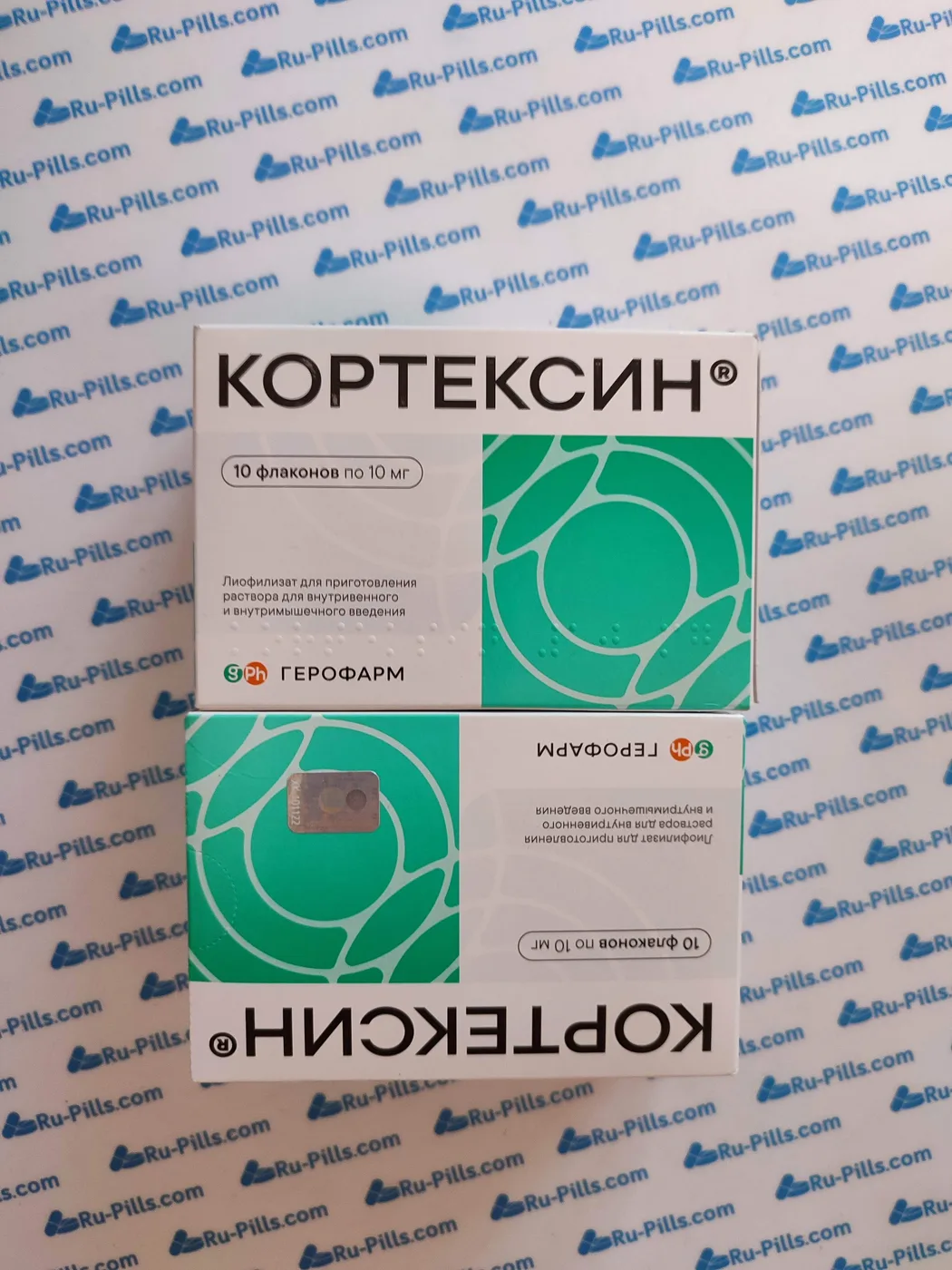 Real customer parcel
03
To 120+ countries. Most parcels arrive in 7–18 days.
Sulfacetamide · eye drops