01
Sourced
A licensed Russian pharmacy buys it for you.
No grey-market middlemen, no warehouses we can't audit. Retail purchase, on demand, against your order.

 capsules
All packagings
Selected · use button above
Price
$25.95
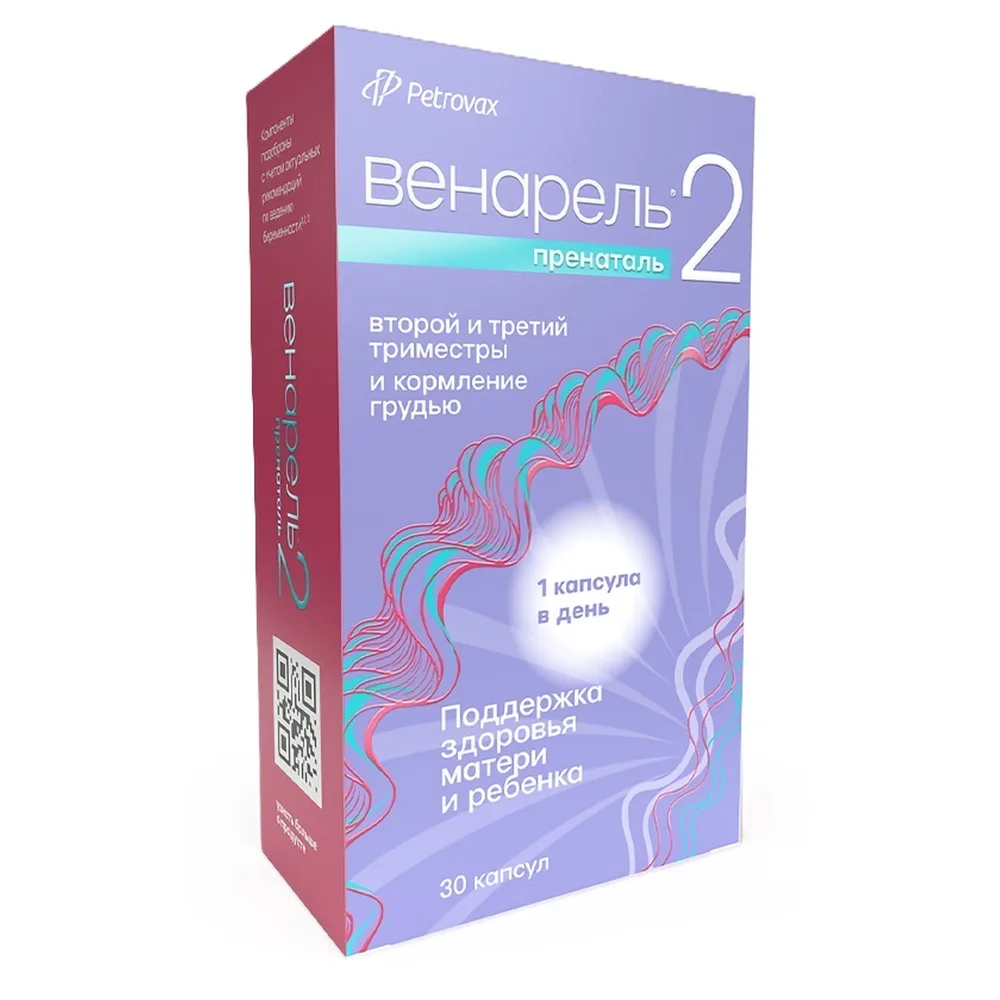
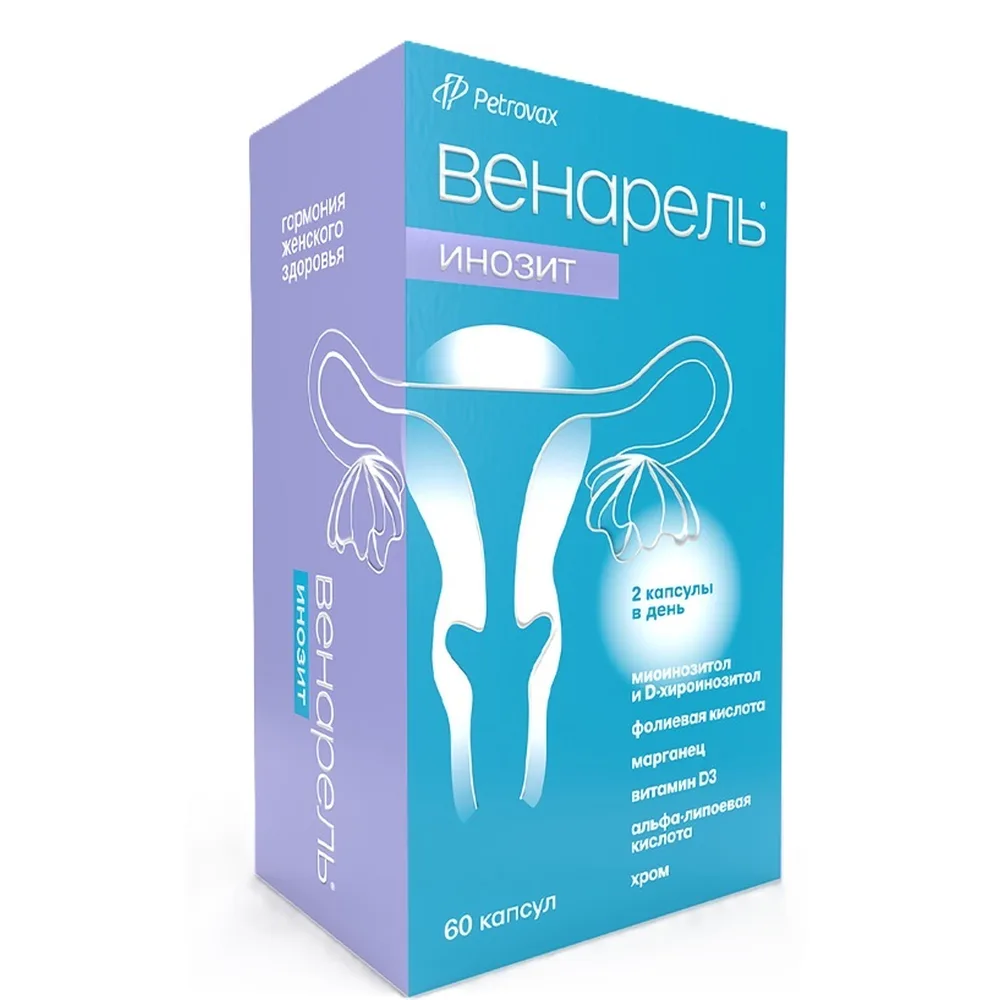
Option 2 of 2
Price
$47.20
Manufacturer leaflet
Facts from the printed manufacturer leaflet. Sections vary by drug — we only show what's actually in the box.
recommended as a dietary supplement - a source of vitamins (A, B1, B2, B3, B5, B6, B7, B12, C, D3, E, folic acid) and minerals (iron, zinc, iodine, selenium) for women planning pregnancy and women during pregnancy (1st trimester).
рекомендуется в качестве биологически активной добавки к пище - источника витаминов (А, В1, В2, В3, В5, В6, В7, В12, С, D3, E, фолиевой кислоты) и минеральных веществ (железа, цинка, йода, селена) для женщин, планирующих беременность, и женщин во время беременности (1 триместр).
For women planning pregnancy and women during pregnancy (throughout the 1st trimester), take 1 capsule once a day with food, drinking a sufficient amount of water. It is recommended to consult a doctor before use. Individuals with thyroid gland disorders are advised to consult an endocrinologist.
женщинам, планирующим беременность, и женщинам во время беременности (на протяжении 1 триместра) по 1 капсуле 1 раз в день во время еды, запивая достаточным количеством воды. Перед применением рекомендуется проконсультироваться с врачом. Лицам с заболеваниями щитовидной железы рекомендуется проконсультироваться с врачом-эндокринологом.
Iron (II) bisglycinate, Vitamin C (L-ascorbic acid), gelatin (capsule shell), Vitamin E (DL-alpha tocopherol acetate), potassium iodide, Vitamin B3 (niacin, nicotinamide), zinc oxide, sodium selenate, magnesium salt of fatty acids (anti-caking agent), Vitamin D3 (cholecalciferol), Vitamin B5 (calcium D-pantothenate), Vitamin A (retinyl acetate), Vitamin B12 (cyanocobalamin), Vitamin B6 (pyridoxine hydrochloride), Vitamin B1 (thiamine hydrochloride, thiamin), Vitamin B2 (riboflavin), folic acid (L-methylfolate calcium), Vitamin B7 (biotin).
Non-GMO.
железа (II) бисглицинат, витамин С (L-аскорбиновая кислота), желатин (оболочка капсулы), витамин Е (DL-альфа токоферола ацетат), калия йодид, витамин В3 (ниацин, никотиамид), цинка оксид, натрия селенат, магниевая соль жирных кислот (антислеживающий агент), витамин D3 (колекальциферол), витамин В5 (кальция D-пантотенат), Витамин А (ретинола ацетат), витамин В12 (цианокобаламин), витамин В6 (пиридоксина гидрохлорид), витамин В1 (тиамина гидрохлорид, тиамин), витамин В2 (рибофлавин), фолиевая кислота (L-метилфолат кальция), витамин В7 (биотин).
Не содержит ГМО.
individual intolerance to the components of the product; conditions in which iodine-containing medications are contraindicated.
Dietary supplement (BAA)
Not a medicinal product.
Consult a doctor before use.
индивидуальная непереносимость компонентов продукта, состояния, при которых противопоказаны препараты йода.
Биологически активная добавка (БАД) к пище
Не является лекарственным средством.
Перед применением рекомендуется проконсультироваться с врачом.
“Venarel Prenatal 1” is a biologically active food supplement for use during the planning stage and throughout the first trimester of pregnancy as an additional source of vitamins and trace elements, contributing to the normal growth and development of the fetus.
“Venarel Prenatal 1”
Is not a medicinal product
The packaging of “Venarel Prenatal 1” is designed for 30 days (30 capsules).
All components of “Venarel Prenatal 1” are selected considering:
• the latest recommendations for managing pregnancy approved by the Ministry of Health of the Russian Federation;
• the recommendations of the WHO* on alimentary anemia;
• the norms of physiological needs for energy and nutrients for women preparing for pregnancy and during the first trimester of pregnancy, approved in the methodological recommendations by the Chief State Sanitary Doctor of the Russian Federation[1].
FOLIC ACID (Vitamin B9) [1, 4, 5, 6, 7, 8, 9, 10, 26, 27]
The Russian Society of Obstetricians and Gynecologists recommends taking folic acid at a dose of 400-800 mcg per day for 2-3 months before conception and during the first 12 weeks of pregnancy to reduce the risk of neural tube defects in the fetus. The intake of folic acid reduces the risks of:
• miscarriage,
• partial or complete placental abruption,
• development of folate-deficiency anemia in the mother.
Folate intake during pregnancy helps prevent:
• the development of congenital neural tube defects in the fetus;
• anomalies in the development of the brain, cardiovascular system, limbs, and major arteries;
• cleft lip (“harelip”), umbilical hernia, Down syndrome.
Folic acid in the form of L-methylfolate, unlike synthetic folic acid, does not require additional activation by enzymes and is absorbed even with gastrointestinal disorders.
IODINE [1, 28]
• is involved in the functioning of the thyroid gland,
• contributes to the healthy development of the brain and nervous system of the child.
The Russian Society of Obstetricians and Gynecologists recommends taking iodine at a dose of 200 mcg per day for 2-3 months before conception and throughout pregnancy to eliminate iodine deficiency and prevent developmental disorders of the fetal nervous system.
VITAMIN D3 (cholecalciferol) [4, 24, 28]
• contributes to the normal development of bones and teeth in the child,
• helps maintain the health of the mother,
• affects the development of the child's brain,
• regulates immunity and placental function.
The Russian Society of Obstetricians and Gynecologists recommends that pregnant women at risk of vitamin D deficiency take cholecalciferol throughout pregnancy at a dose of 500-1000 IU (12.5-25 mcg) to prevent vitamin D deficiency and reduce the risk of obstetric complications.
SELENIUM [1, 16]
• is necessary for the normal functioning of the thyroid gland, which is important for regulating metabolism and hormone production in both the mother and the fetus.
IRON [1, 4, 27]
• is involved in the formation of hemoglobin, which ensures the transport of oxygen to tissues;
• helps reduce fatigue and tiredness in the mother.
The World Health Organization recommends a daily intake of 30 mg of elemental iron for the prevention of anemia in pregnant women in regions where the prevalence of anemia among pregnant women is 20-40%.
VITAMIN C (ASCORBIC ACID) [22, 23]
• helps with the absorption of iron,
• supports the immune system.
Vitamin C consumption helps reduce the risk of gestational diabetes in pregnant women.
Regular intake of vitamin C reduces the frequency of urinary infections in pregnant women by half.
VITAMIN A (RETINOL) [1, 4, 31]
Contributes to:
• the proper formation of the placenta,
• the normal functioning of the mother's liver and immune system,
• participates in the processes of growth and development of bone tissues, maintaining immunity and vision.
VITAMIN E (?-TOCOPHEROL) [1, 4]
• is an antioxidant and a universal stabilizer of cell membranes;
• is necessary for the functioning of the gonads and heart muscle;
• reduces the risks of venous thromboembolism.
ZINC [1, 4]
• plays an important role in the processes of synthesis and breakdown of carbohydrates, proteins, fats, and nucleic acids;
• affects the activity of hormones and vitamins;
• participates in the process of proper tissue formation.
B VITAMINS
Vitamin B1 (thiamine) [1]
Ensures the normal functioning of the nervous system, important for converting carbohydrates into energy.
Vitamin B2 (riboflavin) [4]
Participates in energy metabolism to maintain the health of the skin, eyes, and nervous system during pregnancy.
In case of vitamin B2 deficiency in pregnant women, symptoms include peeling skin around the mouth, on the wings of the nose, ears, changes in tongue color to purple, photophobia, and vision disturbances in the dark.
Vitamin B3 (PP, niacinamide, niacin) [4]
• is involved in regulating cellular respiration, energy release from fats and carbohydrates,
• affects hematopoiesis, regulates blood clotting,
• improves oxygen supply to the heart and enhances its contractile ability.
Vitamin B3 deficiency in pregnant women manifests as fatigue, dizziness, sleep disturbances, palpitations, pallor, and dry skin.
Vitamin B5 (pantothenic acid) [1, 29, 30]
• supports adrenal cortex function,
• helps the normal functioning of nerve cells,
• contributes to the elimination of toxins from the body.
Vitamin B6 (pyridoxine) [1, 4]
• reduces nausea and vomiting in pregnancy toxemia,
• improves magnesium absorption in the intestines,
• contributes to the normal development of the fetus.
Vitamin B7 (Biotin, Vitamin H) [1]
• supports the health of the mother's skin, hair, and nails.
Vitamin B12 (cyanocobalamin) [20, 21]
• plays an important role in DNA synthesis,
• is involved in the processes of forming the nervous system, hematopoiesis, and fetal development.
Vitamin B12 deficiency in pregnant women is associated with preeclampsia and premature birth.
Nutritional value of 1 capsule: proteins - 0.10 g, fats - 0.03 g, carbohydrates - 0.23 g. Energy value of 1 capsule - 7.088 kJ / 1.69 kcal.
Content of biologically active substances in 1 capsule (daily dosage):
Amount in 1 capsule % of the daily requirement for active substances for women during pregnancy (1st trimester)(1)
Vitamin A 800 mcg 100 100
Vitamin B1 (thiamine hydrochloride) 1.5 mg 100
Vitamin B2 (riboflavin) 1.8 mg 100
Vitamin B3 (niacin) 20 mg 100 100
Vitamin B5 (pantothenic acid) 6 mg 120(2)
Vitamin B6 (pyridoxine hydrochloride) 2 mg 100
Vitamin B7 (biotin) 50 mcg 100
Vitamin B12 (cyanocobalamin) 4.5 mcg 150(2)
Folate (L-methylfolate calcium) 600 mcg 150(2)
Vitamin C (L-ascorbic acid) 110 mg 100
Vitamin D3 (cholecalciferol) 15 mcg 100
Vitamin E (DL-alpha tocopherol acetate) 15 mg 100
Iron (II) 30 mg 167(2)
Zinc 12 mg 100
Iodine 200 mcg 134(2)
Selenium 55 mcg 100
(1) - according to MR 2.3.1.0253-21 “Norms of physiological needs for energy and nutrients for various population groups of the Russian Federation.”
(2) - does not exceed the upper permissible level of consumption, according to “Unified sanitary-epidemiological and hygienic requirements for products (goods) subject to sanitary-epidemiological supervision (control),” Appendix 5.
References:
• MR 2.3.1.0253-21. 2.3.1. Hygiene of nutrition. Rational nutrition. Norms of physiological needs for energy and nutrients for various population groups of the Russian Federation. Methodological recommendations (approved by the Chief State Sanitary Doctor of the Russian Federation on 22.07.2021)
• UNIFIED SANITARY-EPIDEMIOLOGICAL AND HYGIENIC REQUIREMENTS FOR PRODUCTS (GOODS) SUBJECT TO SANITARY-EPIDEMIOLOGICAL SUPERVISION (CONTROL), Approved by the Decision of the Customs Union Commission on May 28, 2010, No. 299
• Clinical recommendations of the Ministry of Health of the Russian Federation “Normal Pregnancy,” 2023, Russian Society of Obstetricians and Gynecologists
• Micronutrients and reproductive health: a guide / O. A. Gromova, I. Yu. Torshin. - 2nd ed., revised and expanded. - Moscow: GEOTAR-Media, 2022. - 832 p.: ill. - DOI: 10.33029/9704-6786-2-MIC-2022-1-832. - ISBN 978-5-9704-6786-2.
• Christian P, West KP, Khatry SK, Leclerq SC, Pradhan EK, Katz J, Shrestha SR, Sommer A. Effects of maternal micronutrient supplementation on fetal loss and infant mortality: a cluster-randomized trial in Nepal. Am J Clin Nutr. 2003 Dec;78(6):1194-202. doi: 10.1093/ajcn/78.6.1194. PMID: 14668283.
• Salerno P, Bianchi F, Pierini A, Baldi F, Carbone P, Mantovani A, Taruscio D. Folic acid and congenital malformation: scientific evidence and public health strategies. Ann Ig. 2008 Nov-Dec;20(6):519-30. Italian. PMID: 19238877.
• Dikke G.B. Prevention of folate-sensitive fetal anomalies in women at high risk. RMJ. Mother and Child. 2017. No. 15. URL: https://cyberleninka.ru/article/n/profilaktika-folat-chuvstvitelnyh-anomaliy-ploda-u-zhenschin-s-vysokim-riskom (accessed: 01.04.2024).
• Kelly D, O'Dowd T, Reulbach U. Use of folic acid supplements and risk of cleft lip and palate in infants: a population-based cohort study. Br J Gen Pract. 2012 Jul;62(600):e466-72. doi: 10.3399/bjgp12X652328. PMID: 22781994; PMCID: PMC3381272.
• Patterson D. Folate metabolism and the risk of Down syndrome. Downs Syndr Res Pract. 2008 Oct;12(2):93-7. doi: 10.3104/updates.2051. PMID: 19026278.
• Czeizel AE, Puho E. Maternal use of nutritional supplements during the first month of pregnancy and decreased risk of Down's syndrome: case-control study. Nutrition. 2005 Jun;21(6):698-704; discussion 774. doi: 10.1016/j.nut.2004.10.017. PMID: 15925294.
• Assessment of iodine deficiency disorders and monitoring their elimination: a guide for programme managers / WHO, United Nations Children's Fund, International Council for the Control of Iodine Deficiency Disorders. - 3rd ed. - Geneva, 2007. - P. 1-97.
• Clinical recommendations of the Ministry of Health of the Russian Federation “Diseases and conditions related to iodine deficiency,” 2020, Russian Association of Endocrinologists, Russian Association of Ultrasound Diagnostics Physicians.
• Clinical recommendations of the Ministry of Health of the Russian Federation “Iron deficiency anemia,” 2021, National Hematology Society, National Society of Pediatric Hematologists, Oncologists.
• World Health Organization. (?2017)?. Nutritional anaemias: tools for effective prevention and control. World Health Organization. https://apps.who.int/iris/handle/10665/259425. License: CC BY-NC-SA 3.0 IGO
• Shikh E.V. et al. Polyunsaturated fatty acids and selenium as essential components of micronutrient support during pregnancy. RMJ. Mother and Child. - 2017. - No. 2. - P. 126-131.
• Duntas, L. H. (2020). Selenium and at-risk pregnancy: challenges and controversies. Thyroid Research, 13(1). doi:10.1186/s13044-020-00090-x
• Zachara B. A. Selenium in complicated pregnancy. A review. Advances in clinical chemistry. - 2018. - Vol. 86. - P. 157-178.
• Palawaththa S. et al. Effect of maternal dietary niacin intake on congenital anomalies: a systematic review and meta-analysis. European Journal of Nutrition. - 2022. - P. 1-10.
• Ichihara Y. et al. Serum biotin level during pregnancy is associated with fetal growth and preterm delivery. The Journal of Medical Investigation. - 2020. - Vol. 67. - No. 1.2. - P. 170-173.
• Dror D. K., Allen L. H. Interventions with vitamins B6, B12 and C in pregnancy. Paediatric and perinatal epidemiology. - 2012. - Vol. 26. - P. 55-74.
• Van Sande H. et al. Vitamin B12 in pregnancy: maternal and fetal/neonatal effects. A review. Open journal of obstetrics and gynecology. - Irvine, CA, 2011, currens. - 2013. - Vol. 3. - No. 7. - P. 599-602.
• Liu C. et al. Higher dietary vitamin C intake is associated with a lower risk of gestational diabetes mellitus: A longitudinal cohort study. Clinical nutrition. - 2020. - Vol. 39. - No. 1. - P. 198-203.
• Ochoa-Brust GJ, Fernandez AR, Villanueva-Ruiz GJ, Velasco R, Trujillo-Hernandez B, Vasquez C. Daily intake of 100 mg ascorbic acid as urinary tract infection prophylactic agent during pregnancy. Acta Obstet Gynecol Scand. 2007;86(7):783-7. doi: 10.1080/00016340701273189. PMID: 17611821.
• Schroder-Heurich B., Springer C. J. P., von Versen-Hoynck F. Vitamin D effects on the immune system from periconception through pregnancy. Nutrients. - 2020. - Vol. 12. - No. 5. - P. 1432.
• Van Leer P. Medicine by the Numbers: Vitamin E in Pregnancy. American Family Physician. - 2017. - Vol. 95. - No. 7.
• Scaglione F, Panzavolta G. Folate, folic acid and 5-methyltetrahydrofolate are not the same thing. Xenobiotica. 2014 May;44(5):480-8. doi: 10.3109/00498254.2013.845705. Epub 2014 Feb 4. PMID: 24494987.
• Nutritional anaemias: tools for effective prevention and control. World Health Organization. 2017.
• Clinical recommendations of the Ministry of Health of the Russian Federation “Normal Pregnancy,” 2023, ROAG.
• Tsytyunyk V.L., Kan N.E., Mikhaylova O.I., Shuvalova M.P. Vitamin support during pregnancy. RMJ. 2016. No. 5. P. 294-296.
• R 371 V. R. Rembovsky, L. A. Mogilenkova - Detoxification processes under the influence of chemical substances on the body
«Венарель Пренаталь 1» - биологически активная добавка к пище для применения на этапе планирования и во время первого триместра беременности в качестве дополнительного источника витаминов и микроэлементов, способствуют нормальному росту и развитию плода.
«Венарель Пренаталь 1»
Не является лекарственным средством
Упаковка «Венарель Пренаталь 1» рассчитана на 30 дней (30 капсул).
Все компоненты «Венарель Пренаталь 1» подобраны с учетом:
• последних рекомендаций по ведению беременности, утвержденными МЗ РФ;
• с учетом рекомендаций ВОЗ* по алиментарной анемии;
• норм физиологических потребностей в энергии и пищевых веществах для женщин в период подготовки к беременности и во время первого триместра беременности, утвержденных в методических рекомендациях Главным государственным санитарным врачом РФ[1].
ФОЛИЕВАЯ КИСЛОТА (Витамин В9) [1, 4, 5, 6, 7, 8, 9, 10, 26, 27]
Российское общество акушеров-гинекологов рекомендует при планировании беременности, за 2-3 месяца до наступления беременности и на протяжении первых 12 недель беременности прием фолиевой кислоты в дозе 400-800 мкг в день с целью снижения риска дефекта нервной трубки у плода. Прием фолиевой кислоты снижает риски:
• невынашивания,
• частичной или полной отслойки плаценты
• развития фолиеводефицитной анемии у матери
Прием фолатов во время беременности помогает предупредить:
• развитие врожденных дефектов нервной трубки плода;
• аномалии развития мозга, сердечено-сосудистой системы, конечностей, крупных артерий;
• расщелину верхней губы («заячью губу»), пупочную грыжу, синдром Дауна.
Фолиевая кислота в виде L-метилфолата, в отличие от синтетической фолиевой кислоты, не требует дополнительной активации ферментами и усваивается даже при нарушениях работы желудочно-кишечного тракта.
ЙОД [1, 28]
• участвует в функционировании щитовидной железы
• способствует здоровому развитию мозга и нервной системы ребенка
Российское общество акушеров-гинекологов рекомендует при планировании беременности, за 2-3 месяца до наступления беременности и на протяжении всей беременности прием йода в дозе 200 мкг в день с целью устранения йодного дефицита для профилактики нарушений развития нервной системы плода.
ВИТАМИН D3 (колекальциферол) [4, 24, 28]
• способствует нормальному развитию костей и зубов у ребенка
• помогает поддерживать здоровье матери
• влияет на развитие мозга ребенка
• регулирует иммунитет и функцию плаценты
Российское общество акушеров-гинекологов рекомендует беременным в группе риска гиповитаминоза D прием колекальциферола на протяжении всей беременности в дозе 500-1000МЕ (12,5-25 мкг) с целью профилактики дефицита витамина D для снижения риска акушерских осложнений.
СЕЛЕН [1,16]
• необходим для нормального функционирования щитовидной железы, что важно для регуляции обмена веществ и производства гормонов как у матери, так и у плода
ЖЕЛЕЗО [1, 4, 27]
• учувствует в образовании гемоглобина, обеспечивающего транспорт кислорода в ткани;
• способствует уменьшению усталости и утомляемости у матери
Всемирная организация здравоохранения рекомендует для профилактики анемии у беременных ежедневный прием 30 мг элементарного железа в регионах, где распространенность анемии у беременных составляет 20-40%
ВИТАМИН С (АСКОРБИНОВАЯ КИСЛОТА) [22, 23]
• помогает усвоению железа
• поддерживает иммунную систему
Потребление витамина С способствует снижению риска развития гестационного сахарного диабета у беременных
Регулярный прием витамина С в два раза снижает частоту мочевых инфекций у беременных
ВИТАМИН А (РЕТИНОЛ) [1, 4, 31]
Способствует:
• правильному формированию плаценты
• нормальному функционированию печени матери и иммунной системы
• участвует в процессах роста и развития костных тканей, поддержания иммунитета и зрения.
ВИТАМИН Е (?-ТОКОФЕРОЛ) [1, 4]
• является антиоксидантом и универсальным стабилизатором клеточных мембран;
• необходим для функционирования половых желез и сердечной мышцы
• снижает риски венозной тромбоэмболии
ЦИНК [1, 4]
• играет важную роль в процессах синтеза и распада углеводов, белков, жиров, нуклеиновых кислот
• влияет на активность гормонов и витаминов
• участвует в процессе правильного формирования тканей
ВИТАМИНЫ ГРУППЫ B
Витамин В1 (тиамин) [1]
Обеспечивает нормальную работу нервной системы, важен для преобразования углеводов в энергию
Витамин В2 (рибофлавин) [4]
Участвует в энергетическом обмене для поддержания здоровья кожи, глаз и нервной системы во время беременности.
При дефиците витамина В2 у беременных, характерны шелушение кожи вокруг рта, на крыльях носа, ушах , изменения цвета языка до пурпурного, светобоязнь, нарушения зрения в темноте.
Витамин B3 (PP, никотинамид,ниацин) [4]
• участвует в регуляции клеточного дыхания, выделения энергии из жиров и углеводов
• влияет на кроветворение, регулирует свертываемость крови,
• улучшает снабжение сердца кислородом и усиливает его сократительную способность
Дефицит витамина В3 у беременных проявляется утомляемостью, головокружениями, нарушениями сна, ощущениями сердцебиения, бледностью и сухостью кожи.
Витамин В5 (пантотеновая кислота) [1, 29, 30]
• поддерживает функцию коры надпочечников
• помогает нормальной работе нервных клеток
• способствует выведению токсинов из организма
Витамин В6 (пиридоксин) [1, 4]
• уменьшает тошноту и рвоту при токсикозе беременных,
• улучшает всасывание магния в кишечнике
• способствует нормальному развитию плода
Витамин B7 (Биотин, Витамин Н) [1]
• поддерживает здоровье кожи, волос и ногтей матери
Витамин В12 (цианокобаламин) [20, 21]
• играет важную роль в синтезе ДНК
• учувствует в процессах формирования нервной системы, кроветворения и в развитии плода
Дефицит витамина В12 у беременных связан с преэклампсией и преждевременными родами.
Пищевая ценность 1 капсулы: белки - 0,10 г, жиры - 0,03 г, углеводы - 0,23 г.. Энергетическая ценность 1 капсулы - 7,088 кДж/ 1,69 ккал
Содержание биологически активных веществ в 1 капсуле (суточной дозировке):
Кол-во в 1 капсуле % от потребности в активных веществах для женщин в период беременности (1 триместр)(1)
Витамин А 800 мкг 100 100
Витамин В1 (тиамина гидрохлорид) 1,5 мг 100
Витамин В2 (рибофлавин) 1,8 мг 100
Витамин В3 (ниацин) 20 мг 100 100
Витамин В5 (пантотеновая кислота) 6 мг 120(2)
Витамин В6 (пиридоксина гидрохлорид) 2 мг 100
Витамин В7 (биотин) 50 мкг 100
Витамин В12 (цианокобаламин) 4,5 мкг 150(2)
Фолат (L-метилфолат кальция) 600 мкг 150(2)
Витамин С (L-аскорбиновая кислота) 110 мг 100
Витамин D3 (колекальциферол) 15 мкг 100
Витамин Е (DL-альфа токоферола ацетат) 15 мг 100
Железо (II) 30 мг 167(2)
Цинк 12 мг 100
Йод 200 мкг 134(2)
Селен 55 мкг 100
(1) - согласно МР 2.3.1.0253-21 «Нормы физиологических потребностей в энергии и пищевых веществах для различных групп населения Российской Федерации».
(2) - не превышает верхний допустимый уровень потребления, согласно «Единым санитарно-эпидемиологическим и гигиеническим требованиям к товарам, подлежащим санитарно-эпидемиологическому надзору (контролю)», Приложение 5.
Литература:
• МР 2.3.1.0253-21. 2.3.1. Гигиена питания. Рациональное питание. Нормы физиологических потребностей в энергии и пищевых веществах для различных групп населения Российской Федерации. Методические рекомендации" (утв. Главным государственным санитарным врачом РФ 22.07.2021)
• ЕДИНЫЕ САНИТАРНО-ЭПИДЕМИОЛОГИЧЕСКИЕ И ГИГИЕНИЧЕСКИЕ ТРЕБОВАНИЯ К ПРОДУКЦИИ (ТОВАРАМ), ПОДЛЕЖАЩЕЙ САНИТАРНО-ЭПИДЕМИОЛОГИЧЕСКОМУ НАДЗОРУ (КОНТРОЛЮ), Утверждены Решением Комиссии таможенного союза от 28 мая 2010 г. N 299
• Клинические рекомендации Минздрава РФ «Нормальная беременность», 2023, Российское общество акушеров-гинекологов
• Микронутриенты и репродуктивное здоровье: руководство / О. А. Громова, И. Ю. Торшин. - 2-е изд., перераб. и доп. - Москва : ГЭОТАР-Медиа, 2022. - 832 с. : ил. - DOI: 10.33029/9704-6786-2-MIC-2022-1-832. - ISBN 978-5-9704-6786-2.
• Christian P, West KP, Khatry SK, Leclerq SC, Pradhan EK, Katz J, Shrestha SR, Sommer A. Effects of maternal micronutrient supplementation on fetal loss and infant mortality: a cluster-randomized trial in Nepal. Am J Clin Nutr. 2003 Dec;78(6):1194-202. doi: 10.1093/ajcn/78.6.1194. PMID: 14668283.
6.Salerno P, Bianchi F, Pierini A, Baldi F, Carbone P, Mantovani A, Taruscio D. Acido folico e difetti congeniti: evidenze scientifiche e strategie di sanita pubblica [Folic acid and congenital malformation: scientific evidence and public health strategies]. Ann Ig. 2008 Nov-Dec;20(6):519-30. Italian. PMID: 19238877.
• Дикке Г.Б. Профилактика фолат-чувствительных аномалий плода у женщин с высоким риском // РМЖ. Мать и дитя. 2017. №15. URL: https://cyberleninka.ru/article/n/profilaktika-folat-chuvstvitelnyh-anomaliy-ploda-u-zhenschin-s-vysokim-riskom (дата обращения: 01.04.2024).
• Kelly D, O'Dowd T, Reulbach U. Use of folic acid supplements and risk of cleft lip and palate in infants: a population-based cohort study. Br J Gen Pract. 2012 Jul;62(600):e466-72. doi: 10.3399/bjgp12X652328. PMID: 22781994; PMCID: PMC3381272.
• Patterson D. Folate metabolism and the risk of Down syndrome. Downs Syndr Res Pract. 2008 Oct;12(2):93-7. doi: 10.3104/updates.2051. PMID: 19026278.
• Czeizel AE, Puho E. Maternal use of nutritional supplements during the first month of pregnancy and decreased risk of Down's syndrome: case-control study. Nutrition. 2005 Jun;21(6):698-704; discussion 774. doi: 10.1016/j.nut.2004.10.017. PMID: 15925294.
• Assessment of iodine deficiency disorders and monitoring their elimination: a guide for programme managers / WHO, United Nations Children's Fund, International Council for the Control of Iodine Deficiency Disorders. - 3 rd ed. - Geneva, 2007. - Р. 1-97.
• Клинические рекомендации МЗ РФ «Заболевания и состояния, связанные с дефицитом йода», 2020, Российская ассоциация эндокринологов, Российская ассоциация врачей ультразвуковой диагностики.
• Клинические рекомендации МЗ РФ «Железодефицитная анемия», 2021, Национальное гематологическое общество,Национальное общество детских гематологов, онкологов
• World Health Organization. (?2017)?. Nutritional anaemias: tools for effective prevention and control. World Health Organization. https://apps.who.int/iris/handle/10665/259425. License: CC BY-NC-SA 3.0 IGO
• Ших Е. В. и др. Полиненасыщенные жирные кислоты и селен как необходимые компоненты микронутриентной поддержки в период беременности //РМЖ. Мать и дитя. - 2017. - №. 2. - С. 126-131.
• Duntas, L. H. (2020). Selenium and at-risk pregnancy: challenges and controversies. Thyroid Research, 13(1). doi:10.1186/s13044-020-00090-x
• Zachara B. A. Selenium in complicated pregnancy. A review //Advances in clinical chemistry. - 2018. - Т. 86. - С. 157-178.
• Palawaththa S. et al. Effect of maternal dietary niacin intake on congenital anomalies: a systematic review and meta-analysis //European Journal of Nutrition. - 2022. - С. 1-10.
• Ichihara Y. et al. Serum biotin level during pregnancy is associated with fetal growth and preterm delivery //The Journal of Medical Investigation. - 2020. - Т. 67. - №. 1.2. - С. 170-173.
• Dror D. K., Allen L. H. Interventions with vitamins B6, B12 and C in pregnancy //Paediatric and perinatal epidemiology. - 2012. - Т. 26. - С. 55-74.
• Van Sande H. et al. Vitamin B12 in pregnancy: maternal and fetal/neonatal effects. A review //Open journal of obstetrics and gynecology.-Irvine, CA, 2011, currens. - 2013. - Т. 3. - №. 7. - С. 599-602.
• Liu C. et al. Higher dietary vitamin C intake is associated with a lower risk of gestational diabetes mellitus: A longitudinal cohort study //Clinical nutrition. - 2020. - Т. 39. - №. 1. - С. 198-203.
• Ochoa-Brust GJ, Fernandez AR, Villanueva-Ruiz GJ, Velasco R, Trujillo-Hernandez B, Vasquez C. Daily intake of 100 mg ascorbic acid as urinary tract infection prophylactic agent during pregnancy. Acta Obstet Gynecol Scand. 2007;86(7):783-7. doi: 10.1080/00016340701273189. PMID: 17611821.
• Schroder-Heurich B., Springer C. J. P., von Versen-Hoynck F. Vitamin D effects on the immune system from periconception through pregnancy //Nutrients. - 2020. - Т. 12. - №. 5. - С. 1432.
• Van Leer P. Medicine by the Numbers: Vitamin E in Pregnancy //American Family Physician. - 2017. - Т. 95. - №. 7.
• Scaglione F, Panzavolta G. Folate, folic acid and 5-methyltetrahydrofolate are not the same thing. Xenobiotica. 2014 May;44(5):480-8. doi: 10.3109/00498254.2013.845705. Epub 2014 Feb 4. PMID: 24494987
• Nutritional anaemias: tools for effective prevention and control. World Health Organization. 2017
• Клинические рекомендации МЗ РФ «Нормальная беременность», 2023, РОАГ
• Тютюнник В.Л., Кан Н.Е., Михайлова О.И., Шувалова М.П. Витаминная поддержка во время беременности // РМЖ. 2016. No 5. С. 294-296.
• Р 371 В. Р. Рембовский, Л. А. Могиленкова - Процессы детоксикации при воздействии химических веществ на организм - СПб.: изд-во Политехнического у-та, 2017. - 384 с.
• Орлова С. В. и др. Витамин А при беременности и кормлении грудью: актуальный взгляд на проблему //Медицинский алфавит. - 2022. - №. 16. - С. 109-114.
RU name Венарель пренаталь 1 30 шт. капсулы массой 514 мг
How we fulfill
Three checkpoints between the pharmacy shelf and your door. You see every one.
01
No grey-market middlemen, no warehouses we can't audit. Retail purchase, on demand, against your order.
02
A photo of your actual parcel in its original retail packaging lands in your inbox before it ships. Like this →
 Real customer parcel
03
To 120+ countries. Most parcels arrive in 7–18 days.