01
Sourced
A licensed Russian pharmacy buys it for you.
No grey-market middlemen, no warehouses we can't audit. Retail purchase, on demand, against your order.

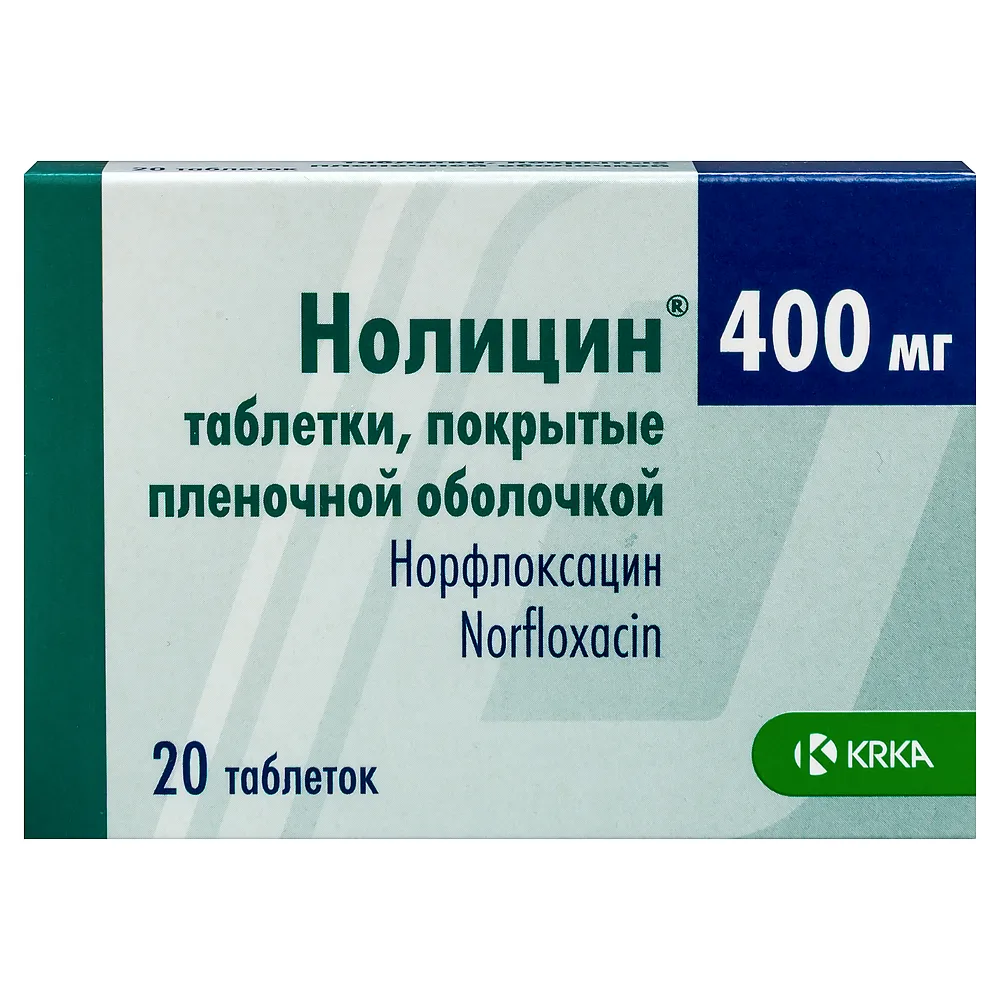 film-coated tablets
Norflaxacin
film-coated tablets
SKU 85155
Same active ingredient
Other products with Norflaxacin
All packagings
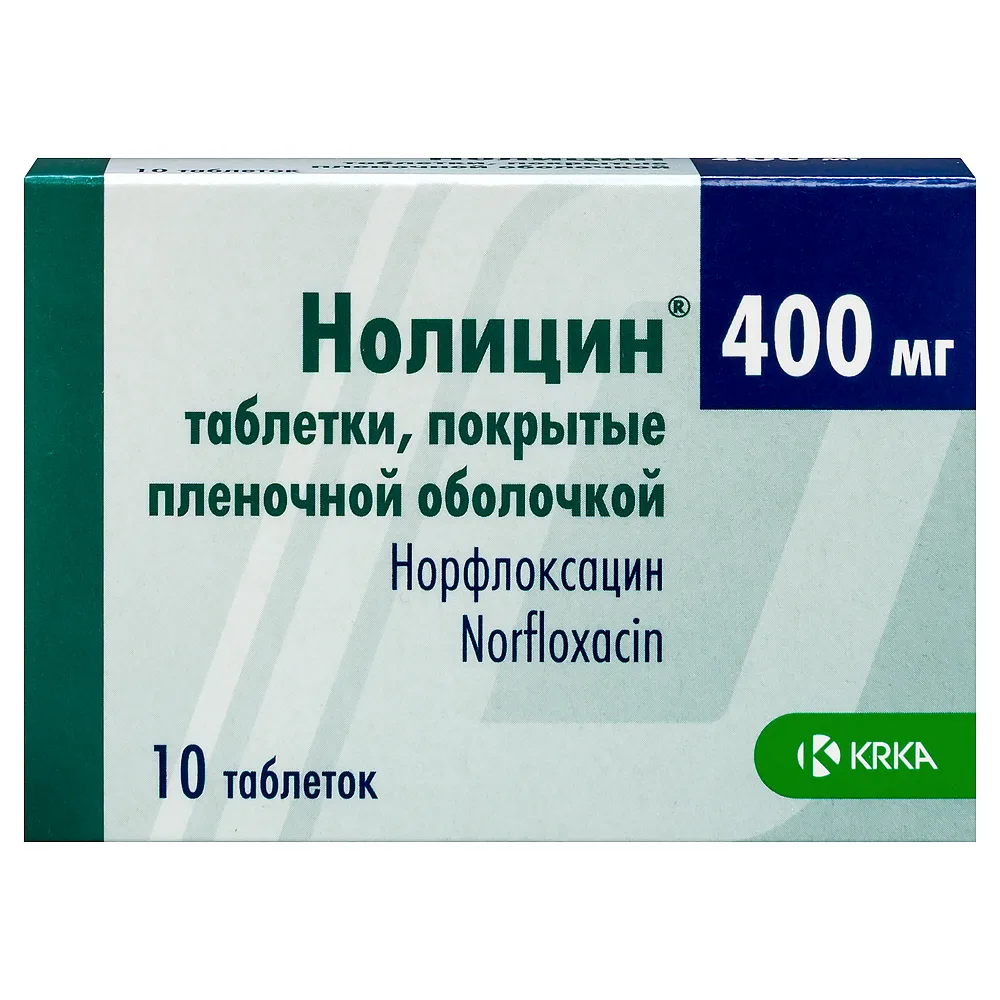
Cheapest option
Price
$9.87
Selected · use button above
Price
$14.75
Manufacturer leaflet
Facts from the printed manufacturer leaflet. Sections vary by drug — we only show what's actually in the box.
Infectious-inflammatory diseases caused by pathogens sensitive to the drug:
— acute and chronic infectious diseases of the urinary tract (urethritis, cystitis, pyelonephritis);
— infections of the genital organs (cervicitis, endometritis, chronic bacterial prostatitis);
— uncomplicated gonorrhea;
— bacterial gastroenteritis (salmonellosis, shigellosis);
— prevention of recurrent urinary tract infections;
— prevention of sepsis in patients with neutropenia;
— prevention of traveler's diarrhea
Инфекционно-воспалительные заболевания, вызванные возбудителями, чувствительными к препарату:
— острые и хронические инфекционные заболевания мочевыводящих путей (уретрит, цистит, пиелонефрит);
— инфекции половых органов (цервицит, эндометрит, хронический бактериальный простатит);
— гонорея неосложненная;
— бактериальный гастроэнтерит (сальмонеллез, шигеллез);
— профилактика рецидивов инфекций мочевыводящих путей;
— профилактика сепсиса у больных с нейтропенией;
— профилактика диареи путешественников
Orally, on an empty stomach (at least 1 hour before or 2 hours after a meal) and taken with a sufficient amount of liquid.
Recommended doses - 400 mg twice daily. Duration of treatment is from 7 to 14 days; if necessary, longer treatment may be conducted.
For chronic bacterial prostatitis - 400 mg twice daily for 4-6 weeks or longer.
For uncomplicated gonorrhea - a single dose of 800-1200 mg or 400 mg twice daily for 3-7 days.
For bacterial gastroenteritis (shigellosis, salmonellosis) - 400 mg twice daily for 5 days.
To prevent traveler's diarrhea, it is recommended to take 400 mg 1 day before departure, throughout the trip, and for 2 days after its completion (no more than 21 days).
To prevent sepsis in neutropenia - 400 mg twice daily for 8 weeks.
For acute uncomplicated cystitis - 400 mg twice daily for 3-5 days.
To prevent recurrent uncomplicated urinary tract infections in cases of frequent exacerbations (more than 3 episodes per year or more than 2 within six months) - 200 mg once at night for an extended period (from 6 months to several years).
Patients with impaired kidney function with a creatinine clearance (CC) of more than 20 ml/min do not require dosage adjustment.
For CC less than 20 ml/min (or serum creatinine level greater than 5 mg/dl) and for patients on hemodialysis, half the therapeutic dose of Nolitsin is prescribed twice daily or the full dose once daily.
Внутрь, натощак (не менее чем за 1 ч до или через 2 ч после приема пищи) и запивают достаточным количеством жидкости.
Рекомендуемые дозы - по 400 мг 2 Продолжительность лечения от 7 до 14 дней, при необходимости проводят более длительное лечение.
При хроническом бактериальном простатите - по 400 мг 2 в течение 4-6 недель или более.
При неосложненной гонорее - однократно в дозе 800-1200 мг или по 400 мг 2 в течение 3-7 дней.
При бактериальном гастроэнтерите (шигеллез, сальмонеллез) - по 400 мг 2 в течение 5 дней.
Для профилактики диареи путешественников рекомендуется принимать по 400 мг/ за 1 день до отъезда, в течение всего времени путешествия и 2 дня после его окончания (не более 21 дня).
Для профилактики сепсиса при нейтропении - по 400 мг 2 в течение 8 недель.
При остром неосложненном цистите - по 400 мг 2 в течение 3-5 дней.
Для профилактики рецидивирующих неосложненных инфекций мочевыводящих путей при частых обострениях (более 3-х эпизодов в год или более 2-х в течение полугода) - по 200 мг 1 раз на ночь длительно (от 6 мес до нескольких лет).
Больным с нарушением функции почек при КК более 20 мл/мин коррекции режима дозирования не требуется.
При КК менее 20 мл/мин (или уровне сывороточного креатинина более 5 мг/дл) и пациентам, находящимся на гемодиализе, назначают половину терапевтической дозы Нолицина 2 или полную дозу 1 раз/
Norfloxacin 400 mg
Excipients: povidone, sodium carboxymethyl starch, microcrystalline cellulose, anhydrous colloidal silicon dioxide, magnesium stearate, purified water (for hydration).
Coating composition: hypromellose, talc, titanium dioxide, sunset yellow dye (E110) (dispersed yellow dye, E110), propylene glycol.
Film-coated tablets
норфлоксацин 400 мг
Вспомогательные вещества: повидон, карбоксиметилкрахмал натрия, целлюлоза микрокристаллическая, кремния диоксид коллоидный безводный, магния стеарат, вода очищенная (для гидратации).
Состав оболочки: гипромелоза, тальк, титана диоксид, краситель солнечный закат желтый (Е110) (краситель дисперсный желтый, Е110), пропиленгликоль.
Таблетки, покрытые пленочной оболочкой
— glucose-6-phosphate dehydrogenase deficiency;
— pregnancy;
— lactation (breastfeeding);
— pediatric and adolescent age under 18 years;
— increased sensitivity to norfloxacin and other fluoroquinolone group medications.
The drug should be used with caution in cases of cerebral atherosclerosis, cerebrovascular disorders, epilepsy, epileptic syndrome, renal/hepatic insufficiency, and in the presence of an allergic reaction to acetylsalicylic acid.
During treatment with norfloxacin, patients should receive an adequate amount of fluids (under urine output control).
During therapy, an increase in prothrombin index may occur (during surgical interventions, the state of the blood coagulation system should be monitored).
While undergoing treatment with norfloxacin, exposure to direct sunlight should be avoided.
If tendon pain occurs or at the first signs of tenosynovitis, the medication should be discontinued. During therapy with norfloxacin, excessive physical exertion should be avoided.
In the presence of an allergic reaction to acetylsalicylic acid, the azo dye E 110 (dispersed yellow dye, E110) may cause a hypersensitivity reaction, including bronchospasm.
Effects on the ability to drive and operate machinery
Caution should be exercised when driving a vehicle and engaging in other potentially dangerous activities that require increased attention and quick psychomotor reactions (especially when consuming ethanol simultaneously).
— дефицит глюкозо-6-фосфатдегидрогеназы;
— беременность;
— лактация (грудное вскармливание);
— детский и подростковый возраст до 18 лет;
— повышенная чувствительность к норфлоксацину и другим препаратам группы фторхинолонов.
С осторожностью следует назначать препарат при атеросклерозе сосудов головного мозга, нарушении мозгового кровообращения, эпилепсии, эпилептическом синдроме, почечной/печеночной недостаточности, наличии аллергической реакции на ацетилсалициловую кислоту.
В период лечения норфлоксацином больные должны получать достаточное количество жидкости (под контролем диуреза).
В период терапии возможно увеличение протромбинового индекса (при проведении хирургических вмешательств следует контролировать состояние системы свертывания крови).
Во время лечения норфлоксацином следует избегать воздействия прямого солнечного света.
При появлении болей в сухожилиях или при первых признаках тендовагинита необходимо отменить препарат. Во время терапии норфлоксацином рекомендуется избегать чрезмерных физических нагрузок.
При наличии аллергической реакции на ацетилсалициловую кислоту азокраситель Е 110 (краситель дисперсный желтый, Е110), может вызвать реакцию гиперчувствительности, вплоть до бронхоспазма.
Влияние на способность к вождению автотранспорта и управлению механизмами
Необходимо соблюдать осторожность при вождении автомобиля и занятиях другими потенциально опасными видами деятельности, требующими повышенной концентрации внимания и быстроты психомоторных реакций (особенно при одновременном употреблении этанола).
Gastrointestinal system: decreased appetite, bitter taste in the mouth, nausea, vomiting, abdominal pain, diarrhea, pseudomembranous enterocolitis (with prolonged use), increased liver transaminase activity.
Urinary system: crystalluria, glomerulonephritis, dysuria, polyuria, albuminuria, urethral bleeding, increased blood plasma urea and creatinine.
Nervous system: headache, dizziness, fainting spells, insomnia, hallucinations. In elderly patients, fatigue, drowsiness, anxiety, irritability, feelings of fear, depression, tinnitus may occur.
Cardiovascular system: tachycardia, arrhythmias, decreased blood pressure, vasculitis.
Musculoskeletal system: arthralgia, tendinitis, tendon ruptures (usually in the case of contributing factors).
Hematopoietic system: eosinophilia, leukopenia, decreased hematocrit.
Allergic reactions: rash, skin itching, urticaria, edema, malignant exudative erythema (Stevens-Johnson syndrome).
Other: candidiasis.
nausea, vomiting, diarrhea; in more severe cases - dizziness, drowsiness, cold sweat, seizures, puffy face without changes in basic hemodynamic parameters
When using norfloxacin concurrently with theophylline, it is necessary to monitor the concentration of theophylline in the plasma and adjust its dosage, as norfloxacin reduces the clearance of theophylline by 25%, which may lead to the development of corresponding undesirable side effects.
Norfloxacin reduces the effect of nitrofurans.
Norfloxacin may enhance the therapeutic effect of cyclosporine and warfarin; in some cases, the use of norfloxacin with cyclosporine has been associated with an increase in serum creatinine concentration, therefore monitoring of this parameter is required in such patients.
Concurrent use of norfloxacin and antacids containing aluminum or magnesium hydroxide, as well as preparations containing iron, zinc, or sucralfate, reduces the absorption of norfloxacin (the interval between their administration should be at least 2 hours).
Concurrent use with medications that lower the seizure threshold may lead to the development of epileptiform seizures.
Со стороны пищеварительной системы: снижение аппетита, горечь во рту, тошнота, рвота, боль в животе, диарея, псевдомембранозный энтероколит (при длительном применении), повышение активности печеночных трансаминаз.
Со стороны мочевыделительной системы: кристаллурия, гломерулонефрит, дизурия, полиурия, альбуминурия, уретральные кровотечения, повышение мочевины и креатинина плазмы крови.
Со стороны нервной системы: головная боль, головокружение, обморочные состояния, бессонница, галлюцинации. У пожилых пациентов возможны усталость, сонливость, беспокойство, раздражительность, чувство страха, депрессия, шум в ушах.
Со стороны сердечно-сосудистой системы: тахикардия, аритмии, снижение АД, васкулит.
Со стороны костно-мышечной системы: артралгия, тендениты, разрывы сухожилий (обычно в случае комбинации со способствующими факторами).
Со стороны системы кроветворения: эозинофилия, лейкопения, снижение гематокрита.
Аллергические реакции: сыпь, кожный зуд, крапивница, отеки, злокачественная экссудативная эритема (синдром Стивенса-Джонсона).
Прочие: кандидоз.
тошнота, рвота, диарея; в более тяжелых случаях - головокружение, сонливость, холодный пот, судороги, одутловатое лицо без изменения основных гемодинамических показаний
При одновременном применении норфлоксацина и теофиллина следует контролировать концентрацию теофиллина в плазме крови и корректировать его дозу, т.к. норфлоксацин снижает клиренс теофиллина на 25%, и может наблюдаться развитие соответствующих нежелательных побочных эффектов.
Норфлоксацин снижает эффект нитрофуранов.
Норфлоксацин может усиливать терапевтическое действие циклоспорина и варфарина, в отдельных случаях при применении норфлоксацина с циклоспорином наблюдалось увеличение концентрации сывороточного креатинина, поэтому у таких больных необходим контроль этого показателя.
Одновременное применение норфлоксацина и антацидных средств, содержащих гидроксид алюминия или магния, а также препаратов, содержащих железо, цинк, сукральфат, снижает всасывание норфлоксацина (интервал между их приемом должен быть не менее 2 ч).
Одновременное применение с лекарственными средствами, снижающими судорожный порог, может привести к развитию эпилептиформных припадков.
Antimicrobial agent of the fluoroquinolone group with a broad spectrum of action.
Exhibits bactericidal action. It acts on the bacterial enzyme DNA gyrase, which ensures supercoiling and, thus, the stability of bacterial DNA. Destabilization of the DNA chain leads to bacterial death. It has a wide range of antibacterial activity.
The following bacteria are sensitive to the drug: Staphylococcus aureus (including methicillin-resistant Staphylococcus spp. strains), Staphylococcus epidermidis, Neisseria gonorrhoeae, Neisseria meningitidis, Escherichia coli, Citrobacter spp., Klebsiella spp., Enterobacter spp., Hafnia alvei, Proteus spp. (indole-positive and indole-negative strains), Salmonella spp., Shigella spp., Yersinia enterocolitica, Campylobacter jejuni, Aeromonas spp., Plesiomonas spp., Vibrio cholerae, Vibrio parahaemolyticus, Haemophilus influenzae, Chlamydia spp., Legionella spp.
The following have varying sensitivity to the drug: Enterococcus faecalis, Streptococcus spp. (Streptococcus pyogenes, Streptococcus pneumoniae, and Streptococcus viridans), Serratia marcescens, Pseudomonas aeruginosa, Acinetobacter spp., Mycoplasma hominis, Mycoplasma pneumoniae, Mycobacterium tuberculosis, Mycobacterium fortuitum.
Duration of antimicrobial action - approximately 12 hours.
Absorption
After oral administration, norfloxacin is rapidly, but not completely (30-40%), absorbed from the gastrointestinal tract. Cmax is observed after 1-2 hours and ranges from 0.8 to 2.4 µg/ml depending on the dose. Food intake slows down the absorption of the drug.
Distribution and Metabolism
The low binding of norfloxacin to plasma proteins (10-15%) and high lipid solubility result in a large Vd of the drug and good penetration into organs and tissues (renal parenchyma, ovaries, seminal tubule fluid, prostate gland, uterus, abdominal and pelvic organs, bile, maternal milk). It crosses the blood-brain barrier and the placental barrier.
It is minimally metabolized in the liver.
Excretion
T1/2 is 3-4 hours. It is excreted by the kidneys through glomerular filtration and tubular secretion. Within 24 hours of administration, 32% of the dose is excreted by the kidneys unchanged, 5-8% as metabolites, and approximately 30% of the administered dose is excreted in bile.
Противомикробный препарат группы фторхинолонов широкого спектра действия.
Оказывает бактерицидное действие. Воздействует на бактериальный фермент ДНК-гиразу, обеспечивающую сверхспирализацию и, таким образом, стабильность ДНК бактерий. Дестабилизация цепи ДНК приводит к гибели бактерий. Обладает широким спектром антибактериального действия.
К препарату чувствительны Staphylococcus aureus (включая штаммы Staphylococcus spp., резистентные к метициллину), Staphylococcus epidermidis, Neisseria gonorrhoeae, Neisseria meningitidis, Escherichia coli, Citrobacter spp., Klebsiella spp., Enterobacter spp., Hafhia alvei, Proteus spp. (индол-положительные и индол-отрицательные штаммы), Salmonella spp., Shigella spp., Yersinia enterocolitica, Campylobacter jejuni, Aeromonas spp., Plesiomonas spp., Vibrio cholerae, Vibrio parahaemolyticus, Haemophilus influenzae, Chlamydia spp., Legionella spp.
Различной чувствительностью к препарату обладают: Enterococcus faecalis, Streptococcus spp. (Streptococcus pyogenes, Streptococcus pneumoniae и Streptococcus viridans), Serratia marcescens, Pseudomonas aeruginosa, Acinetobacter spp., Mycoplasma hominis, Mycoplasma pneumoniae, Mycobacterium tuberculosis, Mycobacterium fortuitum.
Длительность противомикробного действия - около 12 ч.
Всасывание
После приема внутрь норфлоксацин быстро, но не полностью (30-40%) абсорбируется из ЖКТ. Cmax наблюдаются через 1-2 ч и составляют от 0.8 до 2.4 мкг/мл в зависимости от дозы. Прием пищи замедляет абсорбцию препарата.
Распределение и метаболизм
Низкая величина связывания норфлоксацина с белками плазмы (10-15%) и высокая растворимость в липидах обусловливают большой Vd препарата и хорошее проникновение в органы и ткани (паренхима почек, яичники, жидкость семенных канальцев, предстательная железа, матка, органы брюшной полости и малого таза, желчь, материнское молоко). Проникает через ГЭБ и плацентарный барьер.
В незначительной степени метаболизируется в печени.
Выведение
T1/2 составляет 3-4 ч. Выводится почками, путем клубочковой фильтрации и канальцевой секреции. В течение 24 ч с момента приема 32% дозы выводится почками в неизмененном виде, 5-8% - в виде метаболитов, с желчью выделяется около 30% принятой дозы.
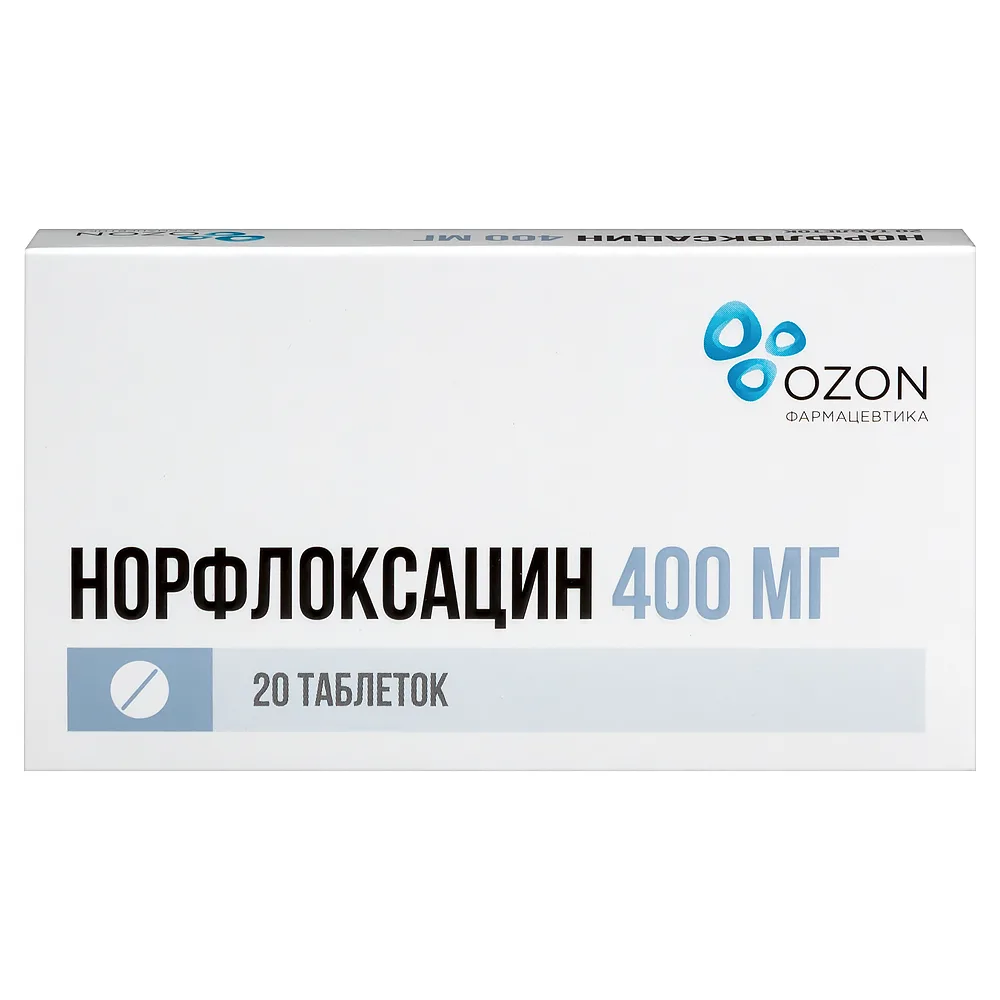
RU name Нолицин 400 мг 20 шт. таблетки, покрытые пленочной оболочкой
How we fulfill
Three checkpoints between the pharmacy shelf and your door. You see every one.
01
No grey-market middlemen, no warehouses we can't audit. Retail purchase, on demand, against your order.
02
A photo of your actual parcel in its original retail packaging lands in your inbox before it ships. Like this →
 Real customer parcel
03
To 120+ countries. Most parcels arrive in 7–18 days.
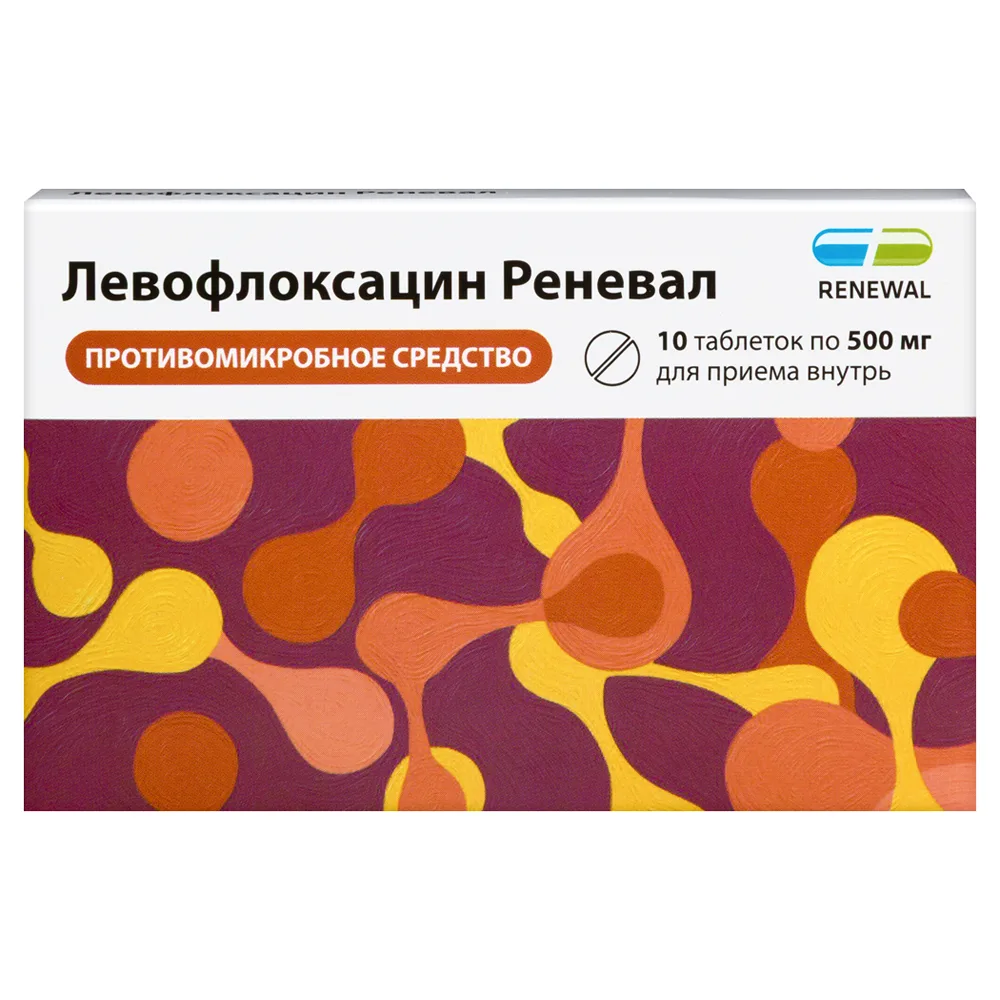
Levofloxacin · film-coated tablets
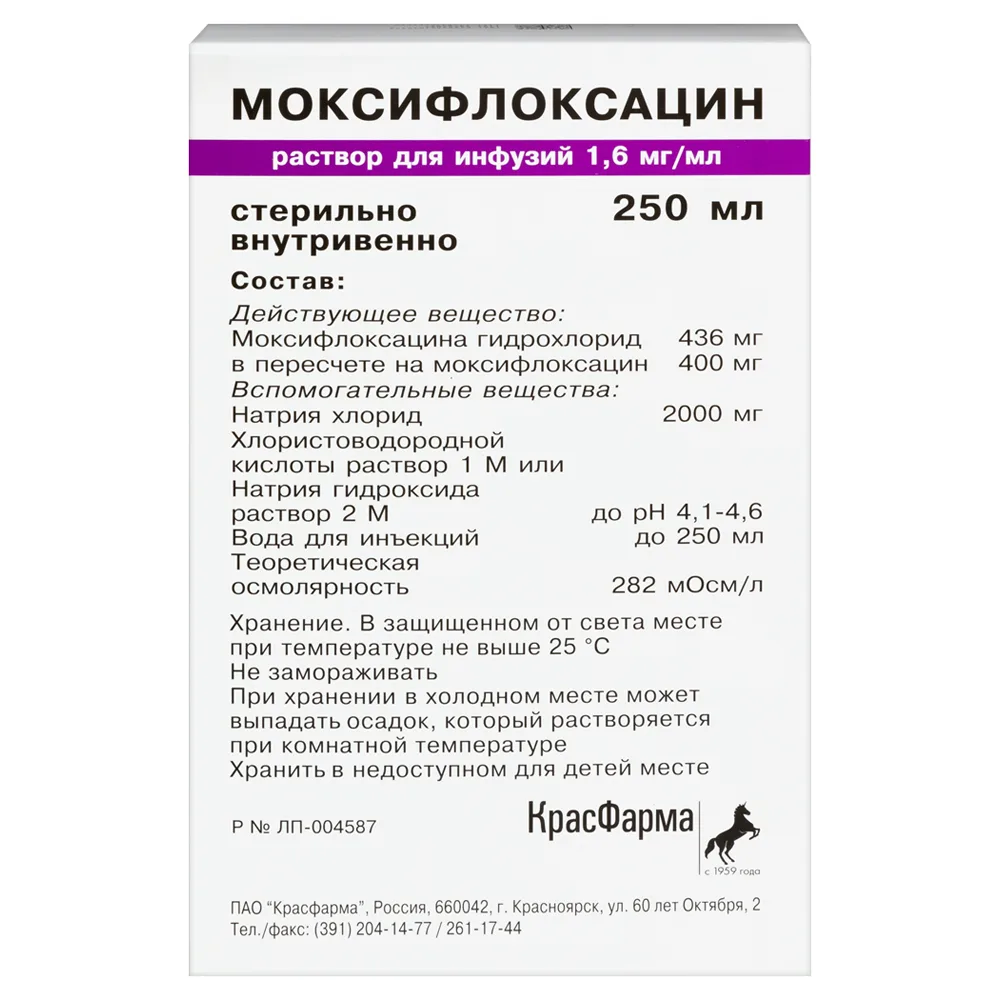
Moxifloxacin · solution for infusions
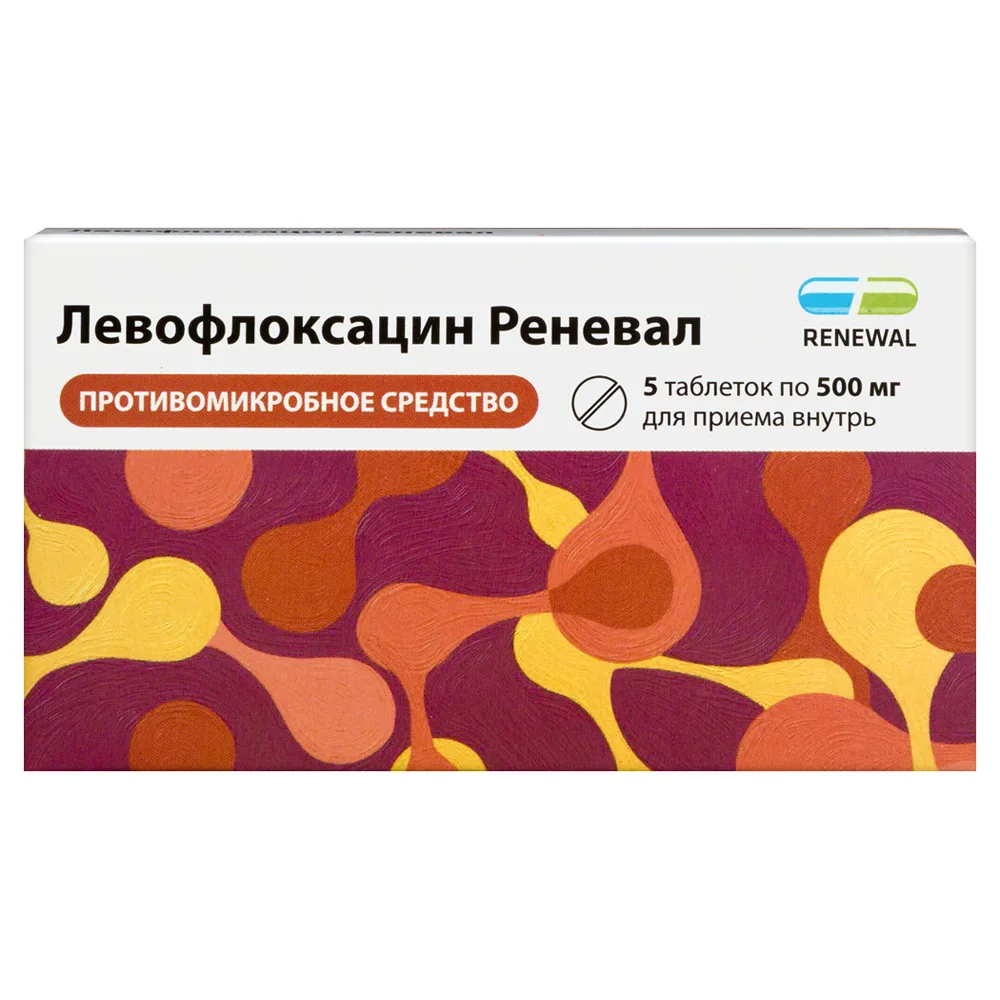
Levofloxacin · film-coated tablets
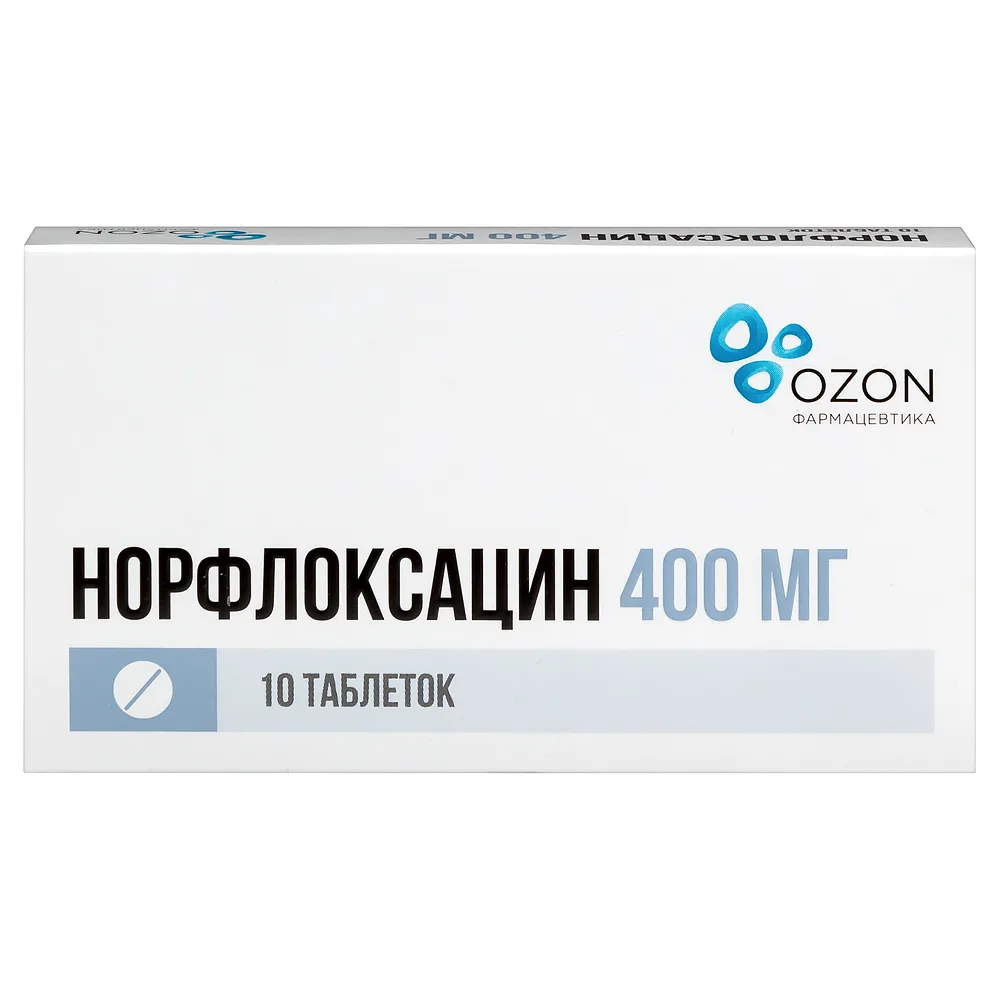

Levofloxacin · film-coated tablets