01
Sourced
A licensed Russian pharmacy buys it for you.
No grey-market middlemen, no warehouses we can't audit. Retail purchase, on demand, against your order.

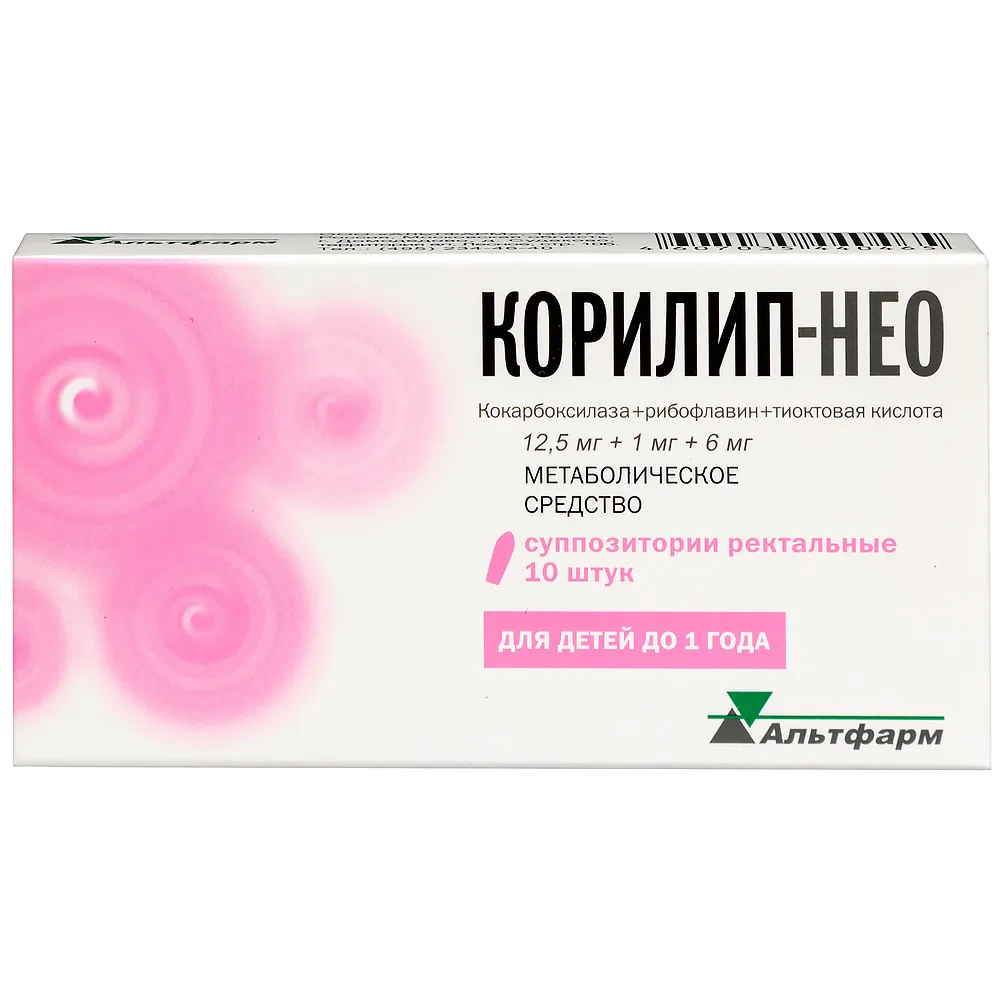 rectal suppositories
Riboflavin
SKU 90575
Same active ingredient
Other products with Riboflavin
Manufacturer leaflet
Facts from the printed manufacturer leaflet. Sections vary by drug — we only show what's actually in the box.
The drug is indicated for use for preventive and therapeutic purposes in combination therapy for the correction of energy deficiency states, increasing the effectiveness of basic treatment, and accelerating recovery processes in various pathological conditions in children, such as:
• Chronic tissue hypoxia (respiratory distress syndrome, hypoxic damage to the central nervous system, etc.).
• Decreased immunity (prolonged and recurrent course of ARVI, frequently ill children, stress states of the body, including during preventive vaccinations, during infectious epidemics).
• Bacterial and viral infections during the repair (recovery) period, including acute intestinal infections caused by viral and bacterial agents (rotavirus gastroenteritis, calicivirus infection, etc.) and complications of acute intestinal infections (dehydration, toxicosis, dysbiosis, etc.).
• Chronic somatic diseases (congenital heart defects, pneumonia, bronchitis, chronic inflammatory diseases of the urinary system, gastrointestinal dyskinesia, allergic reactions, increased excitability syndrome, asthenic conditions, etc.).
• Chronic intoxications.
• Nutritional disorders (hypotrophy) in children.
Препарат показан к применению с профилактической и лечебной целью в комплексной терапии для коррекции энергодефицитных состояний, повышения эффективности базового лечения и ускорения процессов восстановления при различных патологических состояниях у детей, таких как:
• Хроническая тканевая гипоксия (синдром дыхательных расстройств, гипоксическое поражение центральной нервной системы и др.).
• Снижение иммунитета (затяжное и рецидивирующее течение ОРВИ, часто болеющие дети, стрессовые состояния организма, в т.ч. при проведении профилактических прививок, в период инфекционных эпидемий).
• Бактериальные и вирусные инфекции в период репарации (восстановления), в том числе острые кишечные инфекции, обусловленные вирусными и бактериальными агентами (ротавирусный гастроэнтерит, калицивирусная инфекция и др.) и осложнения острых кишечных инфекций (эксикоз, токсикоз, дисбактериоз и др.).
• Хронические соматические заболевания (врожденный порок сердца, пневмония, бронхит, хронические воспалительные заболевания мочевыводящей системы, дискинезия желудочно-кишечного тракта, аллергические реакции, синдром повышенной возбудимости, астенические состояния и др.).
• Хронические интоксикации.
• Нарушение питания (гипотрофия) у детей.
The medication is administered rectally. After removing from the packaging, insert the suppository into the rectum following prior bowel evacuation.
Suppositories are prescribed for children under 1 year at a dosage of 1 suppository per day.
The duration of the treatment course is 10 days.
The total duration of treatment is 3-4 courses with an interval of 20 days (3-4 months).
Препарат применяют ректально. Освободив от упаковки, ввести суппозиторий в задний проход после предварительного опорожнения кишечника.
Суппозитории назначают детям до 1 года по 1 суппозиторию в сутки.
Длительность курса лечения - 10 дней.
Общая продолжительность лечения - 3-4 курса с промежутком в 20 дней
(3-4 месяца).
Composition per 1 suppository:
Active ingredients: cocarboxylase hydrochloride - 12.5 mg, riboflavin - 1 mg, thioctic acid (lipoic acid) - 6 mg.
Excipients: solid fat (Vitepsol H15, Vitepsol W35, Kernosol 35, Solid fat produced by "Bunge Loders Croklaan B.V.", Netherlands) - up to a mass of 0.95 g.
Yellow suppositories, torpedo-shaped with possible inclusions of orange-yellow color.
Состав на 1 суппозиторий:
Действующие вещества: кокарбоксилазы гидрохлорид - 12,5 мг, рибофлавин - 1 мг, тиоктовая кислота (липоевая кислота) - 6 мг.
Вспомогательное вещество: твердый жир (Витепсол Н15, Витепсол W35, Керносол 35, Твердый жир производства «Bunge Loders Croklaan B.V.», Нидерланды) - до массы 0,95 г.
Суппозитории желтого цвета, торпедообразной формы с возможными вкраплениями оранжево-желтого цвета.
Hypersensitivity reaction to the components of the preparation.
Inflammation or bleeding in the rectum (contraindication related to the route of administration).
The criteria for the duration of treatment, along with the clinical condition, include cytochemical indicators of the activity of leukocyte enzymes in peripheral blood (succinic dehydrogenase and glycerophosphate dehydrogenase).
Реакция гиперчувствительности на компоненты, входящие в состав препарата.
Воспаление или кровотечение в прямой кишке (противопоказание, связанное с путем введения).
Критериями продолжительности лечения наряду с клиническим состоянием являются цитохимические показатели активности ферментов лейкоцитов периферической крови (сукцинатдегидрогеназа и глицерофосфатде-гидрогеназа).
Possible allergic reactions - urticaria, itching, bronchospasm, dyspeptic phenomena.
If side effects occur, discontinue use of the medication and consult a doctor.
Criteria for the duration of treatment, along with clinical condition, include cytochemical indicators of the activity of leukocyte enzymes in peripheral blood (succinic dehydrogenase and glycerophosphate dehydrogenase).
Release form:
Rectal suppositories (12.5 mg + 1 mg + 6 mg). Packaged in a blister pack of polyvinyl chloride film containing 5 suppositories. Two blister packs along with the instruction manual in a cardboard box.
Storage conditions:
At a temperature not exceeding 25°C.
Keep out of reach of children.
Shelf life:
2 years.
Do not use after the expiration date indicated on the packaging.
Dispensing conditions:
By prescription.
Cases of overdose have not been reported.
Drug interactions:
No negative interactions have been noted. The drug can be used in combination therapy.
Возможны аллергические реакции - крапивница, зуд, бронхоспазм, диспептические явления.
При появлении побочных реакций прекратить применение препарата и обратиться к врачу.
Критериями продолжительности лечения наряду с клиническим состоянием являются цитохимические показатели активности ферментов лейкоцитов периферической крови (сукцинатдегидрогеназа и глицерофосфатдегидрогеназа).
Форма выпуска:
Суппозитории ректальные (12,5 мг + 1 мг + 6 мг). По 5 суппозиториев в контурной ячейковой упаковке из пленки поливинилхлоридной. Две контурные упаковки вместе с инструкцией по применению в пачке картонной.
Условия хранения:
При температуре не выше 25 0С.
Хранить в недоступном для детей месте.
Срок годности:
2 года.
Не применять по истечении срока годности, указанного на упаковке.
Условия отпуска:
По рецепту.
Случаи передозировки не описаны.
Взаимодействие с другими лекарственными средствами:
Отрицательного взаимодействия не отмечалось. Препарат может применяться при комплексной терапии.
Combined preparation, the action of which is determined by the effects of the vitamins and coenzymes included in its composition, as well as their synergistic action. The preparation improves tissue metabolism in various physiological and pathological conditions that require correction with cofactors and substrates.
Cocarboxylase
Cocarboxylase is a coenzyme of thiamine (vitamin B1), which is phosphorylated in the body to form mono-, di-, and triphosphate esters. It is part of the enzymes that catalyze the carboxylation and decarboxylation of alpha-keto acids and pyruvic acid. Endogenous cocarboxylase is formed in the body from exogenous thiamine through phosphorylation; however, the properties of cocarboxylase do not fully correspond to those of thiamine, and it cannot be used for the prevention and treatment of hypovitaminosis and avitaminosis B1. Cocarboxylase improves glucose absorption, tissue trophism of the nervous system, and contributes to the normalization of cardiovascular system function. It reduces the levels of lactic and pyruvic acids in the blood (an increase in the content of these acids leads to the development of acidosis and acidotic coma).
Riboflavin
Riboflavin (vitamin B2) has a metabolic effect; it interacts with ATP to form coenzymes of flavin proteins - flavin adenine mononucleotide and flavin adenine dinucleotide, which are components of enzymes such as succinate dehydrogenase, cytochrome reductase, diaphorase, amino acid oxidases, and others. By regulating redox processes, it participates in hydrogen (H+) transfer, tissue respiration, carbohydrate, protein, and fat metabolism, maintaining normal visual function of the eye, and synthesizing hemoglobin and erythropoietin. Riboflavin-activated pyridoxal kinase converts pyridoxine (vitamin B6) into the active form pyridoxal phosphate. It contributes to the conversion of tryptophan into niacin and the maintenance of erythrocyte integrity. It is part of glutathione reductase and xanthine oxidase. It is synthesized by normal intestinal microflora and is necessary for its maintenance.
Alpha-lipoic acid
Alpha-lipoic acid (thioctic acid) is an endogenous antioxidant (it binds free radicals). It is formed in the body during the oxidative decarboxylation of alpha-keto acids. As a coenzyme of mitochondrial multi-enzyme complexes, it participates in the oxidative decarboxylation of pyruvic acid and alpha-keto acids. In terms of biochemical action, alpha-lipoic acid is similar to B vitamins. It improves the trophism of neurons. It contributes to lowering blood glucose levels and increasing glycogen content in the liver, as well as reducing insulin resistance. It participates in the regulation of lipid and carbohydrate metabolism, stimulates cholesterol metabolism, improves liver function, and has a detoxifying effect in cases of poisoning with heavy metal salts and other intox
Cocarboxylase
Cocarboxylase penetrates most tissues in the body, but the highest concentration is observed in the liver, kidneys, brain, and heart. It is metabolized in the liver. The metabolites are primarily excreted by the kidneys.
Riboflavin
Riboflavin is distributed unevenly (with the highest amounts in the myocardium, liver, and kidneys). The binding to plasma proteins (mainly in the form of metabolites - flavin adenine mononucleotide and flavin adenine dinucleotide) is 60%. It crosses the placenta and is present in breast milk. It is metabolized in the liver. It is excreted by the kidneys, primarily as metabolites. The half-life is 66-84 minutes.
Thioctic Acid
Thioctic acid is metabolized in the liver through oxidation of the side chain and conjugation. The volume of distribution is approximately 450 ml/kg. The total plasma clearance is 10-15 ml/min. Thioctic acid and its metabolites are excreted by the kidneys (80-90%). The half-life is 20-50 minutes.
Комбинированный препарат, действие которого определяется эффектами, входящих в его состав витаминов и коферментов, а также их синергичным действием. Препарат улучшает тканевой обмен при различных физиологических и патологических состояниях, нуждающихся в коррекции кофакторами и субстратами.
Кокарбоксилаза
Кокарбоксилаза - кофермент тиамина (витамина В1), в организме фосфо-рилируется с образованием моно-, ди-, трифосфорных эфиров, входит в состав ферментов, катализирующих карбоксилирование и декарбоксилирование альфа-кетокислот, пировиноградной кислоты. Эндогенная кокар-боксилаза образуется в организме из экзогенного тиамина путем фосфорилирования, однако свойства кокарбоксилазы не полностью соответствуют свойствам тиамина и ее нельзя использовать для профилактики и лечения гипо- и авитаминоза В1. Кокарбоксилаза улучшает усвоение глюкозы, трофику тканей нервной системы, способствует нормализации функции сердечно-сосудистой системы. Снижает уровень молочной и пировиноградной кислот в крови (повышение содержания этих кислот приводит к развитию ацидоза и ацидотической комы).
Рибофлавин
Рибофлавин (витамин В2) оказывает метаболическое действие; взаимодействует с АТФ, образуя коэнзимы флавинпротеинов - флавинаденинмоно-нуклеотид и флавинадениндинуклеотид, являющиеся компонентами таких ферментов, как сукцинатдегидрогеназа, цитохромредуктаза, диафораза, оксидазы аминокислот и др. Регулируя окислительно-восстановительные процессы, принимает участие в переносе водорода (Н+), тканевом дыхании, углеводном, белковом и жировом обменах, в поддержании нормальной зрительной функции глаза, синтезе гемоглобина и эритропоэтина. Активируемая рибофлавином пиридоксалькиназа превращает пиридоксин (витамин В6) в активную форму пиридоксальфосфат. Способствует превращению триптофана в ниацин, сохранению целостности эритроцитов. Входит в состав глутатионредуктазы, ксантиноксидазы. Синтезируется нормальной кишечной микрофлорой и сам необходим для ее поддержания. Тиоктовая кислота
Тиоктовая кислота (альфа-липоевая кислота) — эндогенный антиоксидант (связывает свободные радикалы). В организме образуется при окислительном декарбоксилировании альфа-кетокислот. В качестве кофермента митохондриальных мультиферментных комплексов участвует в окислительном декарбоксилировании пировиноградной кислоты и альфа-кетокислот. По характеру биохимического действия тиоктовая кислота близка к витаминам группы В. Улучшает трофику нейронов. Способствует снижению содержания глюкозы в крови и увеличению содержания гликогена в печени, а также снижению инсулинорезистентности. Участвует в регулировании липидного и углеводного обмена, стимулирует обмен холестерина, улучшает функцию печени, оказывает дезинтоксикационное действие при отравлении солями тяжелых металлов и при других интоксикациях. Оказывает гепатопротектороное, гиполипидемическое, гипохолестеринемиче-ское, гипогликемическое действие.
Кокарбоксилаза
Кокарбоксилаза проникает в большинство тканей организма, но наибольшая концентрация наблюдается в печени, почках, мозге и сердце. Метаболизируется в печени. Продукты метаболизма экскретируется преимущественно почками.
Рибофлавин
Рибофлавин распределяется неравномерно (наибольшее количество в миокарде, печени, почках). Связь (преимущественно в виде метаболитов - флавинаденинмононуклеотида и флавинадениндинуклеотида) с белками плазмы - 60 %. Проникает через плаценту и в грудное молоко. Метаболизируется в печени. Выводится почками, преимущественно в виде метаболитов. Период полувыведения - 66-84 мин.
Тиоктовая кислота
Тиоктовая кислота метаболизируется в печени путем окисления боковой цепи и конъюгирования. Объем распределения - около 450 мл/кг. Общий плазменный клиренс - 10-15 мл/мин. Тиоктовая кислота и ее метаболиты выводятся почками (80-90 %). Период полувыведения - 20-50 мин.
Store in a light-protected place at a temperature not exceeding 20 °C.
В защищенном от света месте при температуре не выше 20 °С.
RU name Корилип-нео 10 шт. суппозитории ректальные
How we fulfill
Three checkpoints between the pharmacy shelf and your door. You see every one.
01
No grey-market middlemen, no warehouses we can't audit. Retail purchase, on demand, against your order.
02
A photo of your actual parcel in its original retail packaging lands in your inbox before it ships. Like this →
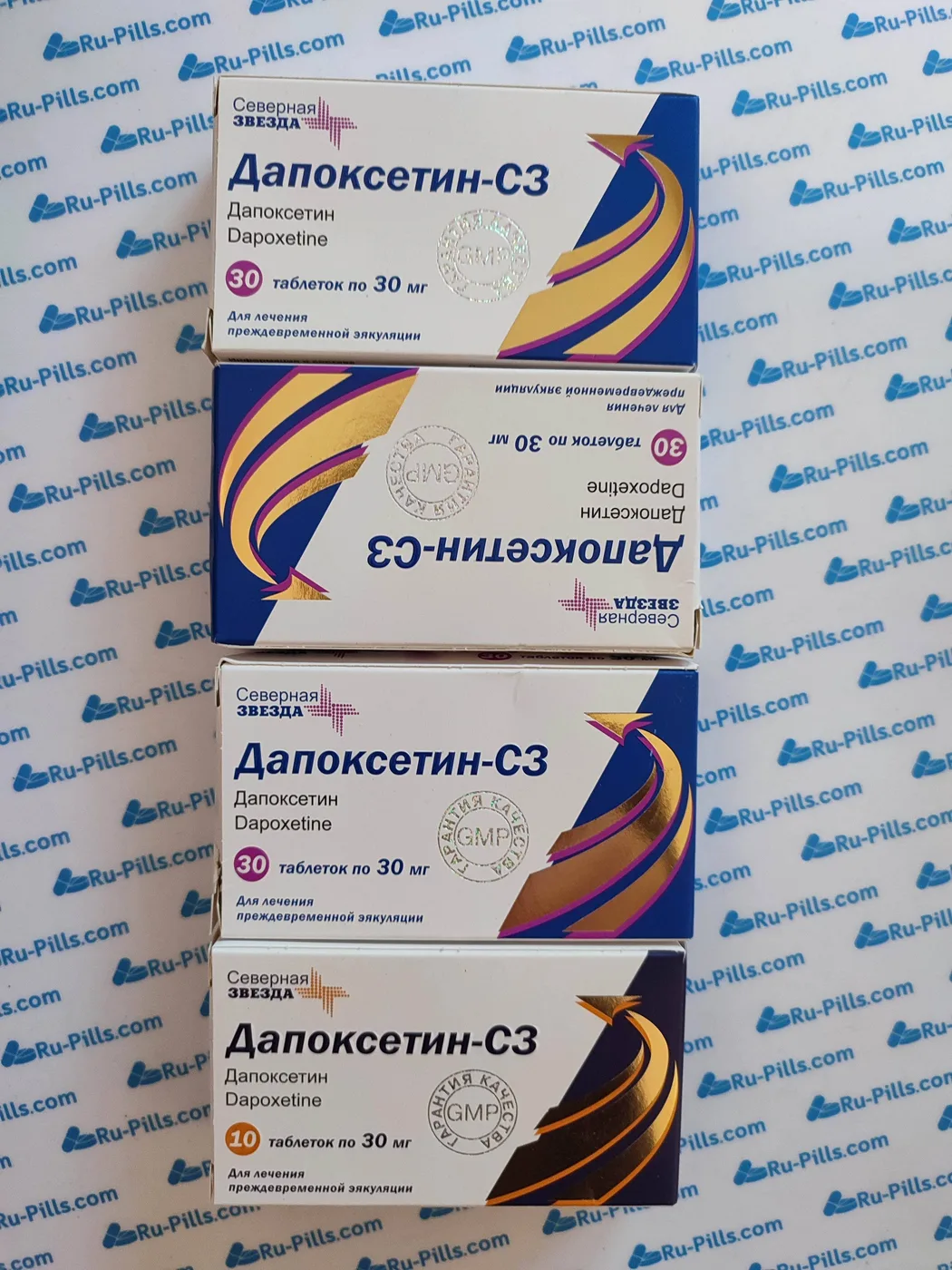 Real customer parcel
03
To 120+ countries. Most parcels arrive in 7–18 days.
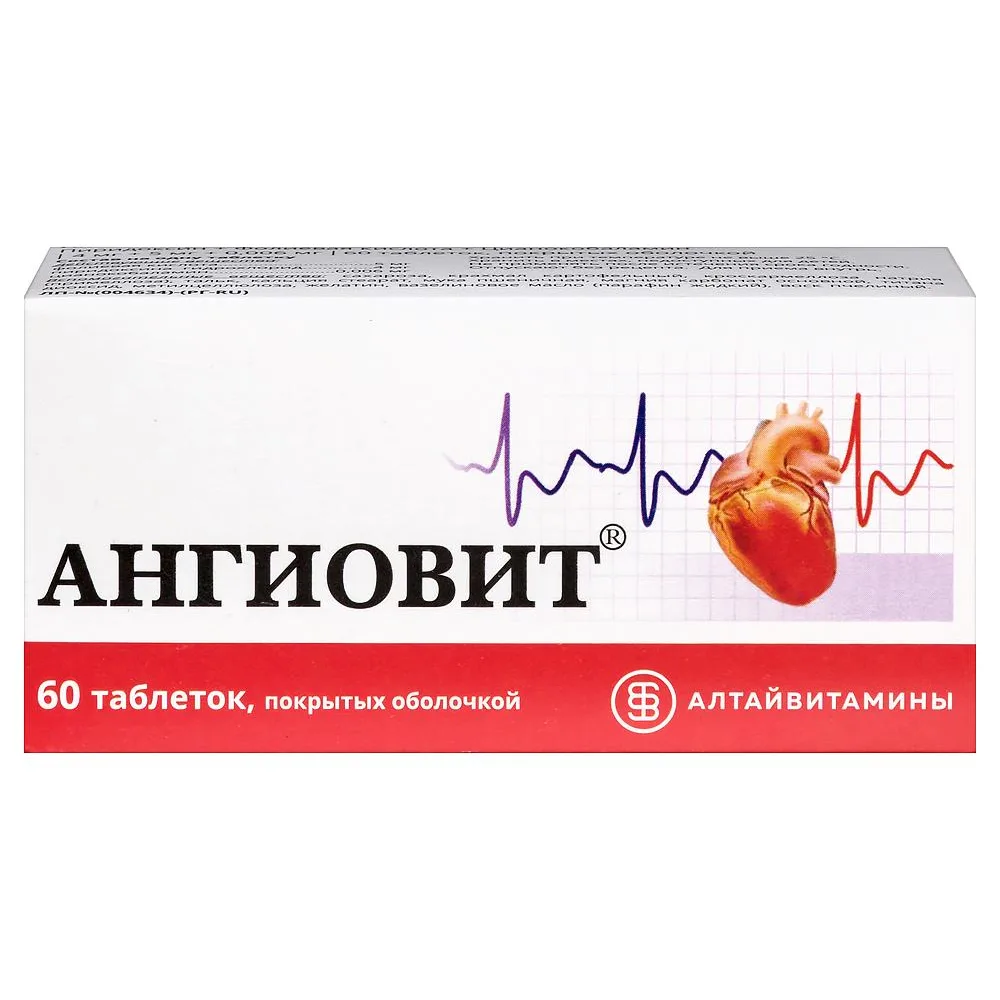
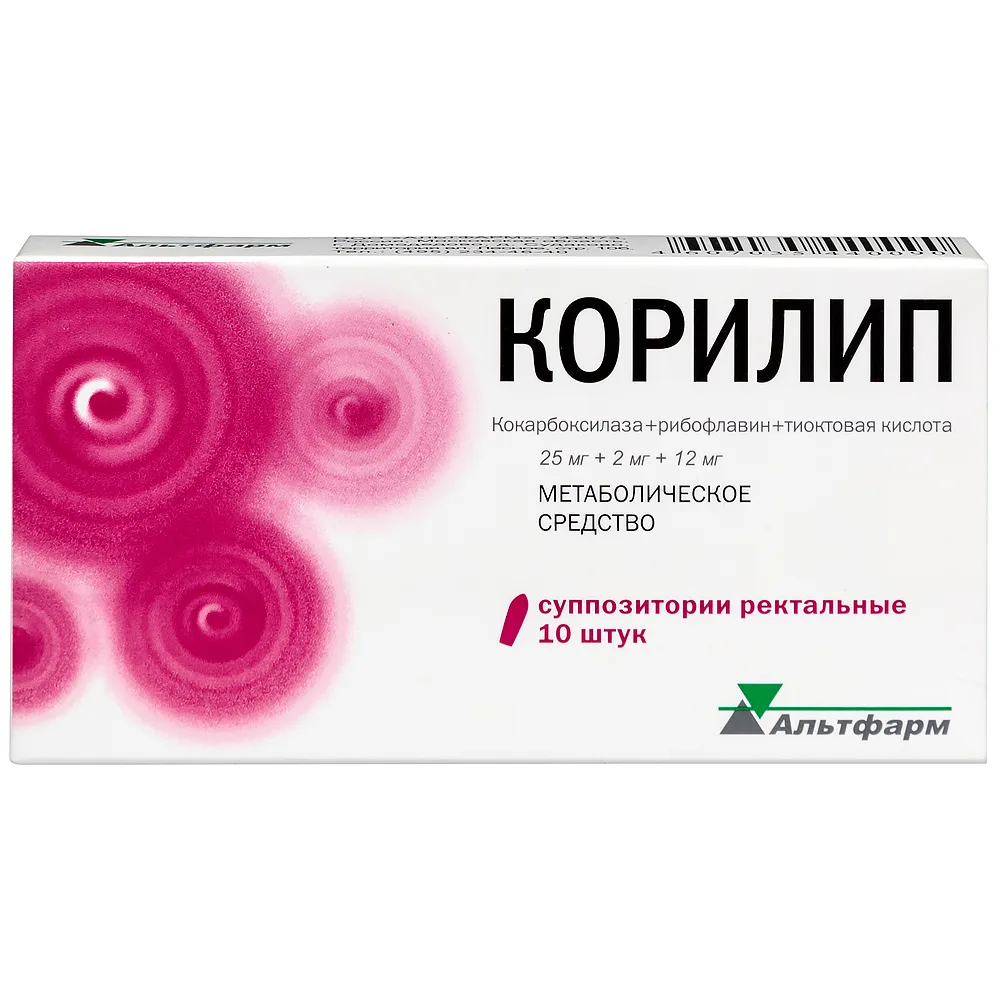
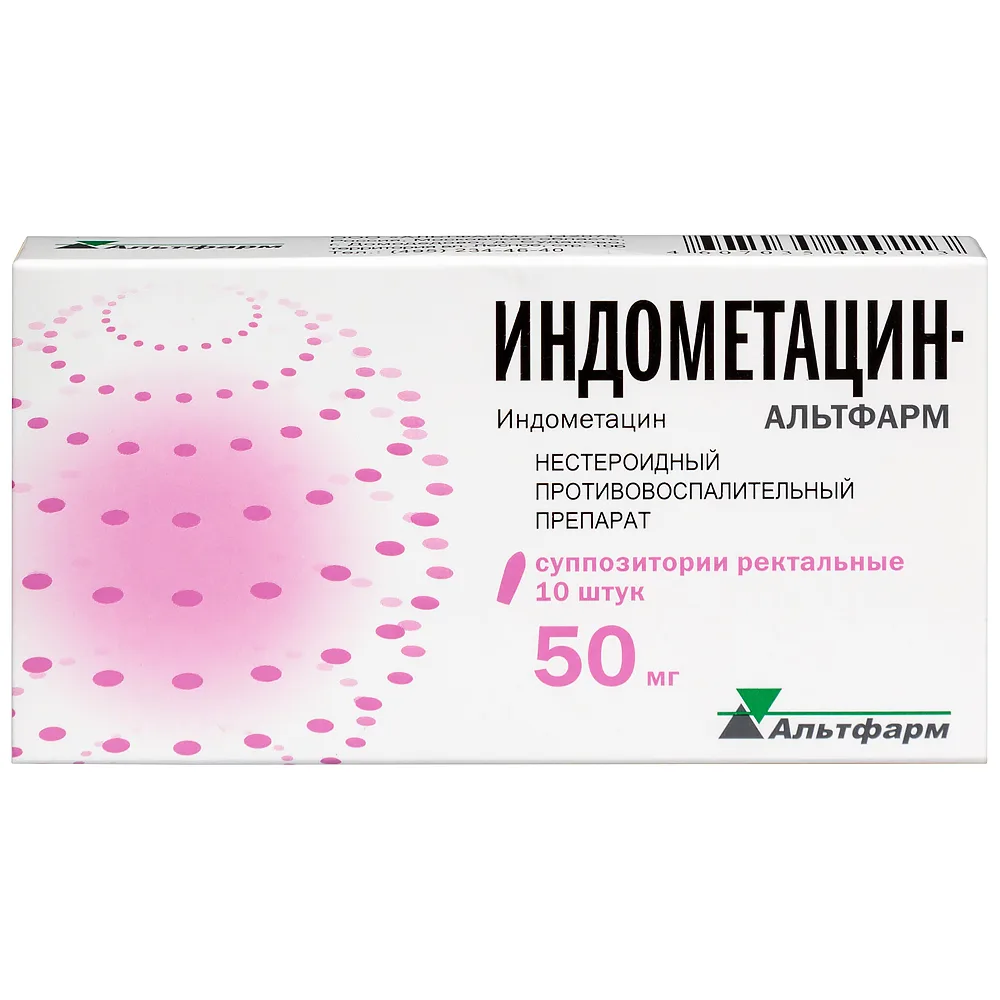
Indomethacin · rectal suppositories
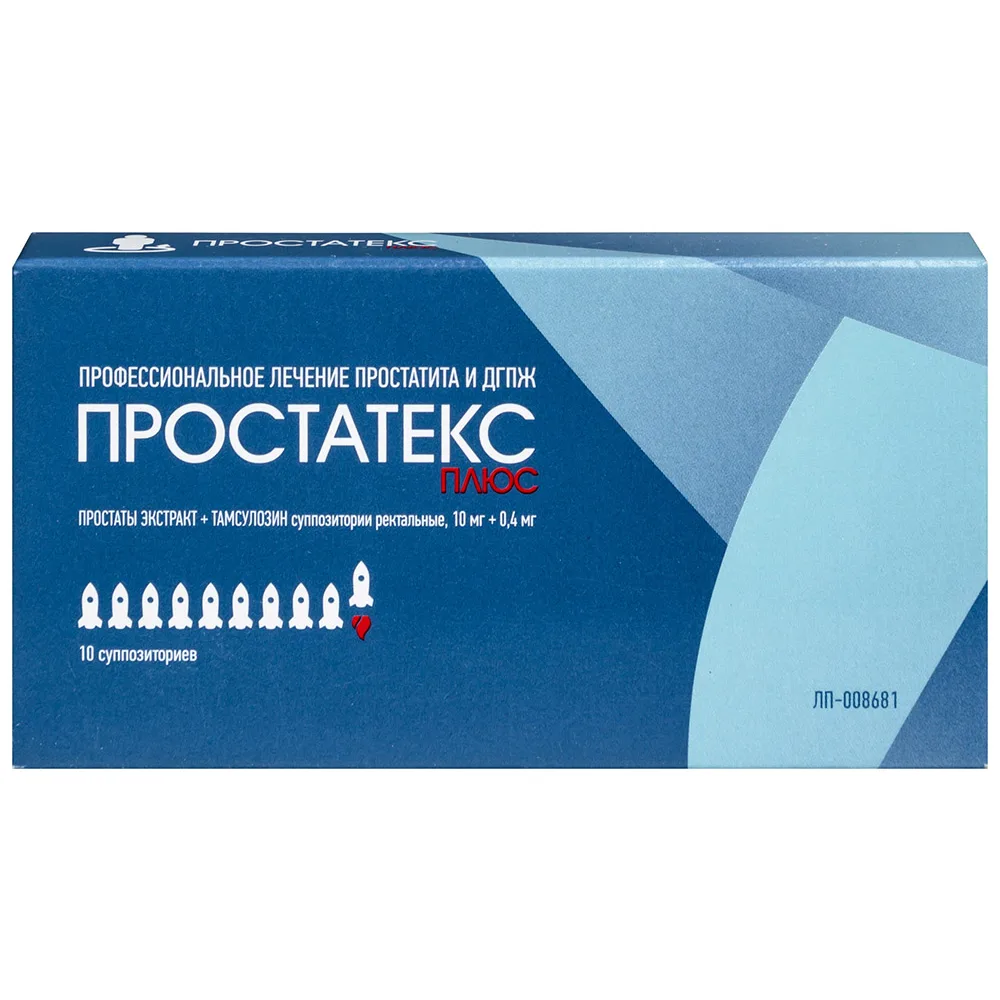
Prostate Extract · rectal suppositories
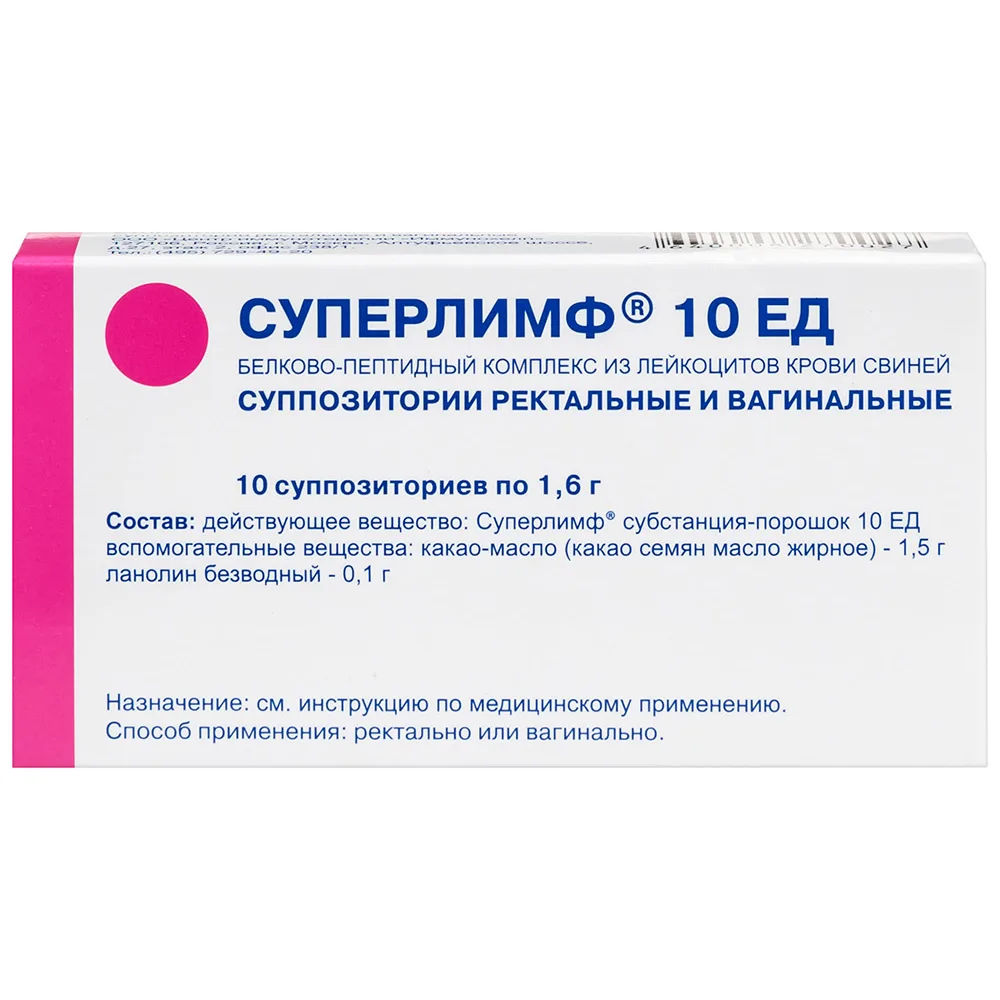
Protein-peptide complex from pig blood leukocytes · vaginal and rectal suppositories