01
Sourced
A licensed Russian pharmacy buys it for you.
No grey-market middlemen, no warehouses we can't audit. Retail purchase, on demand, against your order.

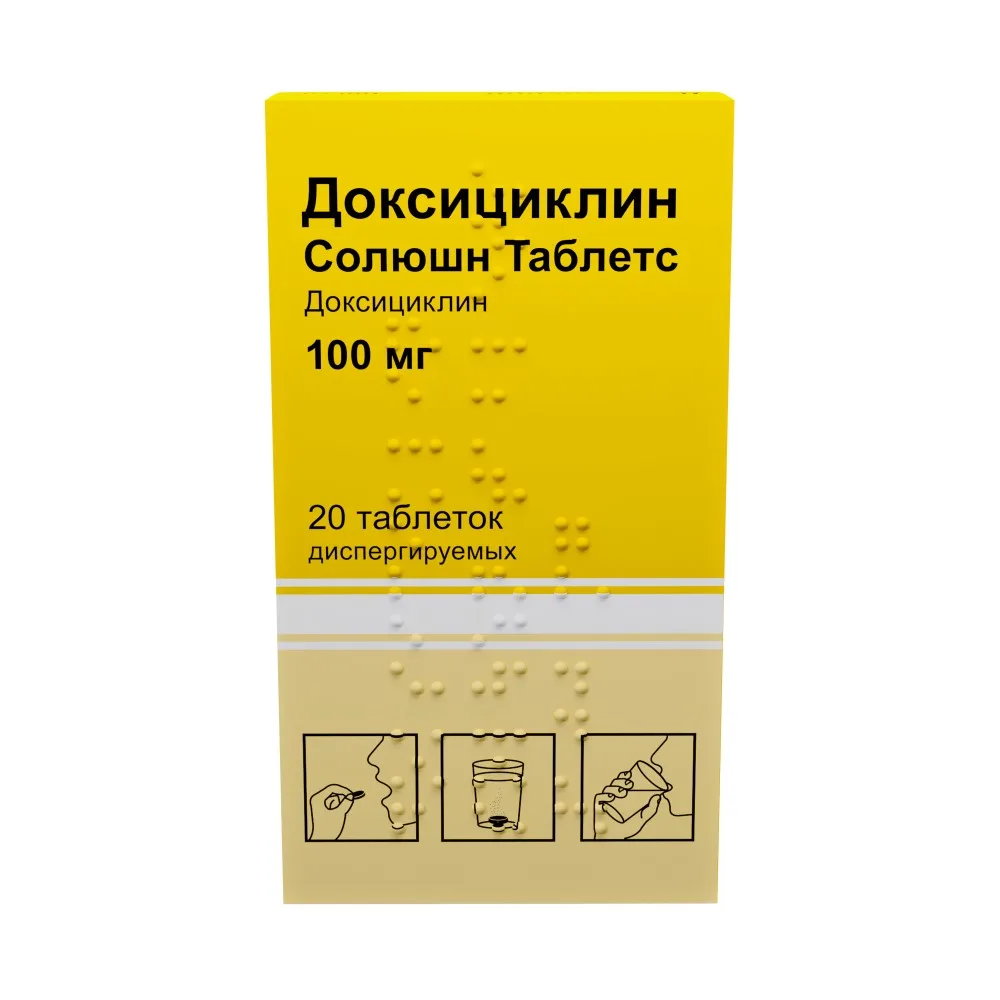 dispersible tablets
Doxycycline
SKU 91401
Same active ingredient
Other products with Doxycycline
All packagings
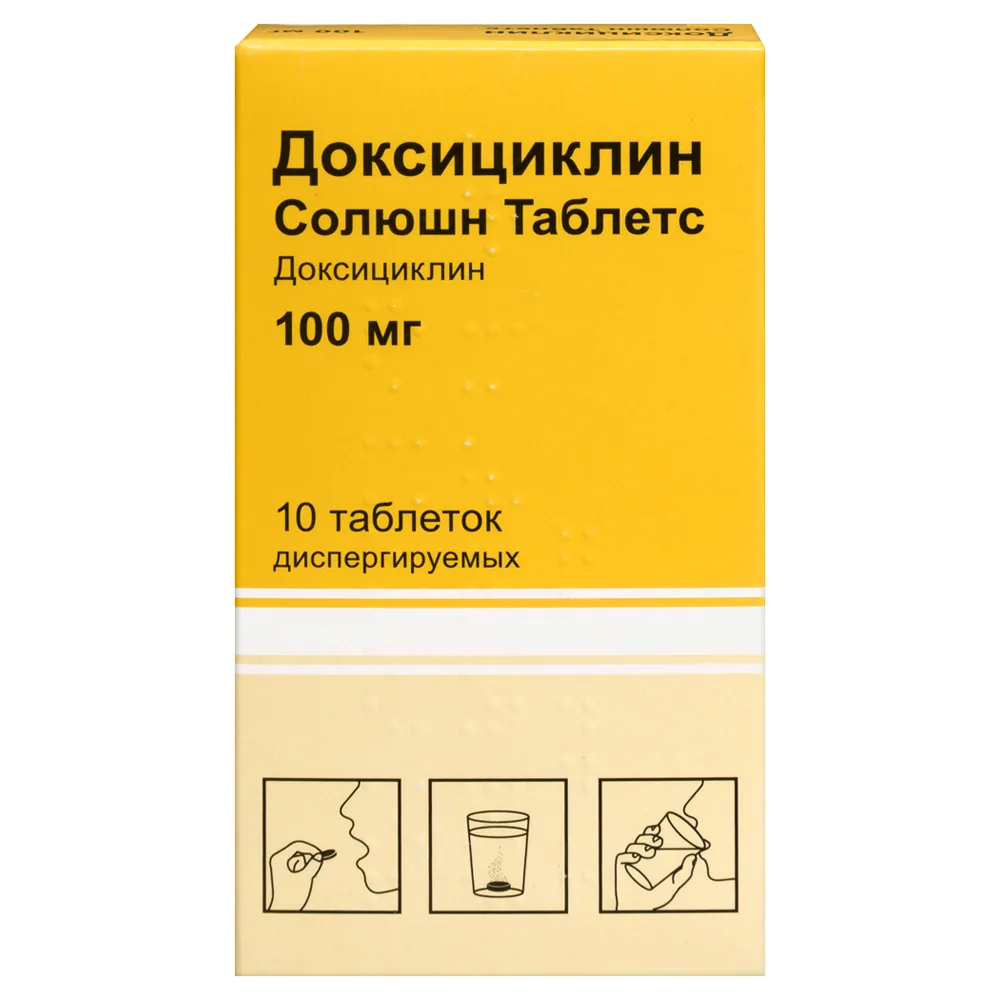
Cheapest option
Price
$9.34
Selected · use button above
Price
$12.27
Manufacturer leaflet
Facts from the printed manufacturer leaflet. Sections vary by drug — we only show what's actually in the box.
Infectious-inflammatory diseases caused by microorganisms sensitive to doxycycline:
• respiratory tract infections, including pharyngitis, acute bronchitis, exacerbation of chronic obstructive pulmonary disease, tracheitis, bronchopneumonia, lobar pneumonia, community-acquired pneumonia, lung abscess, pleural empyema;
• ENT infections, including otitis media, sinusitis, tonsillitis;
• urinary tract infections: cystitis, pyelonephritis, bacterial prostatitis, urethritis, urethrocystitis, urogenital mycoplasmosis, acute orchiepididymitis; endometritis, endocervicitis, and salpingo-oophoritis as part of combination therapy; including sexually transmitted infections: urogenital chlamydia, syphilis in patients with penicillin intolerance, uncomplicated gonorrhea (as alternative therapy), inguinal granuloma, lymphogranuloma venereum;
• gastrointestinal tract and biliary tract infections (cholera, yersiniosis, cholecystitis, cholangitis, gastroenterocolitis, bacillary and amoebic dysentery, traveler's diarrhea);
• skin and soft tissue infections (including wound infections after animal bites), severe acne (as part of combination therapy);
• other diseases: frambesia, legionellosis, chlamydia of various localizations (including prostatitis and proctitis), rickettsiosis, Q fever, Rocky Mountain spotted fever, typhus (including epidemic, tick-borne relapsing), Lyme disease (stage I - erythema migrans), tularemia, plague, actinomycosis, malaria; infectious eye diseases, as part of combination therapy - trachoma; leptospirosis, psittacosis, ornithosis, anthrax (including pulmonary form), bartonellosis, granulocytic ehrlichiosis; whooping cough, brucellosis, osteomyelitis; sepsis, subacute septic endocarditis, peritonitis;
• prevention of postoperative purulent complications; malaria caused by Plasmodium falciparum during short-term travel (less than 4 months) in areas where strains resistant to chloroquine and/or pyrimethamine + sulfadoxine are prevalent.
Инфекционно-воспалительные заболевания, вызванные чувствительными к доксициклину микроорганизмами:
• инфекции дыхательных путей, в том числе фарингит, бронхит острый, обострение хронической обструктивной болезни легких, трахеит, бронхопневмония, долевая пневмония, внебольничная пневмония, абсцесс легкого, эмпиема плевры;
• инфекции ЛОР-органов, в том числе отит, синусит, тонзиллит;
• инфекции мочеполовой системы: цистит, пиелонефрит, бактериальный простатит, уретрит, уретроцистит, урогенитальный микоплазмоз, острый орхоэпидидимит; эндометрит, эндоцервицит и сальпингоофорит в составе комбинированной терапии; в том числе инфекции, передающиеся половым путем: урогенитальный хламидиоз, сифилис у пациентов с непереносимостью пенициллинов, неосложненная гонорея (как альтернативная терапия), паховая гранулема, венерическая лимфогранулема;
• инфекции желудочно-кишечного тракта и желчевыводящих путей (холера, иерсиниоз, холецистит, холангит, гастроэнтероколит, бациллярная и амебная дизентерия, диарея «путешественников»);
• инфекции кожи и мягких тканей (включая раневые инфекции после укуса животных), тяжелая угревая болезнь (в составе комбинированной терапии);
• другие заболевания: фрамбезия, легионеллез, хламидиоз различной локализации (в т. ч. простатит и проктит), риккетсиоз, лихорадка Ку, пятнистая лихорадка Скалистых гор, тиф (в т.ч. сыпной, клещевой возвратный), болезнь Лайма (I ст. - erythema migrans), туляремия, чума, актиномикоз, малярия; инфекционные заболевания глаз, в составе комбинированной терапии - трахома; лептоспироз, пситтакоз, орнитоз, сибирская язва (в т. ч. легочная форма), бартонеллез, гранулоцитарный эрлихиоз; коклюш, бруцеллез, остеомиелит; сепсис, подострый септический эндокардит, перитонит;
• профилактика послеоперационных гнойных осложнений; малярии, вызванной Plasmodium falciparum, при кратковременных путешествиях (менее 4 мес.) на территории, где распространены штаммы, устойчивые к хлорохину и/или пириметамин + сульфадоксину.
Orally.
It is preferable to take during meals. Tablets should be taken while sitting or standing, which reduces the likelihood of developing esophagitis or esophageal ulcer.
The medication should not be taken immediately before bedtime.
Tablets are dissolved in a small amount of water (about 20 ml) to obtain a suspension; tablets can also be swallowed whole, divided into parts, or chewed, followed by water.
The usual duration of treatment is 5-10 days.
Adults
200 mg in 1-2 doses on the first day of treatment, then 100 mg daily. In cases of severe infections, the medication is prescribed at a dose of 200 mg daily for the entire course of treatment.
Dosage adjustments for certain conditions
For infections caused by S. pyogenes, the medication is taken for at least 10 days.
For uncomplicated gonorrhea (excluding anorectal infections in men):
Adults - 100 mg twice daily until complete recovery (on average for 7 days), or 600 mg is prescribed in one day - 300 mg in 2 doses (the second dose 1 hour after the first).
For primary syphilis - 100 mg twice daily for 14 days; for secondary syphilis - 100 mg twice daily for 28 days.
For uncomplicated urogenital infections caused by Chlamydia trachomatis, cervicitis, non-gonococcal urethritis caused by Ureaplasma urealiticum - 100 mg twice daily for 7 days.
For acne - 100 mg once daily, treatment course 6-12 weeks.
Malaria (prophylaxis): 100 mg once daily 1-2 days before travel, then daily during travel and for 4 weeks after returning.
Traveler's diarrhea (prophylaxis) - 200 mg on the first day of travel in 1 or 2 doses, then 100 mg once daily for the entire stay in the region (no more than 3 weeks).
Treatment of leptospirosis - 100 mg orally twice daily for 7 days; prophylaxis of leptospirosis - 200 mg once a week during stay in an endemic area and 200 mg at the end of the trip.
For the prevention of infections during medical abortion - 100 mg 1 hour before and 200 mg after the procedure.
Maximum daily doses for adults - up to 300 mg/day or up to 600 mg/day for 5 days in cases of severe gonococcal infections. For children over 8 years old weighing more than 50 kg - up to 200 mg; for children 8-12 years old weighing less than 50 kg - 4 mg/kg daily for the entire treatment.
Special patient groups
Patients with impaired kidney and/or liver function
In the presence of renal insufficiency (creatinine clearance less than 60 ml/min) and/or liver insufficiency, a reduction in the daily dose of doxycycline is required, as there is a gradual accumulation in the body (risk of hepatotoxic effects).
Children
The dosing regimen for children aged 8 to 18 years weighing more than 50 kg is the same as for adults.
The dosing regimen for children aged 8 to 18 years for malaria - 2 mg/kg once daily.
For children aged 8-12 years weighing less than 50 kg
The average daily dose is 4 mg/kg on the first day, then 2 mg/kg daily (in 1-2 doses). In cases of severe infection, the medication is used at a dose of 4 mg/kg daily for the entire course of treatment.
Внутрь.
Предпочтительно принимать во время еды. Принимают таблетки сидя или стоя, что уменьшает вероятность развития эзофагита или язвы пищевода.
Препарат не следует принимать непосредственно перед сном.
Таблетки растворяют в небольшом количестве воды (около 20 мл) с получением суспензии, таблетки можно также проглотить целиком, разделить на части или разжевать, запивая водой.
Обычно продолжительность лечения составляет 5-10 дней.
Взрослые
По 200 мг в 1-2 приема в первый день лечения, далее по 100 мг ежедневно. В случаях тяжелых инфекций препарат назначают в дозе 200 мг ежедневно в течение всего курса лечения.
Особенности дозирования при некоторых заболеваниях
При инфекции, вызванной S. pyogenes, препарат принимают не менее 10 дней.
При неосложненной гонорее (за исключением аноректальных инфекций у мужчин):
Взрослым - по 100 мг 2 раза в сутки до полного излечения (в среднем в течение 7 дней), либо в течение одного дня назначают 600 мг - по 300 мг в 2 приема (второй прием через
1 час после первого).
При первичном сифилисе - по 100 мг 2 раза в день в течение 14 дней, при вторичном сифилисе - по 100 мг 2 раза в день в течение 28 дней.
При неосложненных урогенитальных инфекциях, вызванных Chlamydia trachomatis, цервиците, негонококковом уретрите, вызванных Ureaplasma urealiticum - по 100 мг
2 раза в сутки в течение 7 дней.
При угревой сыпи - по 100 мг 1 раз в сутки, курс лечения 6-12 недель.
Малярия (профилактика): по 100 мг 1 раз в сутки за 1-2 дня до поездки, затем ежедневно во время поездки и в течение 4 недель после возвращения.
Диарея «путешественников» (профилактика) - 200 мг в первый день поездки в 1 или
2 приема, далее по 100 мг 1 раз в сутки в течение всего пребывания в регионе (не более
3 недель).
Лечение лептоспироза - по 100 мг внутрь 2 раза в сутки в течение 7 дней; профилактика лептоспироза - по 200 мг 1 раз в неделю в течение пребывания в неблагополучном районе и 200 мг в конце поездки.
С целью профилактики инфекций при медицинском аборте - 100 мг за 1 час до и 200 мг после вмешательства.
Максимальные суточные дозы для взрослых - до 300 мг/сут или до 600 мг/сут в течение
5 дней при тяжелых гонококковых инфекциях. Для детей старше 8 лет с массой тела более 50 кг - до 200 мг, для детей 8-12 лет с массой тела менее 50 кг - 4 мг/кг ежедневно в течение всего лечения.
Особые группы пациентов
Пациенты с нарушением функции почек и/или печени
При наличии почечной недостаточности (клиренс креатинина менее 60 мл/мин) и/или печеночной недостаточности требуется снижение суточной дозы доксициклина, поскольку при этом происходит постепенное накопление его в организме (риск гепатотоксического действия).
Дети
Режим дозирования для детей от 8 до 18 лет с массой тела более 50 кг не отличается от режима дозирования у взрослых.
Режим дозирования для детей от 8 до 18 лет при малярии - по 2 мг/кг 1 раз в сутки.
Детям 8-12 лет с массой тела менее 50 кг
Средняя суточная доза - 4 мг/кг в первый день, далее - по 2 мг/кг в день (в 1-2 приема). В случаях тяжелой инфекции препарат применяют в дозе 4 мг/кг ежедневно в течение всего курса лечения.
Composition per tablet:
Active ingredient: doxycycline monohydrate – 104.00 mg, equivalent to doxycycline – 100.00 mg.
Excipients: lactose monohydrate (milk sugar) – 140.80 mg; microcrystalline cellulose (MCC-200) – 96.00 mg; low-substituted hydroxypropylcellulose – 29.25 mg; sodium saccharin – 10.00 mg; hypromellose – 5.85 mg; magnesium stearate – 3.12 mg; colloidal silicon dioxide – 0.98 mg.
Oval, biconvex tablets, from gray-yellow or light yellow to brown-yellow in color with speckles, with a score line.
Состав на одну таблетку:
Действующее вещество: доксициклина моногидрат – 104,00 мг, в пересчете на доксициклин – 100,00 мг.
Вспомогательные вещества: лактозы моногидрат (сахар молочный) – 140,80 мг; целлюлоза микрокристаллическая (МКЦ-200) – 96,00 мг; гипролоза низкозамещенная – 29,25 мг; натрия сахаринат – 10,00 мг; гипромеллоза – 5,85 мг; магния стеарат – 3,12 мг; кремния диоксид коллоидный – 0,98 мг.
овальные, двояковыпуклые таблетки, от серо-желтого или светло-желтого до коричнево-желтого цвета с вкраплениями, с риской.
• hypersensitivity to doxycycline, other tetracyclines, or any of the excipients;
• pregnancy;
• breastfeeding period;
• pediatric age under 8 years;
• severe liver and/or kidney dysfunction;
• porphyria;
• lactose intolerance, lactase deficiency, glucose-galactose malabsorption.
There is a possibility of cross-resistance and hypersensitivity with other tetracycline drugs.
Tetracyclines may increase prothrombin time; the use of tetracyclines in patients with coagulopathies should be carefully monitored.
The anti-anabolic effect of tetracyclines may lead to an increase in blood urea nitrogen levels. Generally, this is not significant for patients with normal kidney function. However, in patients with renal insufficiency, an increase in azotemia may be observed. The use of tetracyclines in patients with impaired kidney function requires medical supervision.
With prolonged use of the drug, periodic monitoring of laboratory blood parameters, liver, and kidney function is required.
Due to the possible development of photodermatitis, sun exposure should be limited during treatment and for 4-5 days after.
During the use of the drug, both while taking it and for 2-3 weeks after discontinuation, the development of diarrhea caused by Clostridium difficile may occur. In mild cases, discontinuation of treatment and the use of ion-exchange resins (cholestyramine, colestipol) are sufficient; in severe cases, rehydration of lost fluids, electrolytes, and proteins, as well as the administration of vancomycin or metronidazole, are indicated. Medications that inhibit intestinal peristalsis should not be used.
Prolonged use of the drug may cause dysbiosis and consequently lead to the development of hypovitaminosis (especially B vitamins).
To prevent dyspeptic phenomena, it is recommended to take the drug with food.
To avoid the development of esophagitis or esophageal ulcers, the drug should be taken with a large amount of water and should not be taken immediately before bedtime.
• гиперчувствительность к доксициклину, другим тетрациклинам или к любому из вспомогательных веществ;
• беременность;
• период грудного вскармливания;
• детский возраст до 8 лет;
• тяжелые нарушения функции печени и/или почек;
• порфирия;
• непереносимость лактозы, дефицит лактазы, глюкозо-галактозная мальабсорбция.
Существует возможность перекрестной устойчивости и гиперчувствительности с другими препаратами тетрациклинового ряда.
Тетрациклины могут увеличивать протромбиновое время, применение тетрациклинов у пациентов с коагулопатиями должно тщательно контролироваться.
Антианаболический эффект тетрациклинов может привести к повышению концентрации остаточного азота мочевины в крови. Как правило, это не имеет существенного значения для пациентов с нормальной функцией почек. Однако у пациентов с почечной недостаточностью может наблюдаться нарастание азотемии. Применение тетрациклинов у пациентов с нарушением функции почек требует врачебного контроля.
При длительном применении препарата требуется периодический контроль лабораторных показателей крови, функции печени и почек.
В связи с возможным развитием фотодерматита необходимо ограничение инсоляции во время лечения и в течение 4-5 дней после него.
При применении препарата, как на фоне приема, так и через 2-3 недели после прекращения лечения, возможно развитие диареи, вызванной Clostridium difficile. В легких случаях достаточно отмены лечения и применение ионообменных смол (колестирамин, колестипол), в тяжелых случаях показано возмещение потери жидкости, электролитов и белка, назначение ванкомицина, метронидазола. Нельзя применять лекарственные препараты, тормозящие перистальтику кишечника.
Длительное применение препарата может вызвать дисбактериоз и вследствие этого - развитие гиповитаминоза (особенно витаминов группы В).
Для предотвращения диспептических явлений рекомендуется принимать препарат во время еды.
Во избежание развития эзофагита или язвы пищевода необходимо принимать препарат с большим количеством воды и избегать применения непосредственно перед сном.
Blood and lymphatic system disorders
Hemolytic anemia, thrombocytopenia, neutropenia, eosinophilia, decreased prothrombin activity.
Immune system disorders
Allergic reactions – exacerbation of systemic lupus erythematosus, serum sickness-like syndrome, erythema multiforme, hypotension, tachycardia, Stevens-Johnson syndrome, toxic epidermal necrolysis, drug rash with eosinophilia and systemic symptoms (DRESS syndrome).
Endocrine disorders
In patients who have received tetracycline antibiotics for an extended period, reversible dark brown staining of the thyroid gland tissue may occur, usually without impairment of its function.
Nervous system disorders
Benign intracranial hypertension (anorexia, vomiting, headache, tinnitus, tremor, optic nerve edema), vestibular disorders (dizziness or instability), hallucinations, blurred vision, scotoma, diplopia.
Cardiac disorders
Pericarditis.
Gastrointestinal disorders
Anorexia, nausea, vomiting, dysphagia, diarrhea, anal itching, esophagitis, esophageal ulcer, dark discoloration of the tongue. Prolonged therapy may lead to vitamin B deficiency due to suppression of the growth of vitamin B-producing bacteria in the normal intestinal microflora.
Liver and biliary tract disorders
Liver damage, sometimes associated with pancreatitis (with prolonged use of the drug or in patients with renal or hepatic insufficiency), cholestasis.
Skin and subcutaneous tissue disorders
Urticaria, photosensitivity, angioedema, anaphylactic reactions, maculopapular and erythematous rash, exfoliative dermatitis, Schönlein-Henoch purpura, photo-onycholysis.
Muscle, skeletal, and connective tissue disorders
Arthralgia, myalgia.
Kidney and urinary tract disorders
Increased concentration of residual urea nitrogen due to the anti-anabolic effect of the drug, exacerbation of azotemia in patients with renal insufficiency. Consumption of products containing citric acid while taking doxycycline may cause symptoms similar to Fanconi syndrome: albuminuria, glucosuria, hypophosphatemia, hypokalemia, and renal tubular acidosis.
General disorders and reactions at the injection site
Candidiasis, glossitis, staphylococcal enterocolitis, pseudomembranous colitis, anogenital candidiasis, stomatitis, vaginitis. Doxycycline slows down osteogenesis, disrupts normal tooth development in children (irreversible discoloration of teeth occurs, enamel hypoplasia develops).
Symptoms
Exacerbation of dose-dependent side effects caused by liver damage - vomiting, febrile condition, jaundice, azotemia, increased transaminase activity, prolonged prothrombin time.
Treatment
Immediately after ingestion of large doses, gastric lavage, abundant hydration, and if necessary, induction of vomiting are recommended. Activated charcoal and osmotic laxatives are administered. Hemodialysis and peritoneal dialysis are not recommended due to low efficacy.
Antacids containing aluminum, magnesium, calcium; iron preparations; sodium bicarbonate; magnesium-containing laxatives reduce the absorption of doxycycline, therefore their use should be separated by an interval of 3 hours.
Due to the suppression of intestinal microflora by doxycycline, the prothrombin index decreases, which requires dose adjustment of indirect anticoagulants.
When doxycycline is combined with bactericidal antibiotics that disrupt cell wall synthesis (penicillins, cephalosporins), the effectiveness of the latter is reduced.
Doxycycline reduces the reliability of contraception and increases the frequency of acyclic bleeding when taking estrogen-containing hormonal contraceptives.
Ethanol, barbiturates, rifampicin, carbamazepine, phenytoin, and other microsomal oxidation stimulators accelerate the metabolism of doxycycline, reducing its concentration in plasma.
Simultaneous use of doxycycline and retinol contributes to increased intracranial pressure.
Нарушения со стороны крови и лимфатической системы
Гемолитическая анемия, тромбоцитопения, нейтропения, эозинофилия, снижение активности протромбина.
Нарушения со стороны иммунной системы
Аллергические реакции – обострение системной красной волчанки, синдром, сходный с сывороточной болезнью, многоформная эритема, снижение артериального давления, тахикардия, синдром Стивенса-Джонсона, токсический эпидермальный некролиз, лекарственная сыпь с эозинофилией и системной симптоматикой (DRESS-синдром).
Эндокринные нарушения
У пациентов, длительно получавших антибиотики из группы тетрациклинов, возможно обратимое темно-коричневое прокрашивание ткани щитовидной железы, в большинстве случаев не сопровождающееся нарушением ее функции.
Нарушения со стороны нервной системы
Доброкачественное повышение внутричерепного давления (анорексия, рвота, головная боль, шум в ушах, тремор, отек зрительного нерва), вестибулярные нарушения (головокружение или неустойчивость), галлюцинации, нечеткость зрения, скотома, двоение в глазах.
Нарушения со стороны сердца
Перикардит.
Желудочно-кишечные нарушения
Анорексия, тошнота, рвота, дисфагия, диарея, анальный зуд, эзофагит, язва пищевода, темное окрашивание языка. При длительной терапии может наблюдаться дефицит витаминов группы В в связи с подавлением роста витамин В-продуцирующих бактерий в составе нормальной микрофлоры кишечника.
Нарушения со стороны печени и желчевыводящих путей
Поражение печени, иногда ассоциированное с панкреатитом (при длительном приеме препарата или у пациентов с почечной или печеночной недостаточностью), холестаз.
Нарушения со стороны кожи и подкожных тканей
Крапивница, фотосенсибилизация, ангионевротический отек, анафилактические реакции, макулопапулезная и эритематозная сыпь, эксфолиативный дерматит, пурпура
Шенлейна-Геноха, фотоонихолизис.
Нарушения со стороны мышечной, скелетной и соединительной ткани
Артралгия, миалгия.
Нарушения со стороны почек и мочевыводящих путей
Увеличение концентрации остаточного азота мочевины, обусловленное антианаболическим эффектом препарата, усугубление азотемии у пациентов с почечной недостаточностью. Употребление продуктов, содержащих лимонную кислоту, на фоне приема доксициклина, может вызвать симптомы, сходные с синдромом Фанкони: альбуминурию, глюкозурию, гипофосфатемию, гипокалиемию и почечный канальцевый ацидоз.
Общие нарушения и реакции в месте введения
Кандидоз, глоссит, стафилококковый энтероколит, псевдомембранозный колит, аногенитальный кандидоз, стоматит, вагинит. Доксициклин замедляет остеогенез, нарушает нормальное развитие зубов у детей (необратимо изменяется цвет зубов, развивается гипоплазия эмали).
Симптомы
Усиление дозозависимых побочных реакций, вызванных повреждением печени - рвота, лихорадочное состояние, желтуха, азотемия, повышение активности трансаминаз, увеличение протромбинового времени.
Лечение
Сразу после приема больших доз рекомендуют промывание желудка, обильное питье, при необходимости - индуцирование рвоты. Принимают активированный уголь и осмотические слабительные. Гемодиализ и перитонеальный диализ не рекомендуется ввиду низкой эффективности.
Антациды, содержащие алюминий, магний, кальций, препараты железа, натрия гидрокарбонат, магний-содержащие слабительные снижают абсорбцию доксициклина, поэтому их применение должно быть разделено интервалом в 3 часа.
В связи с подавлением доксициклином кишечной микрофлоры снижается протромбиновый индекс, что требует коррекции дозы непрямых антикоагулянтов.
При сочетании доксициклина с бактерицидными антибиотиками, нарушающими синтез клеточной стенки (пенициллины, цефалоспорины), эффективность последних снижается.
Доксициклин снижает надежность контрацепции и повышает частоту ациклических кровотечений при приеме эстроген-содержащих гормональных контрацептивов.
Этанол, барбитураты, рифампицин, карбамазепин, фенитоин и др. стимуляторы микросомального окисления, ускоряя метаболизм доксициклина, снижают его концентрацию в плазме крови.
Одновременное применение доксициклина и ретинола способствует повышению внутричерепного давления.
Broad-spectrum antibiotic from the tetracycline group. It acts bacteriostatically, inhibiting protein synthesis in the microbial cell by interacting with the 30S ribosomal subunit. It is active against many gram-positive and gram-negative microorganisms: Streptococcus spp., Treponema spp., Staphylococcus spp., Klebsiella spp., Enterobacter spp. (including E. aerugenes), Neisseria gonorrhoeae, Neisseria meningitidis, Haemophilus influenzae, Chlamydia spp., Mycoplasma spp., Ureaplasma urealyticum, Listeria monocytogenes, Rickettsia spp., Typhus exanthematicus, Escherichia coli, Shigella spp., Campylobacter fetus, Vibrio cholerae, Yersinia spp. (including Yersinia pestis), Brucella spp., Francisella tularensis, Bacillus anthracis, Bartonella bacilliformis, Pasteurella multocida, Borrelia recurrentis, Clostridium spp. (except Clostridium difficile), Actinomyces spp., Fusobacterium fusiforme, Calymmatobacterium granulomatosis, Propionibacterium acnes, and some protozoa (Entamoeba spp., Plasmodium falciparum).
Generally, it does not act on Acinetobacter spp., Proteus spp., Pseudomonas spp., Serratia spp., Providencia spp., Enterococcus spp.
It should be noted the possibility of acquired resistance to doxycycline in a number of pathogens, which is often cross-resistant within the group (i.e., strains resistant to doxycycline will simultaneously be resistant to the entire tetracycline group).
Absorption
Absorption is rapid and high (approximately 100%). Food intake has a negligible effect on the absorption of the drug.
The maximum concentration of doxycycline in plasma (2.6-3 µg/ml) is reached 2 hours after taking 200 mg; after 24 hours, the concentration of the active substance in plasma decreases to 1.5 µg/ml.
After taking 200 mg on the first day of treatment and 100 mg daily in subsequent days, the concentration of doxycycline in plasma is 1.5-3 µg/ml.
Distribution
Doxycycline reversibly binds to plasma proteins (80-90%), penetrates well into organs and tissues, and poorly into cerebrospinal fluid (10-20% of the concentration in plasma); however, the concentration of doxycycline in cerebrospinal fluid increases with inflammation of the meninges.
The volume of distribution is 1.58 L/kg. After 30-45 minutes of oral administration, doxycycline is found in therapeutic concentrations in the liver, kidneys, lungs, spleen, bones, teeth, prostate gland, eye tissues, pleural and ascitic fluids, bile, synovial exudate, exudate from the maxillary and frontal sinuses, and in the fluid of gingival sulci.
With normal liver function, the concentration of doxycycline in bile is 5-10 times higher than in plasma.
In saliva, 5-27% of the concentration of doxycycline in plasma is determined.
Doxycycline crosses the placental barrier and is secreted in small amounts into breast milk. It accumulates in dentin and bone tissue.
Metabolism
A negligible portion of doxycycline is metabolized.
Excretion
The half-life after a single oral dose is 16-18 hours, and after repeated doses, it is 22-23 hours. Approximately 40% of the administered doxycycline is excreted by the kidneys, and 20-40% is eliminated by the intestines in the form of inactive forms (chelates).
Special patient groups
The half-life of doxycycline in patients with impaired kidney function does not change, as its excretion by the intestines increases. Hemodialysis and peritoneal dialysis do not affect the concentration of doxycycline in plasma.
Антибиотик широкого спектра действия из группы тетрациклинов. Действует бактериостатически, подавляет синтез белка в микробной клетке путем взаимодействия с 30S субъединицей рибосом. Активен в отношении многих грамположительных и грамотрицательных микроорганизмов: Streptococcus spp., Treponema spp., Staphylococcus spp., Klebsiella spp., Enterobacter spp. (включая E. aerugenes), Neisseria gonorrhoeae, Neisseria meningitidis, Haemophilus influenzae, Chlamydia spp., Mycoplasma spp., Ureaplasma urealyticum, Listeria monocytogenes, Rickettsia spp., Typhus exanthematicus, Escherichia coli, Shigella spp., Campylobacter fetus, Vibrio cholerae, Yersinia spp. (включая Yersinia pestis), Brucella spp., Francisella tularensis, Bacillus anthracis, Bartonella bacilliformis, Pasteurella multocida, Borrelia recurrentis, Clostridium spp. (кроме Clostridium difficile), Actinomyces spp., Fusobacterium fusiforme, Calymmatobacterium granulomatosis, Propionibacterium acnes, некоторых простейших (Entamoeba spp., Plasmodium falciparum).
Как правило, не действует на Acinetobacter spp., Proteus spp., Pseudomonas spp., Serratia spp., Providencia spp., Enterococcus spp..
Следует принимать во внимание возможность приобретенной устойчивости к доксициклину у ряда возбудителей, которая часто является перекрестной внутри группы (т. е. штаммы, устойчивые к доксициклину, одновременно будут устойчивыми ко всей группе тетрациклинов).
Всасывание
Абсорбция - быстрая и высокая (около 100 %). Прием пищи незначительно влияет на абсорбцию препарата.
Максимальная концентрация доксициклина в плазме крови (2,6-3 мкг/мл) достигается через 2 ч после приема 200 мг; через 24 ч концентрация действующего вещества в плазме крови снижается до 1,5 мкг/мл.
После приема 200 мг в первый день лечения и 100 мг в сутки в последующие дни концентрация доксициклина в плазме крови составляет 1,5-3 мкг/мл.
Распределение
Доксициклин обратимо связывается с белками плазмы (80-90 %), хорошо проникает в органы и ткани, плохо - в спинномозговую жидкость (10-20 % от концентрации в плазме крови), однако концентрация доксициклина в спинномозговой жидкости увеличивается при воспалении спинномозговой оболочки.
Объем распределения - 1,58 л/кг. Через 30-45 минут после приема внутрь доксициклин обнаруживается в терапевтических концентрациях в печени, почках, легких, селезенке, костях, зубах, предстательной железе, тканях глаза, в плевральной и асцитической жидкостях, желчи, синовиальном экссудате, экссудате гайморовых и лобных пазух, в жидкости десневых борозд.
При нормальной функции печени концентрация доксициклина в желчи в 5-10 раз выше, чем в плазме.
В слюне определяется 5-27 % от величины концентрации доксициклина в плазме крови.
Доксициклин проникает через плацентарный барьер, в небольших количествах секретируется в грудное молоко. Накапливается в дентине и костной ткани.
Метаболизм
Метаболизируется незначительная часть доксициклина.
Выведение
Период полувыведения после однократного приема внутрь составляет 16-18 ч, после приема повторных доз - 22-23 ч. Приблизительно 40 % принятого доксициклина экскретируется почками и 20-40 % выводится кишечником в виде неактивных форм (хелатов).
Особые группы пациентов
Период полувыведения доксициклина у пациентов с нарушениями функции почек не меняется, т. к. возрастает его экскреция кишечником. Гемодиализ и перитонеальный диализ не влияют на концентрацию доксициклина в плазме крови.
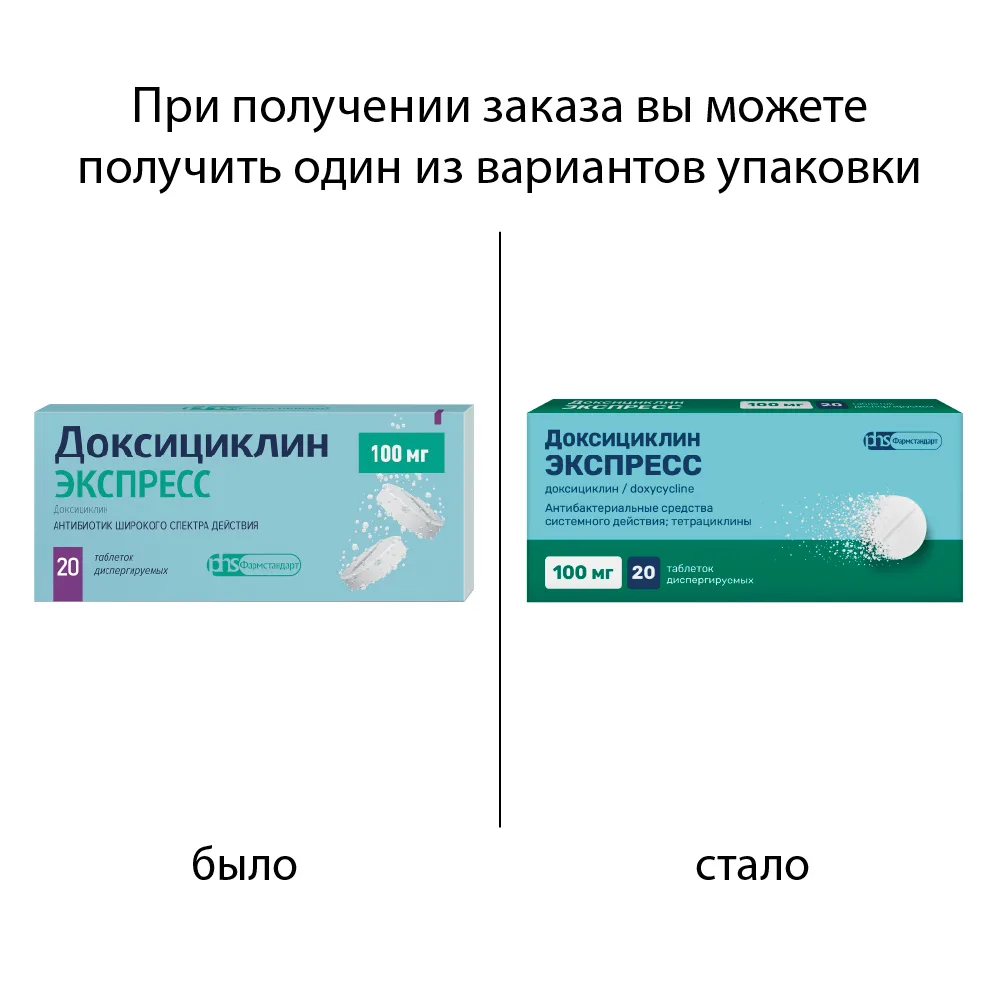
RU name Доксициклин солюшн таблетс 100 мг 20 шт. таблетки диспергируемые
How we fulfill
Three checkpoints between the pharmacy shelf and your door. You see every one.
01
No grey-market middlemen, no warehouses we can't audit. Retail purchase, on demand, against your order.
02
A photo of your actual parcel in its original retail packaging lands in your inbox before it ships. Like this →
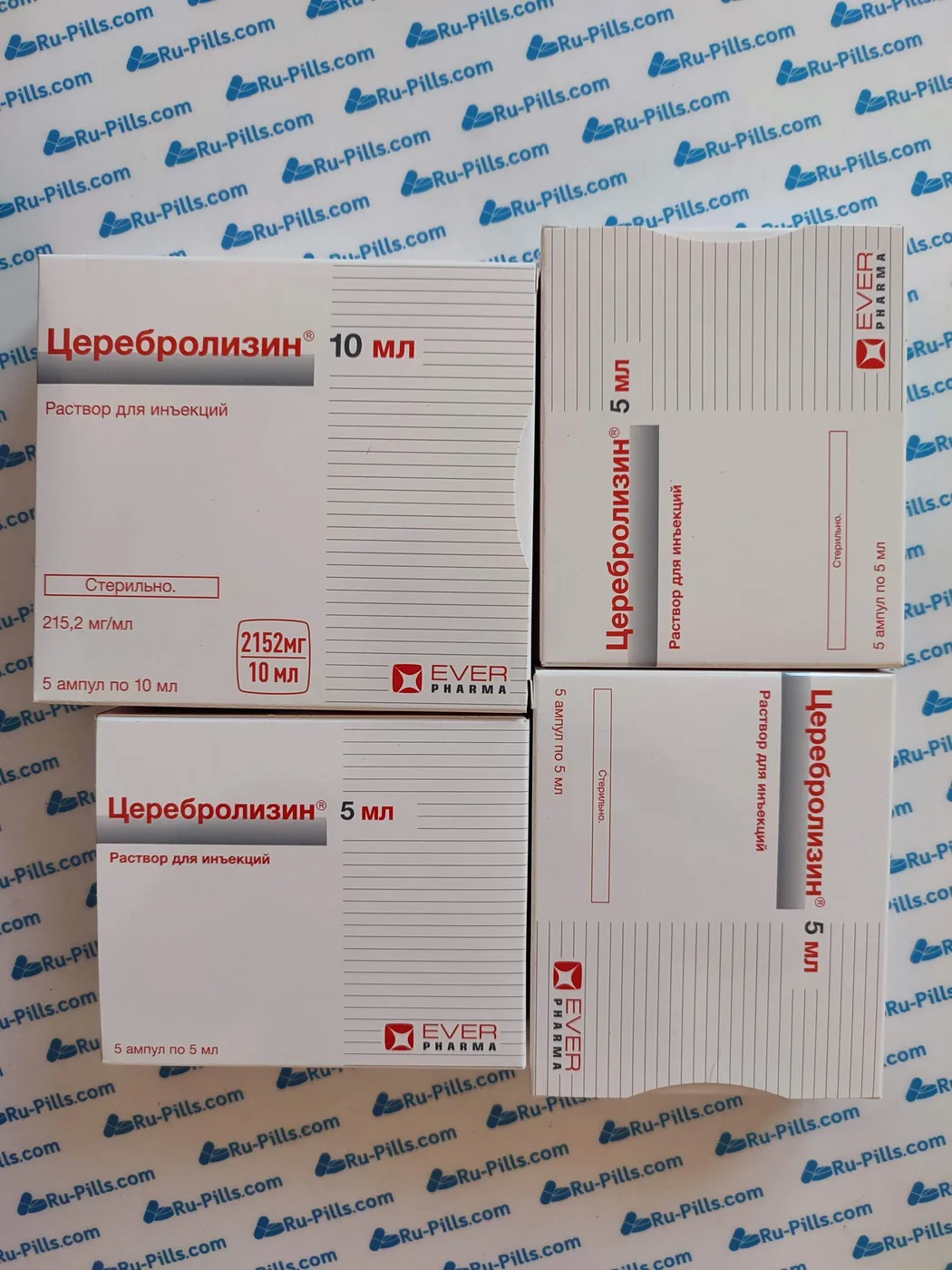 Real customer parcel
03
To 120+ countries. Most parcels arrive in 7–18 days.

Doxycycline · dispersible tablets
Doxycycline · dispersible tablets
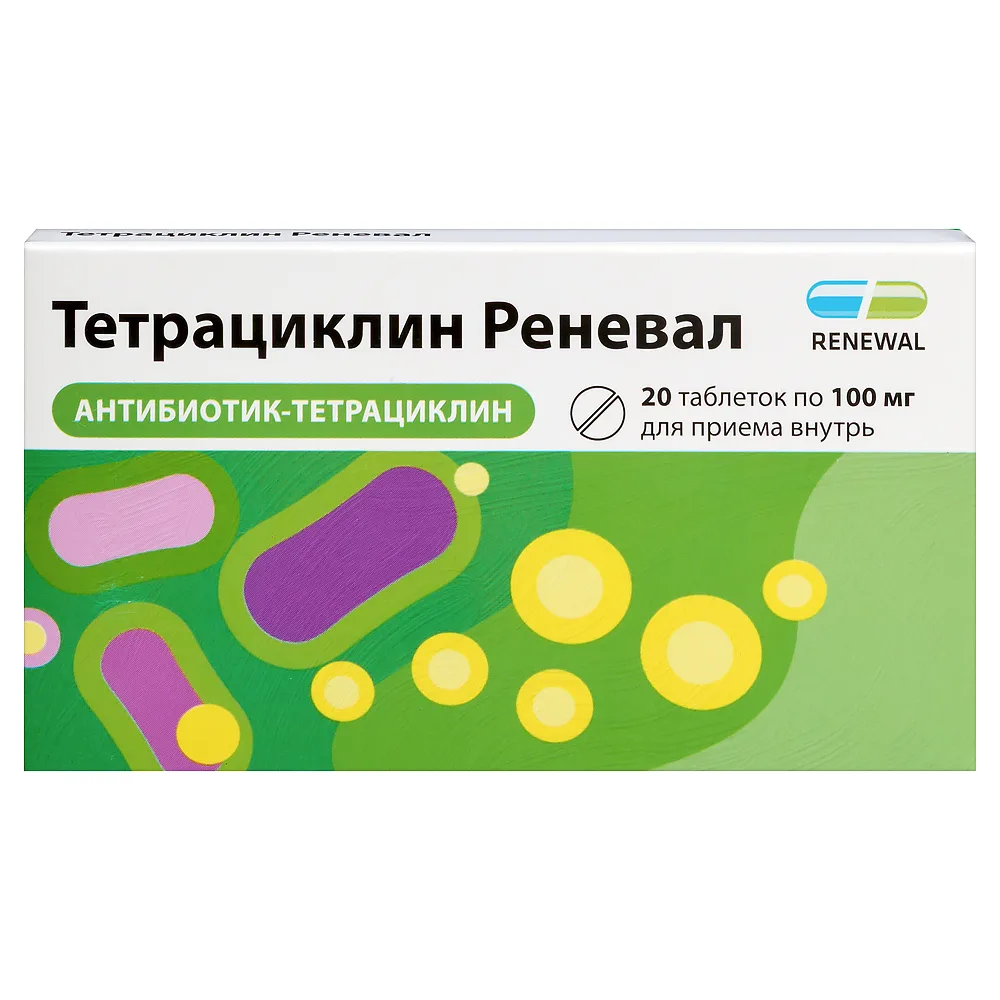
Doxycycline · dispersible tablets