01
Sourced
A licensed Russian pharmacy buys it for you.
No grey-market middlemen, no warehouses we can't audit. Retail purchase, on demand, against your order.

 tablets
Erythromycin
SKU 117294
Same active ingredient
Other products with Erythromycin
All packagings

Cheapest option
Price
$6.14
Selected · use button above
Price
$7.40
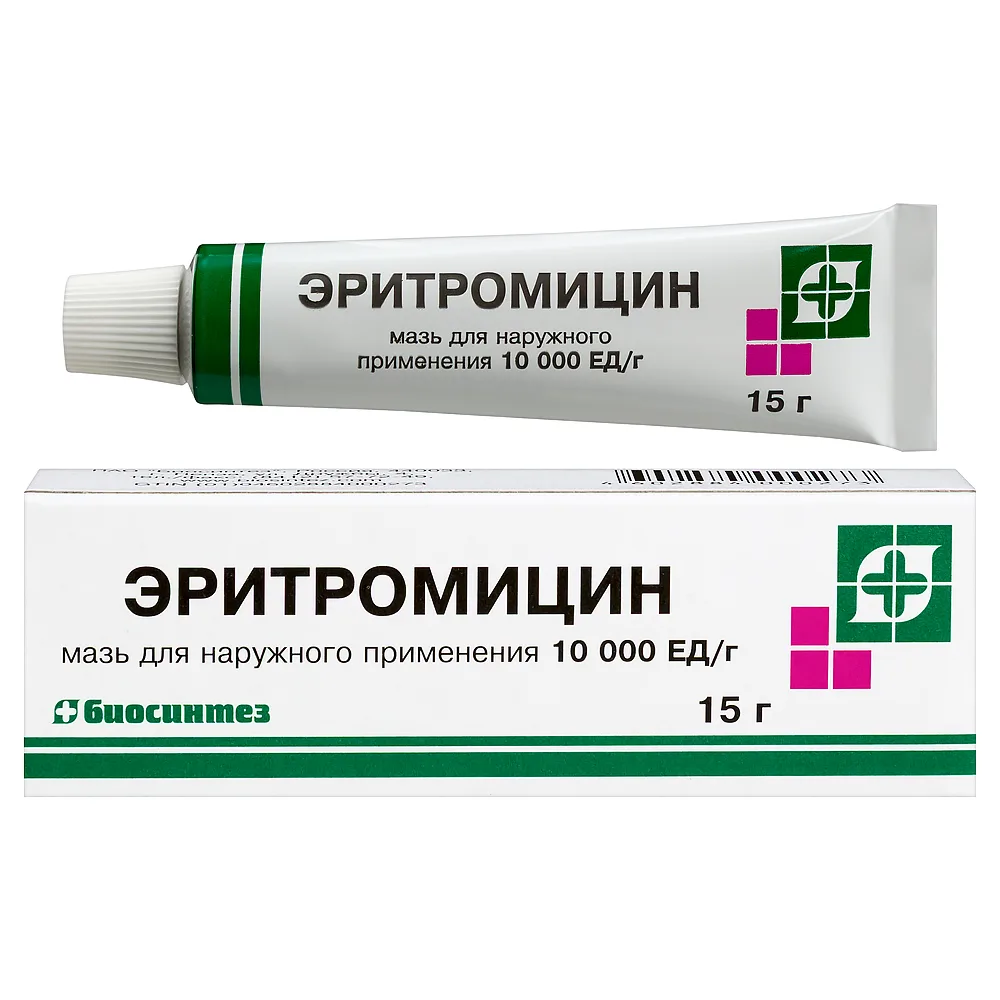
Option 3 of 3
Price
$6.51
Manufacturer leaflet
Facts from the printed manufacturer leaflet. Sections vary by drug — we only show what's actually in the box.
Indications
Bacterial infections caused by erythromycin-sensitive pathogens:
• infections of the ENT organs (laryngitis, pharyngitis, tonsillitis, external and middle ear infections, sinusitis).
• infections of the lower respiratory tract (tracheitis, bronchitis, pneumonia);
• infections of the skin and soft tissues (purulent skin diseases, including acne vulgaris, infected wounds, pressure sores, burns of II-III degree, trophic ulcers);
• infections of the biliary tract (cholecystitis);
• urogenital infections in pregnant women caused by Chlamydia trachomatis;
• uncomplicated chlamydia in adults (localized in the lower urinary tract and rectum) in cases of intolerance or ineffectiveness of tetracyclines;
• primary syphilis (in patients allergic to penicillins);
• gonorrhea;
• scarlet fever, legionellosis (Legionnaires' disease), listeriosis, trachoma;
• diphtheria carrier state, whooping cough, erythrasma, amoebic dysentery.
Prevention of exacerbations of streptococcal infection (tonsillitis, pharyngitis) in patients with rheumatism.
Prevention of infectious endocarditis during dental procedures and surgeries on ENT organs in patients with risk factors (heart defects, prosthetic valves, etc.).
Erythromycin is a reserve antibiotic for patients allergic to penicillin and other penicillin group antibiotics, as well as to other beta-lactams.
Бактериальные инфекции, вызванные чувствительными к эритромицину возбудителями:
• инфекции ЛОР-органов (ларингит, фарингит, тонзиллит, наружный и средний отиты, синусит).
• инфекции нижних дыхательных путей (трахеит, бронхит, пневмония);
• инфекции кожи и мягких тканей (гнойничковые заболевания кожи, в т.ч. юношеские угри, инфицированные раны, пролежни, ожоги II-III ст, трофические язвы);
• инфекции желчевыводящих путей (холецистит);
• мочеполовые инфекции у беременных, вызванные Chlamydia trachomatis;
• неосложненный хламидиоз у взрослых (с локализацией в нижних отделах мочеполовых путей и прямой кишки) при непереносимости или неэффективности тетрациклинов;
• первичный сифилис (у пациентов с аллергией к пенициллинам);
• гонорея;
• скарлатина, легионеллез (болезнь легионеров), листериоз, трахома;
• дифтерийное бактерионосительство, коклюш, эритразма, амебная дизентерия.
Профилактика обострений стрептококковой инфекции (тонзиллит, фарингит) у больных ревматизмом.
Профилактика инфекционного эндокардита при стоматологических вмешательствах и операциях на ЛОР-органах у больных с факторами риска (пороки сердца, протезированные клапаны и др.).
Эритромицин является антибиотиком резерва при аллергии к пенициллину и другим антибиотикам группы пенициллина, а также к другим бета-лактамам.
Method of administration and doses
Orally. Tablets should be taken 1-2 hours before meals or 2-3 hours after meals. Tablets should not be divided or chewed.
For most infections, the single dose for adults and adolescents over 14 years is 250-500 mg, and the daily dose is 1000-2000 mg. In severe infections, the daily dose may be increased to 4000 mg.
Erythromycin is taken 4 times a day, with an interval of 6 hours between doses. If the daily dose of erythromycin does not exceed 1000 mg/day, the medication can be taken 2 times a day (500 mg every 12 hours).
For children aged 3 to 14 years, depending on age, body weight, and severity of the infection, the dose is 30-50 mg/kg/day in 2-4 doses. In severe infections, the dose may be doubled.
The course of treatment is 5-14 days; after the symptoms disappear, treatment should continue for another 2 days.
Treatment of streptococcal infections of various localizations (including tonsillopharyngitis) should last at least 10 days.
For adolescent acne, 250 mg 2 times a day in conjunction with local therapy; then, after 1 month from the start of treatment, depending on the condition, the dose may be reduced to 250 mg once a day.
For urogenital chlamydial infections during pregnancy, 500 mg 4 times a day for at least 7 days or (if this dose is poorly tolerated) 500 mg 2 times a day every 12 hours for at least 14 days.
For uncomplicated chlamydia (urethral, endocervical, or rectal) in adults with intolerance to tetracycline antibiotics, 500 mg 4 times a day for at least 7 days.
Treatment of primary syphilis – the total course dose is 30-40 g, treatment duration is 10-15 days, frequency of administration is 4 times a day. It is preferable to start treatment with intravenous administration, followed by a transition to oral forms.
For gonorrhea, 500 mg every 6 hours for 3 days, then 500 mg every 12 hours for 7 days.
Treatment of diphtheria carrier state – 250 mg 2 times a day for at least 7 days.
For whooping cough: adults and adolescents over 14 years – 100-250 mg 4 times a day; children aged 3 to 14 years – 40-50 mg/kg/day. Treatment course 5-14 days.
For scarlet fever – in usual doses, treatment course – at least 10 days.
For legionellosis (Legionnaires' disease) – 500-1000 mg 4 times a day until clinical symptoms of the disease disappear (but not less than 14 days).
For listeriosis – 250-500 mg 2-4 times a day for at least 7 days, etiotropic therapy is conducted until the 6th-7th day of normal temperature, and in severe forms – until the 14th-21st day.
For erythrasma – 250 mg 4 times a day for 5-7 days in conjunction with topical agents.
For amoebic dysentery in adults and adolescents over 14 years – 250 mg 4 times a day, for children aged 3 to 14 years – 30-50 mg/kg/day; treatment course – 10-14 days.
Prevention of exacerbations of streptococcal infection (tonsillitis, pharyngitis) in patients with rheumatism for adults – 250-500 mg 2-4 times a day, for children – 20-30 mg/kg/day, treatment duration - at least 10 days.
Prevention of infectious endocarditis in patients with heart defects during dental procedures and ENT surgeries: for adults – 1000 mg, for children – 20 mg/kg 1-2 hours before the therapeutic or diagnostic procedure, then for adults – 500 mg and for children – 10 mg/kg every 6 hours, a total of 8 doses.
For pneumonia in children – 50 mg/kg/day in 4 doses, for at least 3 weeks.
Внутрь. Таблетки принимать за 1-2 часа до еды или через 2-3 часа после еды. Таблетки нельзя делить и разжевывать.
При большинстве инфекций для взрослых и подростков старше 14 лет разовая доза составляет 250-500 мг, суточная доза – 1000-2000 мг. При тяжелых инфекциях суточная доза может быть увеличена до 4000 мг.
Эритромицин принимают 4 раза в сутки, интервал между приёмами – 6 ч. При суточной дозе эритромицина не более 1000 мг/сут – возможен приём препарата 2 раза в сутки (по 500 мг каждые 12 ч).
Детям от 3-х до 14 лет, в зависимости от возраста, массы тела и тяжести инфекции – по 30-50 мг/кг/сут в 2-4 приема. При тяжелых инфекциях доза может быть удвоена.
Курс лечения – 5-14 дней, после исчезновения симптомов лечение продолжают еще в течение 2 дней.
Лечение стрептококковых инфекций различной локализации (в т.ч. тонзиллофарингита) должно продолжаться не менее 10 дней.
При юношеских угрях – по 250 мг 2 раза в сутки одновременно с местной терапией, затем через 1 месяц от начала лечения в зависимости от состояния доза может быть снижена до 250 мг 1 раз в сутки.
При мочеполовых хламидийных инфекциях во время беременности – по 500 мг 4 раза в сутки в течение не менее 7 дней или (при плохой переносимости такой дозы) – по 500 мг 2 раза в сутки через 12 ч в течение не менее 14 дней.
При неосложненном хламидиозе (уретральном, эндоцервикальном или ректальном) у взрослых при непереносимости тетрациклиновых антибиотиков – по 500 мг 4 раза в сутки в течение не менее 7 дней.
Лечение первичного сифилиса – курсовая доза равна 30-40 г, продолжительность лечения – 10-15 дней, кратность приема – 4 раза в сутки. Лечение предпочтительнее начинать с внутривенного введения, с последующим переходом на пероральные формы.
При гонорее – по 500 мг каждые 6 ч в течение 3 дней, далее по 500 мг каждые 12 ч в течение 7 дней.
Лечение дифтерийного бактерионосительства – по 250 мг 2 раза в сутки не менее 7 дней.
При коклюше: взрослым и подросткам старше 14 лет по 100-250 мг 4 раза в сутки; детям от 3 до 14 лет – 40-50 мг/кг/сут. Курс лечения 5-14 дней.
При скарлатине – в обычных дозах, курс лечения – не менее 10 дней.
При легионеллезе (болезни легионеров) – по 500-1000 мг 4 раза в сутки до исчезновения клинической симптоматики заболевания (но не менее 14 дней).
При листериозе – по 250-500 мг 2-4 раза в сутки не менее 7 дней, этиотропная терапия проводится до 6-7-го дня нормальной температуры, а при тяжелых формах – до 14-21-го дня.
При эритразме – по 250 мг 4 раза в сутки в течение 5-7 дней одновременно с наружными средствами.
При амебной дизентерии взрослым и подросткам старше 14 лет – по 250 мг 4 раза в сутки, детям от 3 до 14 лет – по 30-50 мг/кг/сут; курс лечения – 10-14 дней.
Профилактика обострений стрептококковой инфекции (тонзиллит, фарингит) больным ревматизмом взрослым – по 250-500 мг 2-4 раза в сутки, детям – 20-30 мг/кг/сут, продолжительность курса - не менее 10 дней.
Профилактика инфекционного эндокардита у больных с пороками сердца при стоматологических вмешательствах и операциях на ЛОР-органах: взрослым – по 1000 мг, детям – по 20 мг/кг за 1-2 ч до лечебной или диагностической процедуры, далее взрослым – по 500 мг и детям – по 10 мг/кг каждые 6 ч, всего 8 приемов.
При пневмонии у детей – 50 мг/кг/сут в 4 приема, в течение не менее 3 нед.
Section: Composition
Active ingredient: erythromycin calculated as 100% substance - 100 mg/250 mg.
Excipients of the core: gelatin - 3.1 mg/7.0 mg, calcium stearate - 1.95 mg/4.40 mg, polysorbate 80 (tween 80) - 0.40 mg/1.05 mg, lactose monohydrate (milk sugar) - 20.28 mg/45.76 mg, sodium carboxymethyl starch (primogel) type A - 7.8 mg/17.6 mg, potato starch - 61.47 mg/114.19 mg; excipients of the coating: methacrylic acid and ethyl acrylate copolymer (1:1) (collicut MAE 100R) - 8.50 mg/18.41 mg, talc - 2.70 mg/5.84 mg, povidone K-30 - 1.62 mg/3.52 mg, titanium dioxide - 0.48 mg/1.05 mg, polysorbate 80 (tween 80) - 1.70 mg/3.68 mg.
tablets, coated with a film, round in shape with biconvex surfaces of white or white with a grayish tint color.
Действующее вещество: эритромицин в пересчете на 100 % вещество - 100 мг/ 250 мг.
Вспомогательные вещества ядра: желатин - 3,1 мг/7,0 мг, кальция стеарат 1,95 мг/4,40 мг, полисорбат 80 (твин 80) - 0,40 мг/1,05 мг, лактозы моногидрат (сахар молочный) - 20,28 мг/45,76 мг, карбоксиметилкрахмал натрия (примогель) тип А - 7,8 мг/17,6 мг, крахмал картофельный - 61,47 мг/114,19 мг; вспомогательные вещества оболочки: метакриловой кислоты и этилакрилата сополимер (1:1) (колликут МАЕ 100Р) - 8,50 мг/18,41 мг, тальк - 2,70 мг/5,84 мг, повидон К-30 - 1,62 мг/3,52 мг, титана диоксид - 0,48 мг/1,05 мг, полисорбат 80 (твин 80) - 1,70 мг/3,68 мг.
таблетки, покрытые пленочной оболочкой, круглой формы с двояковыпуклыми поверхностями белого или белого с сероватым оттенком цвета.
Contraindications
Increased sensitivity to erythromycin, other components of the drug, and other macrolides; significant hearing loss; simultaneous use of terfenadine, ergotamine, dihydroergotamine, astemizole, cisapride, pimozide; age under 3 years; breastfeeding period; lactose intolerance, lactase deficiency, glucose-galactose malabsorption.
With caution
Arrhythmias (in history), prolonged QT interval, jaundice (including in history), liver and/or kidney failure, myasthenia gravis, simultaneous use of hepatotoxic drugs.
If you have any of the listed conditions, be sure to consult your doctor before taking the medication.
Special Instructions
During prolonged therapy, it is necessary to monitor laboratory indicators of liver function. Symptoms of cholestatic jaundice may develop a few days after the start of therapy; however, the risk of development increases after 7-14 days of continuous therapy. The likelihood of developing ototoxic effects is higher in patients with renal and/or hepatic insufficiency, as well as in elderly patients. Some resistant strains of Haemophilus influenzae are sensitive to the simultaneous administration of erythromycin and sulfonamides. It may interfere with the determination of catecholamines in urine and the activity of "liver" transaminases in the blood (colorimetric determination using diphenylhydrazine). It should not be taken with milk or dairy products. Numerous clinical studies have demonstrated the astral and duodenal prokinetic effect of erythromycin. When used in combination with statins, the development of rhabdomyolysis and pseudomembranous colitis is possible.
Повышенная чувствительность к эритромицину, другим компонентам препарата и другим макролидам; значительное снижение слуха; одновременный прием терфенадина, эрготамина, дигидроэрготамина, астемизола, цизаприда, пимозида; детский возраст до 3-х лет; период грудного вскармливания; непереносимость лактозы, дефицит лактазы, глюкозо-галактозная мальабсорбция.
С осторожностью
Аритмии (в анамнезе), удлинение интервала QT, желтуха (в том числе в анамнезе), печеночная и/или почечная недостаточность, миастения gravis, одновременный прием гепатотоксических препаратов.
Если у Вас одно из перечисленных заболеваний, перед приемом препарата обязательно проконсультируйтесь с врачом.
При длительной терапии необходимо осуществлять контроль лабораторных показателей функции печени.
Симптомы холестатической желтухи могут развиться через несколько дней после начала терапии, однако, риск развития повышается после 7-14 дней непрерывной терапии.
Вероятность развития ототоксического эффекта выше у больных с почечной и/или печеночной недостаточностью, а также у пожилых пациентов.
Некоторые устойчивые штаммы Haemophilus influenzae чувствительны к одновременному приему эритромицина и сульфаниламидов.
Может помешать определению катехоламинов в моче и активности "печеночных" трансаминаз в крови (колориметрическое определение с помощью дифенилгидразина).
Нельзя запивать молоком или молочными продуктами.
В многочисленных клинических исследованиях был доказан астральный и дуоденальный прокинетический эффект эритромицина.
При совместном применении со статинами возможно развитие рабдомиолиза и псевдомембранозного колита.
Section: Side Effects
From the immune system: urticaria, other forms of skin rash (erythema multiforme, Stevens-Johnson syndrome, Lyell's syndrome), angioedema, eosinophilia, anaphylactic shock.
From the digestive system: anorexia, nausea, vomiting, abdominal pain, tenesmus, diarrhea, dysbiosis, candidiasis of the oral mucosa, pseudomembranous colitis, liver dysfunction, hepatocellular hepatitis, hepatomegaly, cholestatic jaundice, increased activity of "liver" transaminases, pancreatitis.
From the auditory system: ototoxicity – hearing loss and/or tinnitus (when used in high doses – more than 4 g/day, usually reversible).
From the cardiovascular system: decreased blood pressure, tachycardia, prolonged QT interval on the electrocardiogram, atrial fibrillation and/or flutter (in patients with prolonged QT interval).
From the nervous system: seizures, hallucinations, vertigo, confusion, development of myasthenic syndrome or exacerbation of myasthenia.
From the urinary system: interstitial nephritis.
General disorders and disturbances at the injection site: chest pain, fever, malaise.
If any of the side effects listed in the instructions worsen or you notice any other side effects not listed in the instructions, inform your doctor.
Section: Overdose
Symptoms: liver function impairment, up to acute liver failure, rarely – hearing impairment.
Treatment: activated charcoal, careful monitoring of respiratory system status (if necessary – artificial ventilation of the lungs), acid-base balance and electrolyte exchange, electrocardiogram.
Gastric lavage is effective when a dose is five times higher than the average therapeutic dose.
Hemodialysis, peritoneal dialysis, and forced diuresis are ineffective.
Interaction
Reduces the bactericidal action (antagonism) of beta-lactam antibiotics (penicillins, cephalosporins, carbapenems), lincomycin, clindamycin, chloramphenicol, streptomycin, tetracyclines, colistin.
Increases the concentration of theophylline in the blood: a reduction in the dose of theophylline may be required. At the same time, the concentration of erythromycin may decrease, which can lead to subtherapeutic concentrations of erythromycin and a reduction in its effect.
Enhances the nephrotoxicity of cyclosporine (especially in patients with concomitant renal insufficiency).
Reduces the clearance of triazolam and midazolam, which may enhance the pharmacological effects of benzodiazepines.
Slows the elimination (enhances the effect) of methylprednisolone, felodipine, and anticoagulants of the coumarin group.
When used concurrently with lovastatin and other HMG-CoA reductase inhibitors, the risk of developing rhabdomyolysis increases.
Increases the bioavailability of digoxin.
Reduces the effectiveness of hormonal contraception.
Drugs that block tubular secretion prolong the half-life of erythromycin.
When taken simultaneously with drugs whose metabolism occurs in the liver (acenocoumarol, astemizole, cilostazol, cyclosporine, dihydroergotamine, ergotamine, omeprazole, quinidine, rifabutin, tacrolimus, terfenadine, vinblastine, carbamazepine, valproic acid, hexobarbital, phenytoin, alfentanil, disopyramide, lovastatin, bromocriptine, antifungal drugs such as fluconazole, ketoconazole, and itraconazole), the concentration of these drugs in plasma may increase.
Drugs that are inducers of CYP3A4 isoenzymes (such as rifampicin, phenytoin, carbamazepine, phenobarbital, St. John's wort) may induce the metabolism of erythromycin, which can lead to subtherapeutic concentrations of erythromycin and a reduction in its effect. The interaction persists for 2 weeks after discontinuation of treatment with CYP3A4 inducers.
Erythromycin alters the metabolism of mizolastine.
When taken together with pimozide, the development of arrhythmia (ventricular flutter and fibrillation), "tornado" ventricular tachycardia, cardiac arrest, up to fatal outcomes is possible.
Protease inhibitors inhibit the metabolism of erythromycin, and monitoring of erythromycin concentration in plasma is necessary.
When used simultaneously with terfenadine or astemizole, the development of arrhythmia (ventricular flutter and fibrillation, ventricular tachycardia, up to fatal outcomes) is possible; with dihydroergotamine or dihydrogenated ergot alkaloids – vasoconstriction up to complete spasm, dysesthesia.
Simultaneous intake of erythromycin with sildenafil may lead to a moderate increase in the maximum concentration of sildenafil in the blood.
An increase in the level of cisapride may lead to a prolongation of the QTc interval, with a possible development of arrhythmia (ventricular flutter and fibrillation), "tornado" ventricular tachycardia.
When taken together with verapamil and other slow calcium channel blockers, hypotension, bradyarrhythmia, and lactic acidosis are observed.
Cimetidine inhibits the metabolism of erythromycin, which may lead to increased plasma concentrations of erythromycin.
Erythromycin reduces the clearance of zopiclone and, thus, may increase the pharmacodynamic effects of this drug.
When used concomitantly with erythromycin, the toxicity of colchicine increases.
If you are taking other medications, it is necessary to consult a doctor.
Со стороны иммунной системы: крапивница, другие формы кожной сыпи (многоформная эритема, синдром Стивенса-Джонсона, синдром Лайелла), ангионевротический отек, эозинофилия, анафилактический шок.
Со стороны пищеварительной системы: анорексия, тошнота, рвота, гастралгия, боль в животе, тенезмы, диарея, дисбактериоз, кандидоз слизистой оболочки полости рта, псевдомембранозный колит, нарушение функции печени, гепатоцеллюлярный гепатит, гепатомегалия, холестатическая желтуха, повышение активности "печеночных" трансаминаз, панкреатит.
Со стороны органа слуха: ототоксичность – снижение слуха и/или шум в ушах (при применении в высоких дозах – более 4 г/сут, обычно обратимо).
Со стороны сердечно-сосудистой системы: снижение артериального давления, тахикардия, удлинение интервала QT на электрокардиограмме, мерцание и/или трепетание предсердий (у больных с удлиненным интервалом QT).
Со стороны нервной системы: судороги, галлюцинации, вертиго, спутанность сознания, развитие миастенического синдрома или обострение миастении.
Со стороны мочевыделительной системы: интерстициальный нефрит.
Общие расстройства и нарушения в месте введения: боль в груди, жар, недомогание.
Если любые из указанных в инструкции побочных эффектов усугубляются или Вы заметили любые другие побочные эффекты, не указанные в инструкции, сообщите об этом врачу.
Симптомы: нарушение функции печени, вплоть до острой печеночной недостаточности, редко – нарушение слуха.
Лечение: активированный уголь, тщательный контроль за состоянием дыхательной системы (при необходимости – проведение искусственной вентиляции легких), кислотно-основного состояния и электролитного обмена, электрокардиограмма.
Промывание желудка эффективно при приеме дозы, пятикратно превышающей среднюю терапевтическую.
Гемодиализ, перитонеальный диализ и форсированный диурез неэффективны.
Снижает бактерицидное действие (антагонизм) бета-лактамных антибиотиков (пенициллины, цефалоспорины, карбапенемы), линкомицина, клиндамицина, хлорамфеникола, стрептомицина, тетрациклинов, колистина.
Повышает концентрацию теофиллина в крови: может потребоваться снижение дозы теофиллина. Одновременно может снижаться концентрация эритромицина, что может привести к субтерапевтическим концентрациям эритромицина и уменьшению его эффекта.
Усиливает нефротоксичность циклоспорина (особенно у пациентов с сопутствующей почечной недостаточностью).
Снижает клиренс триазолама и мидазолама, в связи с чем, может усиливать фармакологические эффекты бензодиазепинов.
Замедляет элиминацию (усиливает эффект) метилпреднизолона, фелодипина и антикоагулянтов кумаринового ряда.
При совместном применении с ловастатином и другими ингибиторами ГМГ-КоА-редуктазы повышается риск развития рабдомиолиза.
Повышает биодоступность дигоксина.
Снижает эффективность гормональной контрацепции.
Препараты, блокирующие канальцевую секрецию, удлиняют период полувыведения эритромицина.
При одновременном приеме с лекарственными препаратами, метаболизм которых осуществляется в печени (аценокумарол, астемизол, цилостазол, циклоспорин, дигидроэрготамин, эрготамин, омепразол, хинидин, рифабутин, такролимус, терфенадин, винбластин, карбомазепин, вальпроевая кислота, гексобарбитал, фенитоин, алфентанил, дизопирамид, ловастатин, бромокриптин, противогрибковые препараты такие как, флуконазол, кетоконазол и интраконазол) может повышаться концентрация этих лекарственных средств в плазме.
Лекарственные препараты, являющиеся индукторами изоферментов CYP3A4 (такие как, рифампицин, фенитоин, карбамазепин, фенобарбитал, зверобой продырявленный) могут индуцировать метаболизм эритромицина, что может привести к субтерапевтическим концентрациям эритромицина и уменьшению его эффекта. Взаимодействие сохраняется в течение 2 недель после прекращения лечения индукторами CYP3A4.
Эритромицин изменяет метаболизм мизоластина.
При совместном приеме с пимозидом возможно развитие аритмии (мерцание и трепетание желудочков), желудочковой тахикардии типа «пируэт», остановки сердца, вплоть до летального исхода.
Ингибиторы протеазы ингибируют метаболизм эритромицина, необходимо наблюдение за концентрацией эритромицина в плазме.
При одновременном применении с терфенадином или астемизолом возможно развитие аритмии (мерцание и трепетание желудочков, желудочковая тахикардия, вплоть до летального исхода), с дигидроэрготамином или дигидрированными алкалоидами спорыньи – сужение сосудов вплоть до полного спазма, дизестезии.
Одновременный прием эритромицина с силденафилом может привести к умеренному повышению максимальной концентрации силденафила в крови.
Повышение уровня цизаприда может привести к удлинению интервала QTс, возможно развитие аритмии (мерцание и трепетание желудочков), желудочковой тахикардии типа «пируэт».
При совместном приеме с верапамилом и другими блокаторами медленных кальциевых каналов наблюдается гипотония, брадиаритмия и лактоацидоз.
Циметидин ингибирует метаболизм эритромицина, что может привести к увеличенной плазменной концентрации эритромицина.
Эритромицин снижает клиренс зопиклона и, таким образом, может увеличить фармакодинамические эффекты этого препарата.
При сопутствующем применении эритромицина повышается токсичность колхицина.
Если Вы принимаете другие препараты, необходимо проконсультироваться с врачом.
Pharmacodynamics
Bacteriostatic antibiotic from the macrolide group. It reversibly binds to the 50S ribosomal subunit, disrupting the formation of peptide bonds between amino acid molecules and blocking protein synthesis in microorganisms (does not affect nucleic acid synthesis). When used in high doses, it may exhibit bactericidal action.
Microorganisms sensitive to it are those whose growth is inhibited at antibiotic concentrations of less than 0.5 mg/L, moderately sensitive ones at 1-6 mg/L, and resistant ones at more than 6 mg/L.
The broad spectrum of antimicrobial action of erythromycin includes: gram-positive microorganisms: Staphylococcus spp., both penicillinase-producing and non-producing, including Staphylococcus aureus (except for methicillin-resistant strains MRSA), Streptococcus spp. (including Streptococcus pneumoniae, Streptococcus pyogenes, Streptococcus spp. of the viridans group), Bacillus anthracis, Corynebacterium diphtheriae, Corynebacterium minutissimum, Listeria monocytogenes;
gram-negative microorganisms: Bordetella pertussis, Campylobacter jejuni, Legionella spp. (including Legionella pneumophila), Moraxella (Branhamella) catarrhalis, Neisseria gonorrhoeae; and other microorganisms: Mycoplasma spp. (including Mycoplasma pneumoniae), Neisseria gonorrhoeae, Haemophilus influenzae (some strains may be resistant to erythromycin but sensitive to other macrolide antibiotics);
other microorganisms: Chlamydia spp. (including Chlamydia trachomatis), Mycoplasma spp. (including Mycoplasma pneumoniae), Ureaplasma urealyticum, Treponema spp., Propionibacterium acnes, Entamoeba histolytica.
Erythromycin is resistant to gram-negative rods: Escherichia coli and other members of the Enterobacteriaceae family (Klebsiella spp., Proteus spp., Shigella spp., Salmonella spp., and others), Pseudomonas aeruginosa, Acinetobacter spp., and other non-fermenting bacteria, as well as anaerobic bacteria (Bacteroides spp., including Bacteroides fragilis), methicillin-resistant strains of Staphylococcus aureus (MRSA), and enterococci Enterococcus spp., mycobacteria.
It is an agonist of motilin receptors. It accelerates gastric emptying by increasing the amplitude of pyloric contractions and improving antral-duodenal coordination, possessing prokinetic properties.
Section: Pharmacokinetics
Absorption - high. Food intake does not affect the absorption of erythromycin in enteric-coated tablets. The time to reach maximum concentration in plasma after oral administration is 2-4 hours. Binding to plasma proteins - 70-90%. Bioavailability - 30-65%. It is distributed unevenly in the body. It accumulates in large amounts in the liver, spleen, and kidneys. In bile and urine, the concentration is ten times higher than in plasma. It penetrates well into the tissues of the lungs, lymph nodes, middle ear, prostatic secretions, sperm, pleural cavity, ascitic, and synovial fluids. In the milk of nursing women, the concentration of erythromycin is 50% of that in serum. It poorly penetrates the blood-brain barrier and into cerebrospinal fluid (its concentration is 10% of the drug content in plasma). In inflammatory processes in the membranes of the brain, their permeability to erythromycin slightly increases. It crosses the placental barrier and enters the fetal blood, where its content reaches 5-20% of that in maternal plasma. It is metabolized in the liver (over 90%), partially forming inactive metabolites. The metabolism of erythromycin involves the isoenzymes CYP3A4, CYP3A5, and CYP3A7, of which it is an inhibitor. The half-life is 1.4-2 hours, and in anuria - 4-6 hours. Excretion with bile is 20-30% in unchanged form, and through the kidneys (in unchanged form) - 2-5%.
Бактериостатический антибиотик из группы макролидов. Обратимо связывается с 50S субъединицей рибосом, что нарушает образование пептидных связей между молекулами аминокислот и блокирует синтез белков микроорганизмов (не влияет на синтез нуклеиновых кислот). При применении в высоких дозах может проявлять бактерицидное действие.
К чувствительным относятся микроорганизмы, рост которых задерживается при концентрации антибиотика менее 0,5 мг/л, к умеренно чувствительным - 1-6 мг/л, к устойчивым - более 6 мг/л.
Широкий спектр антимикробного действия эритромицина включает: грамположительные микроорганизмы: Staphylococcus spp., продуцирующие и не продуцирующие пенициллиназу, в т.ч. Staphylococcus aureus (кроме штаммов, резистентных к метициллину MRSA), Streptococcus spp. (в т.ч. Streptococcus pneumoniae, Streptococcus pyogenes, Streptococcus spp. группы viridans), Bacillus anthracis, Corynebacterium diphtheriae, Corynebacterium minutissimum, Listeria monocytogenes;
грамотрицательные микроорганизмы: Bordetella pertussis, Campylobacter jejuni, Legionella spp. (в т.ч. Legionella pneumophila), Moraxella (Branhamella) catarrhalis, Neisseria gonorrhoeae; и другие микроорганизмы: Mycoplasma spp. (в т.ч. Mycoplasma pneumoniae), Neisseria gonorrhoeae, Нaemophilus influenzae (некоторые штаммы могут быть устойчивы к эритромицину, но чувствительны к другим макролидным антибиотикам);
другие микроорганизмы: Chlamydia spp. (в т.ч. Chlamydia trachomatis), Mycoplasma spp. (в т.ч. Mycoplasma pneumoniae), Ureaplasma urealyticum, Treponema spp., Propionibacterium acnes, Entamoeba histolytica.
К эритромицину устойчивы грамотрицательные палочки: Escherichia coli и другие представители семейства Enterobacteriaceae (Klebsiella spp., Proteus spp., Shigella spp., Salmonella spp. и другие), Pseudomonas aeruginosa, Acinetobacter spp. и другие неферментирующие бактерии, а также анаэробные бактерии (Bacteroides spp., в том числе Bacteroides fragilis), метициллинрезистентные штаммы Staphylococcus aureus (MRSA) и энтерококки Enterococcus spp., микобактерии.
Является агонистом рецепторов мотилина. Ускоряет эвакуацию желудочного содержимого за счет увеличения амплитуды сокращения привратника и улучшения антрально-дуоденальной координации, обладает прокинетическими свойствами.
Абсорбция - высокая. Прием пищи не оказывает влияния на всасывание эритромицина в таблетках кишечнорастворимых, покрытых пленочной оболочкой. Время достижения максимальной концентрации в плазме крови после приема внутрь 2-4 ч. Связь с белками плазмы - 70-90 %. Биодоступность - 30-65 %. В организме распределяется неравномерно. В больших количествах накапливается в печени, селезенке, почках. В желчи и моче концентрация в десять раз превышает концентрацию в плазме. Хорошо проникает в ткани легких, лимфатических узлов, среднее ухо, секрет предстательной железы, сперму, плевральную полость, асцитическую и синовиальную жидкости. В молоке кормящих женщин концентрация эритромицина составляет 50 % от сывороточной. Плохо проникает через гематоэнцефалический барьер, в спинномозговую жидкость (его концентрация составляет 10 % от содержания препарата в плазме). При воспалительных процессах в оболочках мозга, их проницаемость для эритромицина несколько возрастает. Проникает через плацентарный барьер и поступает в кровь плода, где его содержание достигает 5-20 % от содержания в плазме матери. Метаболизируется в печени (более 90 %), частично с образованием неактивных метаболитов. В метаболизме эритромицина участвуют изоферменты CYP3A4, CYP3A5 и CYP3A7, ингибитором которых он является. Период полувыведения - 1,4-2 ч, при анурии - 4-6 ч. Выведение с желчью - 20-30 % в неизмененном виде, почками (в неизмененном виде) - 2-5 %.
RU name Эритромицин 250 мг 20 шт. блистер таблетки кишечнорастворимые , покрытые пленочной оболочкой
How we fulfill
Three checkpoints between the pharmacy shelf and your door. You see every one.
01
No grey-market middlemen, no warehouses we can't audit. Retail purchase, on demand, against your order.
02
A photo of your actual parcel in its original retail packaging lands in your inbox before it ships. Like this →
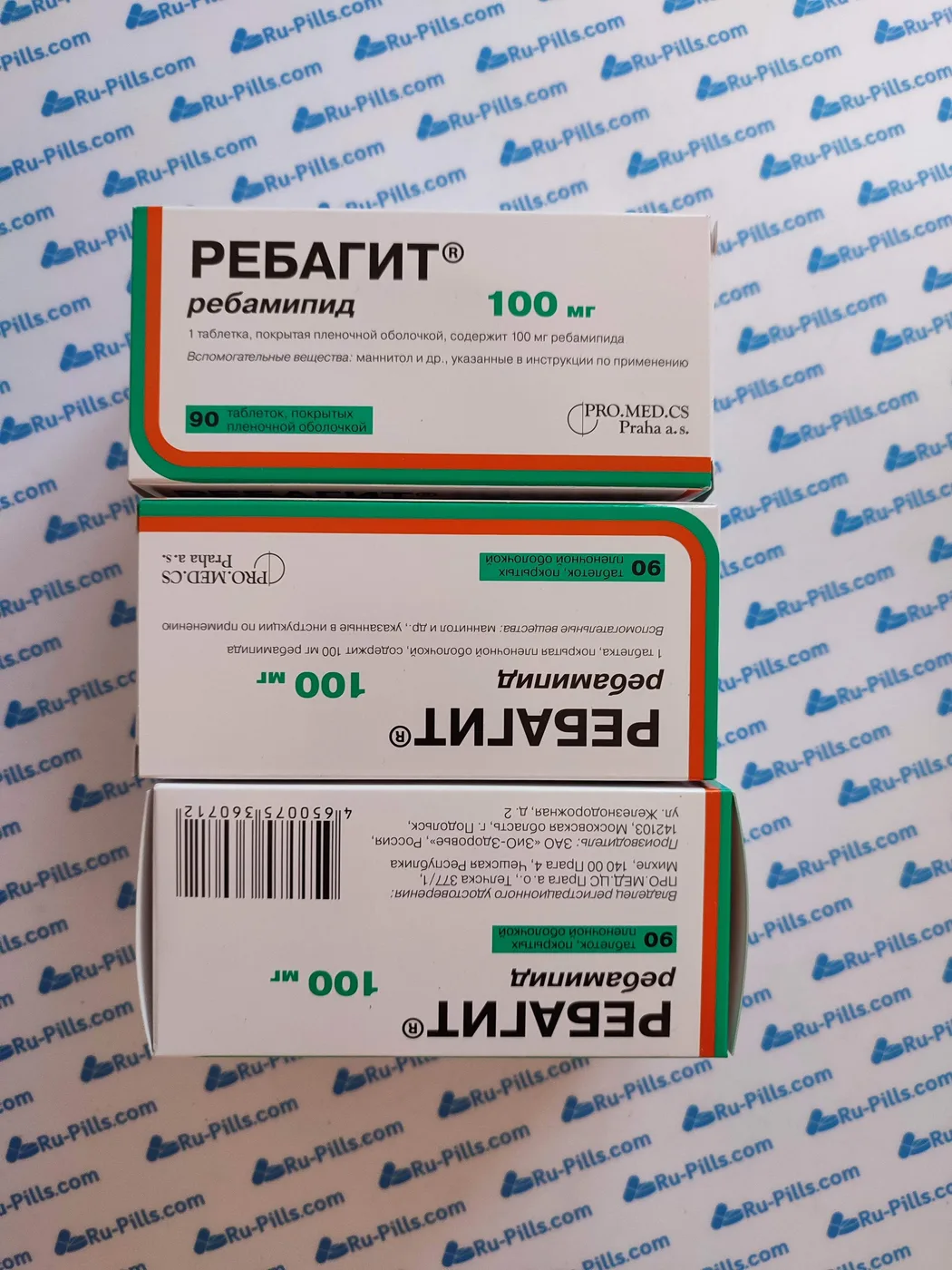 Real customer parcel
03
To 120+ countries. Most parcels arrive in 7–18 days.
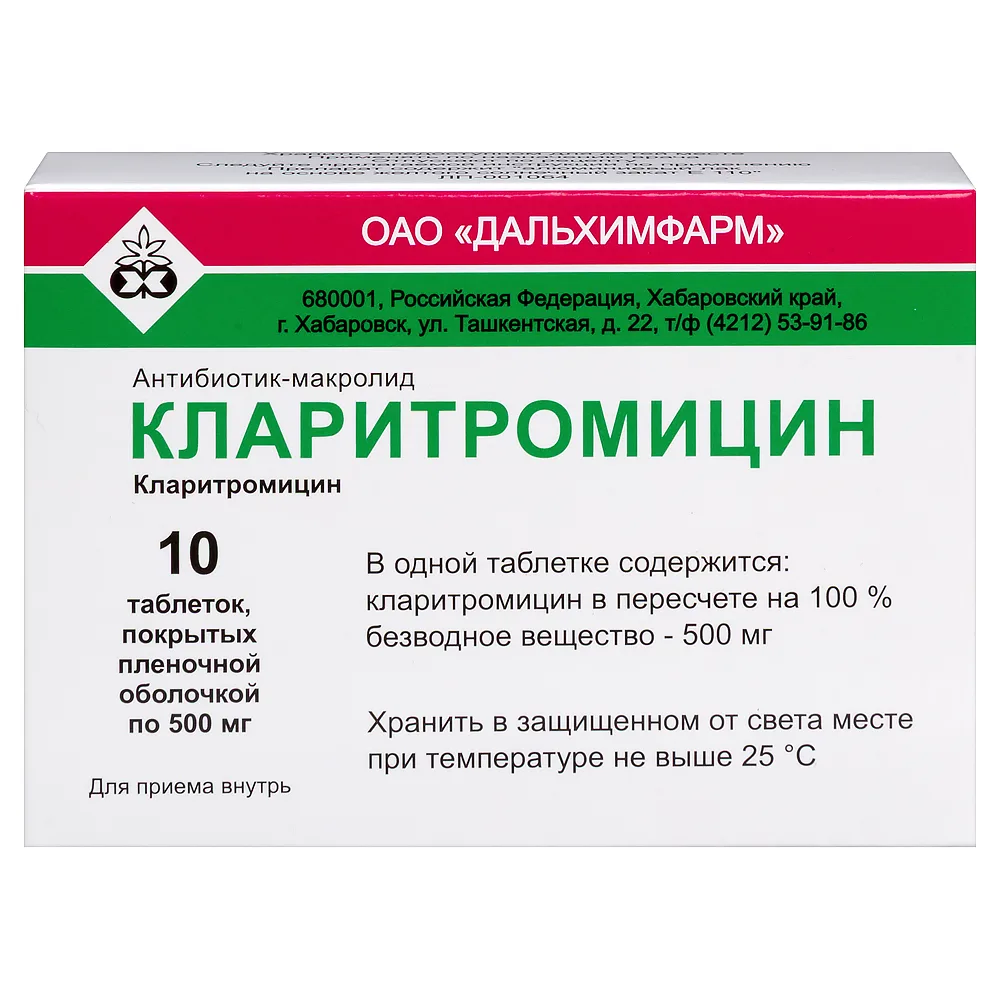

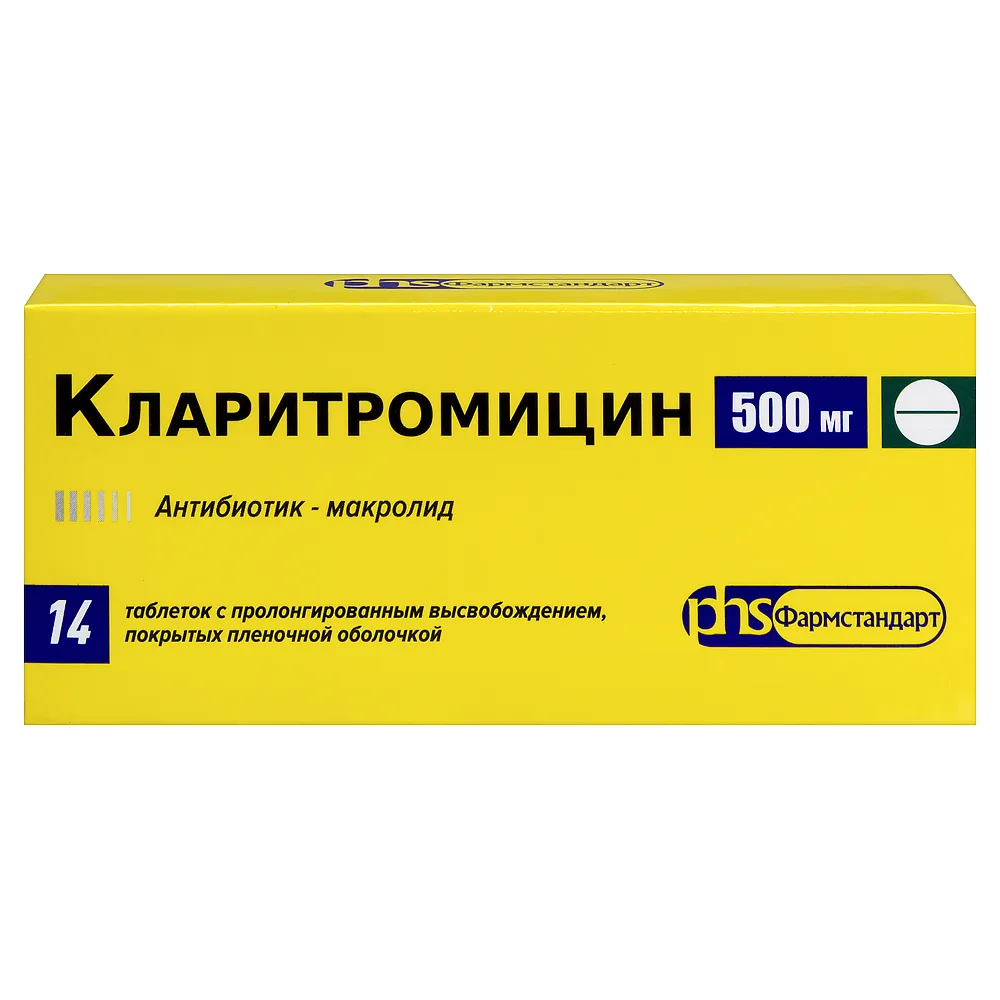
Clarithromycin · tablets

Erythromycin · ointment
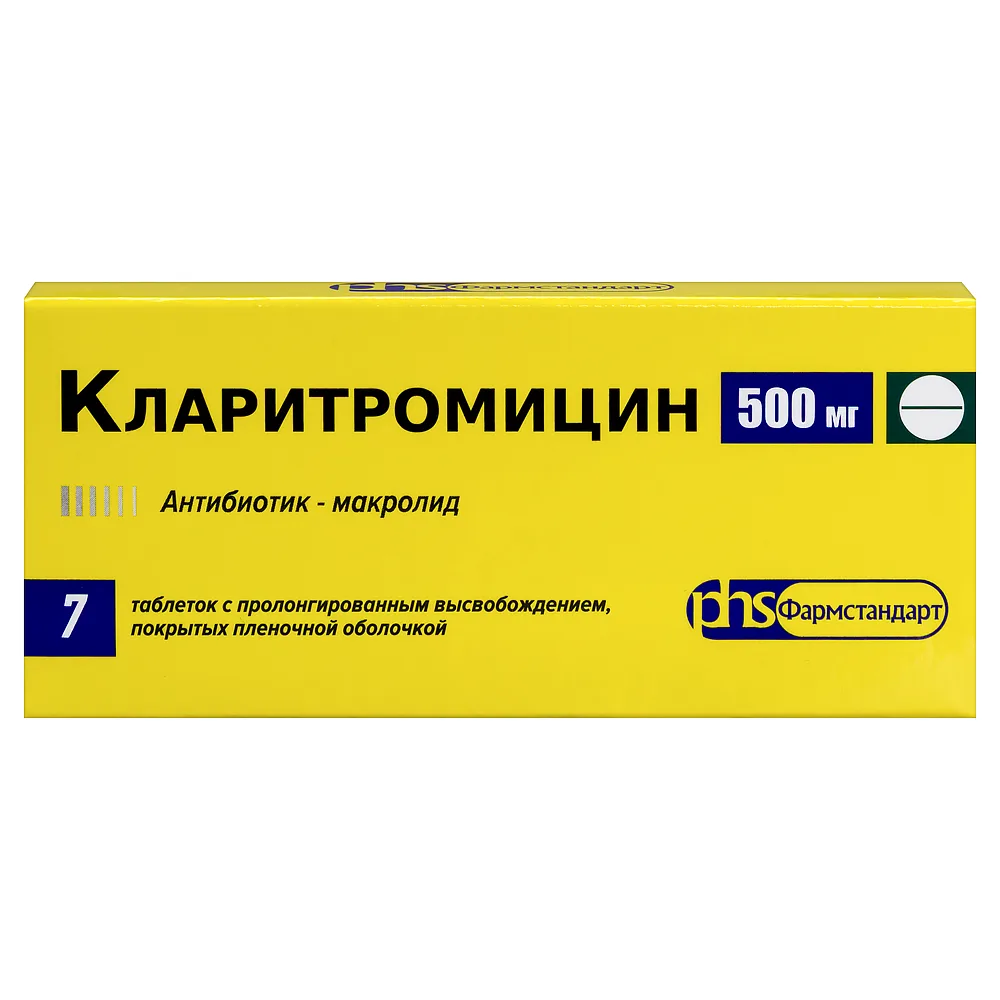
Clarithromycin