01
Sourced
A licensed Russian pharmacy buys it for you.
No grey-market middlemen, no warehouses we can't audit. Retail purchase, on demand, against your order.

Pharmacy item
SKU 77728
Other products by → SIMURG Medical Enterprise JSC
All packagings
Selected · this page
Juno
$9.63
Choose another
5 options
Tap any option to switch the active packaging — adding to cart applies to whatever is currently selected above.
Manufacturer leaflet
Facts from the printed manufacturer leaflet. Sections vary by drug — we only show what's actually in the box.
Indications for use of IUD
A woman's desire to prevent pregnancy.
Treatment and prevention of Asherman's syndrome.
As a postcoital method, the IUD can be inserted within 5 days (120 hours) after unprotected sexual intercourse.
Показания к применению ВМС
Желание женщины предохранить себя от беременности.
Лечение и профилактика синдрома Ашермана.
В качестве посткоитального средства ВМС может вводиться в течение 5 дней (120 часов) после незащищенного полового акта.
Recommended timing for IUD insertion:
• any day of the menstrual cycle (preferably from day 4 to day 19);
• immediately after an uncomplicated medical abortion performed by vacuum aspiration or curettage;
• after the involution of the uterus (5 - 6 weeks after uncomplicated childbirth), including during lactational amenorrhea;
• immediately after the removal of an IUD whose term of use has expired, if the woman wishes to continue intrauterine contraception and there are no contraindications to the use of an IUD;
• for postcoital contraception, the IUD should be inserted within 5 days (120 hours) after unprotected sexual intercourse.
Adaptation to the IUD
During the adaptation period of the patient's body to the IUD (3-4 months), changes in the menstrual cycle may occur. Menstrual discharge may be accompanied by pulling pain in the lower abdomen or sacral area, which usually subsides quickly.
To increase the acceptability of the IUD and shorten the adaptation period, it is recommended to:
• conduct a thorough examination of women to identify contraindications to the use of the IUD;
• take a differentiated approach to selecting the IUD model based on the individual characteristics of the woman's body, plans for childbearing, and timing of IUD insertion;
• use the recommended technique for inserting the intrauterine device and optimal timing for its installation;
• prophylactically prescribe antibiotics;
• prescribe NSAIDs in the first days after IUD insertion and during the first three menstrual discharges.
Рекомендуемые сроки введения ВМС:
• любой день менструального цикла
(предпочтительней с 4 по 19 день);
• непосредственно после неосложненного
медицинского аборта, произведенного методом вакуумаспирации или кюретажа;
• по окончании инволюции матки (через
5 - 6 недель после неосложненных родов) в т.ч. на фоне лактационной аменореи;
• сразу после извлечения ВМС, срок использования которого истек, при желании женщины продолжить внутриматочную контрацепцию и отсутствии противопоказаний к использованию ВМС;
• с целью посткоитальной контрацепции ВМС вводится в течение 5 дней (120 часов) после незащищенного полового акта.
Адаптация к ВМС
В период адаптации организма пациентки к ВМС (3-4 месяца) возможны изменения менструального цикла. Менструальные выделения могут сопровождаться тянущей болью внизу живота или крестцовой области, которая, как правило, быстро затихает.
С целью повышения приемлемости ВМС и сокращения периода адаптации рекомендуется:
• проведение тщательного обследования женщин для выявления противопоказаний к применению ВМС;
• дифференцированный подход к выбору модели ВМС, исходя из индивидуальных особенностей организма женщины, планов на деторождение, времени введения ВМС;
• использование рекомендуемой техники введения внутриматочного средства и оптимальных сроков для его установки;
• профилактическое назначение антибиотиков;
• назначение препаратов группы НПВС в первые дни после введения ВМС и в течение трех первых менструальных выделений.
anchor made of polymer material.
bimetallic copper wire, monofilament thread.
якорь из полимерного материала.
биметаллическая медная проволока, монофиламентная нить.
Contraindications for IUD Use
Intrauterine contraception is absolutely contraindicated (categories 3 and 4 according to WHO criteria for the acceptability of contraceptive methods):
• in case of pregnancy (suspected or confirmed);
• in malignant diseases of the female reproductive organs;
• in current background/premalignant conditions of the cervix;
• in severe thrombocytopenia;
• in vaginal bleeding of unknown etiology (suspected serious disease);
• in gestational trophoblastic disease;
• in uterine fibroids with deformation of the uterine cavity;
• in any congenital or acquired anomalies of the uterine cavity that lead to deformation incompatible with IUD insertion;
• in current pelvic inflammatory disease;
• in STIs (purulent cervicitis, chlamydial infection, or gonorrhea currently), increased risk of STIs;
• in AIDS (on antiretroviral therapy);
• in pelvic tuberculosis;
• in allergy to copper, silver, and copper (for silver-containing IUD models), to bee products (for the "Yunona Bio-T Super" IUD); - in Wilson's disease.
The product is supplied sterile and ready for use.
Gas sterilization - ethylene oxide.
The shelf life of the IUD in packaging is 5 years. The use of the IUD after the expiration date indicated on the label is not permitted. The shelf life is determined by the preservation of the sterility of the IUD in its final packaging. Reuse of the products is not permitted.
The use of the IUD is not permitted if the integrity of the sterilization (final) packaging is compromised. If the integrity of the sterilization (final) packaging is compromised, the product must not be used and should be disposed of.
The product should be stored at a temperature between +5 °C and +40 °C, in a place protected from direct sunlight and moisture.
The IUD must be used immediately after removal from the final packaging.
Used products must be disposed of in accordance with current sanitary and epidemiological requirements for the handling of used medical devices.
The IUD is not subject to technical, service maintenance, or repair.
The IUD should only be used by qualified medical personnel.
Intrauterine contraceptive devices do not protect against sexually transmitted infections and the human immunodeficiency virus (STIs/HIV).
Противопоказания к применению ВМС
Внутриматочная контрацепция абсолютно противопоказана (категории 3 и 4 согласно критериям приемлемости методов контрацепции ВОЗ):
• при беременности (подозреваемой или
подтвержденной);
• при злокачественных заболеваниях женских половых органов;
• при фоновых/предраковых заболевания шейки матки в настоящий момент;
• при тяжелой тромбоцитопении;
• при вагинальных кровотечениях неустановленной этиологии (подозрение на серьезное заболевание);
• при гестационной трофобластической болезни;
• при миоме матки с деформацией полости матки;
• при любых врожденных или приобретенных аномалиях полости матки, приводящие к деформации ее полости, несовместимых с установкой ВМС;
• при ВЗОМТ в настоящий момент;
• при ИППП (гнойный цервицит, хламидийная инфекция или гонорея в настоящее время), повышенный риск ИППП;
• при СПИД (на фоне антиретровирусной терапии);
• при туберкулезе тазовой локализации;
• при аллергии на медь, серебро и медь (для серебросодержащих моделей ВМС), на продукты пчеловодства (для ВМС «Юнона Био-Т Super»); - при болезни Вильсона.
Изделие поставляется стерильным и готовым к использованию.
Стерилизация газовая − оксидом этилена.
Срок годности ВМС в упаковке - 5 лет. Недопустимо применение ВМС при превышении срока годности, указанного на этикетке. Срок годности определяется сохранением стерильности ВМС в конечной упаковке. Недопустимо повторное использование изделий.
Недопустимо применение ВМС при нарушении целостности стерилизационной (конечной) упаковки. При нарушении целостности стерилизационной (конечной) упаковки использовать изделие запрещено и изделие подлежит утилизации.
Изделие должно храниться при температуре от +5 °С до +40 °С, в месте, защищенном от воздействия прямых солнечных лучей и влаги.
Применять ВМС необходимо непосредственно после извлечения из конечной упаковки.
Использованные изделия подлежат утилизации согласно действующим санитарно-эпидемиологическим требованиям по обращению с отработанными медицинскими изделиями.
ВМС техническому, сервисному обслуживанию и ремонту не подлежит.
ВМС должен применять только квалифицированный медицинский персонал.
Средства внутриматочной контрацепции не защищают от инфекций, передаваемых половым путем, и вируса иммунодефицита человека (ИППП/ВИЧ).
• Increased menstrual blood loss. With the use of an IUD, an increase in the duration of menstrual bleeding by 1-2 days and an increase in the volume of menstrual blood loss by 50-55% may be observed. Patients with a tendency to iron deficiency anemia should monitor laboratory indicators for timely diagnosis and correction of this condition.
• Pre- and intermenstrual spotting. In cases of persistent menstrual cycle disturbances, partial expulsion of the IUD or other conditions requiring removal of the contraceptive should be excluded. In the absence of indications for removal of the contraceptive, medication therapy (NSAID group drugs) may be possible.
Complications
• Pain syndrome during IUD insertion/removal. This condition is rarely observed. In patients with a low pain threshold, the use of local anesthetics is advisable.
• Uterine perforation during IUD insertion. Cases of uterine perforation during IUD placement are rare (less than 1 in 3000 insertions). Extreme caution should be exercised if there is a retroverted uterus. If perforation is suspected, the location of the IUD should be clarified. The contraceptive must be removed. Surgical intervention may be required.
• Development of PID. It is currently believed that the development of PID in the first few months after IUD insertion may be related to contamination of the uterine cavity during the placement of the contraceptive with endogenous vaginal and cervical microflora. The cause of PID development 3-4 months after the placement of the contraceptive is STIs, not the procedure itself. To reduce risks, it is necessary to exclude infectious contraindications to the use of intrauterine contraceptive methods and to strictly adhere to aseptic and antiseptic techniques during the IUD insertion procedure. Antibiotic prophylaxis may be used during the insertion of the contraceptive. Information about the identification of adverse events that have signs of an adverse event (incident), as well as information about side effects and complications not specified in the instructions for use, should be reported to the manufacturer.
• Увеличение менструальной кровопотери. На фоне использования ВМС может наблюдаться увеличение длительности менструальных выделений на 1-2 дня и увеличение объема менструальной кровопотери на 50-55 %. У пациенток со склонностью к железодефицитной анемии требуется контролировать лабораторные показатели для своевременной диагностики и коррекции данного состояния.
• Пред- и межменструальные кровянистые выделения. При стойких нарушениях менструального цикла необходимо исключить частичную экспульсию ВМС или другие состояния, требующие удаления контрацептива. При отсутствии показаний к удалению контрацептива возможна медикаментозная терапия (препараты группы НПВС).
Осложнения
• Болевой синдром при введении/удалении ВМС. Данное состояние наблюдается редко. У пациенток с низким болевым порогом целесообразно использование средств местной анестезии.
• Перфорация матки при введении ВМС. Случаи перфорации матки при установке ВМС редки (менее 1 на 3000 постановок). Следует соблюдать предельную осторожность, если имеется крайнее заднее положение матки. При подозрении на перфорацию необходимо уточнить локализацию ВМС. Контрацептив должен быть удален. Возможно, потребуется хирургическое вмешательство.
• Развитие ВЗОМТ. В настоящее время считается, что развитие ВЗОМТ в первые несколько месяцев после введения ВМС могут быть связаны с контаминацией полости матки при установке контрацептива эндогенной влагалищной и цервикальной микрофлорой. Причиной развития ВЗОМТ спустя 3 - 4 месяца после установки контрацептива являются ИППП, а не сама процедура установки контрацептива. Для снижения рисков необходимо исключить инфекционные противопоказания к использованию средств внутриматочной контрацепции и тщательное соблюдение асептики и антисептики при процедуре установки ВМС. Возможно применение антибиотикопрофилактики при введении контрацептива. Информация о выявлении нежелательных событий, которые имеют признаки неблагоприятного события (инцидента), а так же информация о побочных эффектах и осложнениях, не указанных в инструкции по применению должна быть сообщена производителю.
Intrauterine contraceptive device "Yunona Bio-T,"
The anchor IUD has a T-shape and is made from polymer material with specified mechanical characteristics.
A copper wire is placed on the shaft of the anchor. At the end of the anchor shaft, there is a loop for attaching a monofilament transcervical thread, at least 100 mm long. The nominal length of the anchor is 36 mm, and the nominal width is 32 mm. The purity level of the copper in the copper wire is at least 99.9%. The nominal area of the active copper-containing surface is 380 mm².
The IUD is supplied in a paper-film package along with a polymer insertion tube (with a diameter of no more than 5 mm) and a piston. A movable polymer limiter is installed on the insertion tube to indicate the depth of insertion and the plane of opening of the anchor arms.
Maximum usage period: IUD "Yunona Bio-T Super" - no more than 5 years.
Indication for use - gynecology, intrauterine contraception. The installation and removal of the intrauterine contraceptive device (IUD) must be performed by a trained medical professional (obstetrician-gynecologist) in a medical facility.
Class of potential risk associated with the use of the medical device according to the nomenclature classification of medical devices:
Principle of action:
The mechanism of action of the IUD consists of initiating chemical changes that inactivate sperm and the egg before their fusion, as well as initiating changes that prevent implantation.
The contraceptive effect develops immediately after the IUD is placed in the uterine cavity.
Fertility restoration occurs immediately after the IUD is removed from the uterine cavity.
Indications for IUD removal
Fertility restoration after IUD removal occurs immediately.
The IUD should be removed:
• at the woman's request on any day of the menstrual cycle;
• mandatory removal of the IUD after the expiration of its usage period;
• if there is uncertainty about the correct placement of the IUD immediately after insertion, the contraceptive must be removed and a new contraceptive device inserted;
• the contraceptive must be removed in the event of developing inflammatory diseases of the pelvic organs (PID);
• in the case of persistent menstrual cycle disorders against the background of the IUD, or the appearance of vaginal bleeding of unknown etiology (suspected serious illness);
• in the event of developing anemia;
• in the case of partial expulsion of the IUD;
• in the presence of pain syndrome associated with the presence of the IUD in the uterine cavity;
• in the event of pregnancy occurring with the IUD in place. In this situation, in most cases, a uterine pregnancy is diagnosed; however, ectopic pregnancy must be ruled out. Women who become pregnant while using the IUD should be informed of the increased risk of septic spontaneous abortion, increased risk of preterm labor, and infection if the IUD remains in the uterus. Women wishing to maintain the pregnancy should be informed that removal of the IUD (if conditions for this procedure are met) will reduce the potential risks of adverse pregnancy outcomes.
However, the procedure of IUD removal itself increases the risk of miscarriage. The frequency of unplanned pregnancy with IUD use is less than 1 case per 100 women using this method during the first year (6 - 8 cases per 1000 women). A slight risk of unplanned pregnancy persists throughout the entire period of IUD use (about 2 cases per 100 women over 10 years of use).
Внутриматочное противозачаточное средство «Юнона Био-Т»,
Якорь ВМС Т-образной формы изготовлен из полимерного материала и имеет заданные механические характеристики.
На стержне якоря размещена медная проволока. На конце стержня якоря выполнена петля для крепления монофиламентной трансцервикальной нити, длиной не менее 100 мм. Номинальная длина якоря - 36 мм, номинальная ширина - 32 мм. Степень чистоты меди в медной проволоке, не менее 99,9 %. Номинальная площадь активной медьсодержащей поверхности 380 мм².
ВМС поставляется в бумажно-пленочном пакете в комплекте с полимерной вводной трубкой (диаметром не более 5 мм) и поршнем. На вводной трубке установлен передвижной полимерный ограничитель для обозначения глубины введения и плоскости раскрытия плечиков якоря.
Максимальный срок использования: ВМС «Юнона Био-Т Super» - не более 5 лет.
Область применения - гинекология, средство внутриматочной контрацепции. Установка и удаление средства внутриматочного противозачаточного (далее ВМС) производится подготовленным медицинским специалистом (акушер-гинеколог) в условиях медучреждения.
Класс потенциального риска применения медицинского изделия в соответствии с номенклатурной классификацией медицинских изделий:
Принцип действия:
Механизм действия ВМС состоит в инициировании химических изменений, инактивирующих сперматозоиды и яйцеклетку до момента их слияния, а также в инициировании изменений, препятствующих имплантации.
Контрацептивный эффект развивается сразу после установки ВМС в полость матки.
Восстановление фертильности происходит сразу после удаления ВМС из полости матки.
Показания для удаления ВМС
Восстановление фертильности после удаления ВМС происходит сразу.
ВМС должно быть удалено:
• при желании женщины в любой день менструального цикла;
• обязательно удаление ВМС после окончания срока использования;
• при отсутствии уверенности в правильном расположении ВМС непосредственно после введения необходимо извлечь контрацептив и ввести новое противозачаточное средство;
• контрацептив должен быть удален при развитии воспалительных заболеваний органов малого таза (ВЗОМТ);
• при развитии стойких нарушений менструального цикла на фоне ВМС, появлении вагинальных кровотечений неустановленной этиологии (подозрение на серьезное заболевание);
• при развитии анемии;
• при частичной экспульсии ВМС;
• при болевом синдроме, связанном с наличием ВМС в полости матки;
• при развитии беременности на фоне ВМС. В данной ситуации, в большинстве случаев, диагностируется маточная беременность, однако необходимо исключить внематочную беременность. Женщины, которые забеременели во время использования ВМС, должны быть проинформированы о повышенном риске септического самопроизвольного аборта, повышенном риске преждевременных родов и инфекции если ВМС останется в матке. Женщины, желающие сохранить беременность, должны быть проинформированы о том, что удаление ВМС (при наличии условий для этой процедуры) снизит возможные риски неблагоприятного течения беременности.
Однако сама процедура удаления ВМС повышает риск выкидыша. Частота незапланированной беременности при использовании ВМС составляет менее 1 случая на 100 женщин, использующих данный метод, в течении первого года (6 - 8 случаев на 1000 женщин). Незначительный риск незапланированной беременности сохраняется на протяжении всего периода использования ВМС (около 2 случаев на 100 женщин за 10 лет использования).
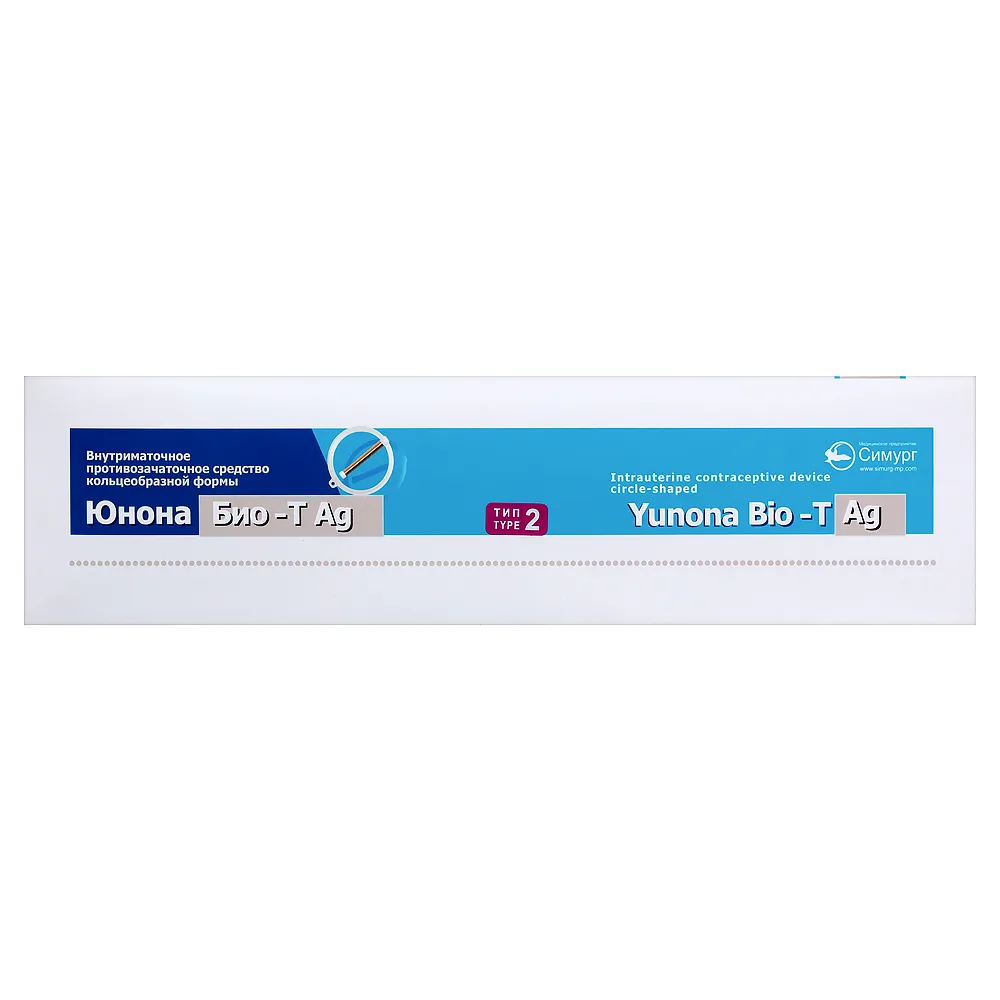
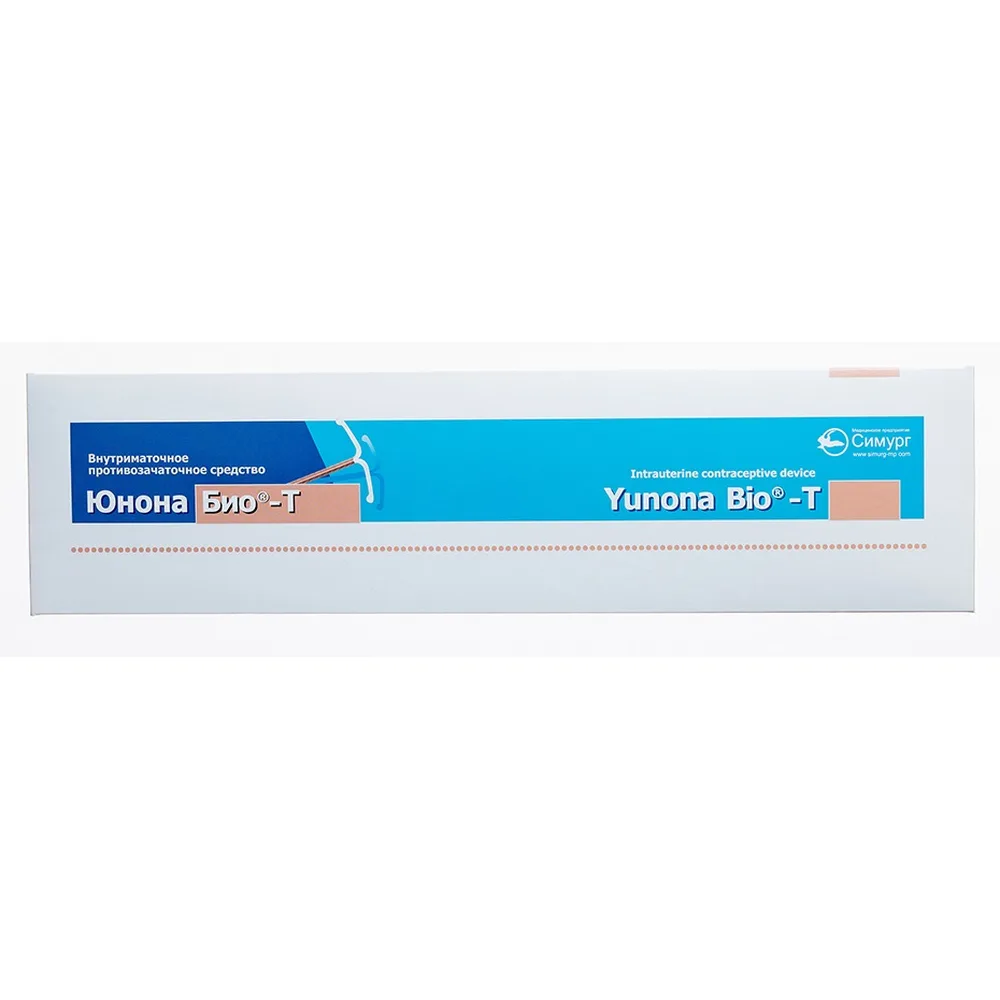
Juno Bio-T intrauterine device is a medical product used for contraception in women. The device is made from medical-grade material and has a coiled shape that is inserted into the uterine cavity. It is a long-term method of contraception and can be used for up to 5 years. The device is an effective and convenient form of contraception, and its insertion is performed by medical professionals in a healthcare setting. If you plan to use a contraceptive device, be sure to consult with your doctor.
Юнона Био-Т спираль в маточной полости - это медицинское изделие, которое используется для контрацепции у женщин. Спираль создана из медицинского материала и имеет форму витка, который устанавливается в маточной полости. Она является долговременным методом контрацепции и может использоваться до 5 лет. Спираль является эффективным и удобным способом контрацепции, и ее установка выполняется медицинскими специалистами в условиях медицинского учреждения. Если Вы планируете использовать контрацепцию спираль, обязательно проконсультируйтесь с Вашим врачом.
RU name Юнона био-т спираль в/маточная
How we fulfill
Three checkpoints between the pharmacy shelf and your door. You see every one.
01
No grey-market middlemen, no warehouses we can't audit. Retail purchase, on demand, against your order.
02
A photo of your actual parcel in its original retail packaging lands in your inbox before it ships. Like this →
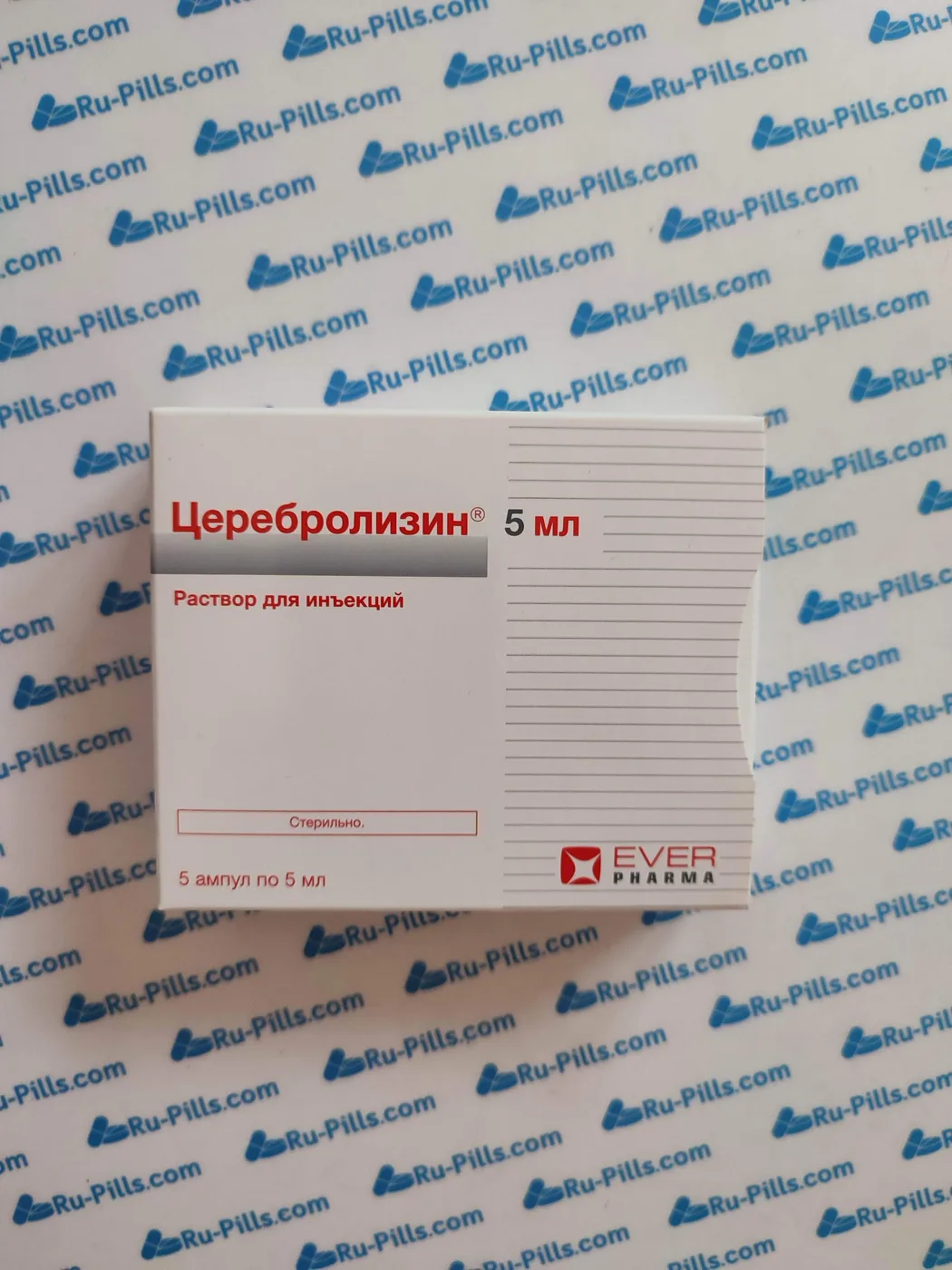 Real customer parcel
03
To 120+ countries. Most parcels arrive in 7–18 days.