01
Sourced
A licensed Russian pharmacy buys it for you.
No grey-market middlemen, no warehouses we can't audit. Retail purchase, on demand, against your order.

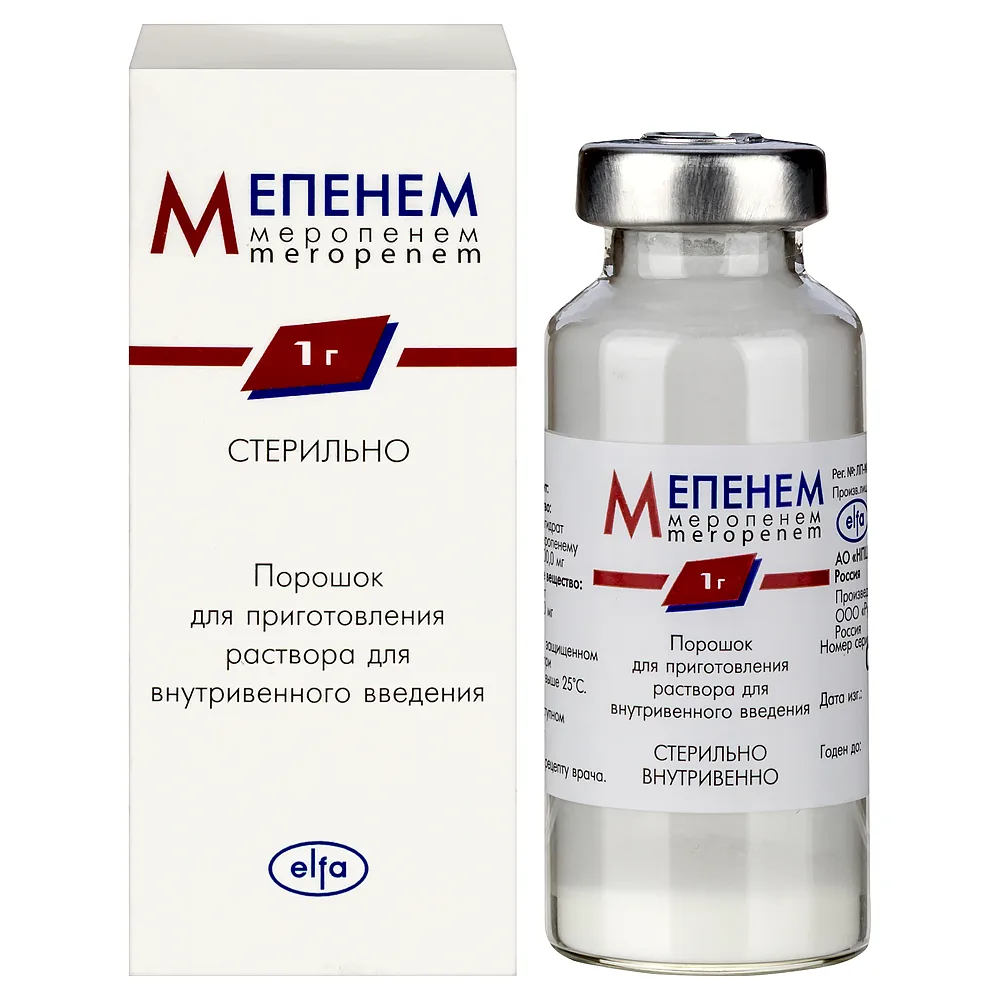 powder for solution preparation
Meropenem
1 g · powder for solution preparation
SKU 97444
Same active ingredient
Other products with Meropenem
Manufacturer leaflet
Facts from the printed manufacturer leaflet. Sections vary by drug — we only show what's actually in the box.
Infectious-inflammatory diseases caused by microorganisms sensitive to meropenem (monotherapy or in combination with other antimicrobial agents): lower respiratory tract infections (pneumonia, including hospital-acquired pneumonia); intra-abdominal infections (complicated appendicitis, peritonitis); urinary tract infections (pyelonephritis, pyelitis); skin and soft tissue infections (including erysipelas, impetigo, secondarily infected dermatoses); bacterial meningitis; septicemia; infectious-inflammatory diseases of the pelvic organs (including endometritis). Empirical treatment (in the form of monotherapy or in combination with antiviral or antifungal agents) in suspected bacterial infection in adult patients with febrile episodes in the context of neutropenia.
Инфекционно-воспалительные заболевания, вызванные чувствительными к меропенему микроорганизмами (монотерапия или в комбинации с др. противомикробными лекарственными препаратами): инфекции нижних дыхательных путей (пневмония, включая госпитальную пневмонию); интраабдоминальные инфекции (осложненный аппендицит, перитонит); инфекции мочевыводящей системы (пиелонефрит, пиелит); инфекции кожи и мягких тканей (в т.ч. рожа, импетиго, вторично инфицированные дерматозы); бактериальный менингит; септицемия; инфекционно-воспалительные заболевания органов малого таза (включая эндометрит). Эмпирическое лечение (в виде монотерапии или комбинации с противовирусными или противогрибковыми препаратами) при подозрении на бактериальную инфекцию у взрослых пациентов с фебрильными эпизодами на фоне нейтропении.
Administer intravenously as a bolus over at least 5 minutes, or as an intravenous infusion over 15 - 30 minutes.
The dosage and duration of therapy should be determined based on the type and severity of the infection, and the patient's condition.
The following daily doses are recommended:
Adults
0.5 g intravenously every 8 hours for pneumonia, urinary tract infections, infectious-inflammatory diseases of the pelvic organs, skin and soft tissue infections.
1 g intravenously every 8 hours for hospital-acquired pneumonia, peritonitis, suspected bacterial infection in patients with neutropenia, as well as for septicemia.
For bacterial meningitis, the recommended dose is 2 g every 8 hours. In cases of chronic renal failure, the dose is adjusted based on creatinine clearance (CC): for CC 26-50 ml/min - 0.5-1-2 g twice daily, 10-25 ml/min - 250-500-1000 mg twice daily, less than 10 ml/min - 250-500-1000 mg once daily.
Meropenem is removed during hemodialysis. If prolonged treatment is required, it is recommended that the dose unit (determined based on the type and severity of the infection) be administered after the hemodialysis procedure to restore effective plasma concentration. Currently, there is no data on the experience of using meropenem in patients undergoing peritoneal dialysis.
In patients with liver failure, dose adjustment is not required.
In elderly patients with CC greater than 50 ml/min, dose adjustment is not required.
Children
For children aged 3 months to 12 years, the recommended dose for intravenous administration is 10-20 mg/kg body weight every 8 hours, depending on the type and severity of the infection, the sensitivity of the pathogenic microorganism, and the patient's condition. For children weighing more than 50 kg, adult doses should be used.
For meningitis, the recommended dose is 40 mg/kg every 8 hours.
There is no experience with the drug in children with liver and kidney dysfunction.
Preparation of Solutions
For intravenous bolus injections, meropenem should be diluted with sterile water for injection (10 ml for 500 mg of the drug). This provides a solution concentration of 50 mg/ml. For intravenous infusions, meropenem is diluted with a compatible infusion fluid (from 50 to 200 ml).
Meropenem is compatible with the following infusion fluids:
• 0.9% sodium chloride solution;
• 5% or 10% dextrose solution;
• 5% dextrose solution with 0.02% sodium bicarbonate;
• 0.9% sodium chloride solution and 5% dextrose solution;
• 5% dextrose solution with 0.225% sodium chloride solution;
• 5% dextrose solution with 0.15% potassium chloride solution;
• 2.5% and 10% mannitol solution.
Meropenem should not be mixed with solutions containing other drugs.
For intravenous injections and infusions, freshly prepared meropenem solution is recommended.
Внутривенно болюсно в течение не менее 5 минут, либо в виде внутривенной инфузии в течение 15 - 30 минут.
Дозировка и продолжительность терапии должны устанавливаться в зависимости от типа и тяжести инфекции, и состояния пациента.
Рекомендуются следующие суточные дозы:
Взрослые
0.5 г внутривенно каждые 8 часов при пневмонии, инфекциях мочевыводящей системы, инфекционно-воспалительных заболеваниях органов малого таза, инфекциях кожи и мягких тканей.
1 г внутривенно каждые 8 часов при госпитальной пневмонии, перитоните, подозрении на бактериальную инфекцию у больных с нейтропенией, а также септицемии.
При бактериальном менингите рекомендуемая доза составляет 2 г каждые 8 часов. При хронической почечной недостаточности дозу корректируют в зависимости от клиренса креатинина (КК): при КК 26-50 мл/мин - по 0.5-1-2 г 2 раза в сутки, 10-25 мл/мин - по 250-500-1000 мг 2 раза в сутки, менее 10 мл/мин - по 250-500-1000 мг 1 раз в сутки.
Меропенем выводится при гемодиализе. Если требуется продолжительное лечение, рекомендуется, чтобы единица дозы (определяется в зависимости от типа и тяжести инфекции) вводилась по завершении процедуры гемодиализа, чтобы восстановить эффективную концентрацию в плазме. В настоящее время нет данных об опыте применения меропенема у пациентов, находящихся на перитонеальном диализе.
У пациентов с печеночной недостаточностью коррекции дозы не требуется.
У пожилых пациентов с КК более 50 мл/мин коррекции дозы не требуется.
Дети
Для детей в возрасте от 3 месяцев до 12 лет рекомендуемая доза для внутривенного введения составляет 10-20 мг/кг массы тела каждые 8 часов в зависимости от типа и тяжести инфекции, чувствительности патогенного микроорганизма и состояния пациента. У детей с массой тела более 50 кг следует использовать дозы для взрослых.
При менингите рекомендуемая доза составляет 40 мг/кг каждые 8 часов.
Нет опыта применения препарата у детей с нарушением функции печени и почек.
Приготовление растворов
Для внутривенных болюсных инъекций меропенем должен разводиться стерильной водой для инъекций (10 мл на 500 мг препарата). Это обеспечивает концентрацию раствора 50 мг/мл. Для внутривенных инфузий меропенем разводится совместимой инфузионной жидкостью
(от 50 до 200 мл).
Меропенем совместим со следующими инфузионными жидкостями:
• 0,9% раствор натрия хлорида;
• 5% или 10% раствор декстрозы;
• 5% раствор декстрозы с 0,02% натрия гидрокарбонатом;
• 0,9% раствор натрия хлорида и 5% раствор декстрозы;
• 5% раствор декстрозы с 0,225% раствором натрия хлорида;
• 5% раствор декстрозы с 0,15% раствором калия хлорида;
• 2,5% и 10% раствор маннитола.
Меропенем не должен смешиваться с растворами, содержащими другие препараты.
Для внутривенных инъекций и инфузий рекомендуется применять свежеприготовленный раствор меропенема.
Each vial contains:
Active ingredient:
Meropenem trihydrate, equivalent to anhydrous meropenem 1000.000 mg;
Excipients: anhydrous sodium carbonate 208.000 mg
A powder ranging in color from white to white with a yellowish tint.
В 1 флаконе содержится:
Активное вещество:
Меропенема тригидрат, эквивалентно меропенему безводному 1000,000 мг;
Вспомогательное вещество: натрия карбонат безводный 208,000 мг
От белого до белого с желтоватым оттенком цвета порошок.
Increased sensitivity to meropenem, other components of the drug, and other carbapenems; pronounced hypersensitivity (anaphylactic reactions, severe skin reactions) to other beta-lactam antibiotics (i.e., penicillins or cephalosporins); pediatric age (up to 3 months).
With caution
In case of simultaneous use with nephrotoxic drugs, in patients with gastrointestinal complaints, especially with colitis.
Use during pregnancy and breastfeeding
The safety of meropenem use in women during pregnancy has not been studied. The drug should not be used during pregnancy unless the potential benefit to the mother outweighs the possible risk to the fetus. In each case, the drug should be used under strict medical supervision. If the drug is necessary during lactation, the issue of discontinuing breastfeeding should be addressed.
There is no experience with the use of meropenem in pediatric practice for patients with neutropenia or with primary or secondary immunodeficiency.
In cases of monotherapy for known or suspected severe lower respiratory tract infections caused by Pseudomonas aeruginosa, regular determination of the pathogen's sensitivity is recommended. The use of meropenem may lead to the development of pseudomembranous colitis (the toxin produced by Clostridium difficile is one of the main causes of antibiotic-associated colitis), which can range in severity from mild to life-threatening forms. It is important to be aware of the possibility of developing pseudomembranous colitis in the event of diarrhea during treatment. Patients with a history of hypersensitivity to carbapenems, penicillins, or other beta-lactam antibiotics may exhibit hypersensitivity to meropenem. Before starting treatment, it is essential to thoroughly inquire about the patient's history of allergic reactions. If an allergic reaction to meropenem occurs, the administration of the drug must be discontinued, and appropriate measures should be taken. Treatment of patients with liver disease should be conducted under careful monitoring of liver transaminase activity and bilirubin concentration. During treatment, the development of resistance in pathogens is possible; therefore, prolonged treatment should be conducted under constant monitoring of the spread of resistant strains. The use of meropenem is not recommended for infections caused by methicillin-resistant strains of Staphylococcus spp.
Effects on the ability to drive vehicles and engage in other potentially dangerous activities. Caution should be exercised when driving and engaging in potentially dangerous activities that require increased attention and rapid psychomotor responses during the treatment period.
Повышенная чувствительность к меропенему, другим компонентам препарата и другим карбапенемам, выраженная гиперчувствительность (анафилактические реакции, тяжелые кожные реакции) к другим бета-лактамным антибиотикам (т.е. к пенициллинам или цефалоспоринам); детский возраст (до 3 мес).
С осторожностью
При одновременном применении с нефротоксичными препаратами, пациентам с жалобами со стороны желудочно-кишечного тракта, особенно с колитами.
Применение при беременности и в период грудного вскармливания
Безопасность применения меропенема у женщин во время беременности не изучалась. Препарат не должен применяться во время беременности, за исключением случаев, когда потенциальная польза от его применения для матери превышает возможный риск для плода. В
каждом случае препарат должен применяться под строгим наблюдением врача. При необходимости применения препарата в период лактации следует решить вопрос о прекращении грудного вскармливания.
Опыта применения меропенема в педиатрической практике у пациентов с нейтропенией или с первичным или с вторичным иммунодефицитом нет.
При монотерапии известной или подозреваемой инфекции нижних дыхательных путей тяжелого течения, вызываемой Pseudomonas aeruginosa, рекомендуется регулярное определение чувствительности возбудителя При применении меропенема может наблюдаться развитие псевдомембранозного колита(токсин, продуцируемый Clostridium difficile, является одной из основных причин колитов, связанных с антибиотиками), который может варьировать по тяжести от легких до угрожающих жизни форм. Важно помнить о возможности развития псевдомембранозного колита при возникновении диареи на фоне лечения. Пациенты, имеющие в анамнезе гиперчувствительность к карбапенемам, пенициллинам или другим бета-лактамным антибиотикам, могут проявлять гиперчувствительность к меропенему. Перед началом лечения необходимо тщательно опросить пациента на предмет наличия аллергических реакций в анамнезе. При возникновении аллергической реакции на меропенем, необходимо прекратить введение препарата и принять соответствующие меры. Лечение больных с заболеваниями печени должно проводиться под тщательным контролем активности "печеночных" трансаминаз и концентрации билирубина. В процессе лечения возможно развитие устойчивости возбудителей, в связи с чем длительное лечение проводят под постоянным контролем распространения резистентных штаммов. Не рекомендуется применение меропенема при инфекциях, вызванных метициллинрезистентными штаммами Staphylococcus spp. Влияние на способность управлять транспортными средствами и заниматься другими потенциально опасными видами деятельности. В период лечения необходимо соблюдать осторожность при вождении автотранспорта и занятии потенциально опасными видами деятельности, требующими повышенной концентрации внимания и быстроты психомоторных реакций.
Gastrointestinal system: nausea, vomiting, diarrhea, increased activity of "liver" transaminases, alkaline phosphatase, lactate dehydrogenase, hyperbilirubinemia, pseudomembranous colitis.
Hematopoietic system: thrombocytosis, eosinophilia, thrombocytopenia, leukopenia, neutropenia, agranulocytosis, hemolytic anemia.
Nervous system: headache, paresthesia, seizures.
Allergic reactions: skin itching, skin rash, urticaria, erythema multiforme, Stevens-Johnson syndrome, toxic epidermal necrolysis, angioedema, anaphylactic shock.
Urinary system: hypercreatininemia, increased plasma urea concentration.
Local reactions: inflammation, thrombophlebitis, pain at the injection site.
Other: positive direct or indirect Coombs test, decreased partial thromboplastin time, vaginal candidiasis, oral mucosal candidiasis.
Causal relationship with the use of meropenem not established: constipation, cholestatic hepatitis, heart failure, cardiac arrest, tachycardia, bradycardia, myocardial infarction, decreased or increased blood pressure, pulmonary artery thromboembolism, syncope, hallucinations, depression, anxiety, increased excitability, insomnia, dyspnea.
Accidental overdose is possible during treatment, especially in patients with impaired kidney function, which may lead to an increase in dose-dependent side effects.
Treatment in case of overdose should be symptomatic. During hemodialysis, rapid elimination of the drug occurs.
Probenecid competes with meropenem for active tubular secretion, inhibiting renal excretion and causing an increase in the half-life and concentration of meropenem in plasma. Since the efficacy and duration of action of meropenem administered without probenecid are adequate, co-administration of probenecid with meropenem is not recommended. The potential effect of meropenem on the binding of other drugs to plasma proteins or metabolism has not been studied. The binding of meropenem to plasma proteins is low (approximately 2%), therefore interactions with other drugs based on the mechanism of displacement from protein binding are not expected. Meropenem may reduce the concentration of valproic acid in serum. In some patients, concentrations below therapeutic levels may be reached. Co-administration of carbapenems and valproic acid preparations has led to a reduction in valproic acid concentration in plasma by 60-100% within 2 days of therapy. Due to the rapid and significant decrease in valproic acid concentration, co-administration of meropenem and valproic acid preparations is not recommended. There are no specific data on possible drug interactions (except for probenecid). The use of meropenem during the administration of other drugs has not been associated with the development of adverse pharmacological interactions.
Со стороны пищеварительной системы: тошнота, рвота, диарея, повышение активности "печеночных" трансаминаз, щелочной фосфатазы, лактатдегидрогеназы, гипербилирубинемия, псевдомембранозный колит.
Со стороны системы кроветворения: тромбоцитоз, эозинофилия, тромбоцитопения, лейкопения, нейтропения, агранулоцитоз, гемолитическая анемия.
Со стороны нервной системы: головная боль, парестезии, судороги.
Аллергические реакции: зуд кожи, кожная сыпь, крапивница, мультиформная экссудативная эритема, синдром Стивенса-Джонсона, токсический эпидермальный некролиз, ангионевротический отек, анафилактический шок.
Со стороны мочевыделительной системы: гиперкреатининемия, повышение концентрации мочевины в плазме.
Местные реакции: воспаление, тромбофлебит, болезненность в месте введения.
Прочие: положительная прямая или непрямая пробы Кумбса, снижение частичного тромбопластинового времени, вагинальный кандидоз, кандидоз слизистой оболочки полости рта.
Причинно-следственная связь с применением меропенема не установлена: запор, холестатический гепатит, сердечная недостаточность, остановка сердца, тахикардия, брадикардия, инфаркт миокарда, снижение или повышение артериального давления, тромбоэмболия легочной артерии, обморок, галлюцинации, депрессия, тревожность, повышенная возбудимость, бессонница, диспноэ.
Случайная передозировка возможна во время лечения, особенно у пациентов с нарушенной функцией почек при этом возможно усиление дозозависимых побочных эффектов.
Лечение в случае передозировки должно быть симптоматическим. При гемодиализе происходит быстрая элиминация препарата.
Пробенецид конкурирует с меропенемом за активную канальцевую секрецию, ингибируя почечную экскрецию и вызывая увеличение периода полувыведения и концентрации меропенема в плазме. Так как эффективность и длительность действия меропенема, вводимого без пробенецида, являются адекватными, совместное введение пробенецида с меропенемом не рекомендуется. Возможное действие меропенема на степень связи других препаратов с белками плазмы крови или метаболизм не изучалось. Связь меропенема с белками плазмы крови низкая (около 2%), поэтому взаимодействия с другими препаратами, основанного на механизме вытеснения из связи с белками плазмы, не предполагается. Меропенем может уменьшать концентрацию вальпроевой кислоты в сыворотке крови. У некоторых пациентов может быть достигнута концентрация ниже терапевтической. Совместное применение карбапенемов и препаратов вальпроевой кислоты приводило к снижению концентрации вальпроевой кислоты в плазме крови на 60-100% через 2 дня терапии. В связи с быстрым и значительным снижением концентрации вальпроевой кислоты не рекомендуется совместное применение меропенема и препаратов вальпроевой кислоты. Специфических данных о возможных лекарственных взаимодействиях (за исключением пробенецида) нет. Применение меропенема во время приема других препаратов не сопровождалось развитием неблагоприятных фармакологических взаимодействий.
Meropenem is an antibiotic from the carbapenem group for parenteral use, exhibiting bactericidal action. It interacts with specific penicillin-binding proteins on the surface of the cytoplasmic membrane, inhibiting the synthesis of the peptidoglycan layer of the cell wall, suppressing transpeptidase, and promoting the release of autolytic enzymes from the cell wall, ultimately causing damage and death of bacteria. It is resistant to the action of dehydropeptidase-1, easily penetrates the bacterial cell wall, and is resistant to the action of most beta-lactamases. Among known beta-lactam antibiotics, it has the highest activity against most aerobic and anaerobic gram-positive and gram-negative microorganisms.
Active in vitro and in vivo against:
Gram-positive aerobes: Enterococcus faecalis (excluding vancomycin-resistant strains), Staphylococcus aureus (methicillin-sensitive); Staphylococcus spp. (methicillin-sensitive), including Staphylococcus epidermidis; Streptococcus agalactiae; Streptococcus pneumoniae; Streptococcus pyogenes; group Streptococcus milleri (Streptococcus anginosus, Streptococcus constellatus, Streptococcus intermedius).
Gram-negative aerobes: Citrobacter freundii, Citrobacter koseri, Enterobacter aerogenes, Enterobacter cloacae, Escherichia coli, Haemophilus influenzae, Klebsiella oxytoca, Klebsiella pneumoniae, Morganella morganii, Neisseria meningitidis, Proteus mirabilis, Proteus vulgaris, Serratia marcescens.
Gram-positive anaerobes: Clostridium perfringens, Peptoniphilus asaccharolyticus, Peptostreptococcus spp., including Peptostreptococcus anaerobius, Peptostreptococcus micros, Peptococcus magnus. Gram-negative anaerobes: Bacteroides caccae, Bacteroides fragilis, Prevotella bivia, Prevotella disiens.
Microorganisms for which acquired resistance is a concern: Gram-positive aerobes: Enterococcus faecium.
Gram-negative aerobes: Acinetobacter spp., Burkholderia cepacia, Pseudomonas aeruginosa.
Microorganisms with natural resistance: Stenotrophomonas maltophilia, Legionella spp., Chlamydophila pneumoniae, Chlamydophila psittaci, Coxiella burnetii, Mycoplasma pneumoniae.
After a single intravenous (IV) administration over 30 minutes, the maximum concentration (Cmax) of meropenem in plasma is 23 µg/ml for a dose of 500 mg and 49 µg/ml for a dose of 1 g. The Cmax in plasma after a 5-minute bolus injection is 52 µg/ml for a dose of 500 mg and 112 µg/ml for a dose of 1 g. It penetrates well into most tissues and fluids of the body, including cerebrospinal fluid (CSF) in patients with bacterial meningitis, reaching concentrations that exceed those required to suppress most bacteria (bactericidal concentrations are achieved within 0.5-1.5 hours after the start of infusion). It penetrates into breast milk in small amounts. Plasma protein binding is approximately 2%. It undergoes minimal metabolism in the liver, resulting in a single inactive metabolite. The half-life (T1/2) is 1 hour, and in children under 2 years, it is 1.5-2.3 hours. A linear relationship of pharmacokinetic parameters is observed in children within the dose range of 10-40 mg/kg. It does not accumulate. It is excreted by the kidneys - 70% in unchanged form within 12 hours. The concentration of meropenem in urine exceeding 10 µg/ml is maintained for 5 hours after the administration of 500 mg. In patients with renal insufficiency, clearance correlates with creatinine clearance (CC). In elderly patients, the decrease in meropenem clearance correlates with age-related reductions in CC. T1/2 is 1.5 hours. It is removed by hemodialysis.
Меропенем - антибиотик из группы карбапенемов для парентерального применения,оказывает бактерицидидное действие. Взаимодействует с рецепторами специфическимипенициллинсвязывающими белками на поверхности цитоплазматической мембраны, тормозит синтез пептидогликанового слоя клеточной стенки, подавляет транспептидазу, способствует высвобождению аутолитических ферментов клеточной стенки, что в итоге вызывает ее повреждение и гибель бактерий. Устойчив к действию дегидропептидазы-1, легко проникает через клеточную стенку бактерий, устойчив к действию большинства бета-лактамаз. Среди известных бета-лактамных антибиотиков обладает наиболее высокой активностью в отношении большинства аэробных и анаэробных грамположительных и грамотрицательных микроорганизмов.
Активен in vitro и in vivo в отношении:
Грамположительных аэробов: Enterococcus faecalis (исключая ванкомицинрезистентные штаммы), Staphylococcus aureus (метициллинчувствительные); Staphylococcus spp. (метициллинчувствительные), в т.ч. Staphylococcus epidermidis; Streptococcus agalactiae; Streptococcus pneumoniae; Streptococcus pyogenes, группа Streptococcus milleri (Streptococcus anginosus, Streptococcus constellatus, Streptococcus intermedius).
Грамотрицательных аэробов: Citrobacter freundii, Citrobacter koseri, Enterobacter aerogenes, Enterobacter cloacae, Escherichia coli, Haemophilus influenzae, Klebsiella oxytoca, Klebsiella pneumoniae, Morganella morganii, Neisseria meningitidis, Proteus mirabilis, Proteus vulgaris, Serratia marcescens.
Грамположительных анаэробов: Clostridium perfringens, Peptoniphilus asaccharolyticus, Peptostreptococcus spp., включая Peptostreptococcus anaerobius, Peptostreptococcus micros, Peptococcus magnus. Грамотрицательных анаэробов: Bacteroides caccae, Bacteroides fragilis, Prevotella bivia, Prevotella disiens.
Микроорганизмы, для которых актуальна проблема приобретенной резистентности: Грамположительные аэробы: Enterococcus faecium.
Грамотрицательные аэробы: Acinetobacter sрр., Burkholderia cepacia, Pseudomonas aeruginosa.
Микроорганизмы, обладающие природной резистентностью: Stenotrophomonas maltophilia, Legionella spp., Сhlamydophila pneumoniаe, Chlamydophila psittaci, Coxiella burnetti, Mycoplasma pneumoniaе.
При однократном внутривенном (в/в) введении в течение 30 мин максимальная концентрация (Сmax) меропенема в плазме составляет 23 мкг/мл для дозы 500 мг и 49 мкг/мл для дозы 1 г. Сmax в плазме после 5 мин болюсной инъекции составляет 52 мкг/мл для дозы 500 мг и 112 мкг/мл для дозы 1 г. Хорошо проникает в большинство тканей и жидкостей организма, в т.ч. в спинномозговую жидкость (СМЖ) больных бактериальным менингитом, достигая концентраций, превышающих требуемые для подавления большинства бактерий (бактерицидные концентрации создаются через 0.5-1.5 ч после начала инфузии). В незначительных количествах проникает в грудное молоко. Связывание с белками плазмы крови примерно 2%. Подвергается незначительному метаболизму в печени с образованием единственного неактивного метаболита. Период полувыведения (T1/2) - 1 ч, у детей до 2 лет - 1.5-2.3 ч. В диапазоне доз 10-40 мг/кг у детейнаблюдается линейная зависимость фармакокинетических параметров. Не кумулирует. Выводится почками - 70% в неизмененном виде в течение 12 ч. Концентрация меропенема в моче, превышающая 10 мкг/мл, поддерживается в течение 5 ч после введения 500 мг. У больных с почечной недостаточностью клиренс коррелирует с клиренсом креатинина (КК). У пожилых пациентов снижение клиренса меропенема коррелирует со снижением КК, связанным с возрастом. T1/2 - 1.5 ч. Выводится при гемодиализе.
RU name Мепенем 1000 мг порошок для приготовления раствора флакон 1 шт.
How we fulfill
Three checkpoints between the pharmacy shelf and your door. You see every one.
01
No grey-market middlemen, no warehouses we can't audit. Retail purchase, on demand, against your order.
02
A photo of your actual parcel in its original retail packaging lands in your inbox before it ships. Like this →
 Real customer parcel
03
To 120+ countries. Most parcels arrive in 7–18 days.
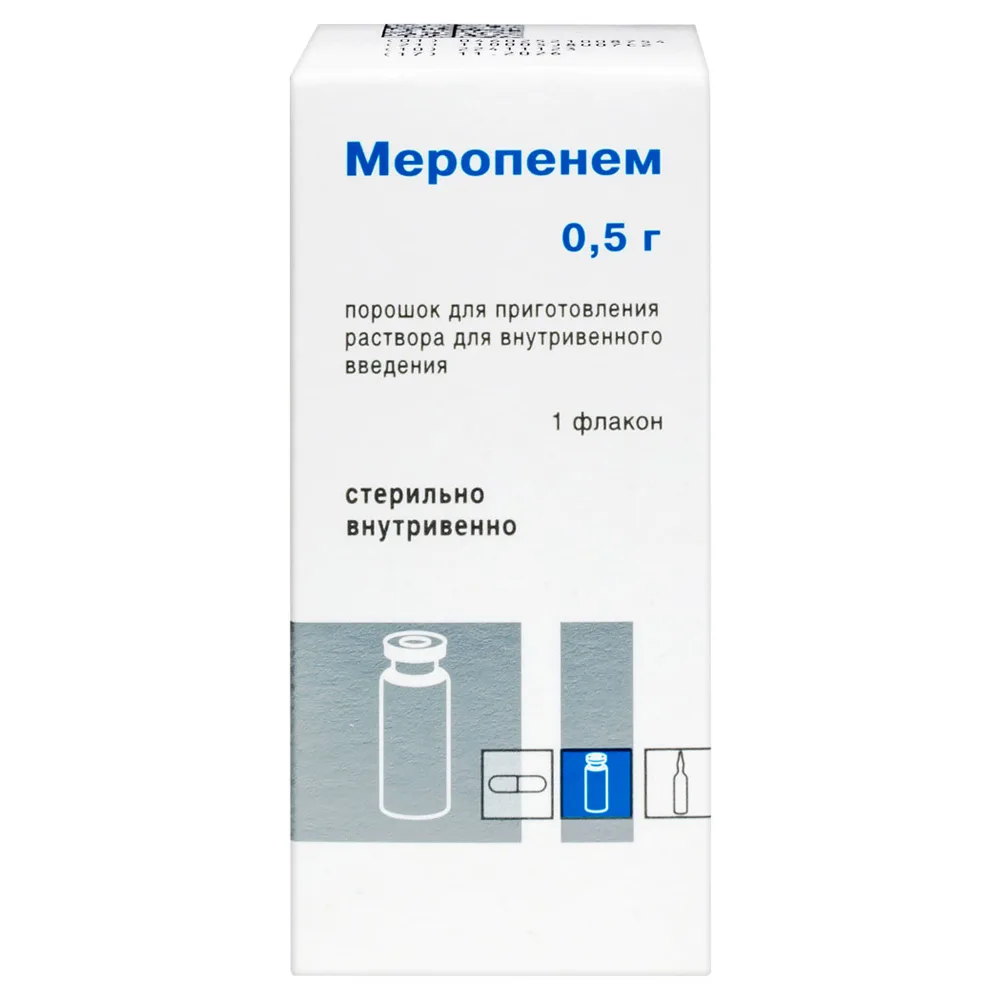
Meropenem · powder for solution preparation
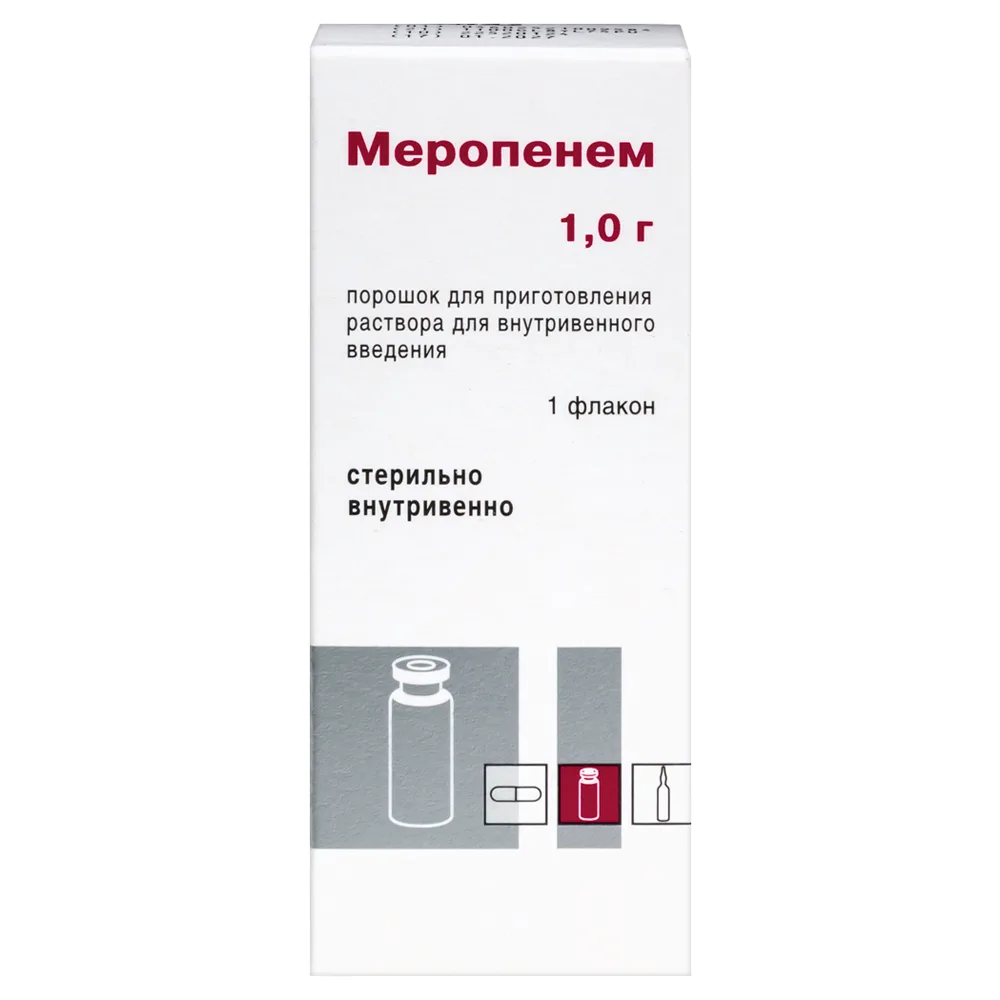
Meropenem · powder for solution preparation
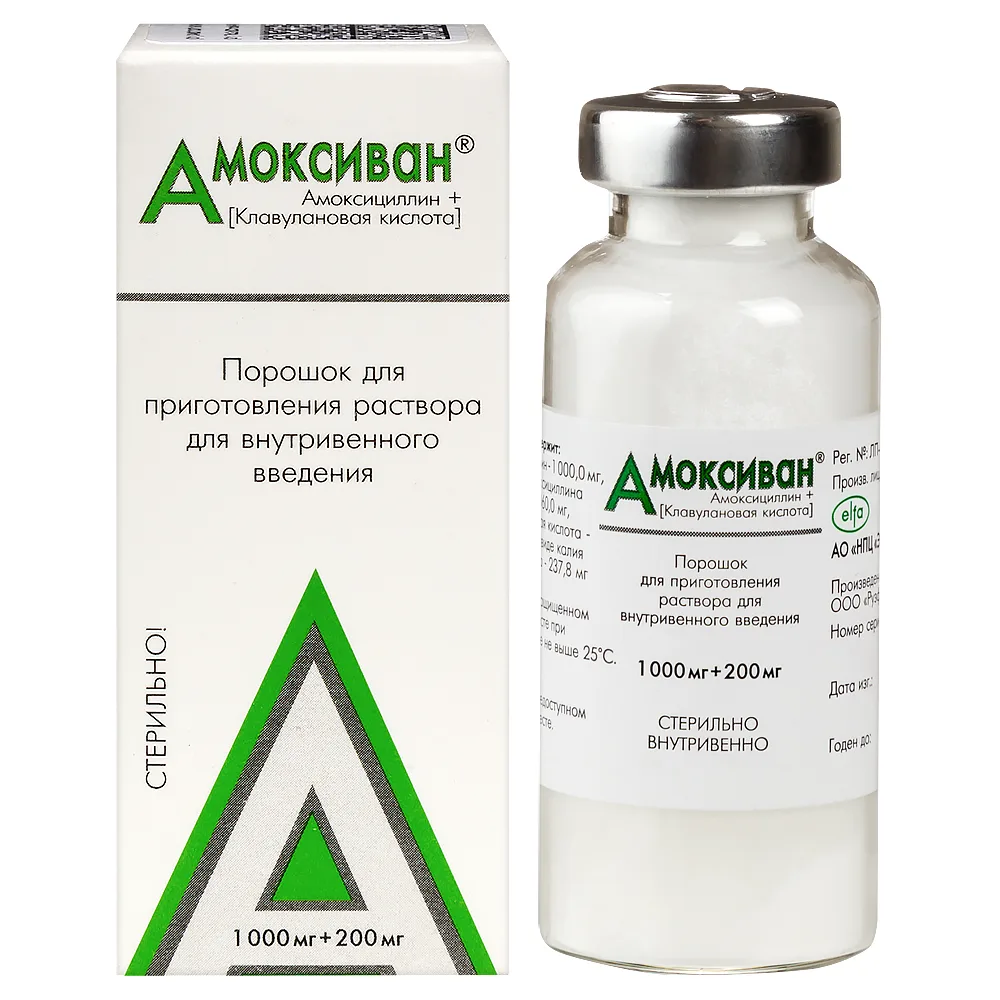
Amoxicillin · powder for intravenous solution preparation
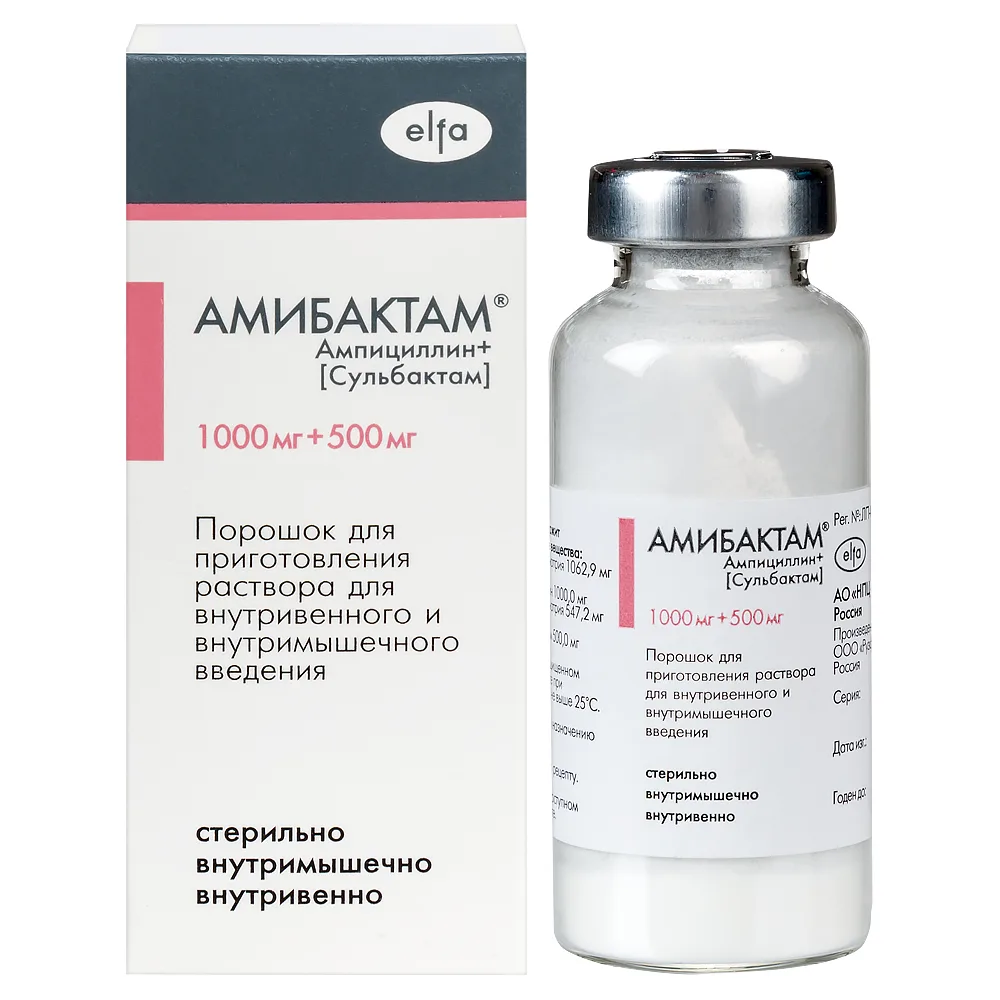
Ampicillin · powder for preparing solution for intravenous and intramuscular administration
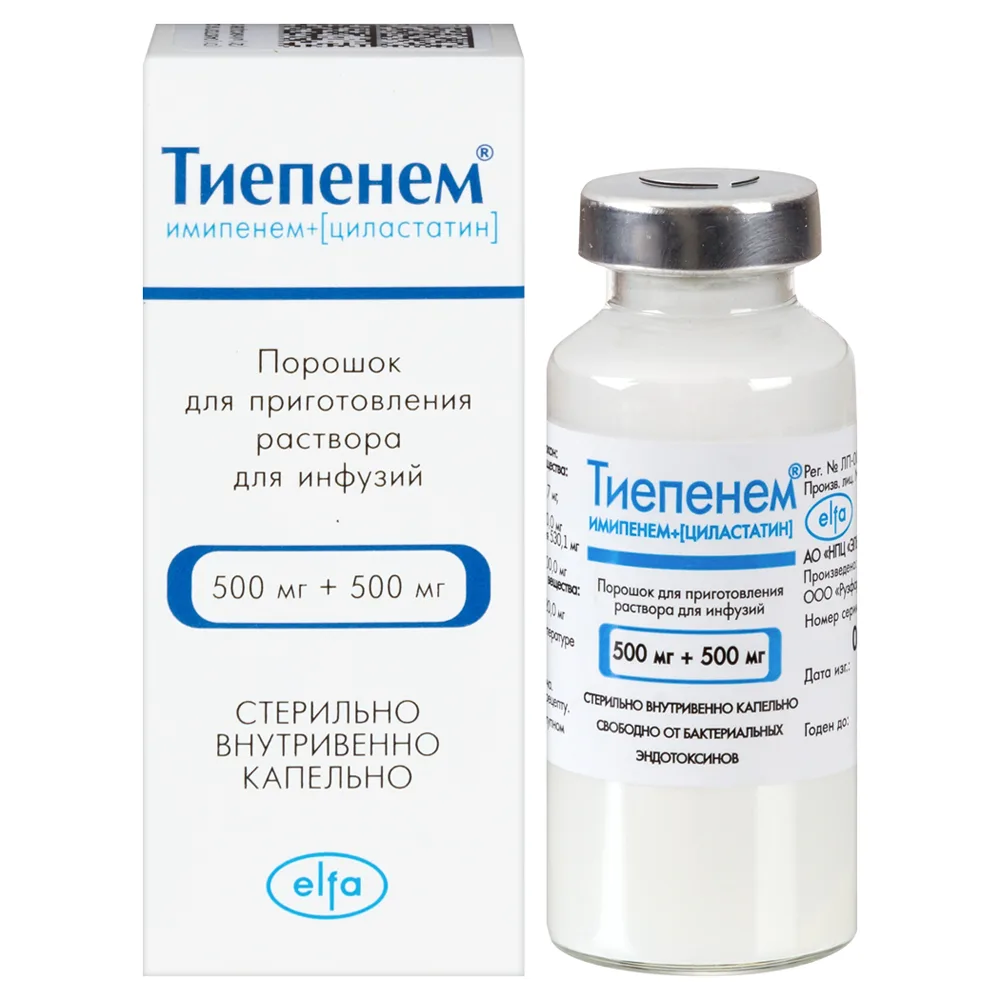
Cilastatin · powder for solution preparation
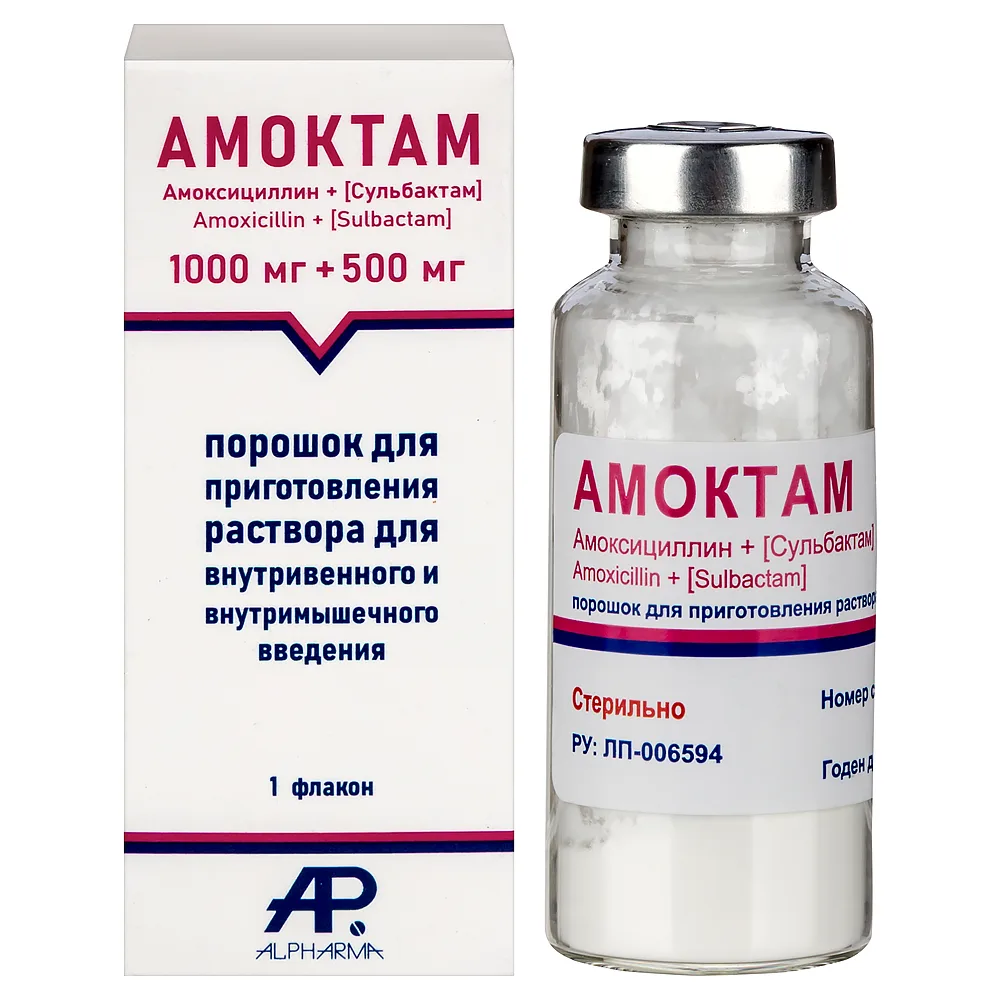
Amoxicillin · powder for preparing solution for intravenous and intramuscular administration