01
Sourced
A licensed Russian pharmacy buys it for you.
No grey-market middlemen, no warehouses we can't audit. Retail purchase, on demand, against your order.

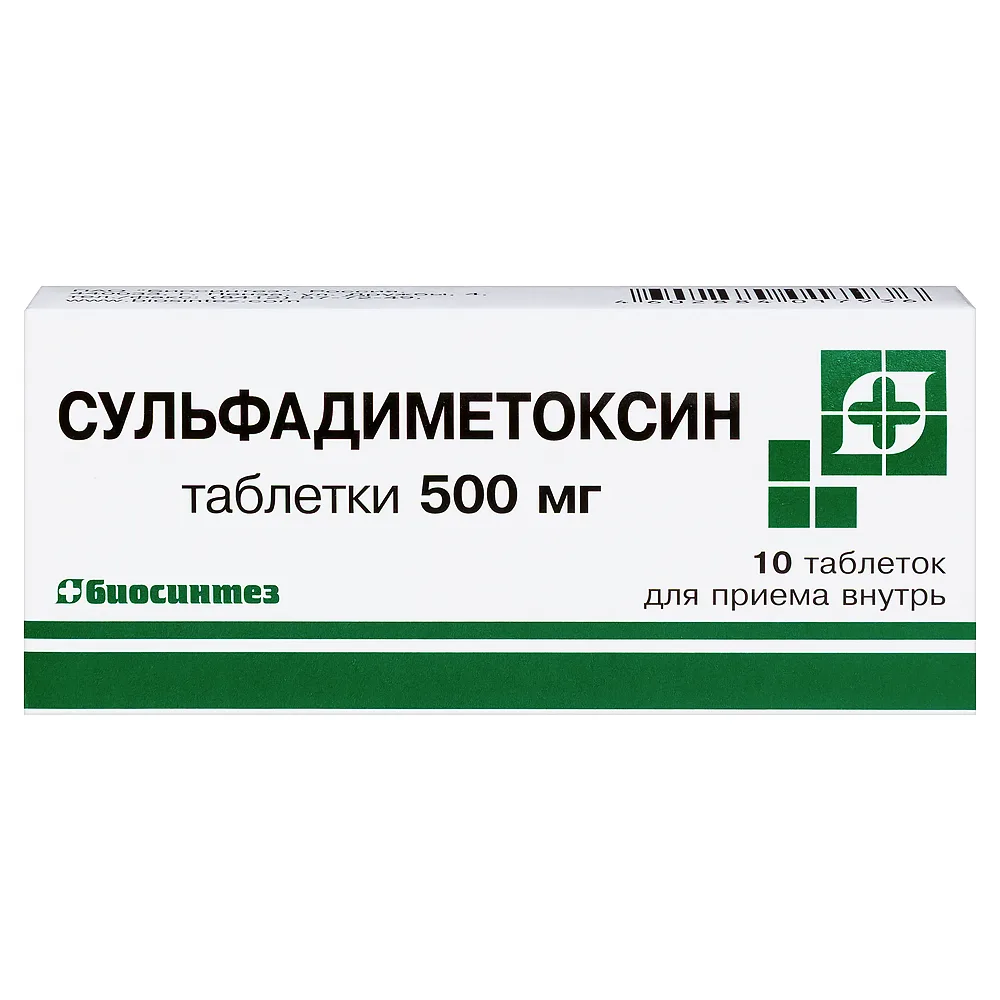 tablets
Sulfadimethoxine
SKU 96790
Same active ingredient
Other products with Sulfadimethoxine
Manufacturer leaflet
Facts from the printed manufacturer leaflet. Sections vary by drug — we only show what's actually in the box.
Infectious-inflammatory diseases caused by sensitive microflora: tonsillitis, bronchitis, pneumonia, sinusitis, otitis media, dysentery, inflammatory diseases of the biliary and urinary tracts (uncomplicated), erysipelas, wound infection, trachoma.
Инфекционно-воспалительные заболевания, вызванные чувствительной микрофлорой: тонзиллит, бронхит, пневмония, гайморит, отит, дизентерия, воспалительные заболевания желчных и мочевыводящих путей (неосложненные), рожа, раневая инфекция, трахома.
Orally, once a day; on the first day - 1-2 g, then - 0.5-1 g/day. For children aged 3 to 12 years, on the first day - 25 mg/kg/day, then - 12.5 mg/kg/day. For children over 12 years, on the first day - 1 g, then - 0.5 g. Treatment course - 7-10 days.
Внутрь, 1 раз в сутки, в 1-ый день - 1-2 г, затем - по 0,5-1 г/сут. Детям с 3-х до 12 лет в 1-ый день - 25 мг/кг/сут, затем - 12,5 мг/кг/сут. Детям старше 12 лет в 1-ый день 1 г. в последующие - 0,5 г. Курс лечения - 7-10 дней.
1 tablet contains
active ingredient: sulfadimethoxine - 500 mg.
Excipients: calcium stearate, gelatin, potato starch.
Tablets of white or white with a creamy tint color, flat-cylindrical with a score and bevel.
1 таблетка содержит
активное вещество: сульфадиметоксин - 500 мг.
Вспомогательные вещества: кальция стеарат, желатин, крахмал картофельный.
таблетки белого или белого с кремоватым оттенком цвета, плоскоцилиндрические с риской и фаской.
Hypersensitivity, bone marrow suppression, renal/hepatic insufficiency, chronic heart failure, congenital glucose-6-phosphate dehydrogenase deficiency, porphyria, azotemia, pregnancy, lactation period, age under 3 years.
During therapy, abundant alkaline drinking is recommended, along with monitoring of blood and urine parameters.
It is not a first-line drug of choice.
Гиперчувствительность, угнетение костномозгового кроветворения, почечная/печеночная недостаточность, хроническая сердечная недостаточность, врожденный дефицит глюкозо-6-фосфатдегидрогеназы, порфирия, азотемия, беременность, период лактации, детский возраст до 3-х лет.
Во время терапии рекомендуется обильное щелочное питье, контроль показателей крови и мочи.
Не является препаратом выбора 1 ряда.
Headache; dyspepsia; leukopenia; agranulocytosis; nausea; vomiting; allergic reactions; cholestatic hepatitis.
Symptoms: cases of overdose are unknown.
Treatment: gastric lavage, monitoring of vital functions, symptomatic therapy.
Reduces the effectiveness of bactericidal antibiotics that act only on dividing microorganisms (including penicillins, cephalosporins).
Procaine, benzocaine, and tetracaine reduce antibacterial activity.
Para-aminosalicylic acid and barbiturates enhance antimicrobial action.
Salicylates increase activity and toxicity.
Methotrexate and phenytoin increase the toxicity of sulfadimethoxine.
Non-steroidal anti-inflammatory drugs, thioacetazone, and chloramphenicol enhance toxic effects on blood (leukopenia, agranulocytosis).
Enhances the action of indirect anticoagulants, phenytoin, and sulfanilamides with hypoglycemic action; pyrazolone derivatives, indomethacin, and salicylates increase the free fraction of the drug in the blood.
Reduces the effectiveness of oral contraceptives.
Enhances the metabolism of cyclosporine.
Myelotoxic drugs enhance the manifestations of the hematotoxicity of the drug.
Головная боль, диспепсия, лейкопения, агранулоцитоз, тошнота, рвота, аллергические реакции, холестатический гепатит.
Симптомы: случаи передозировки неизвестны.
Лечение: промывание желудка, контроль жизненно важных функций, симптоматическая терапия.
Снижает эффективность бактерицидных антибиотиков, действующих только на делящиеся микроорганизмы (в том числе пенициллины, цефалоспорины).
Прокаин, бензокаин и тетракаин снижают антибактериальную активность.
Пара-аминосалициловая кислота и барбитураты усиливают противомикробное действие.
Салицилаты повышают активность и токсичность.
Метотрексат и фенитоин повышают токсичность сульфадиметоксина.
Нестероидные противовоспалительные препараты, тиоацетазон, хлорамфеникол усиливают токсическое действие на кровь (лейкопения, агранулоцитоз).
Усиливает действие антикоагулянтов непрямого действия, фенитоина, сульфаниламидов с гипогликемическим действием; производные пиразолона, индометацин и салицилаты увеличивают свободную фракцию препарата в крови.
Снижает эффективность пероральных контрацептивов.
Усиливает метаболизм циклоспорина.
Миелотоксические ЛС усиливают проявления гематотоксичности препарата.
Antimicrobial bacteriostatic agent, long-acting sulfanilamide. The mechanism of action is based on competitive antagonism with para-aminobenzoic acid, inhibition of dihydropteroate synthase, and disruption of the synthesis of tetrahydrofolic acid, which is necessary for the synthesis of purines and pyrimidines. Active against gram-positive and gram-negative microorganisms: Staphylococcus spp., Streptococcus spp., including Streptococcus pneumoniae, Klebsiella pneumoniae, Escherichia coli, Shigella spp., Chlamydia trachomatis.
After oral administration, it is detected in the blood within 30 minutes, with a peak concentration period of 8-12 hours. Unlike other long-acting sulfonamides, it poorly penetrates the blood-brain barrier, resulting in low concentrations in cerebrospinal fluid. However, during inflammation of the meninges, the permeability of the blood-brain barrier sharply increases. Therapeutic concentrations in adults are observed with a dosage of 1-2 g on the first day and 0.5-1 g on subsequent days. The drug accumulates in the blood primarily due to a high degree of binding to blood proteins (90-99%). It is well distributed throughout organs and systems. It penetrates well into pleural fluid (60-90% of the concentration in blood) and the biliary system, where its concentrations are 1.5-4 times higher than in blood. Unlike other sulfonamides, the predominant metabolism occurs via microsomal glucuronidation, NADPH-dependent, and associated with cytochrome P450.
It is excreted slowly, primarily due to retention in the blood by plasma proteins and a high degree of reabsorption in the renal tubules (93-97.5%). In the blood, 5-15% of acetylated metabolites are present, in urine - 10-25% of acetyl derivatives and 75-90% of glucuronide of sulfadimethoxine; the latter is well soluble and does not provoke the development of crystalluria. The acetyl derivative is not reabsorbed and is completely excreted by the kidneys. Within 24 hours, 20-44% of the administered dose is excreted; within 48 hours, up to 56%; and within 96 hours, up to 83.3%.
Противомикробное бактериостатическое средство, сульфаниламид длительного действия. Механизм действия обусловлен конкурентным антагонизмом с парааминобензойной кислотой, угнетением дигидроптероатсинтетазы, нарушением синтеза тетрагидрофолиевой кислоты, необходимой для синтеза пуринов и пиримидинов. Активен в отношении грамположительных и грамогрицательных микроорганизмов: Staphylococcus spp., Streptococcus spp., в т.ч. Streptococcus pneumoniae, Klebsiella pneumoniae, Escherichia coli, Shigella spp., Chlamydia trachomatis.
После приема внутрь через 30 мин обнаруживается в крови, период максимальной концентрации - 8-12 ч. В отличие от других представителей сульфаниламидов длительного действия плохо проникает через гематоэнцефалический барьер и его концентрация в ликворе низкая. Однако при воспалении менингеальных оболочек проницаемость гематоэнцефалического барьера резко возрастает. Терапевтическая концентрация у взрослых отмечается при приеме 1-2 г в 1-ый день и 0,5-1 г - в последующие дни. Препарат накапливается в крови, прежде всего за счет высокой степени связывания с протеинами крови (90-99 %). Хорошо распределяется по органам и системам. Хорошо проникает в плевральную жидкость (60-90 % от концентрации в крови), в билиарную систему, где его концентрации в 1,5-4 раза выше, чем в крови. В отличие от других сульфаниламидов, преимущественный метаболизм осуществляется по пути микросомального глюкуронирования, - НАДФ-Н-зависимого и связанного с цитохромом Р450.
Выводится медленно, прежде всего, за счет удерживания в крови белками плазмы и за счет высокой степени реабсорбции в канальцах почек (93-97,5 %). В крови содержится 5-15 % ацетилированных метаболитов, в моче - 10-25 % ацетильных производных и 75-90 % - глюкуронида сульфадиметоксина; последний хорошо растворим и не провоцирует развитие кристаллурии. Ацетильное производное не реабсорбируется и полностью выводится почками. Через 24 ч выводится 20-44 % принятой дозы, через 48 ч - до 56 %, через 96 ч - до 83,3 %.
RU name Сульфадиметоксин 500 мг 10 шт. блистер таблетки
How we fulfill
Three checkpoints between the pharmacy shelf and your door. You see every one.
01
No grey-market middlemen, no warehouses we can't audit. Retail purchase, on demand, against your order.
02
A photo of your actual parcel in its original retail packaging lands in your inbox before it ships. Like this →
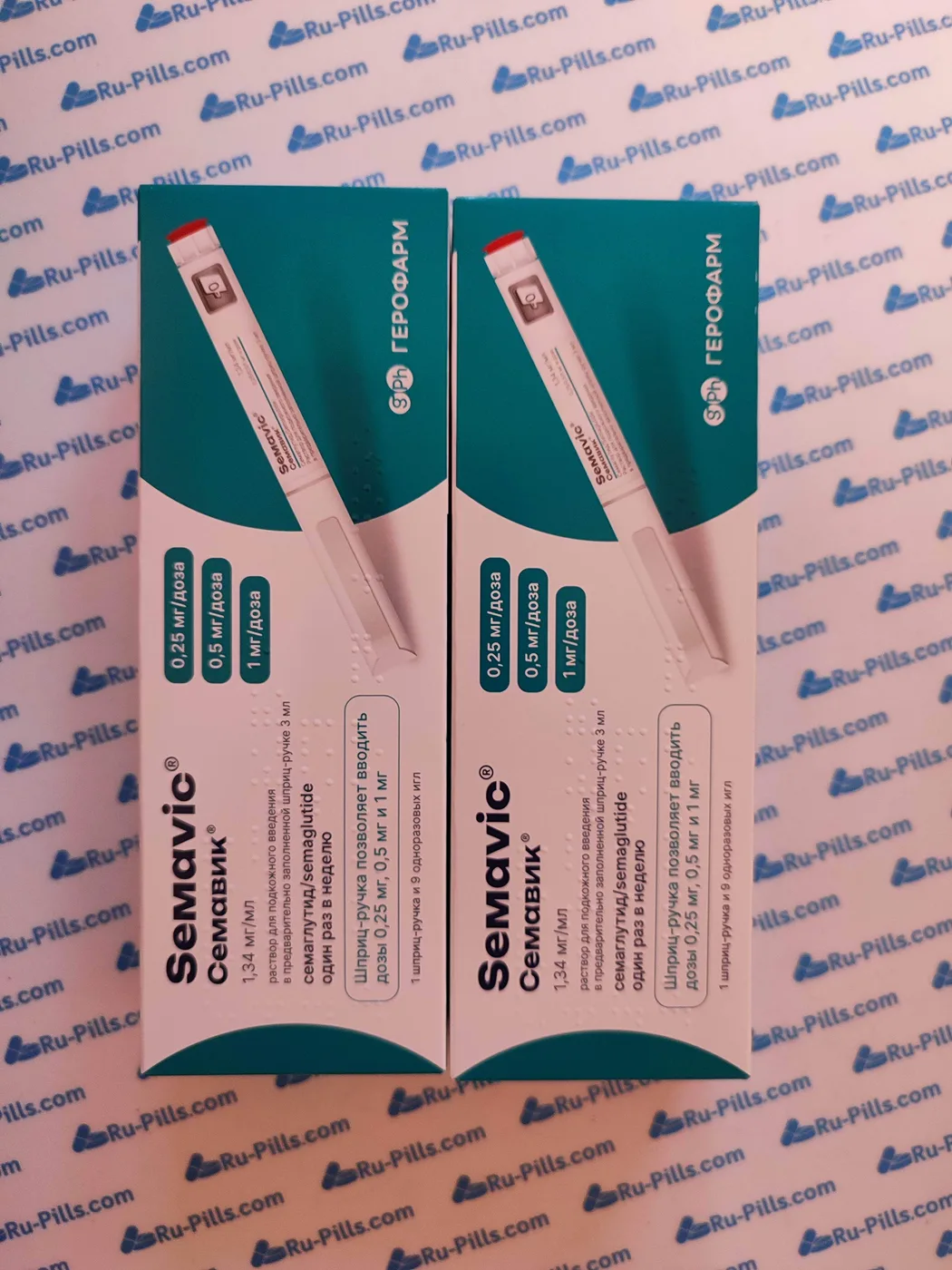 Real customer parcel
03
To 120+ countries. Most parcels arrive in 7–18 days.
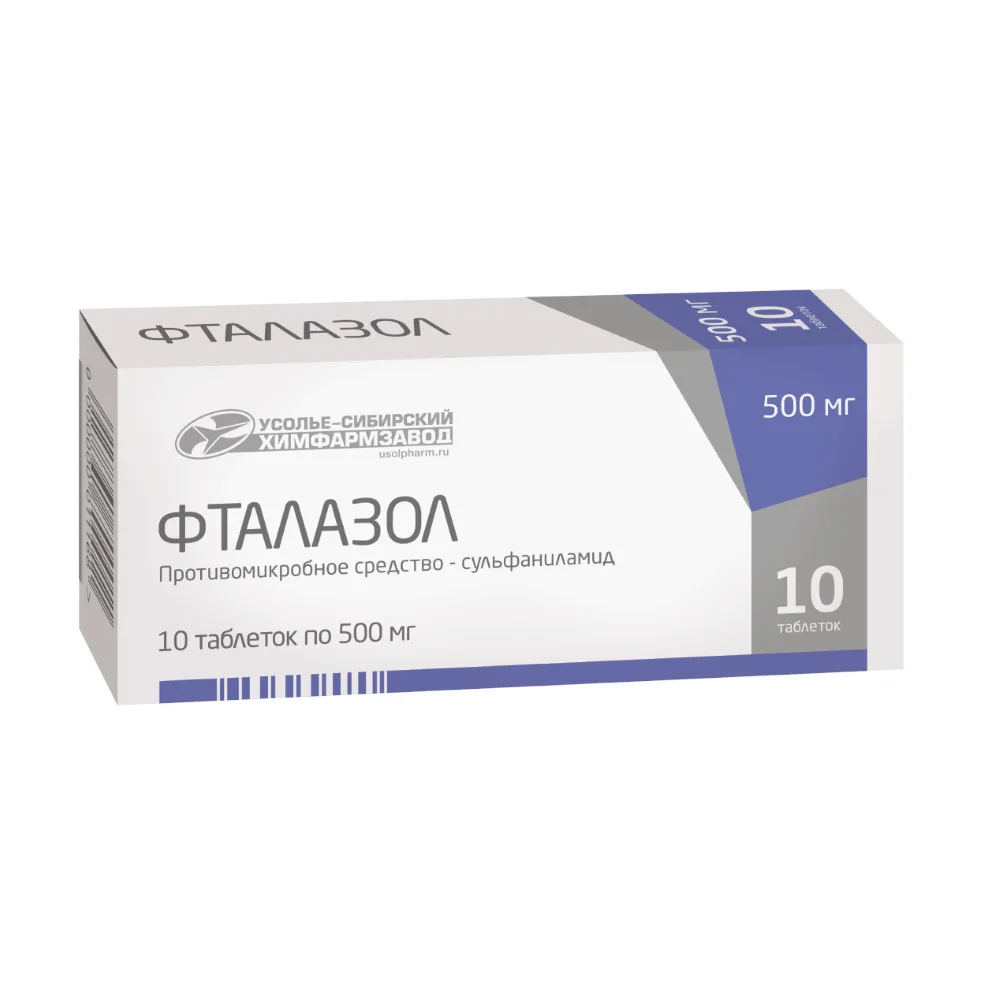
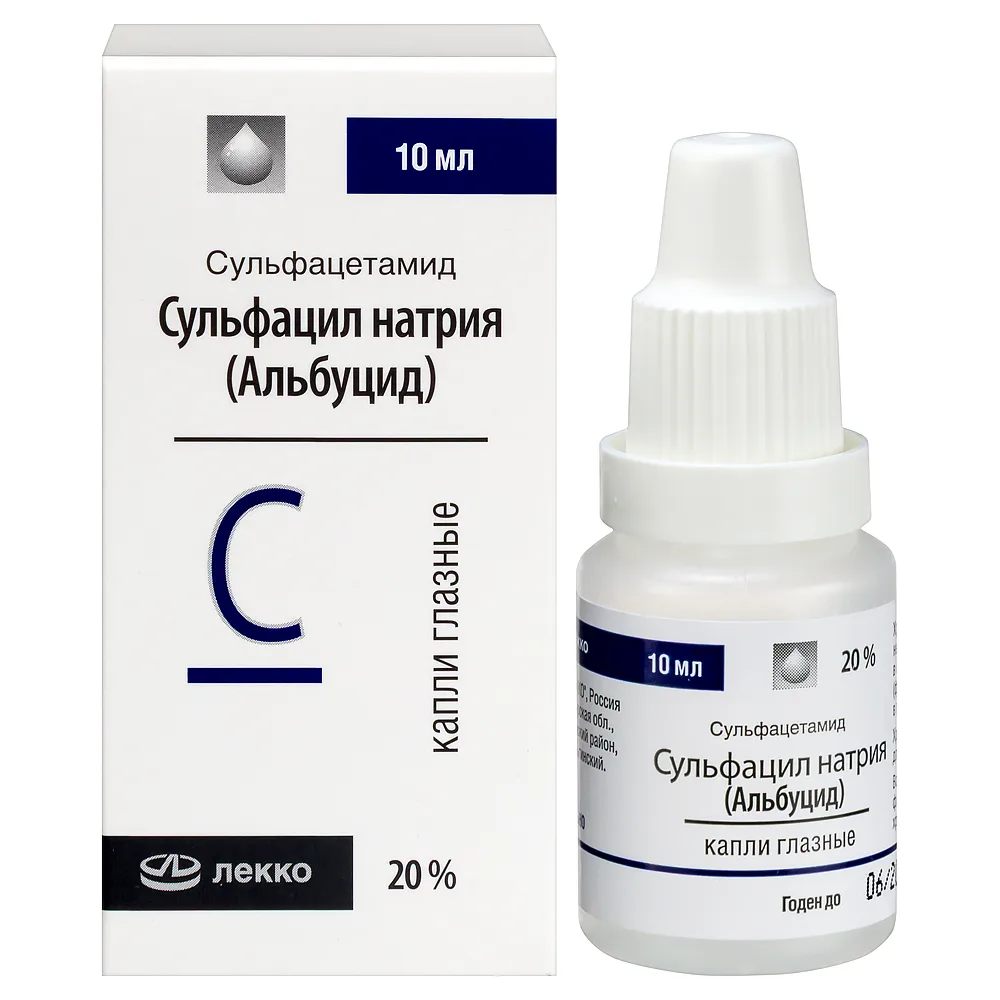
Sulfacetamide · eye drops

Mesulfamide · liniment for external use
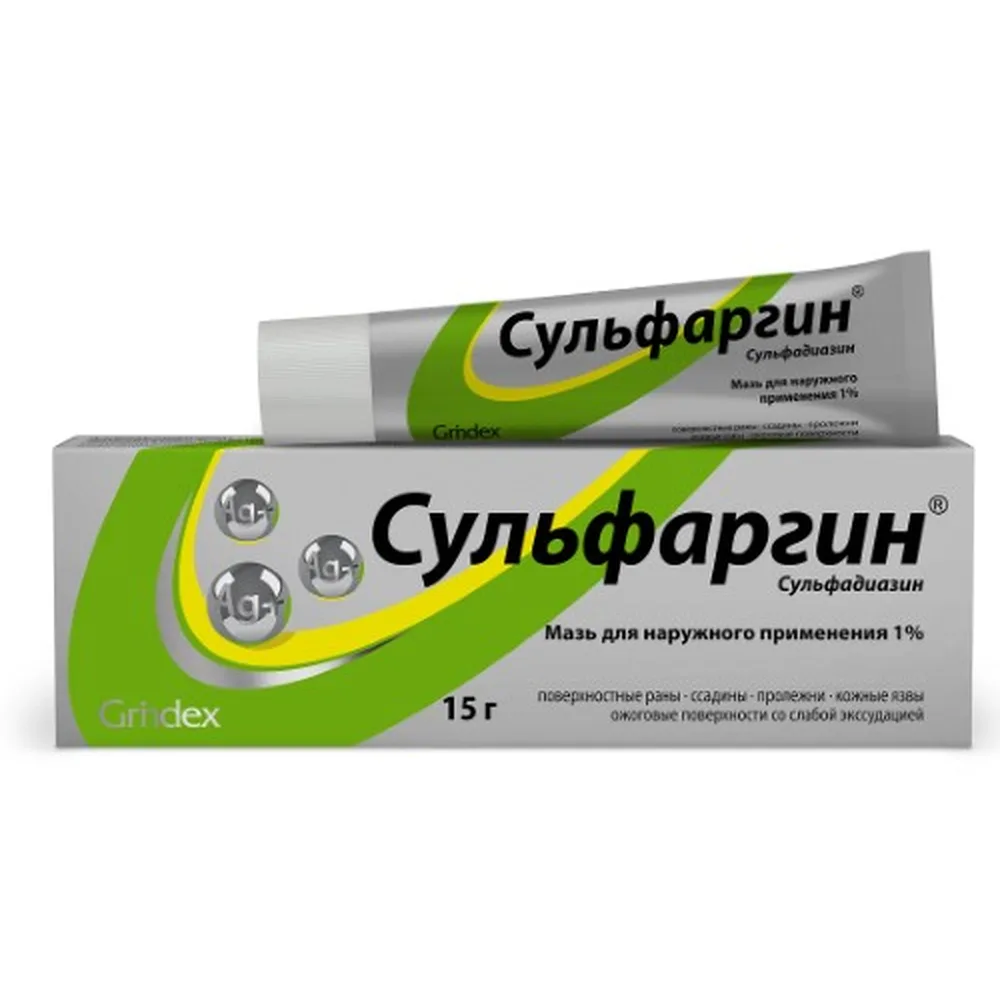
Sulfadiazine · ointment for external use
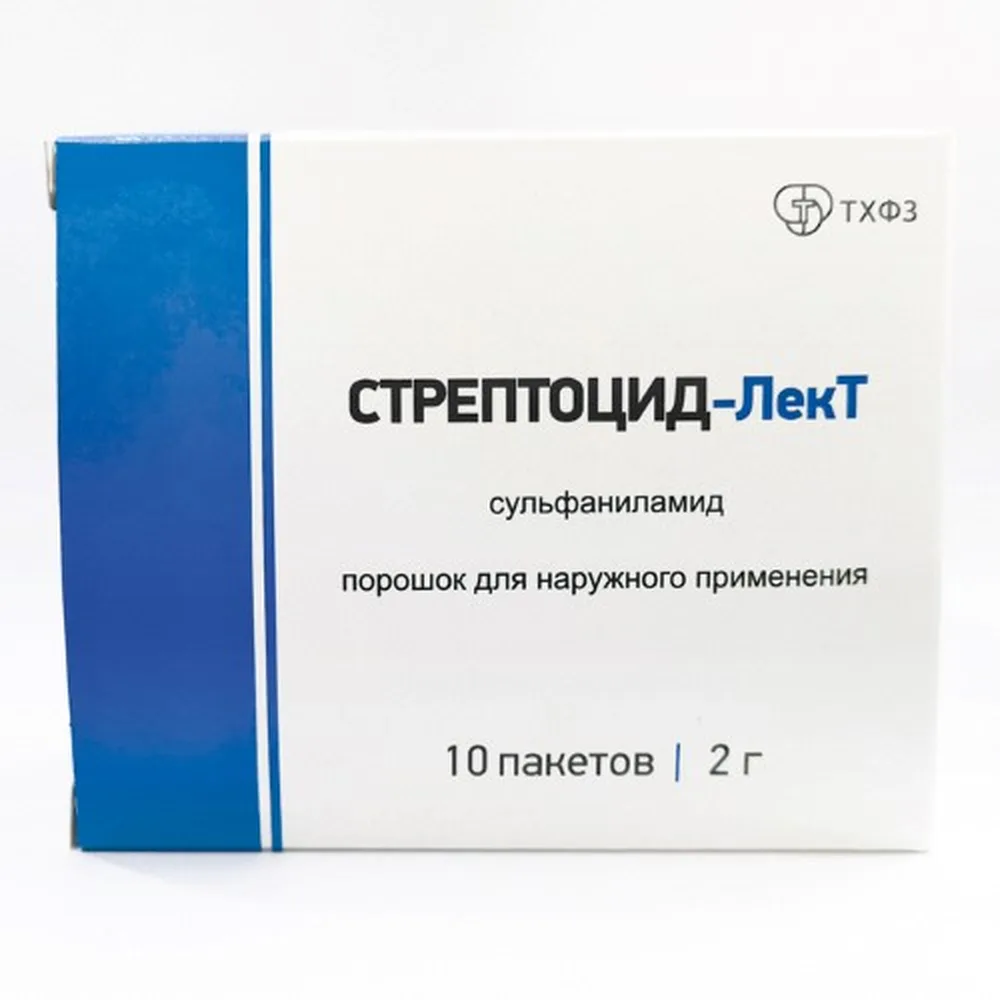
Sulfamethoxazole · powder for external use
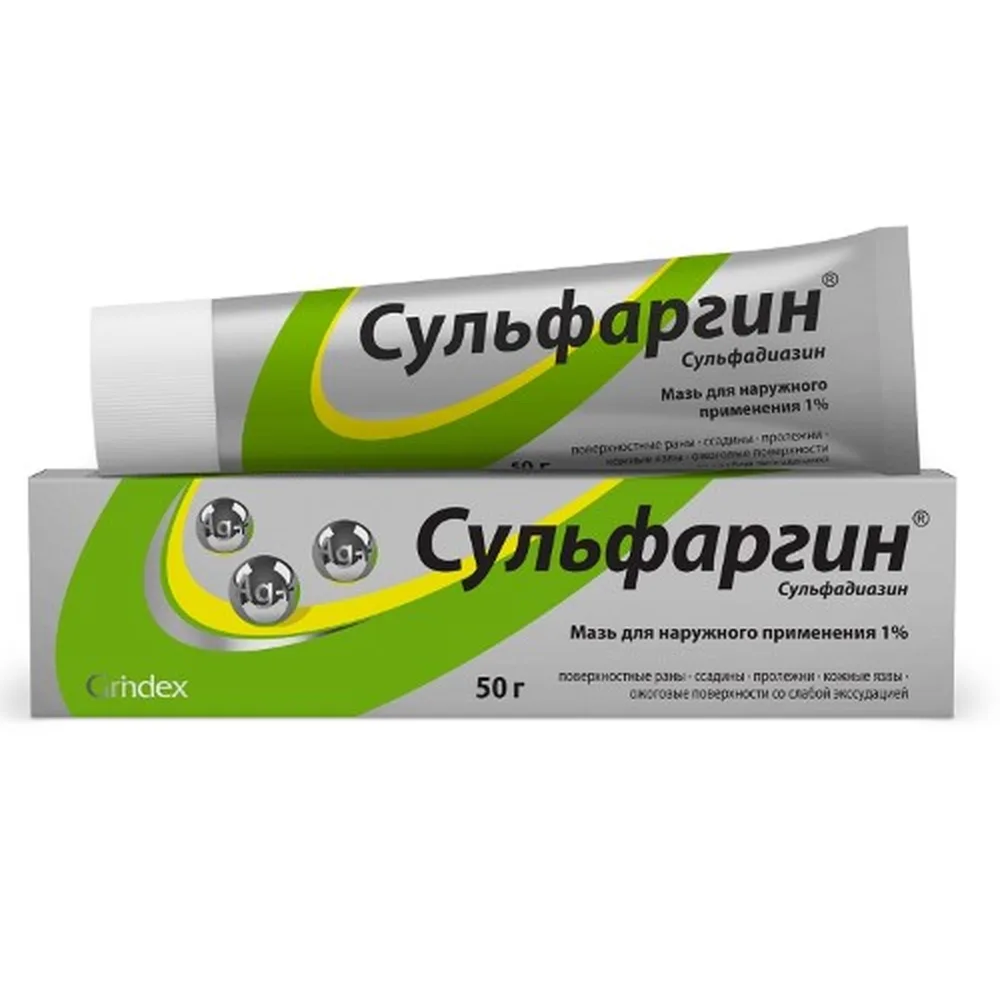
Sulfadiazine · ointment for external use