01
Sourced
A licensed Russian pharmacy buys it for you.
No grey-market middlemen, no warehouses we can't audit. Retail purchase, on demand, against your order.

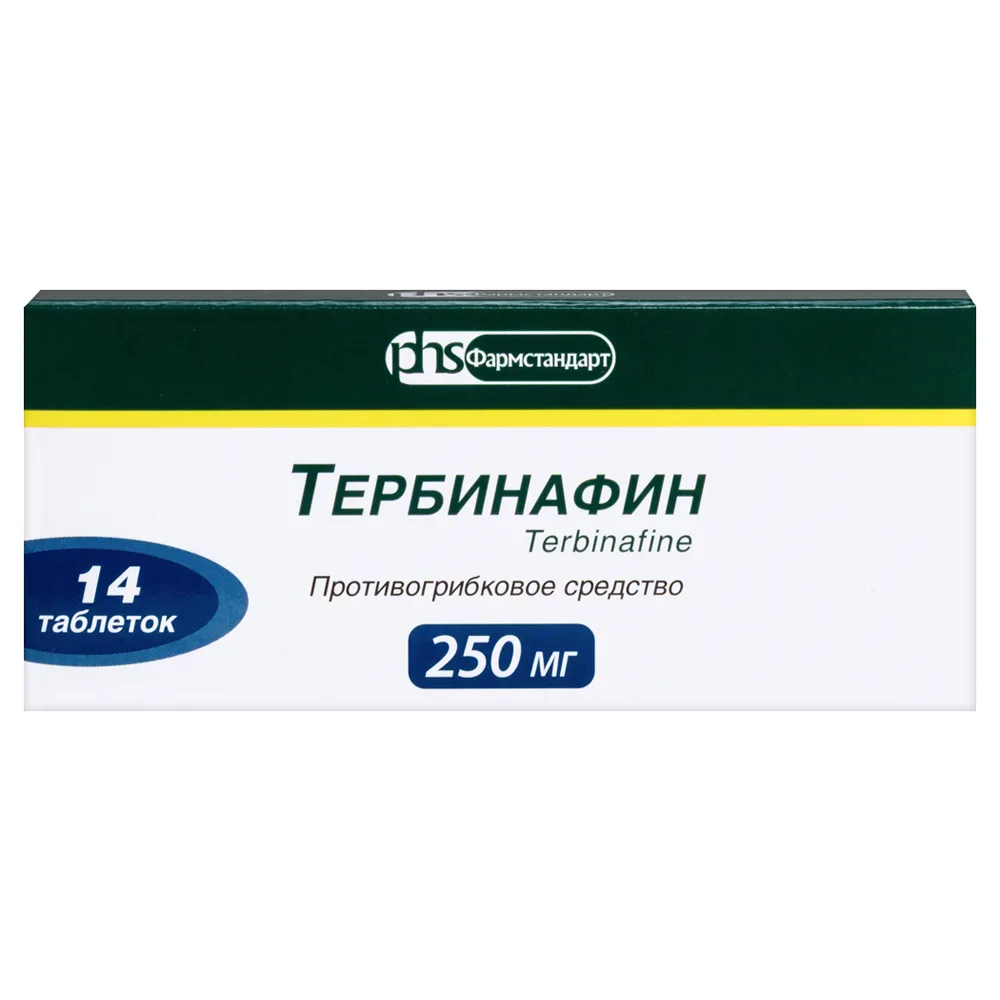
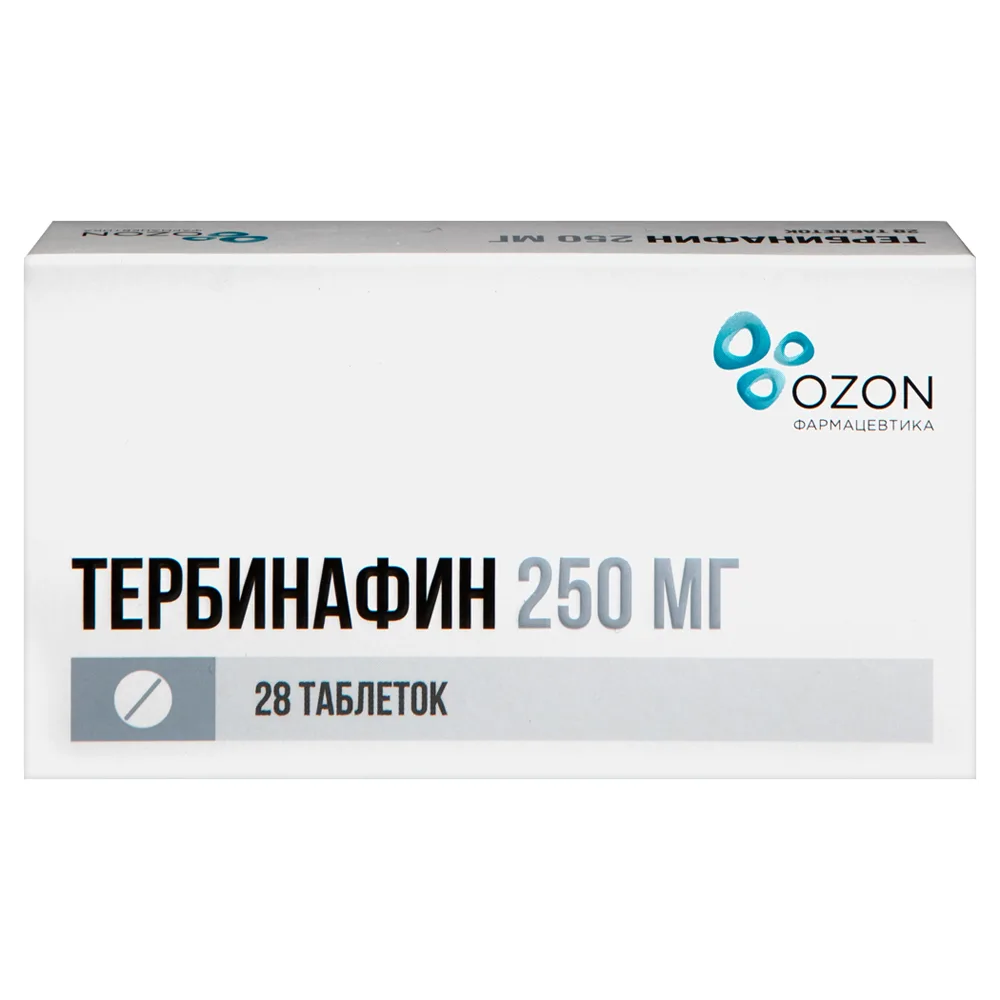 tablets
Terbinafine
SKU 115848
Same active ingredient
Other products with Terbinafine
All packagings
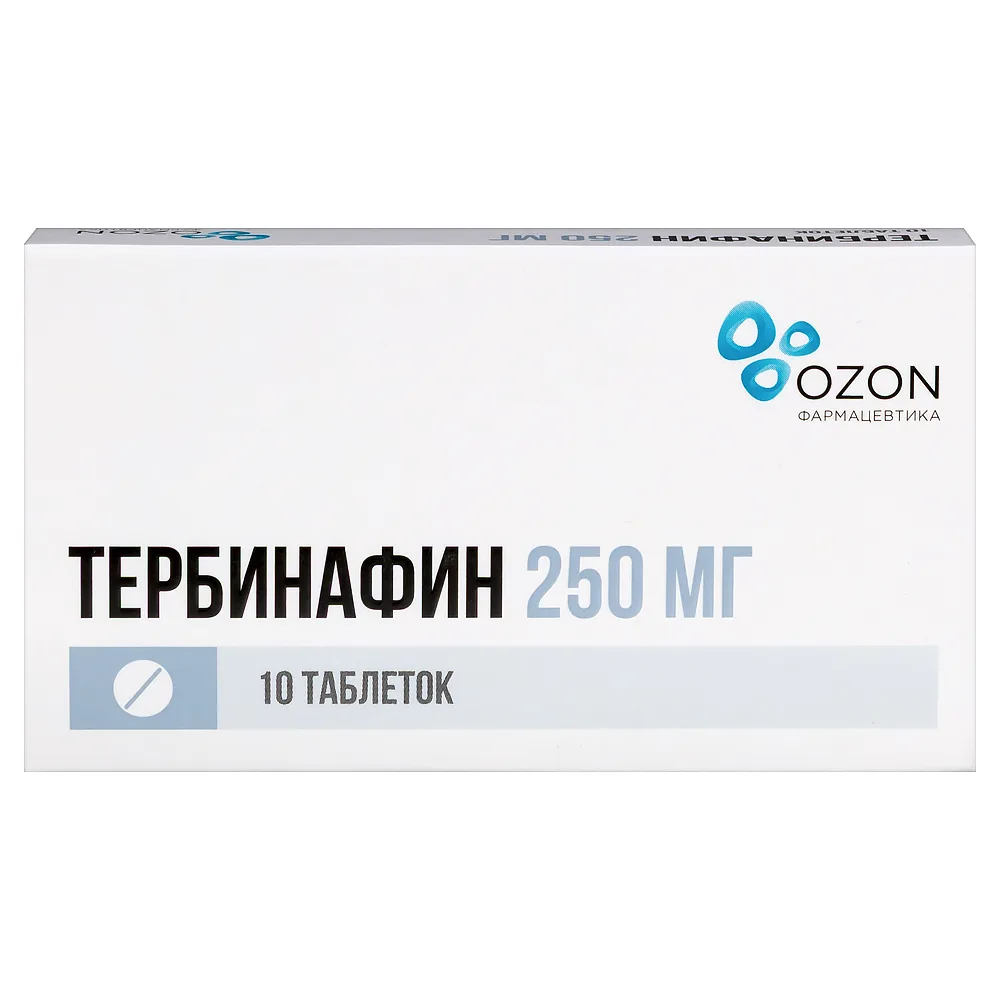
Option 1 of 3
Price
$10.37
 Out
Out
Cheapest option
Price
$0.99
Selected · use button above
Price
$18.15
Manufacturer leaflet
Facts from the printed manufacturer leaflet. Sections vary by drug — we only show what's actually in the box.
Indications
- Onychomycosis caused by dermatophyte fungi
- Mycoses of the scalp
- Fungal skin infections - treatment of dermatomycoses of the trunk, lower legs, feet, as well as yeast skin infections caused by fungi of the genus Candida (e.g., Candida albicans) - in cases where the localization, severity, or extent of the infection justify the appropriateness of oral therapy.
- Онихомикоз, вызванный грибами дерматофитами
- Микозы волосистой части головы.
- Грибковые инфекции кожи - лечение дерматомикозов туловища, голеней, стоп, а также дрожжевых инфекций кожи, вызываемых грибами рода Candida (например, Candida albicans) - в тех случаях, когда локализация, выраженность или распространенность инфекции обусловливают целесообразность пероральной терапии.
Method of application and doses
The drug is taken orally, regardless of food intake, with water. It is advisable to take the drug at the same time each day. The duration of treatment depends on the indication and severity of the disease.
Adults
250 mg once a day.
Skin infections
Recommended duration of treatment:
Dermatomycosis of the feet (interdigital, plantar, or sock type): 2-6 weeks
Dermatomycosis of the body, shins: 2-4 weeks.
Candidiasis of the skin: 2-4 weeks.
Complete disappearance of infection manifestations and related complaints may occur no earlier than several weeks after mycological cure.
Infections of hair and scalp
Recommended duration of treatment:
Mycosis of the scalp: 4 weeks.
Mycoses of the scalp are predominantly observed in children.
Onychomycosis
The duration of treatment for most patients is from 6 to 12 weeks.
In cases of onychomycosis of the hands, 6 weeks of treatment is usually sufficient.
In cases of onychomycosis of the feet, 12 weeks of treatment is usually sufficient.
Some patients with reduced nail growth may require longer treatment. Optimal clinical effect is observed several months after mycological cure and cessation of therapy. This is determined by the time required for healthy nail growth.
Use in children
In children over 3 years old and weighing more than 20 kg, the drug is taken once a day.
The single dose depends on body weight and is: for children weighing 20 to 40 kg - 125 mg (1/2 of a 250 mg tablet); over 40 kg - 250 mg.
Use in elderly patients
There is no reason to believe that elderly patients require a change in the dosing regimen of the drug or that they experience side effects different from those in younger patients. When using the drug in tablet form in this age group, the possibility of concomitant liver or kidney function impairment should be considered.
Препарат применяется внутрь, вне зависимости от приема пищи, запивая водой. Желательно применять препарат в одно и то же время. Длительность лечения зависит от показания и тяжести течения заболевания.
Взрослые
250 мг 1 раз в сутки.
Инфекции кожных покровов
Рекомендуемая продолжительность лечения:
Дерматомикоз стоп (межпальцевый, подошвенный или по типу носков): 2-6 недель
Дерматомикоз туловища, голеней: 2-4 недели.
Кандидоз кожи: 2-4 недели.
Полное исчезновение проявлений инфекции и жалоб, связанных с ней, может наступить не ранее чем через несколько недель после микологического излечения.
Инфекции волос и волосистой части головы
Рекомендуемая продолжительность лечения:
Микоз волосистой части головы: 4 недели.
Микозы волосистой части головы наблюдаются преимущественно у детей.
Онихомикоз
Продолжительность лечения составляет у большинства пациентов от 6 до 12 недель.
При онихомикозе кистей в большинстве случаев достаточно 6-ти недель лечения.
При онихомикозе стоп в большинстве случаев достаточно 12-ти недель лечения.
Некоторым пациентам, которые имеют сниженную скорость роста ногтей, может потребоваться более длительное лечение. Оптимальный клинический эффект наблюдается спустя несколько месяцев после микологического излечения и прекращения терапии. Это определяется тем периодом времени, который необходим для отрастания здорового ногтя.
Применение у детей
У детей старше 3-х лет и массой тела более 20 кг препарат применяют 1 раз в сутки.
Разовая доза зависит от массы тела и составляет: для детей массой тела от 20 до 40 кг - 125 мг (1/2 таблетки 250 мг); более 40 кг - 250 мг.
Применение у лиц пожилого возраста
Нет оснований предполагать, что для лиц пожилого возраста требуется изменять режим дозирования препарата или что у них отмечаются побочные действия, отличающиеся от таковых у пациентов более молодого возраста. В случае применения в этой возрастной группе препарата в таблетках следует учитывать возможность сопутствующего нарушения функции печени или почек.
Section: Composition
For 1 tablet:
Active ingredient: terbinafine hydrochloride 281.0 mg, equivalent to terbinafine 250.0 mg.
Excipients: lactose monohydrate (milk sugar) - 102.8 mg, sodium carboxymethyl starch type A - 25.8 mg, hypromellose - 12.9 mg, colloidal silicon dioxide - 3.2 mg, magnesium stearate - 4.3 mg
Round, flat-cylindrical tablets of white or almost white color, with a score on one side and beveled edges on two sides.
На 1 таблетку:
Действующее вещество: тербинафина гидрохлорид 281,0 мг, в пересчете на тербинафин 250,0 мг.
Вспомогательные вещества: лактозы моногидрат (сахар молочный) - 102,8 мг, карбоксиметилкрахмал натрия тип А - 25,8 мг, гипромеллоза - 12,9 мг, кремния диоксид коллоидный - 3,2 мг, магния стеарат - 4,3 мг
Круглые, плоскоцилиндрические таблетки белого или почти белого цвета, с риской с одной стороны и с фаской с двух сторон
Contraindications
Increased sensitivity to terbinafine or to any other component of the drug; breastfeeding period; lactose intolerance, lactase deficiency, glucose-galactose malabsorption; children under 3 years of age, weighing up to 20 kg for this dosage; chronic or active liver disease; impaired kidney function (creatinine clearance less than 50 ml/min or plasma creatinine concentration greater than 300 μmol/l), as the use of the drug in this category of patients is insufficiently studied.
With caution:
Bone marrow suppression, skin lupus erythematosus or systemic lupus erythematosus, psoriasis
Use during pregnancy and breastfeeding:
Data from experimental studies do not provide grounds to suggest the presence of adverse effects regarding fertility and toxic effects on the fetus. Since clinical experience with the use of terbinafine in pregnant women is very limited, the drug should not be used during pregnancy, except in cases where the expected benefit of therapy for the mother outweighs the potential risk to the fetus.
Terbinafine is excreted in breast milk, so women taking terbinafine orally should not continue breastfeeding.
Special instructions
Irregular use or premature termination of treatment increases the risk of relapse. If no improvement in condition is observed after 2 weeks of treatment, it is necessary to re-identify the causative agent of the disease and its sensitivity to terbinafine. Before starting the use of terbinafine tablets, liver function tests should be conducted. Hepatotoxicity may occur in patients with pre-existing liver diseases as well as in those without. During therapy, periodic liver function tests are recommended (4-6 weeks after the start of treatment). Treatment with terbinafine should be immediately discontinued in case of increased liver enzyme activity. Patients prescribed terbinafine should be warned to immediately inform their healthcare provider of any symptoms such as persistent nausea, loss of appetite, fatigue, vomiting, pain in the right upper quadrant, jaundice, dark urine, or pale stools that occur during treatment. If such symptoms appear, the use of the drug should be immediately stopped, and liver function tests should be conducted. Caution should be exercised when administering the drug to patients with bone marrow suppression, skin lupus erythematosus, or systemic lupus erythematosus. Serious skin reactions (including Stevens-Johnson syndrome, toxic epidermal necrolysis, drug rash with eosinophilia and systemic symptoms) have been reported very rarely during terbinafine use. Extremely rare cases of changes in blood cell composition (neutropenia, agranulocytosis, thrombocytopenia, pancytopenia) have been noted with terbinafine use. If qualitative or quantitative changes in blood cell elements occur, the cause of the disturbances should be established, and consideration should be given to reducing the drug dose or, if necessary, discontinuing terbinafine therapy. Since the use of the drug in patients with renal impairment (creatinine clearance less than 50 ml/min or plasma creatinine concentration greater than 300 µmol/l) has not been sufficiently studied, terbinafine is not recommended for this category of patients. In patients with a history of psoriasis, terbinafine should be used with caution, as there are reports of exacerbation of the disease. Systemic use for onychomycosis is justified only in cases of total involvement of most nails, presence of pronounced subungual hyperkeratosis, or ineffectiveness of previous local therapy. When treating onychomycosis, a clinical response is usually observed several months after mycological cure and cessation of treatment, which is due to the rate of healthy nail growth. Removal of nail plates is not required for the treatment of hand onychomycosis within 3 weeks and foot onychomycosis within 6 weeks. It has been shown that terbinafine inhibits metabolism mediated by isoenzyme 2D6 (CYP2D6). Therefore, continuous monitoring of patients receiving concomitant treatment with drugs primarily metabolized by this isoenzyme (tricyclic antidepressants, beta-blockers, selective serotonin reuptake inhibitors, antiarrhythmic drugs of classes IA, IB, IC, antipsychotic drugs, and type B monoamine oxidase inhibitors) is necessary if the concomitant drug has a narrow therapeutic concentration range. When treating with terbinafine, general hygiene rules should be followed to prevent the possibility of reinfection through linen and footwear. During treatment (after 2 weeks) and at the end, antifungal treatment of shoes, socks, and stockings should be performed.
Effect on the ability to drive vehicles and operate machinery: The effect of terbinafine on the ability to drive vehicles and operate machinery has not been studied. If dizziness occurs during therapy with the drug, patients should not drive vehicles and/or operate machinery.
Повышенная чувствительность к тербинафину или к любому другому компоненту препарата; период грудного вскармливания; непереносимость лактозы, дефицит лактазы, глюкозо-галактозная мальабсорбция; дети младше 3-х лет, с массой тела до 20 кг для данной дозировки; хроническое или активное заболевание печени; нарушение функции почек (клиренс креатинина менее 50 мл/мин или концентрация креатинина в плазме крови более 300 мкмоль/л), поскольку применение препарата у данной категории пациентов недостаточно изучено.
С осторожностью:
Угнетение костномозгового кроветворения, кожная красная волчанка или системная красная волчанка, псориаз
Применение при беременности и в период грудного вскармливания:
Данные экспериментальных исследований не дают оснований предполагать наличие нежелательных явлений в отношении фертильности и токсического действия на плод. Поскольку клинический опыт применения тербинафина у беременных женщин очень ограничен, не следует применять препарат во время беременности, за исключением тех случаев, когда ожидаемая польза от проведения терапии для матери превышает потенциальный риск для плода.
Тербинафин выделяется с грудным молоком, поэтому женщины, получающие препарат Тербинафин внутрь, не должны продолжать грудное вскармливание.
Нерегулярное применение или досрочное окончание лечения повышает риск развития рецидива.
Если через 2 недели лечения не отмечается улучшения состояния, необходимо повторно определить возбудителя заболевания и его чувствительность к тербинафину.
До начала применения препарата Тербинафин в таблетках необходимо провести контроль показателей функции печени. Гепатотоксичность может возникнуть как у пациентов с предшествующими заболеваниями печени, так и без них. В течение терапии рекомендовано периодическое исследование функции печени (через 4-6 недель после начала лечения). Лечение препаратом Тербинафин должно быть немедленно прекращено в случае повышения активности "печеночных" проб. Пациенты, которым назначают препарат Тербинафин, должны быть предупреждены о том, что необходимо немедленно информировать лечащего врача о возникновении на фоне приема препарата таких симптомов, как стойкая тошнота, снижение аппетита, чувство усталости, рвота, боли в правом подреберье, желтуха, темная моча или светлый кал. В случае появления подобных симптомы необходимо немедленно прекратить прием препарата и провести исследование функции печени.
Необходимо соблюдать осторожность при применении препарата пациентами с угнетением костномозгового кроветворения, кожной красной волчанкой или системной красной волчанкой.
Серьезные кожные реакции (в том числе синдром Стивенса-Джонсона, токсический эпидермальный некролиз, лекарственная сыпь с эозинофилией и системными симптомами) крайне редко отмечались на фоне применения тербинафина.
При применении тербинафина отмечались крайне редкие случаи изменения клеточного состава крови (нейтропения, агранулоцитоз, тромбоцитопения, панцитопения). В случае развития качественных или количественных изменений со стороны форменных элементов крови следует установить причину нарушений и рассмотреть вопрос о снижении дозы препарата или, при необходимости, о прекращении терапии препаратом Тербинафин.
Поскольку применение препарата у пациентов с нарушением функции почек (клиренс креатинина менее 50 мл/мин или концентрация креатинина в плазме крови более 300 мкмоль/л) недостаточно изучено, препарат Тербинафин не рекомендуется применять у данной категории пациентов.
При наличии у пациента в анамнезе псориаза следует с осторожностью применять препарат Тербинафин, поскольку имеются данные о случаях обострения болезни.
Системное применение при онихомикозе оправдано только в случае тотального поражения большинства ногтей, наличия выраженного подногтевого гиперкератоза, неэффективности предшествующей местной терапии.
При лечении онихомикоза клинический ответ обычно наблюдается через несколько месяцев после микологического излечения и прекращения курса лечения, что обусловлено скоростью отрастания здорового ногтя. Удаления ногтевых пластинок при лечении онихомикоза кистей в течение 3 недель и онихомикоза стоп в течение 6 недель не требуется.
Было показано, что тербинафин подавляет метаболизм, опосредуемый изоферментом 2D6 (CYP2D6). Поэтому необходимо осуществлять постоянное наблюдение за пациентами, получающими одновременно с тербинафином лечение препаратами, преимущественно метаболизирующимися с участием этого изофермента (трициклические антидепрессанты, бета-адреноблокаторы, селективные ингибиторы обратного захвата серотонина, противоаритмические препараты класса (IA, IB, IC класса), антипсихотические препараты и ингибиторы моноаминоксидазы В типа) в случае, если применяемый одновременно препарат имеет малый диапазон терапевтической концентрации.
При лечении тербинафином следует соблюдать общие правила гигиены для предотвращения возможности повторного инфицирования через белье и обувь. В процессе лечения (через 2 недели) и в конце необходимо производить противогрибковую обработку обуви, носков и чулок
Влияние на способность управлять транспортными средствами и другими механизмами:
Влияние тербинафина на способность управлять автотранспортом и работать с механизмами не изучалось. При развитии головокружения на фоне терапии препаратом, пациентам не следует управлять автотранспортом и/или работать с механизмами.
Section: Side Effects
The drug is generally well tolerated. Side effects are usually mild or moderate and transient in nature.
When assessing the frequency of side effects, the following gradations were used: "very common" (greater than or equal to 1/10), "common" (greater than or equal to 1/100 and less than 1/10), "uncommon" (greater than or equal to 1/1000 and less than 1/100), "rare" (greater than or equal to 1/10000 and less than 1/1000), "very rare" (less than 1/10000), including individual reports.
Disorders of the hematopoietic system: uncommon - anemia, very rare - neutropenia, agranulocytosis, thrombocytopenia, pancytopenia.
Disorders of the immune system: very rare - anaphylactoid reactions (including angioedema), skin and systemic lupus erythematosus (or exacerbation of these conditions).
Nervous system disorders: very common - headache; common - dizziness, taste disturbances, up to loss of taste (usually recovery occurs within a few weeks after discontinuation of treatment); uncommon - paresthesias, hypesthesias. There are individual reports of prolonged taste disturbances. In some cases, exhaustion was noted against the background of drug intake.
Psychiatric disorders: common - depression; uncommon - anxiety.
Disorders of the eye: uncommon - vision impairment.
Disorders of the ear and labyrinth: uncommon - tinnitus.
Disorders of the liver and biliary tract: rare - hepatobiliary dysfunction (predominantly of a cholestatic nature), including liver failure, including very rare cases of severe liver failure (some with fatal outcomes or requiring liver transplantation; in most cases where liver failure developed, patients had serious concomitant systemic diseases and the causal relationship of liver failure with terbinafine intake was questionable), hepatitis, jaundice, cholestasis, increased activity of "liver" enzymes.
Disorders of the digestive system: very common - abdominal distension, decreased appetite, dyspepsia, nausea, mild abdominal pain, diarrhea.
Disorders of the skin and subcutaneous tissue: very common - rash, urticaria, uncommon - photosensitivity reactions; very rare - Stevens-Johnson syndrome, toxic epidermal necrolysis, acute generalized exanthematous pustulosis, erythema multiforme, toxic skin rash, exfoliative dermatitis, bullous dermatitis, psoriasis-like skin rashes or exacerbations of psoriasis, alopecia.
Disorders of the musculoskeletal and connective tissue: very common - arthralgia, myalgia.
General disorders: common - fatigue; uncommon - fever.
Laboratory and instrumental data: uncommon - weight loss (secondary to taste disturbances).
Based on spontaneous reports received during the post-registration period and literature data, the following adverse events have been identified, the frequency of which cannot be established due to the imprecise number of patients:
Disorders of the immune system: anaphylactic reactions, serum sickness-like syndrome.
Disorders of the eye: blurred vision, decreased visual acuity.
Disorders of the skin and subcutaneous tissue: drug rash with eosinophilia and systemic symptoms (rash, edema, fever, and lymphadenopathy).
Disorders of the ear and labyrinth: hearing loss, hearing impairment.
Vascular disorders: vasculitis.
Nervous system disorders: loss of smell, including for a prolonged period, decreased sense of smell.
Disorders of the digestive system: pancreatitis.
Disorders of the musculoskeletal and connective tissue: rhabdomyolysis.
General disorders: flu-like syndrome.
Disorders of the blood and lymphatic system: anemia.
Laboratory and instrumental data: increased activity of creatine phosphokinase in the blood plasma.
If any of the side effects listed in the instructions worsen, or if you notice any other side effects not listed in the instructions, inform your doctor.
Section: Overdose
There have been reports of several cases of overdose (the dose of terbinafine taken was up to 5 g), in which headache, dizziness, nausea, pain in the epigastric region, frequent urination, and rash were noted. The recommended treatment in case of overdose includes measures to eliminate the drug, primarily by administering activated charcoal and gastric lavage; if necessary, symptomatic and supportive therapy is conducted.
Interaction
Influence of other drugs on terbinafine
The plasma clearance of terbinafine may be accelerated by drugs that induce metabolism and suppressed by inhibitors of cytochrome P450. If simultaneous use of the aforementioned drugs and terbinafine is necessary, appropriate adjustment of the dosing regimen of the latter may be required.
Cimetidine may enhance the effect of terbinafine or increase its plasma concentration. Cimetidine reduces the clearance of terbinafine by 33%.
Fluconazole increases the Cmax and AUC of terbinafine by 52% and 69%, respectively, due to the inhibition of isoenzymes CYP2C9 and CYP3A4. Such an increase in terbinafine exposure may occur with the use of other drugs that inhibit isoenzymes CYP2C9 and CYP3A4, such as ketoconazole and amiodarone.
Rifampicin may weaken the effect of terbinafine or reduce its plasma concentration. Rifampicin increases the clearance of terbinafine by 100%.
Influence of terbinafine on other drugs
In vivo and in vitro studies have shown that terbinafine inhibits metabolism mediated by isoenzyme 2D6 (CYP2D6). This data may be clinically significant for those drugs that are predominantly metabolized by this isoenzyme: tricyclic antidepressants, beta-blockers (metoprolol, propranolol), selective serotonin reuptake inhibitors, antiarrhythmic drugs of classes IA, IB, IC, antipsychotic drugs (chlorpromazine, haloperidol), and type B monoamine oxidase inhibitors (selegiline) - in cases where the concurrently used drug has a narrow therapeutic concentration range.
Terbinafine reduces the clearance of desipramine by 82%.
In studies on healthy volunteers with active metabolism of dextromethorphan (a cough suppressant and substrate of CYP2D6), terbinafine increased the metabolic ratio of dextromethorphan/dextrorphan in urine by 16-97 times. Thus, terbinafine in individuals with high CYP2D6 activity may reduce the activity of the latter.
Terbinafine reduces the clearance of caffeine by 19% when administered intravenously.
Rare cases of changes in INR and/or prothrombin time have been noted when used concurrently with warfarin.
Drug interactions that have no or minimal effect
Results from in vitro studies and healthy volunteers show that terbinafine has a minimal potential to inhibit or enhance the clearance of most drugs that are metabolized by the cytochrome P450 system (e.g., terfenadine, triazolam, tolbutamide, or oral contraceptives), except for those that are metabolized by CYP2D6. Terbinafine does not affect the clearance of phenazone or digoxin.
Terbinafine has no significant effect on the pharmacokinetics of fluconazole.
No clinically significant interactions have been identified between terbinafine and the components of co-trimoxazole (trimethoprim and sulfamethoxazole), zidovudine, or theophylline.
There have been reports of several cases of menstrual cycle disturbances in female patients taking the drug along with oral contraceptives, although the frequency of these disturbances does not exceed the average frequency of such disturbances in patients taking only oral contraceptives.
Terbinafine may reduce the plasma concentration or the clinical effects of the following drugs.
Terbinafine increases the clearance of cyclosporine by 15%.
Interaction with food and beverages
Food has a minimal effect on the bioavailability of terbinafine (increase in AUC
Препарат в целом переносится хорошо. Побочные эффекты обычно слабо или умеренно выражены и носят преходящий характер.
При оценке частоты встречаемости побочных эффектов использованы следующие градации: "очень часто" (больше или равно 1/10), "часто" (больше или равно 1/100
Имеются сообщения о нескольких случаях передозировки (принятая доза тербинафина составила до 5 г), при которых отмечались головная боль, головокружение, тошнота, боль в эпигастральной области, учащенное мочеиспускание, сыпь.
Рекомендуемое в случае передозировки лечение включает мероприятия по выведению препарата, в первую очередь путем назначения активированного угля и промывания желудка; при необходимости проводят симптоматическую и поддерживающую терапию
Влияние других лекарственных средств на тербинафин
Плазменный клиренс тербинафина может ускоряться под влиянием препаратов-индукторов метаболизма, и подавляться под влиянием ингибиторов цитохрома Р450. При необходимости одновременного применения вышеуказанных препаратов и препарата Тербинафин может потребоваться соответствующая коррекция режима дозирования последнего.
Циметидин может усиливать действие тербинафина или увеличивать его концентрацию в плазме. Циметидин снижает клиренс тербинафина на 33%.
Флуконазол увеличивает Стах и AUC тербинафина на 52% и 69% соответственно, в связи с угнетением изоферментов CYP2C9 и CYP3A4. Подобное увеличение экспозиции тербинафина может возникать при применении других препаратов, ингибирующих изоферменты CYP2C9 и CYP3A4, например, кетокоиазола и амиодарона.
Рифампицин может ослаблять действие тербинафина или уменьшать его концентрацию в плазме. Рифампицин увеличивает клиренс тербинафина на 100%.
Влияние тербинафина на другие лекарственные средства
В исследованиях in vivo и in vitro было показано, что тербинафин подавляет метаболизм, опосредуемый изоферментом 2D6 (CYP2D6). Эти данные могут оказаться клинически значимыми для тех препаратов, которые метаболизируются преимущественно этим изоферментом: трициклические антидепрессанты, бета-адреноблокаторы (метопролол, пропранолол), селективные ингибиторы обратного захвата серотонина, противоаритмические препараты класса (IA, IB, IС класса), антипсихотические препараты (хлорпромазин, галоперидол) и ингибиторы моноаминоксидазы В типа (селегинин) - в том случае, если применяемый одновременно препарат имеет малый диапазон терапевтической концентрации.
Тербинафин снижает клиренс дезипрамина на 82%.
В исследованиях на здоровых добровольцах с активным метаболизмом декстрометорфапа (противокашлевое средство и субстрат CYP2D6) тербинафин увеличил метаболический коэффициент декстрометорфан/декстрорфана в моче в 16-97 раз. Таким образом, тербинафин у лиц с высокой активностью изофермента CYP2D6 может снизить активность последнего.
Тербинафин снижает клиренс кофеина при внутривенном введении на 19%.
При одновременном применении с варфарином отмечены редкие случаи изменения МНО и/или протромбинового времени.
Лекарственные взаимодействия, не оказывающие или оказывающие незначительное влияние
Результаты исследований, проведенных in vitro и у здоровых добровольцев, показывают, что тербинафин обладает незначительным потенциалом для подавления или усиления клиренса большинства препаратов, которые метаболизируются при участии системы цитохрома Р450 (например, терфенадина, триазолама, толбутамида или пероральных контрацептивов), за исключением тех, которые метаболизируются с участием CYP2D6. Тербинафин не влияет на клиренс феназона или дигоксина.
Тербинафин не оказывает существенного влияния на фармакокинетику флуконазола.
Не было выявлено клинически значимых взаимодействий между тербинафином и компонентами ко-тримоксазола (триметопримом и сульфаметоксазолом), зидовудином или теофиллином.
Имеются сообщения о нескольких случаях нарушения менструального цикла у пациенток, принимавших препарат совместно с пероральными контрацептивами, хотя частота этих нарушений не превышает среднюю частоту таких нарушений у пациенток, принимающих только пероральные контрацептивы.
Тербинафин может уменьшать концентрацию в плазме крови или выраженность клинических эффектов следующих препаратов.
Тербинафин повышает клиренс циклоспорина на 15%.
Взаимодействие с продуктами питания и напитками
Продукты питания незначительно влияют на биодоступность тербинафина (увеличение AUC
Section: Pharmacodynamics
Terbinafine is an allylamine that has a broad spectrum of activity against fungi causing skin, hair, and nail diseases, including dermatophytes such as Trichophyton (e.g., Trichophyton rubrum, Trichophyton mentagrophytes, Trichophyton verrucosum, Trichophyton violaceum, Trichophyton tonsurans), Microsporum (e.g., Microsporum canis), Epidermophyton floccosum, as well as yeast fungi of the genus Candida (e.g., C. albicans) and Malassezia. At low concentrations, terbinafine exerts fungicidal activity against dermatophytes, molds, and some dimorphic fungi. The activity against yeast fungi, depending on their species, can be fungicidal or fungistatic. Terbinafine, by inhibiting squalene epoxidase in the fungal cell membrane (not related to the cytochrome P450 system), specifically suppresses the early stage of sterol biosynthesis in the fungal cell, leading to a deficiency of ergosterol, intracellular accumulation of squalene, and fungal cell death. When the drug is taken orally, concentrations are created in the skin, hair, and nails that provide fungicidal action.
Section: Pharmacokinetics
After oral administration, terbinafine is well absorbed (>70%), with an absolute bioavailability of about 50% (the "first-pass effect"). After a single oral dose of 250 mg of terbinafine, the maximum plasma concentration (Cmax) is 1.3 µg/ml, and the time to reach maximum concentration (Tmax) is 1.5 hours. With continuous administration of terbinafine, its Cmax increased on average by 25% compared to a single dose; the area under the "concentration-time" curve (AUC) increased by 2.3 times. Based on the increase in AUC, the effective half-life can be calculated (30 hours). Food intake moderately affects the bioavailability of the drug (AUC increases by less than 20%), but no dose adjustment of terbinafine is required when taken with food.
The binding to plasma proteins is 99%. Terbinafine quickly penetrates the dermal layer of the skin and concentrates in the lipophilic stratum corneum. Terbinafine also penetrates the secretions of sebaceous glands, leading to high concentrations in hair follicles, hair, and sebaceous gland-rich skin. It has also been shown that terbinafine penetrates the nail plates in the first few weeks after the start of therapy.
Terbinafine is rapidly metabolized to a significant extent with the involvement of at least seven cytochrome P450 isoenzymes, with the main roles played by isoenzymes CYP2C9, CYP1A2, CYP3A4, CYP2C8, and CYP2C19. As a result of the biotransformation of terbinafine, metabolites are formed that do not possess antifungal activity and are primarily excreted by the kidneys. Repeated administration of terbinafine, leading to increased plasma concentration, is accompanied by a three-phase elimination with a terminal half-life of about 16.5 days. No changes in the steady-state concentration of terbinafine in plasma have been identified based on age. Pharmacokinetic studies in patients with concomitant renal function impairment (creatinine clearance < 50 ml/min) and liver diseases have shown the possibility of a 50% reduction in the clearance of the drug.
Тербинафин представляет собой аллиламин, который обладает широким спектром действия в отношении грибов, вызывающих заболевания кожи, волос и ногтей, в том числе дерматофитов, таких как Trichophyton (например, Trichophyton rubrum, Trichophyton mentagrophytes, Trichophyton verrucosum, Trichophyton violaceum, Trichophyton tonsurans), Microsporum (например, Microsporum canis), Epidermophyton floccosum, а также дрожжевых грибов рода Candida (например, С. albicans) и Malassezia.
В низких концентрациях тербинафин оказывает фунгицидное действие в отношении дерматофитов, плесневых и некоторых диморфных грибов. Активность в отношении дрожжевых грибов, в зависимости от их вида, может быть фунгициднои или фунгистагической.
Тербинафин, ингибируя скваленэпоксидазу в клеточной мембране гриба (не относящуюся к системе цитохрома Р450), специфически подавляет ранний этап биосинтеза стеринов в клетке гриба, что приводит к дефициту эргосгерина, внутриклеточному накоплению сквалена и гибели клетки гриба.
При применении препарата внутрь в коже, волосах и ногтях создаются концентрации препарата, обеспечивающие фунгицидное действие
После приема внутрь тербинафин хорошо абсорбируется (>70%), абсолютная биодоступность - около 50% (эффект "первого прохождения"). После однократного приема тербинафина внутрь в дозе 250 мг максимальная концентрация в плазме (Сmах) - 1,3 мкг/мл, время достижения максимальной концентрации (ТСmах) - 1,5 ч. При постоянном приеме тербинафина его Сmах в среднем увеличилась на 25%, по сравнению с однократным приемом; площадь под кривой "концентрация-время" (AUC) увеличилась в 2,3 раза. Исходя из увеличения AUC, можно рассчитать эффективный период полувыведения (30 часов). Прием пищи в умеренной степени влияет на биодоступность препарата (AUC увеличивается менее чем на 20%), но коррекции дозы препарата Тербинафин при одновременном приеме с пищей не требуется.
Связь с белками плазмы - 99%. Тербинафин быстро проникает в дермальный слой кожи и концентрируется в липофильном роговом слое. Тербинафин также проникает в секрет сальных желез, что приводит к созданию высоких концентраций в волосяных фолликулах, волосах и в коже, богатой сальными железами. Показано также, что тербинафин проникает в ногтевые пластинки в первые несколько недель после начала терапии.
Тербинафин метаболизируется быстро и в существенной степени при участии как минимум семи изоферментов цитохрома Р450, при этом основную роль играют изоферменты CYP2C9, CYP1A2, CYP3A4, CYP2C8, CYP2C19. В результате биотрансформации тербинафина образуются метаболиты, не обладающие противогрибковой активностью и выводящиеся преимущественно почками. Многократное применение тербинафина, приводящее к повышению его концентрации в плазме крови, сопровождается трехфазным выведением с конечным периодом полувыведения около 16,5 суток. Не выявлено изменений равновесной концентрации тербинафина в плазме в зависимости от возраста. В фармакокинетических исследованиях у пациентов с сопутствующими нарушениями функции почек (клиренс креатинина < 50 мл/мин) и заболеваниями печени была показана возможность снижения клиренса препарата на 50%
RU name Тербинафин 250 мг 28 шт. таблетки
How we fulfill
Three checkpoints between the pharmacy shelf and your door. You see every one.
01
No grey-market middlemen, no warehouses we can't audit. Retail purchase, on demand, against your order.
02
A photo of your actual parcel in its original retail packaging lands in your inbox before it ships. Like this →
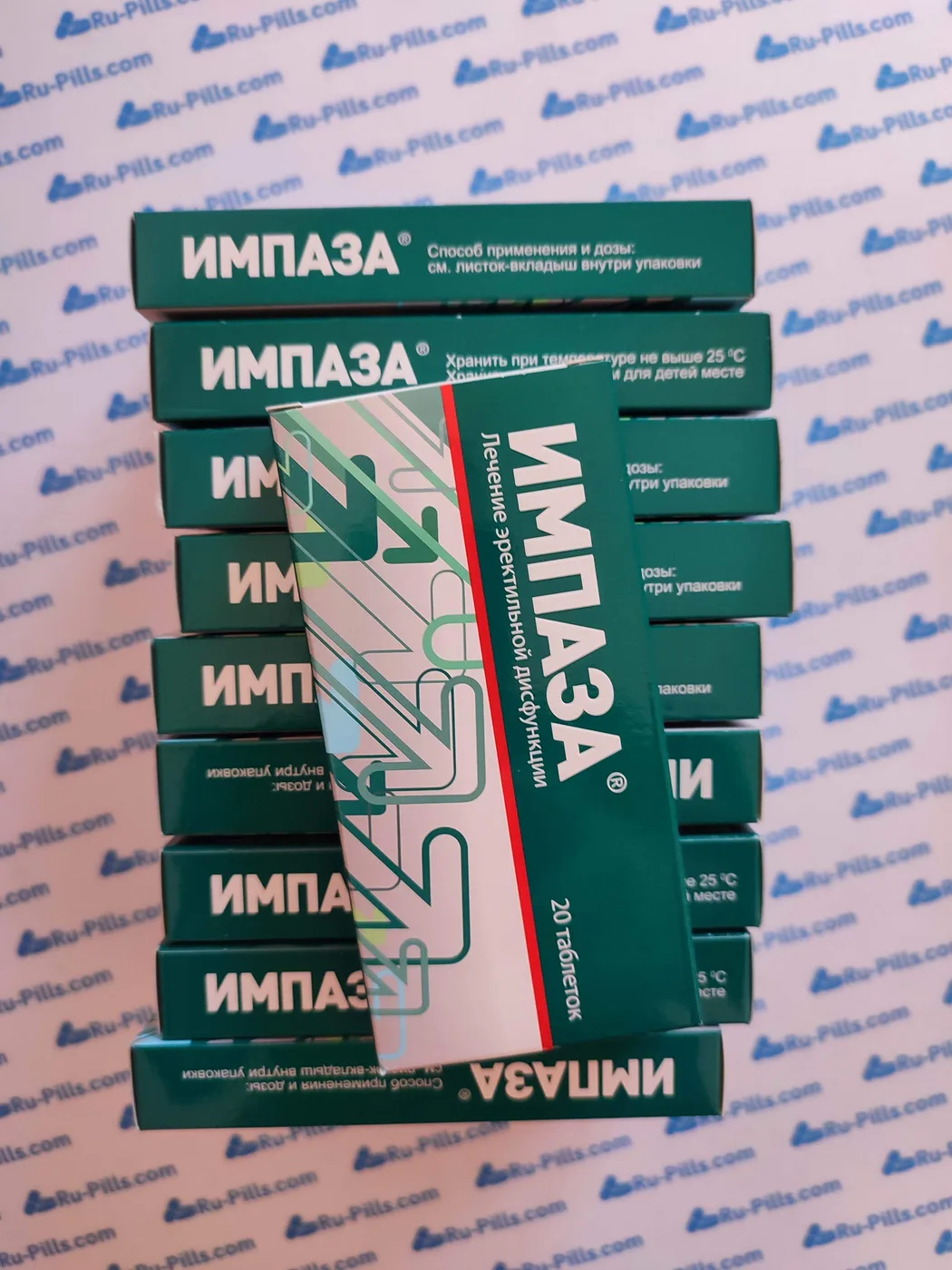 Real customer parcel
03
To 120+ countries. Most parcels arrive in 7–18 days.