01
Sourced
A licensed Russian pharmacy buys it for you.
No grey-market middlemen, no warehouses we can't audit. Retail purchase, on demand, against your order.

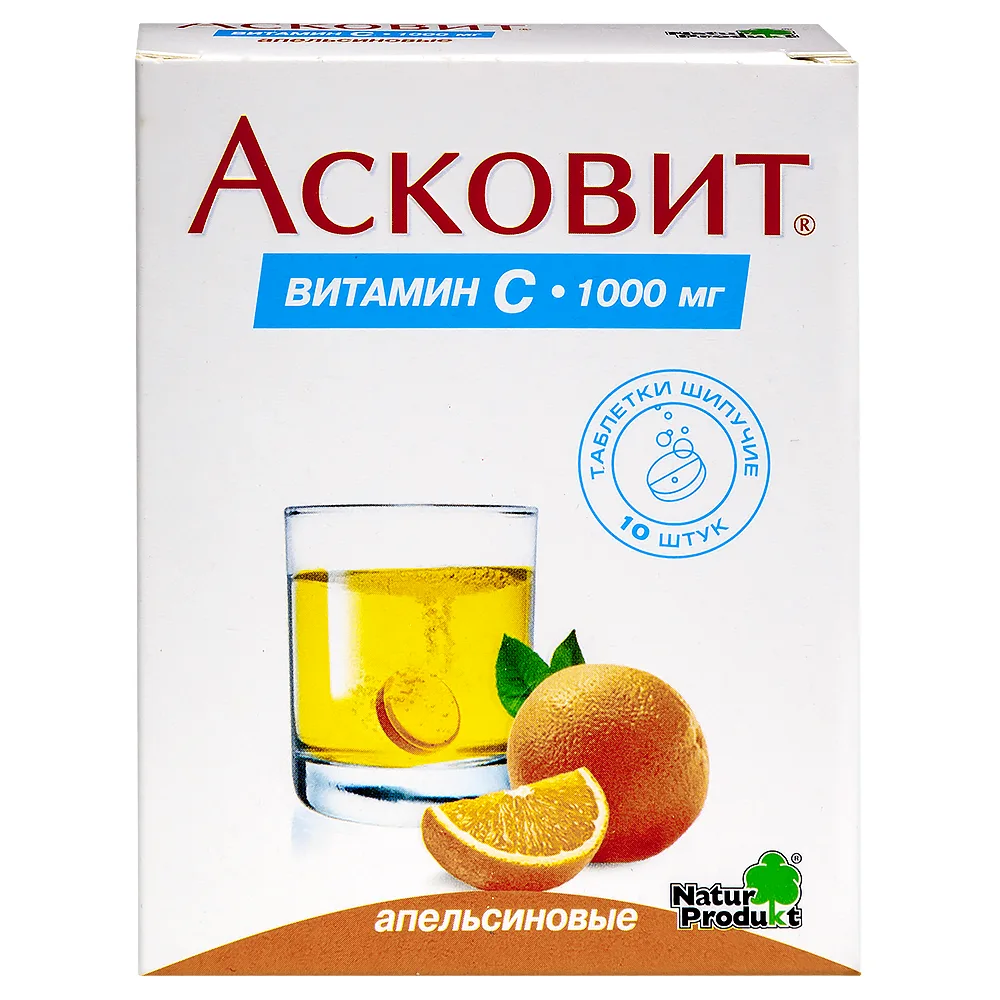 effervescent tablets
Ascorbic acid
1000 mg
SKU 103705
Same active ingredient
Other products with Ascorbic acid
All packagings
Selected · use button above
Price
$9.33
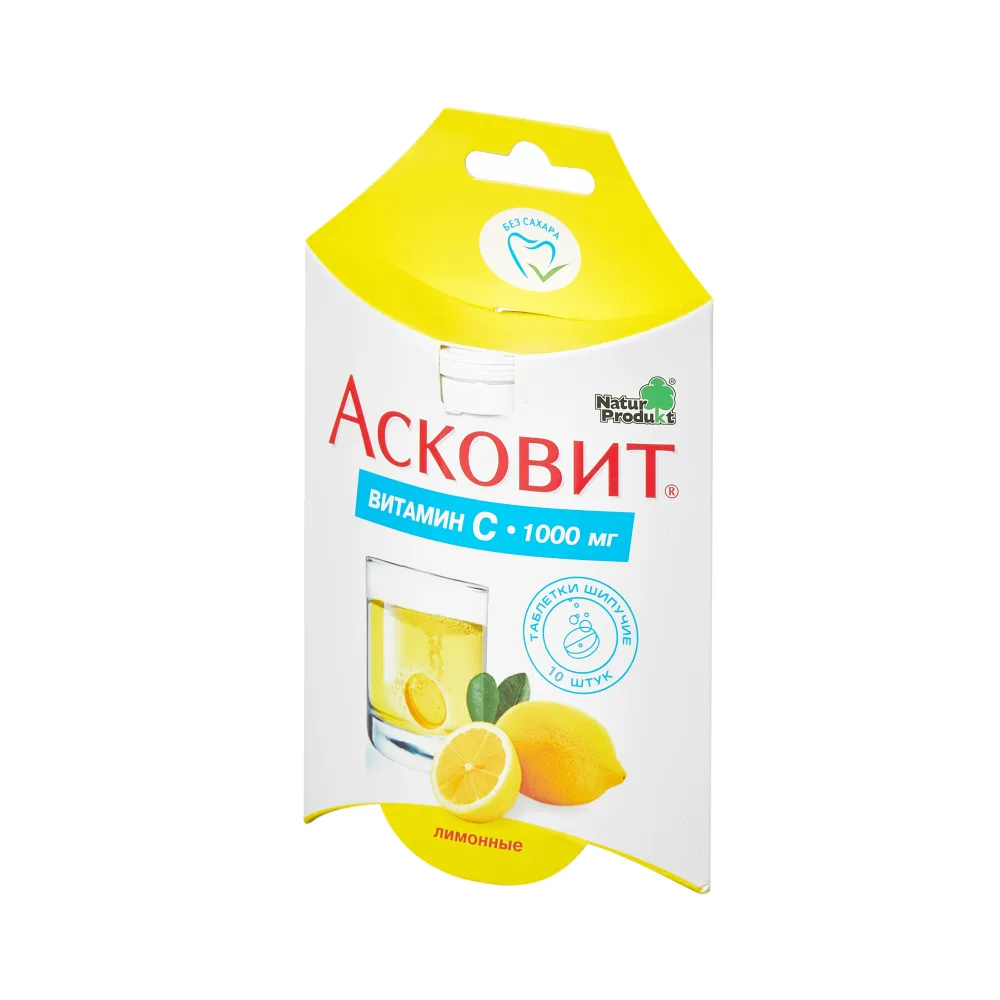
Option 2 of 2
Price
$9.38
Manufacturer leaflet
Facts from the printed manufacturer leaflet. Sections vary by drug — we only show what's actually in the box.
Prevention and treatment of hypo- and avitaminosis of vitamin C;
As an adjunctive treatment: hemorrhagic diathesis, nasal, pulmonary, uterine, and other bleeding, acute radiation sickness; anticoagulant overdose, slow-healing wounds and bone fractures. The drug is prescribed during periods of increased physical and mental stress, and during recovery after severe and prolonged illnesses.
Профилактика и лечение гипо- и авитаминоза витамина С;
В качестве вспомогательного средства: геморрагический диатез, носовые, легочные,
маточные и другие кровотечения, острая лучевая болезнь; передозировка антикоагулянтов, вяло заживающие раны и переломы костей. Препарат назначают при повышенных физических и умственных нагрузках, в период выздоровления после тяжелых и длительных заболеваний.
Take orally, after meals, dissolving the tablet in half a glass of water beforehand. For preventive purposes - 500 mg/day; for therapeutic purposes - 1000 mg/day.
Принимать внутрь, после еды, предварительно растворив таблетку в половине стакана воды. В профилактических целях - 500 мг/сут, с лечебной целью - 1000 мг/сут.
Ascorbic acid - 1000.00 mg
Excipients: sodium bicarbonate, sorbitol, citric acid, polyethylene glycol, saccharin, aspartame, flavoring agent "lemon", colorant E-104 (quinoline yellow), colorant E-110 (sunset yellow) - for orange flavor.
Flat-cylindrical tablets of pale orange color with a pinkish tint, featuring lighter and darker speckles, with a bevel and score line, having a faint specific odor.
Аскорбиновая кислота - 1000,00 мг
Вспомогательные вещества: натрия бикарбонат, сорбитол, лимонная кислота, полиэтиленгликоль, сахарин, аспартам, ароматическая добавка «лимон», краситель Е-104 (хинолиновый жёлтый), краситель Е-110 (закатно-жёлтый) - для апельсиновых.
Плоскоцилиндрические таблетки бледно-оранжевого с розоватым оттенком цвета с более светлыми и более тёмными вкраплениями, с фаской и риской, со слабым специфическим запахом.
Increased sensitivity to the components of the drug, increased blood coagulability, thrombophlebitis, tendency to thrombosis, diabetes mellitus.
Products rich in ascorbic acid: citrus fruits, greens, vegetables (bell peppers, broccoli, cabbage, tomatoes, potatoes). During the storage of products (including prolonged freezing, drying, salting, pickling), cooking (especially in copper cookware), and chopping vegetables and fruits in salads, ascorbic acid undergoes partial degradation (during thermal processing - up to 30-50%). Due to the stimulating effect of ascorbic acid on the synthesis of corticosteroid hormones, it is necessary to monitor adrenal function and blood pressure.
With prolonged use of high doses, there may be suppression of the function of the pancreatic islet apparatus, so it should be regularly monitored during treatment.
In patients with elevated iron levels in the body, ascorbic acid should be used in minimal doses.
The administration of ascorbic acid to patients with rapidly proliferating and intensely metastasizing tumors may exacerbate the course of the disease.
Ascorbic acid, as a reducing agent, may distort the results of various laboratory tests (blood glucose, bilirubin levels, activity of "liver" transaminases, and LDH).
Повышенная чувствительность к компонентам препарата, повышенная свертываемость крови, тромбофлебиты, склонность к тромбозам, сахарный диабет.
Продукты, богатые аскорбиновой кислотой: цитрусовые, зелень, овощи (перец, брокколи, кочанная капуста, помидоры, картофель). При хранении продуктов (включая длительное замораживание, высушивание, соление, маринование), приготовлении пищи (особенно в медной посуде), измельчении овощей и фруктов в салатах, приготовлении пюре происходит частичное разрушение аскорбиновой кислоты (при температурной обработке - до 30-50%). В связи со стимулирующим действием аскорбиновой кислоты на синтез кортикостероидных гормонов необходимо следить за функцией надпочечников и артериальным давлением.
При длительном применении больших доз возможно угнетение функции инсулярного аппарата поджелудочной железы, поэтому в процессе лечения ее необходимо регулярно контролировать.
У пациентов с повышенным содержанием железа в организме следует применять аскорбиновую кислоту в минимальных дозах.
Назначение аскорбиновой кислоты пациентам с быстро пролиферирующими и интенсивно метастазирующими опухолями может усугубить течение процесса.
Аскорбиновая кислота как восстановитель может искажать результаты различных лабораторных тестов (содержание в крови глюкозы, билирубина, активности "печеночных" трансаминаз и ЛДГ).
Allergic reactions. Irritation of the gastrointestinal mucosa; arterial hypertension; metabolic disorders; suppression of the pancreatic islet function; thrombocytosis; thrombosis;
Increases blood concentration of benzylpenicillin and tetracyclines. Reduces the anticoagulant effect of coumarin derivatives. Improves intestinal absorption of iron preparations. Quinolone drugs, calcium chloride, salicylates, and corticosteroids with prolonged use deplete vitamin C reserves. Decreases the effectiveness of heparin and indirect anticoagulants. Acetylsalicylic acid, oral contraceptives, fresh juices, and alkaline beverages reduce absorption and assimilation. Increases the risk of crystalluria when treating with salicylates and short-acting sulfonamides, slows renal excretion of acids, and decreases blood concentration of oral contraceptives.
Аллергические реакции. Раздражение слизистой оболочки ЖКТ, артериальная гипертензия, нарушение обмена веществ, угнетение функции инсулярного аппарата поджелудочной железы, тромбоцитоз, тромбообразование,
Повышает концентрацию в крови бензилпенициллина и тетрациклинов. Уменьшает антикоагуляционный эффект производных кумарина. Улучшает всасывание в кишечнике препаратов железа. Препараты хинолинового ряда, кальция хлорид, салицилаты, кортикостероиды при длительном применении истощают запасы витамина С. Снижает эффективность гепарина и непрямых антикоагулянтов. Ацетилсалициловая гчслота, пероральные контрацептивы, свежие соки и щелочное питье снижают всасывание и усвоение. Увеличивает риск развития кристаллурии при лечении салицилатами и сулфаниламидами короткого действия, замедляет выведение почками кислот, снижает концентрацию в крови пероральных контрацептивов.
Ascorbic acid plays an important role in regulating redox processes, carbohydrate metabolism, blood coagulation, and tissue regeneration; it participates in the synthesis of corticosteroids, collagen, and procollagen; normalizes capillary permeability, reduces the need for vitamins B1, B2, A, E, folic acid, and pantothenic acid. It has anti-aggregant and pronounced antioxidant properties. It activates proteolytic enzymes, participates in the metabolism of aromatic amino acids, pigments, and cholesterol, and promotes the accumulation of glycogen in the liver. By activating respiratory enzymes in the liver, it enhances its detoxification and protein-forming functions, increases prothrombin synthesis. It improves bile secretion, restores the exocrine function of the pancreas and the endocrine function of the thyroid gland. It promotes phagocytosis and increases the body's resistance to infections.
After oral administration, ascorbic acid is completely absorbed from the gastrointestinal tract. It is widely distributed in the body's tissues.
The normal concentration of ascorbic acid in plasma is approximately 10-20 µg/ml.
The concentration of ascorbic acid in leukocytes and platelets is higher than in erythrocytes and plasma. In deficiency states, the concentration in leukocytes decreases later and more slowly and is considered a better criterion for assessing deficiency than the concentration in plasma.
Binding to plasma proteins is about 25%.
Ascorbic acid is reversibly oxidized to form dehydroascorbic acid; part is metabolized to form ascorbate-2-sulfate, which is inactive, and oxalic acid, which is excreted in urine.
Excessive amounts of ascorbic acid are rapidly excreted unchanged in urine, usually occurring when the daily dose exceeds 200 mg.
Аскорбиновая кислота играет важную роль в регулировании окислительно-восстановительных процессов, углеводного обмена, свертываемости крови, регенерации ткани; участвует в синтезе кортикостероидов, коллагена и проколлагена; нормализует проницаемость капилляров, снижает потребность в витаминах Вь В2, А, Е, фолиевой кислоте, пантотеновой кислоте. Обладает антиагрегантными и выраженными антиоксидантными свойствами. Активирует протеолитические ферменты, участвует в обмене ароматических аминокислот, пигментов и холестерина, способствует накоплению в печени гликогена. За счет активации дыхательных ферментов в печени усиливает ее дезинтоксикационную и белковообразовательную функции, повышает синтез протромбина. Улучшает желчеотделение, восстанавливает внешнесекреторную функцию поджелудочной железы и инкреторную - щитовидной. Способствует фагоцитозу, повышает сопротивляемость организма инфекциям.
После приема внутрь аскорбиновая кислота полностью абсорбируется из ЖКТ. Широко распределяется в тканях организма.
Концентрация аскорбиновой кислоты в плазме крови в норме составляет приблизительно 10-20 мкг/мл.
Концентрация аскорбиновой кислоты в лейкоцитах и тромбоцитах выше, чем в эритроцитах и в плазме. При дефицитных состояниях концентрация в лейкоцитах снижается позднее и более медленно и рассматривается как лучший критерий оценки дефицита, чем концентрация в плазме.
Связывание с белками плазмы составляет около 25%.
Аскорбиновая кислота обратимо окисляется с образованием дегидроаскорбиновой кислоты, часть метаболизируется с образованием аскорбат-2-сульфата, который неактивен, и щавелевой кислоты, которая выводится с мочой.
Аскорбиновая кислота, принятая в чрезмерных количествах, быстро выводится в неизмененном виде с мочой, обычно это происходит при превышении суточной дозы 200 мг.
RU name Асковит 1 гр 10 шт. таблетки шипучие вкус апельсин
How we fulfill
Three checkpoints between the pharmacy shelf and your door. You see every one.
01
No grey-market middlemen, no warehouses we can't audit. Retail purchase, on demand, against your order.
02
A photo of your actual parcel in its original retail packaging lands in your inbox before it ships. Like this →
 Real customer parcel
03
To 120+ countries. Most parcels arrive in 7–18 days.
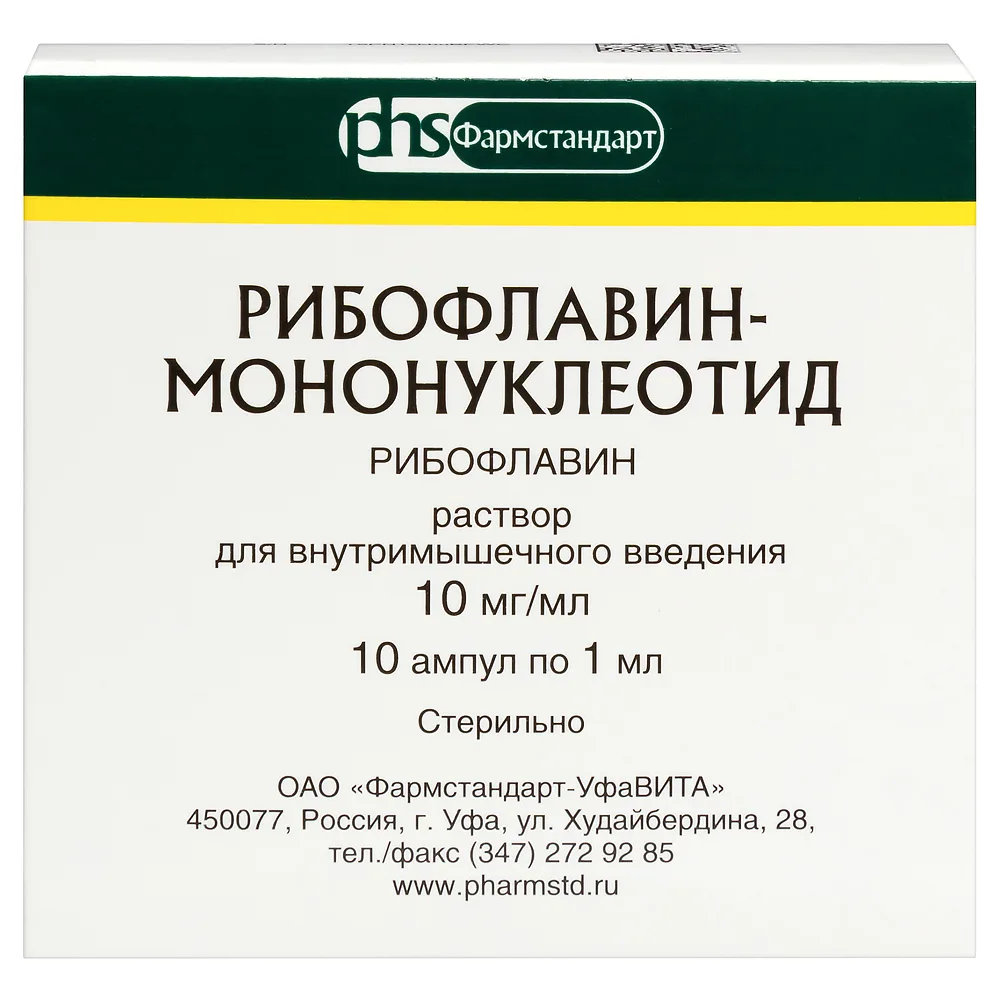
Riboflavin · solution for intramuscular administration


Ascorbic acid · solution for intravenous and intramuscular administration