01
Sourced
A licensed Russian pharmacy buys it for you.
No grey-market middlemen, no warehouses we can't audit. Retail purchase, on demand, against your order.

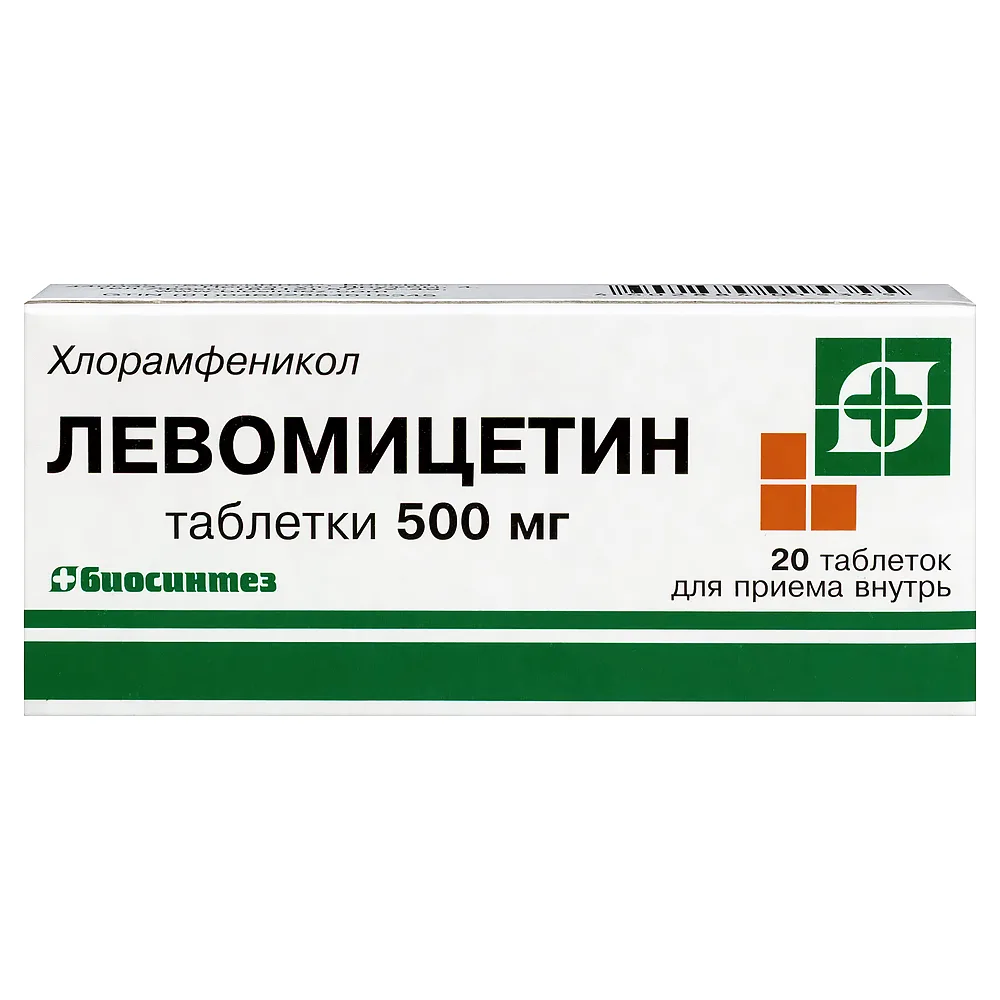 tablets
Chloramphenicol
SKU 101386
Same active ingredient
Other products with Chloramphenicol
Manufacturer leaflet
Facts from the printed manufacturer leaflet. Sections vary by drug — we only show what's actually in the box.
Infections of the urinary and biliary tracts caused by susceptible microorganisms.
Инфекции мочевыводящих и желчевыводящих путей, вызванные чувствительными микроорганизмами.
For oral use (30 minutes before meals, and in case of nausea and vomiting - 1 hour after meals) 3 - 4 times a day. The single dose for adults is 0.25 - 0.5 g, the daily dose is 2 g.
For children aged 3 years and older, it is prescribed under the control of the drug concentration in the serum at 12.5 mg/kg (basis) every 6 hours or 25 mg/kg (basis) every 12 hours. The average duration of treatment is 8-10 days.
Внутрь (за 30 минут до еды, а при развитии тошноты и рвоты - через 1 час после еды) 3 - 4 раза в сутки. Разовая доза для взрослых - 0,25 - 0,5 г, суточная - 2 г.
Детям с 3-х лет назначают под контролем концентрации препарата в сыворотке крови по 12,5 мг/кг (основание) каждые 6 часов или по 25 мг/кг (основание) каждые 12 часов. Средняя продолжительность лечения - 8-10 дней.
Composition per tablet.
Active ingredient:
Chloramphenicol (Levomycetin) - 500 mg
Excipients: - to obtain a tablet mass of 550 mg
calcium stearate monohydrate - 5.5 mg
povidone (low molecular weight medical polyvinylpyrrolidone 12600 ± 2700) - 22 mg
potato starch - 22.5 mg
Tablets that are white or white with a yellowish or grayish tint, flat-cylindrical with a bevel and a score line.
Состав на одну таблетку.
Активное вещество:
Хлорамфеникол (Левомицетин) - 500 мг
Вспомогательные вещества: - до получения таблетки массой 550 мг
кальция стеарата моногидрат - 5,5 мг
повидон (поливинилпирролидон низкомолекулярный медицинский 12600 ± 2700) - 22 мг
крахмал картофельный - 22,5 мг
таблетки белого или белого с желтоватым или сероватым оттенком цвета, плоскоцилиндрические с фаской и риской.
Increased sensitivity to chloramphenicol and other components of the drug; bone marrow suppression; acute intermittent porphyria; glucose-6-phosphate dehydrogenase deficiency; liver and/or kidney failure; pregnancy; breastfeeding; children under 3 years of age and weighing less than 20 kg.
With caution
Patients who have previously received treatment with cytostatic drugs or radiation therapy.
Use during pregnancy and breastfeeding
The drug is contraindicated during pregnancy and breastfeeding.
Treatment with the drug should be conducted under the supervision of blood parameters and the functional state of the liver and kidneys of the patient. In cases of hematopoietic suppression, discontinuation of the drug is mandatory.
Concurrent use of ethanol may lead to a disulfiram-like reaction (facial flushing, abdominal cramps, nausea, vomiting, headache, hypotension, tachycardia, dyspnea).
Effect on the ability to drive vehicles and operate machinery
During treatment, it is necessary to refrain from driving vehicles and engaging in other potentially dangerous activities that require increased attention and quick psychomotor reactions.
Повышенная чувствительность к хлорамфениколу и другим компонентам препарата, угнетение костномозгового кроветворения, острая интермиттирующая порфирия, дефицит глюкозо-6-фосфатдегидрогеназы, печеночная и/или почечная недостаточность, беременность, период грудного вскармливания, дети младше 3-х лет и с массой тела менее 20 кг.
С осторожностью
Пациентам, получавшим ранее лечение цитостатическими препаратами или лучевую терапию.
Применение при беременности и в период грудного вскармливания
Препарат во время беременности и в период грудного вскармливания противопоказан.
Лечение препаратом следует проводить под контролем картины крови и функционального состояния печени и почек больного. При угнетении кроветворения отмена препарата обязательна.
При одновременном приеме этанола возможно развитие дисульфирамоподобной реакции (гиперемия лица, спазм в животе и в области желудка, тошнота, рвота, головная боль, снижение артериального давления, тахикардия, одышка).
Влияние на способность к вождению автотранспорта и управлению механизмами
В период лечения необходимо воздержаться от управления транспортными средствами и занятий другими потенциально опасными видами деятельности, требующими повышенной концентрации внимания и быстроты психомоторных реакций.
Gastrointestinal side effects: dyspepsia, nausea, vomiting (the likelihood of development decreases when taken 1 hour after a meal), diarrhea, irritation of the mucous membrane of the oral cavity and throat, dermatitis, dysbiosis (suppression of normal microflora).
Hematopoietic system side effects: reticulocytopenia, leukopenia, granulocytopenia, thrombocytopenia, erythrocytopenia; aplastic anemia, agranulocytosis.
Nervous system side effects: psychomotor disorders, depression, confusion, peripheral neuritis, optic neuritis, visual and auditory hallucinations, decreased visual and auditory acuity, headache.
Allergic reactions: skin rash, angioedema.
Other: secondary fungal infection.
Symptoms: psychomotor disorders, confusion, visual and auditory hallucinations, decreased acuity of hearing and vision.
Treatment: hemosorption, symptomatic therapy.
Inhibits the enzyme system of cytochrome P 450, therefore, when used simultaneously with phenobarbital, phenytoin, and indirect anticoagulants, there is a noted weakening of the metabolism of these drugs, slowing of their elimination, and an increase in their plasma concentration. Reduces the antibacterial effect of penicillins and cephalosporins. When used simultaneously with erythromycin, clindamycin, and lincomycin, there is a mutual weakening of action due to chloramphenicol potentially displacing these drugs from their bound state or preventing their binding to the 50 S subunit of bacterial ribosomes. Concurrent administration with drugs that suppress hematopoiesis (sulfonamides, cytostatics), affecting metabolic processes in the liver, and with radiation therapy increases the risk of adverse effects. When prescribed with oral hypoglycemic agents, there is an enhancement of their action (due to the suppression of metabolism in the liver and increased plasma concentration).
Myelotoxic drugs enhance the manifestations of the hematotoxicity of the drug.
Со стороны пищеварительной системы: диспепсия, тошнота, рвота (вероятность развития снижается при приеме через 1 час после еды), диарея, раздражение слизистой оболочки полости рта и зева, дерматит, дисбактериоз (подавление нормальной микрофлоры).
Со стороны органов кроветворения: ретикулоцитопения, лейкопения, гранулоцитопения, тромбоцитопения, эритроцитопения; апластическая анемия, агранулоцитоз.
Со стороны нервной системы: психомоторные расстройства, депрессия, спутанность сознания, периферический неврит, неврит зрительного нерва, зрительные и слуховые галлюцинации, снижение остроты зрения и слуха, головная боль.
Аллергические реакции: кожная сыпь, ангионевротический отек.
Прочие: вторичная грибковая инфекция.
Симптомы: психомоторные расстройства, спутанность сознания, зрительные и слуховые галлюцинации, снижение остроты слуха и зрения.
Лечение: гемосорбция, симптоматическая терапия.
Подавляет ферментную систему цитохрома P 450, поэтому при одновременном применении с фенобарбиталом, фенитоином, непрямыми антикоагулянтами отмечается ослабление метаболизма этих лекарственных средств, замедление выведения и повышение их концентрации в плазме. Снижает антибактериальный эффект пенициллинов и цефалоспоринов. При одновременном применении с эритромицином, клиндамицином, линкомицином отмечается взаимное ослабление действия за счет того, что хлорамфеникол может вытеснять эти лекарственные средства из связанного состояния или препятствовать их связыванию с субъединицей 50 S бактериальных рибосом. Одновременное назначение с лекарственными средствами, угнетающими кроветворение (сульфаниламиды, цитостатики), влияющими на обмен веществ в печени, с лучевой терапией увеличивает риск развития побочного действия. При назначении с пероральными гипогликемическими лекарственными средствами отмечается усиление их действия (за счет подавления метаболизма в печени и повышения их концентрации в плазме).
Миелотоксичные лекарственные средства усиливают проявления гематотоксичности препарата.
Bacteriostatic broad-spectrum antibiotic that disrupts the protein synthesis process in microbial cells at the stage of transferring amino acids from t-RNA to ribosomes. Effective against strains of bacteria resistant to penicillin, tetracyclines, and sulfonamides.
Active against many gram-positive and gram-negative bacteria: Escherichia coli, Shigella dysenteriae, Shigella flexneri, Shigella boydii, Shigella sonnei, Salmonella spp. (including Salmonella typhi, Salmonella paratyphi), Staphylococcus spp., Streptococcus spp. (including Streptococcus pneumoniae), Neisseria meningitidis, Neisseria gonorrhoeae, several strains of Proteus spp., Burkholderia pseudomallei, Rickettsia spp., Treponema spp., Leptospira spp., Chlamydia spp. (including Chlamydia trachomatis), Coxiella burnetii, Ehrlichia canis, Klebsiella pneumoniae, Haemophilus influenzae.
Ineffective against acid-resistant bacteria (including Mycobacterium tuberculosis), anaerobes, methicillin-resistant strains of staphylococci, Acinetobacter spp., Enterobacter spp., Serratia marcescens, indole-positive strains of Proteus spp., Pseudomonas aeruginosa spp., protozoa, and fungi.
Resistance in microorganisms develops slowly.
Absorption - 90% (rapid and nearly complete). Bioavailability - 80%. Plasma protein binding - 50-60%, in premature newborns - 32%. Time to reach maximum concentration after administration - 1-3 hours. Volume of distribution - 0.6-1 L/kg. Therapeutic concentration in the blood is maintained for 4-5 hours after administration. It penetrates well into the body's fluids and tissues. The highest concentrations are found in the liver and kidneys. Up to 30% of the administered dose is found in bile. Maximum concentration in cerebrospinal fluid is determined 4-5 hours after a single oral administration and can reach 21-50% of the maximum concentration in plasma in the absence of meningeal inflammation and 45-89% in the presence of meningeal inflammation. It crosses the placental barrier, with concentrations in fetal serum potentially reaching 30-80% of those in maternal blood. It penetrates into breast milk.
The majority (90%) is metabolized in the liver. In the intestine, it is hydrolyzed by intestinal bacteria, forming inactive metabolites.
Excretion occurs within 24 hours via the kidneys - 90% (through glomerular filtration - 5-10% unchanged, through tubular secretion as inactive metabolites - 80%), through the intestine - 1-3%. Half-life in adults - 1.5-3.5 hours; in cases of renal impairment - 3-11 hours. Half-life in children aged 3 to 16 years - 3-6.5 hours. It is poorly removed during hemodialysis.
Бактериостатический антибиотик широкого спектра действия, нарушает процесс синтеза белка в микробной клетке на стадии переноса аминокислот т-РНК на рибосомы. Эффективен в отношении штаммов бактерий, устойчивых к пенициллину, тетрациклинам, сульфаниламидам.
Активен в отношении многих грамположительных и грамотрицательных бактерий: Escherichia coli, Shigella dysenteria, Shigella flexneri, Shigella boydii, Shigella sonnei, Salmonella spp. (в т.ч. Salmonella typhi, Salmonella paratyphi), Staphylococcus spp., Streptococcus spp. (в т.ч. Streptococcus pneumoniae), Neisseria meningitidis, Neisseria gonorrhoeae, ряда штаммов Proteus spp., Burkholderia pseudomallei, Rickettsia spp., Treponema spp., Leptospira spp., Chlamydia spp. (в т.ч. Chlamydia trachomatis), Coxiella burnetii, Ehrlichia canis, Klebsiella pneumoniae, Haemophilus influenzae.
Не действует на кислотоустойчивые бактерии (в т.ч. Mycobacterium tuberculosis), анаэробы, устойчивые к метициллину штаммы стафилококков, Acinetobacter spp., Enterobacter spp., Serratia marcescens, индолположительные штаммы Proteus spp., Pseudomonas aeruginosa spp., простейшие и грибы.
Устойчивость микроорганизмов развивается медленно.
Абсорбция - 90 % (быстрая и почти полная). Биодоступность - 80 %. Связь с белками плазмы - 50 - 60 %, у недоношенных новорожденных - 32 %. Время достижения максимальной концентрации после приема - 1 - 3 часа. Объем распределения - 0,6-1 л/кг. Терапевтическая концентрация в крови сохраняется в течение 4 - 5 часов после приема. Хорошо проникает в жидкости и ткани организма. Наибольшие его концентрации создаются в печени и почках. В желчи обнаруживается до 30 % от введенной дозы. Максимальная концентрация в спинномозговой жидкости определяется через 4 - 5 часов после однократного введения внутрь и может достигать при отсутствии воспаления мозговых оболочек 21- 50 % от максимальной концентрации в плазме и 45 - 89 % - при наличии воспаления мозговых оболочек. Проходит через плацентарный барьер, концентрации в сыворотке крови плода могут составлять 30-80 % от таковой в крови матери. Проникает в грудное молоко.
Основное количество (90 %) метаболизируется в печени. В кишечнике под влиянием кишечных бактерий гидролизуется с образованием неактивных метаболитов.
Выводится в течение 24 часов почками - 90 % (путем клубочковой фильтрации - 5 - 10 % в неизмененном виде, путем канальцевой секреции в виде неактивных метаболитов - 80 %), через кишечник - 1 - 3 %. Период полувыведения у взрослых - 1,5 - 3,5 часа, при нарушении функции почек - 3 - 11 часов. Период полувыведения у детей от 3 до 16 лет - 3 - 6,5 часов. Слабо выводится в ходе гемодиализа.
RU name Левомицетин 500 мг 20 шт. блистер таблетки
How we fulfill
Three checkpoints between the pharmacy shelf and your door. You see every one.
01
No grey-market middlemen, no warehouses we can't audit. Retail purchase, on demand, against your order.
02
A photo of your actual parcel in its original retail packaging lands in your inbox before it ships. Like this →
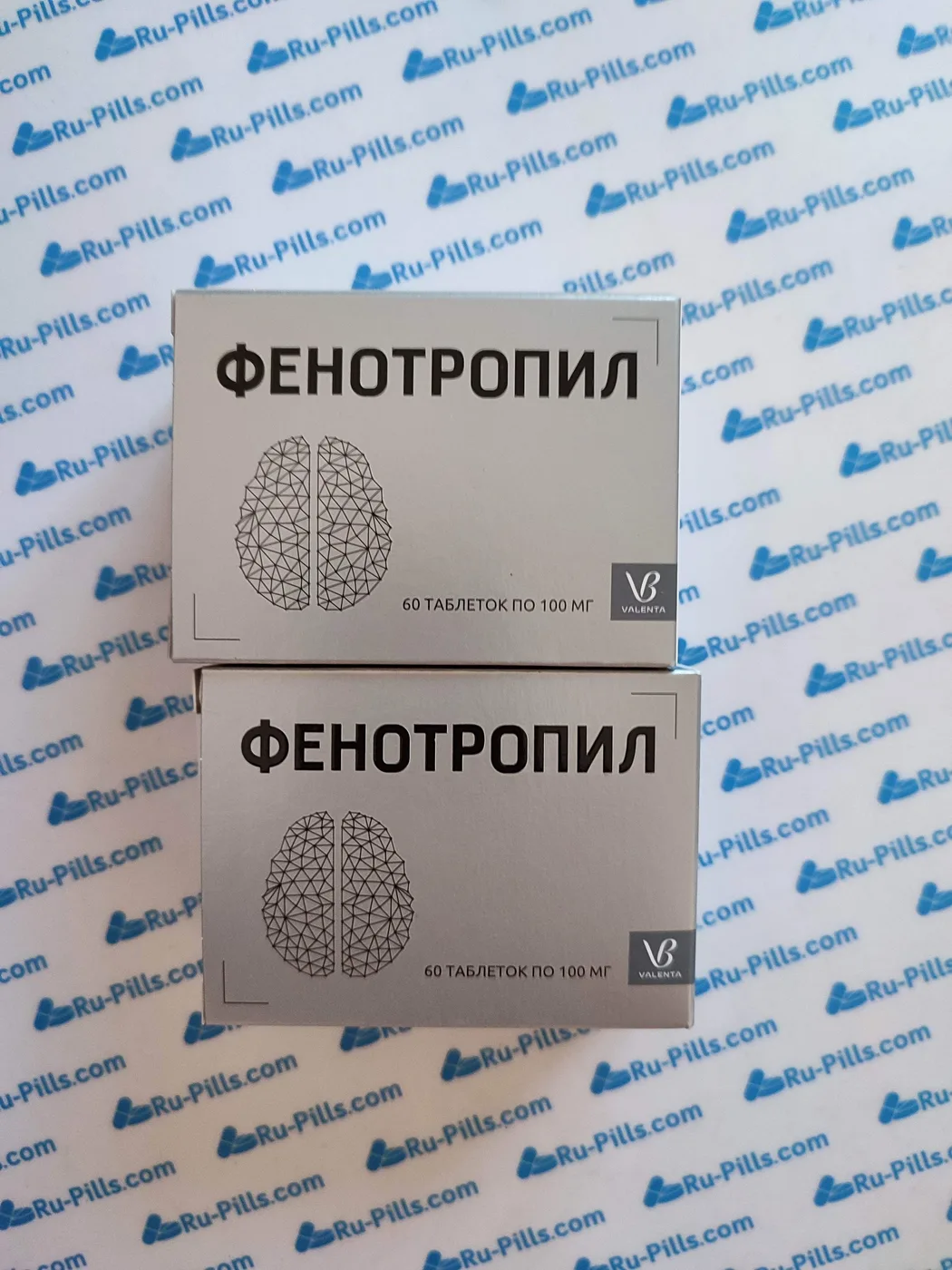 Real customer parcel
03
To 120+ countries. Most parcels arrive in 7–18 days.
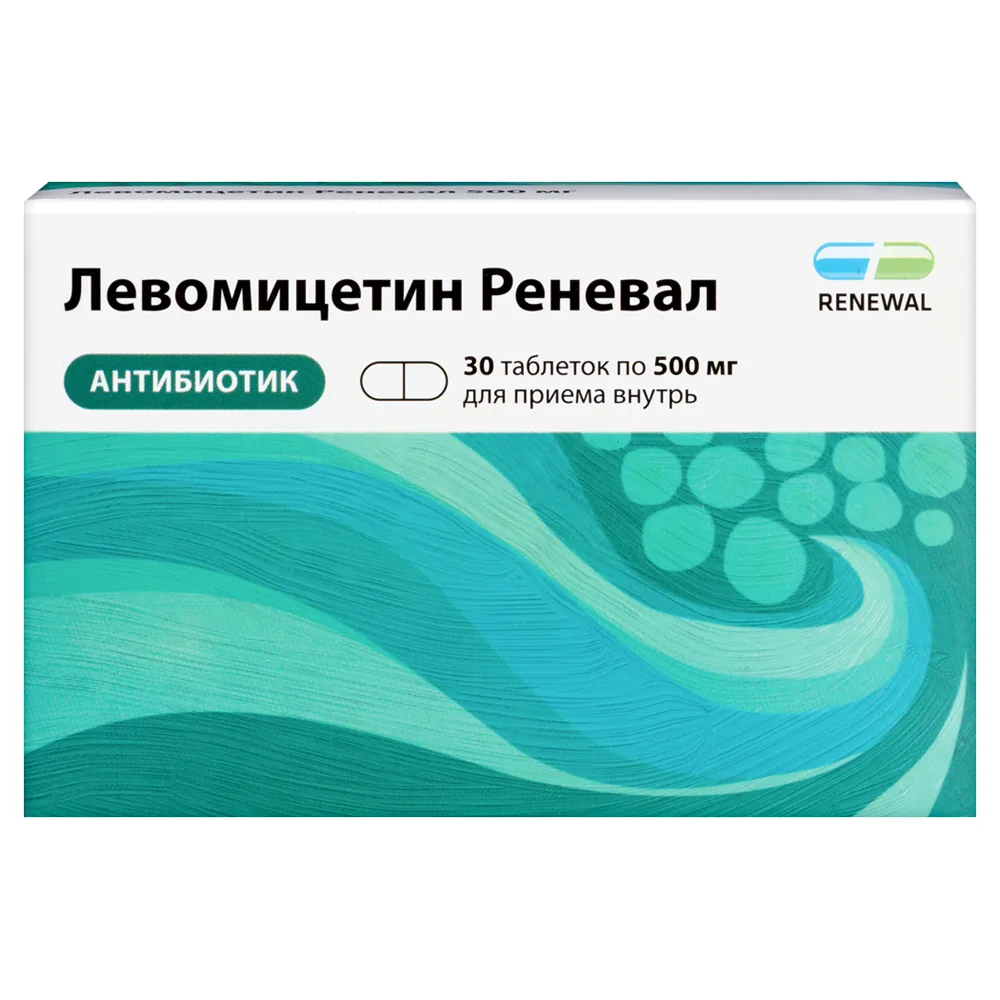
Chloramphenicol · tablets, film-coated
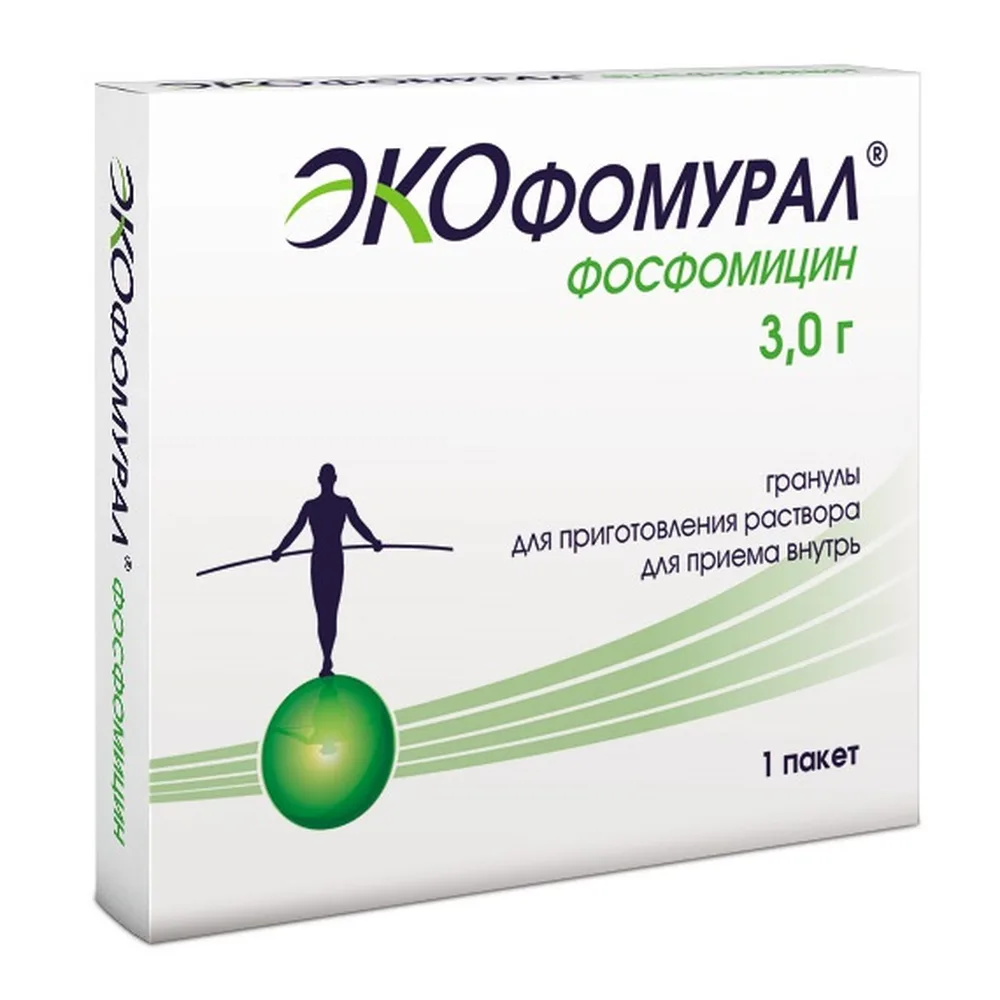
Fosfomycin · granules for solution preparation

Fosfomycin · powder for intravenous solution preparation
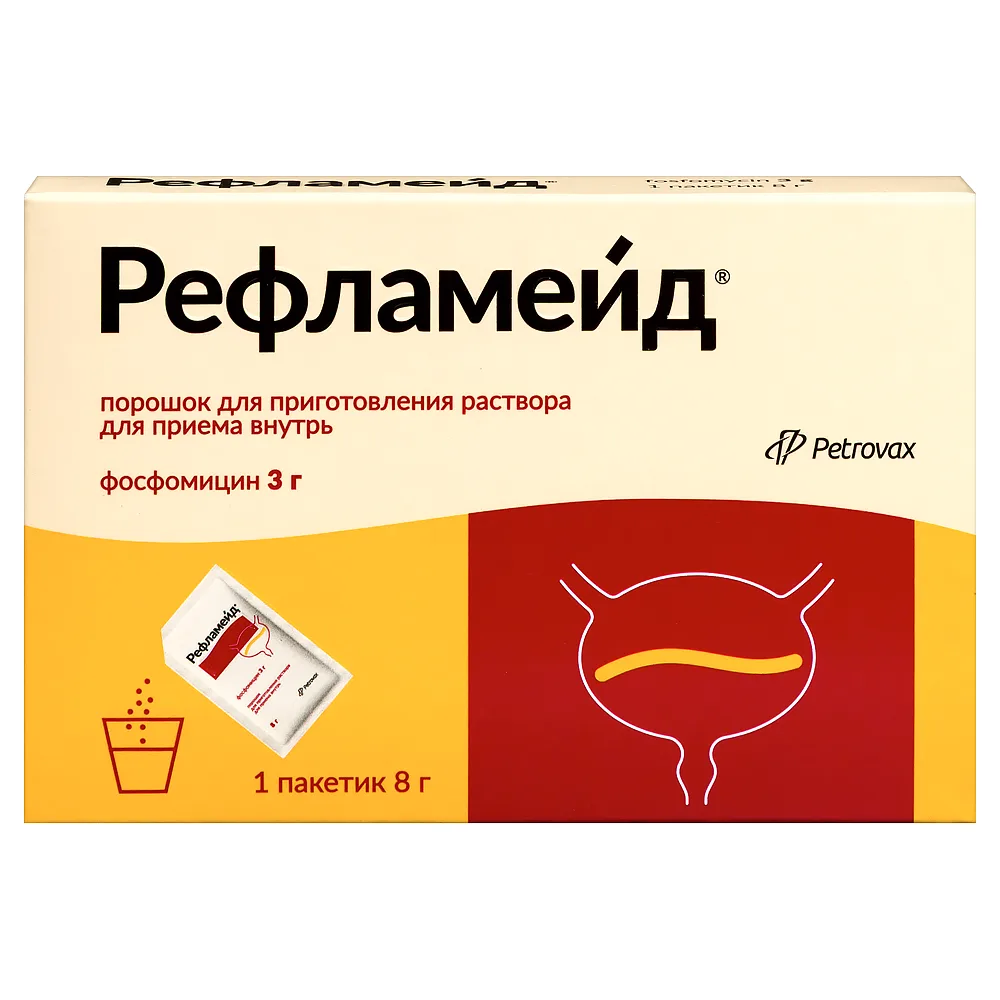
Fosfomycin · powder for solution preparation