01
Sourced
A licensed Russian pharmacy buys it for you.
No grey-market middlemen, no warehouses we can't audit. Retail purchase, on demand, against your order.

 tablets
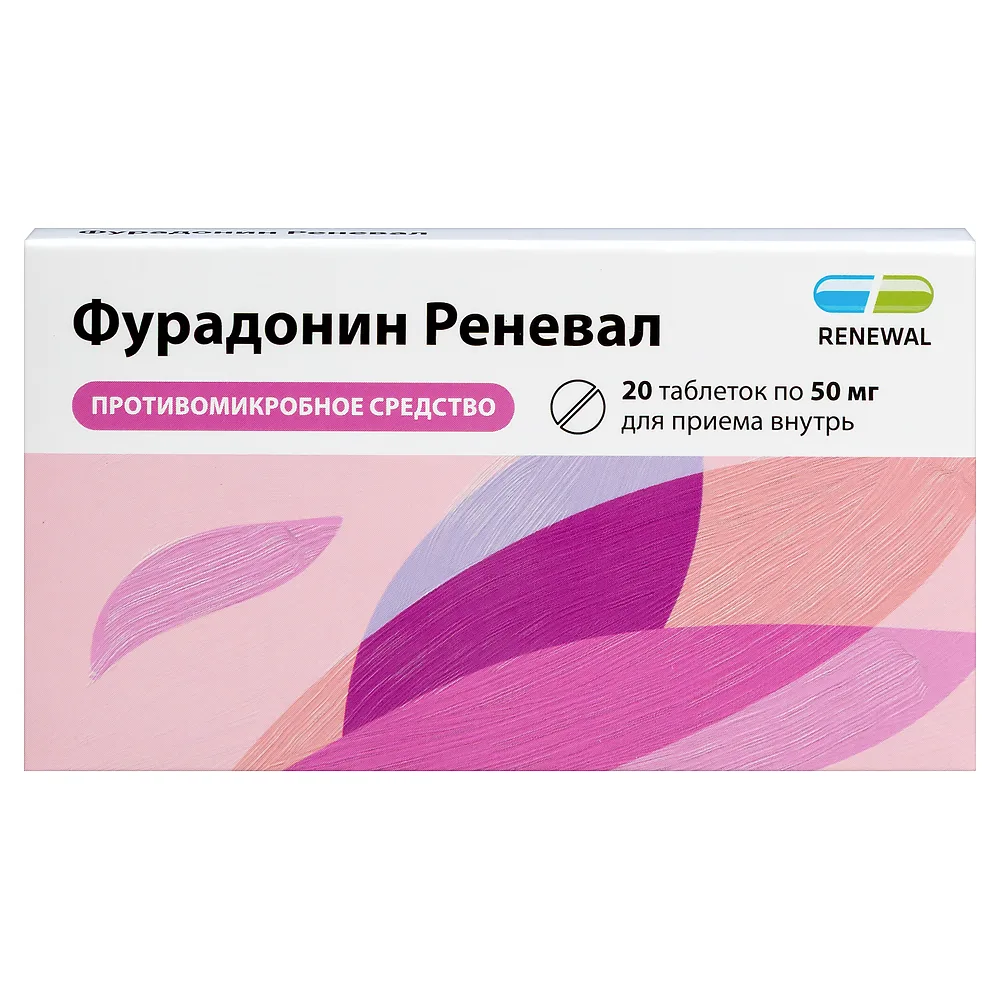
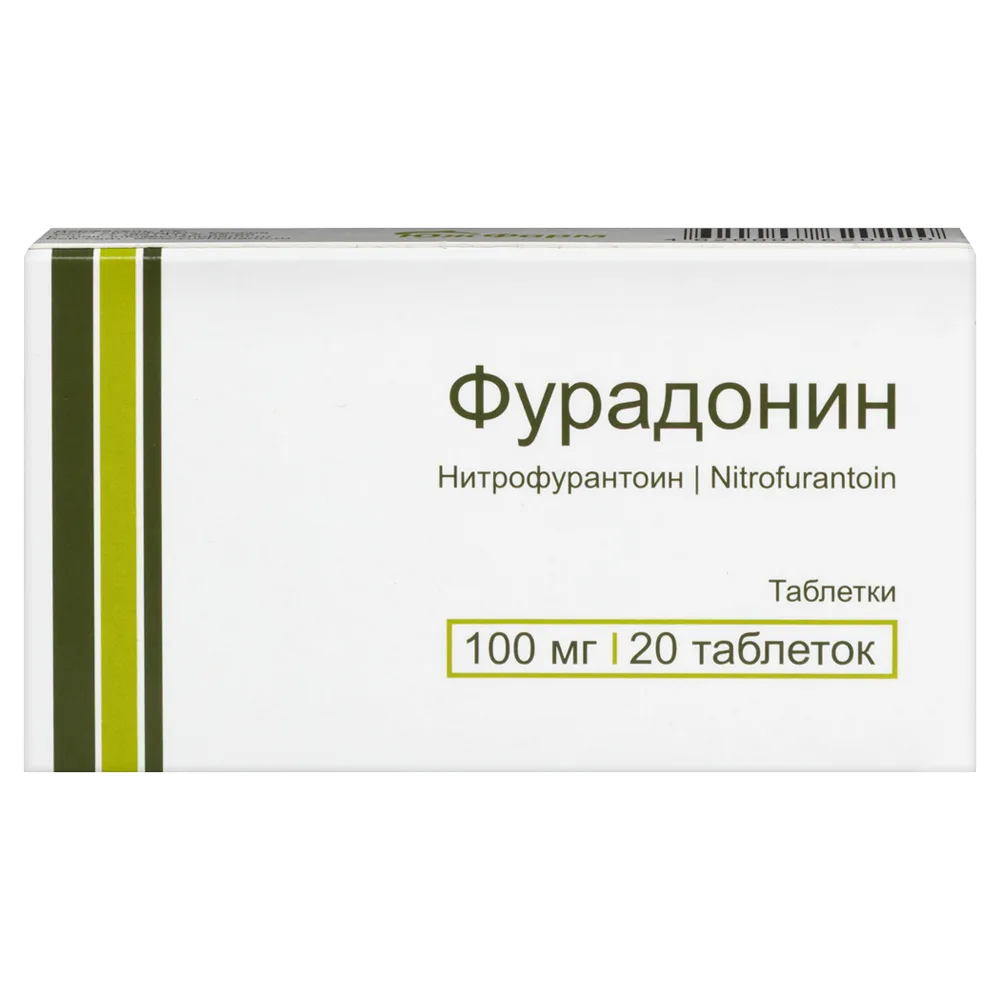
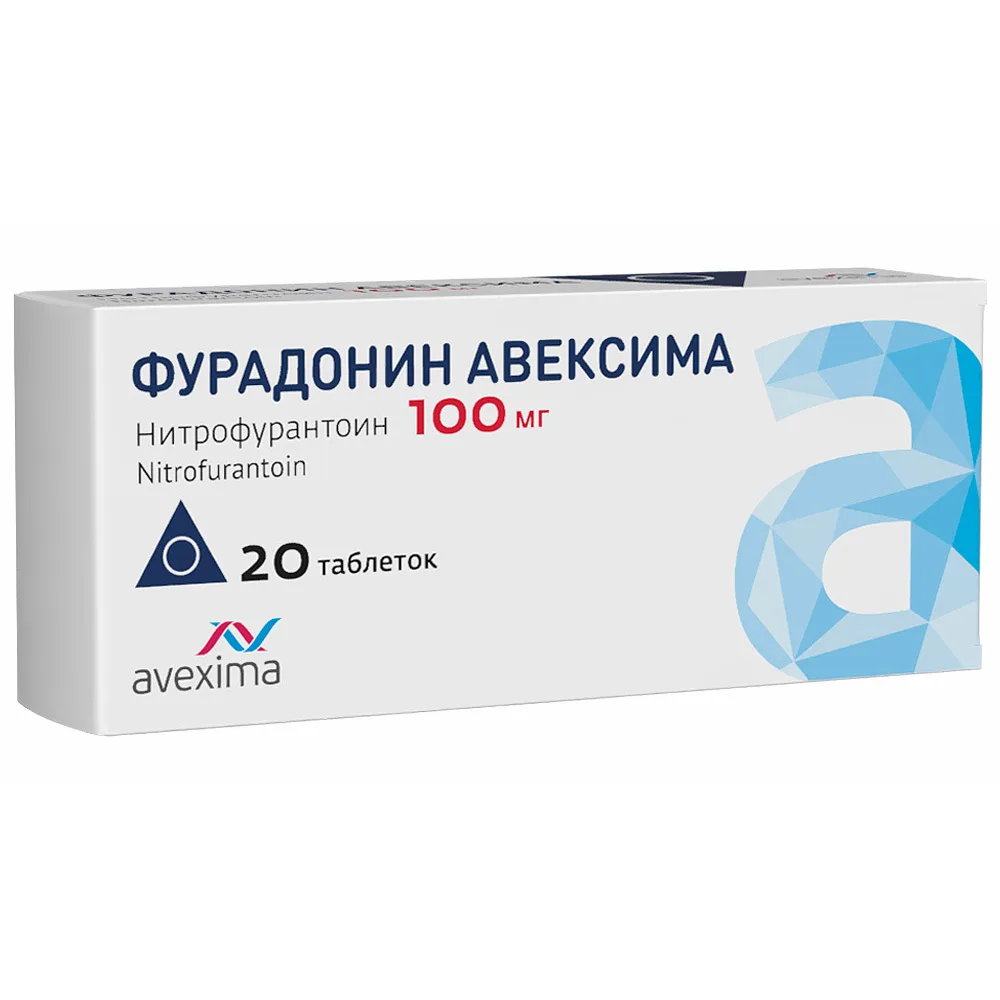
Nitrofurantoin
SKU 114647
Same active ingredient
Other products with Nitrofurantoin
All packagings

Cheapest option
Price
$5.29
Selected · use button above
Price
$7.20
Option 3 of 3
Price
$9.29
Manufacturer leaflet
Facts from the printed manufacturer leaflet. Sections vary by drug — we only show what's actually in the box.
Indications
Bacterial infections of the lower urinary tract caused by microorganisms sensitive to nitrofurantoin: acute uncomplicated infections, severe complicated recurrent infections, prevention of urinary tract infections, including in uncomplicated chronic diseases and during urological surgeries or examinations (cystoscopy, catheterization of the urinary tract, etc.).
Бактериальные инфекции нижних мочевыводящих путей, вызванные чувствительными к нитрофурантоину микроорганизмами: острые неосложненные инфекции, тяжелые осложненные рецидивирующие инфекции, профилактика инфекций мочевыводящих путей, в том числе, при неосложненных хронических заболеваниях и при урологических операциях или обследовании (цистоскопия, катетеризация мочевыводящих путей и т.п.).
Method of application and doses
The drug is taken orally, during meals, with a small amount of liquid.
For adults and children over 12 years old:
In case of acute uncomplicated infections of the lower urinary tract - 50 mg (1 tablet of 50 mg) 4 times a day or 100 mg (2 tablets of 50 mg) 2 times a day. The treatment course is 7 days.
Symptoms of the disease may disappear before the infection is cured, and stopping the use of the medication may cause the disease to flare up again.
In case of severe complicated recurrent infections - 100 mg (2 tablets of 50 mg) 3-4 times a day for 7 days. If nausea occurs, it is necessary to reduce the dose or stop taking it.
Prevention of lower urinary tract infections, including in uncomplicated chronic diseases and during urological surgeries or examinations (cystoscopy, catheterization of the urinary tract, etc.) - 100 mg (2 tablets of 50 mg) at night.
For children aged 6 to 12 years (body weight - more than 25 kg):
Acute uncomplicated urinary tract infections - 3 mg/kg/day, divided into 4 doses, for 7 days.
Препарат принимают внутрь, во время еды, запивая небольшим количеством жидкости.
Взрослым и детям старше 12 лет:
При острых неосложненных инфекциях нижних мочевыводящих путей - 50 мг (1 таблетка по 50 мг) 4 раза в день или 100 мг (2 таблетки по 50 мг) 2 раза в день. Курс лечения 7 дней.
Симптомы болезни могут исчезнуть прежде, чем наступит излечение от инфекции, и при прекращении применения лекарственного средства болезнь может обостриться снова.
При тяжелых осложненных рецидивирующих инфекциях - 100 мг (2 таблетки по 50 мг) 3-4 раза в день в течение 7 дней. При появлении тошноты необходимо снизить дозу или прекратить прием.
Профилактика инфекции нижних мочевыводящих путей, в т.ч. при неосложненных хронических заболеваниях и при урологических операциях или обследовании (цитоскопия, катетеризация мочевыводящих путей и т.п.) - 100 мг (2 таблетки по 50 мг) на ночь.
Детям в возрасте от 6 до 12 лет (вес тела - более 25 кг):
Острые неосложненные инфекции мочевыводящих путей - 3 мг/кг/день, разделенные на 4 приема, в течение 7 дней.
Section: Composition
One tablet contains:
Active ingredient: nitrofurantoin (furadonin) - 50 mg.
Excipients: potato starch - 46.15 mg, colloidal silicon dioxide - 2.00 mg, stearic acid - 1.00 mg, polysorbate-80 (tween-80) - 0.85 mg
Description of the dosage form
Round, flat-cylindrical tablets, yellow or yellow with a greenish tint, with a double-sided bevel, with slight marbling allowed on the surface.
Одна таблетка содержит:
Действующее вещество: нитрофурантоин (фурадонин) - 50 мг.
Вспомогательные вещества: крахмал картофельный - 46,15 мг, кремния диоксид коллоидный - 2,00 мг, стеариновая кислота - 1,00 мг, полисорбат-80 (твин-80) - 0,85 мг
Круглые, плоскоцилиндрической формы таблетки, желтого или желтого с зеленоватым оттенком цвета, с двухсторонней фаской, на поверхности допускается легкая мраморность.
• hypersensitivity to nitrofurantoin, nitrofuran derivatives, or other components of the drug;
• chronic renal failure (GFR < 60 ml/min), oliguria, anuria;• chronic heart failure of II - III degree;• glucose-6-phosphate dehydrogenase deficiency;• liver cirrhosis, chronic hepatitis;• pulmonary fibrosis;• acute porphyria;• neuritis or polyneuropathy;• breastfeeding period;• children under 6 years of age (for this dosage form);• pregnancy in the III trimester, period of childbirth.With caution In cases of diabetes mellitus, anemia, electrolyte imbalance, vitamin B deficiency, liver function impairment, lung diseases, predisposition to peripheral neuropathies (itching of hands, feet, numbness), pregnancy in the I and II trimester.Use during pregnancy and breastfeeding Nitrofurantoin crosses the placental barrier. Animal studies have shown reproductive toxicity. The potential risk to humans is unknown. The use of the drug is contraindicated in the III trimester of pregnancy (due to the risk of neonatal hemolytic anemia). The use of the drug in the I and II trimester of pregnancy is possible in cases of extreme necessity, when the expected benefit to the mother outweighs the possible risk to the fetus. If the drug is needed during lactation, breastfeeding should be discontinued.Section: Special InstructionsThe frequency of gastrointestinal side effects decreases when the drug is taken with food and a small amount of liquid. Caution should be exercised in cases of anemia, diabetes, electrolyte imbalance, deficiency of B vitamins and folic acid, lung diseases, liver function insufficiency, as well as in individuals prone to developing peripheral neuropathies (itching of the hands or feet, numbness). The use of the drug should be discontinued at the first signs of peripheral neuropathy (the onset of paresthesia), as the development of this complication can be life-threatening. If the first signs of hypersensitivity reactions in the lungs, the development of hepatitis, or blood disorders occur, the drug should be discontinued and appropriate measures taken. During prolonged treatment, lung function should be monitored, especially in elderly patients, who may experience a decline in lung function (see the "Side Effects" section). Liver function should also be monitored during prolonged treatment (see the "Contraindications" and "Side Effects" sections). If the creatinine clearance is < 60 ml/min, the therapeutic concentration of nitrofurantoin in urine is not achieved, and there is a possibility of accumulation of the active substance and an increased risk of toxicity (see the "Contraindications" section). The drug should be discontinued if signs of hemolysis appear in patients suspected of having glucose-6-phosphate dehydrogenase deficiency. Nitrofurantoin may color urine dark yellow or brown. Nitrofurantoin should not be used to treat diseases of the renal cortex, purulent perinephritis, or prostatitis. The drug should not be taken for the treatment of pyelonephritis accompanied by inflammation of the parenchymal tissue or perirenal inflammation. Nitrofurantoin should not be used in combination with drugs that cause kidney function impairment. Treatment with nitrofurantoin may lead to the emergence of resistant microorganisms. Patients receiving nitrofurantoin may have false-positive reactions when determining glucose in urine. Alcoholic beverages should not be consumed during treatment.Effect on the ability to drive vehicles and operate machinery During treatment, caution should be exercised when driving vehicles and engaging in other potentially dangerous activities that require increased attention and quick psychomotor reactions, due to side effects from the nervous system.
• повышенная чувствительность к нитрофурантоину, производным нитрофурана или другим компонентам препарата;
• хроническая почечная недостаточность (КК ˂60 мл/мин), олигурия, анурия;
• хроническая сердечная недостаточность II - III степени;
• дефицит глюкозо-6-фосфатдегидрогеназы;
• цирроз печени, хронический гепатит;
• фиброз легких;
• острая порфирия;
• неврит или полинейропатия;
• период грудного вскармливания;
• детский возраст до 6 лет (для данной лекарственной формы);
• беременность III триместр, период родоразрешения.
С осторожностью
При сахарном диабете, анемии, нарушении электролитного баланса, дефиците витаминов группы B, недостаточности функции печени, заболеваниях легких, склонности к развитию периферических нейропатий (зуд рук, ног, онемение), беременность I и II триместр.
Применение при беременности и в период грудного вскармливания
Нитрофурантоин проникает через плацентарный барьер. Исследования на животных показали репродуктивную токсичность. Потенциальный риск для человека неизвестен. Применение препарата противопоказано в III триместре беременности (из-за риска неонатальной гемолитической анемии). Применение препарата в I и II триместре беременности возможно в случаях крайней необходимости, когда ожидаемая польза для матери превышает возможный риск для плода. При необходимости применения препарата в период лактации грудное вскармливание необходимо прекратить.
Частота побочных эффектов со стороны желудочно-кишечного тракта уменьшается при приеме препарата с пищей и небольшим количеством жидкости.
Осторожность следует соблюдать при анемии, сахарном диабете, нарушении электролитного баланса, дефиците витаминов группы B и фолиевой кислоты, заболеваниях легких, недостаточности функции печени, а также при склонности к развитию периферических нейропатий (зуд рук или ног, онемение).
Прием препарата должен быть прекращен при наличии первых признаков периферической нейропатии (возникновение парестезий), так как развитие данного осложнения может быть опасным для жизни.
При появлении первых реакций повышенной чувствительности легких, развитии гепатита, нарушениях со стороны крови прием препарата следует прекратить и принять соответствующие меры.
При продолжительном лечении следует контролировать функции легких, особенно пожилым пациентам, у которых возможно ухудшение функции легких (см. раздел «Побочное действие»).
При продолжительном лечении следует контролировать функции печени (см. разделы «Противопоказания» и «Побочное действие»).
Если КК ˂ 60 мл/мин, терапевтическая концентрация нитрофурантоина в моче не достигается, возможна кумуляция действующего вещества и повышенный риск токсичности (см. раздел «Противопоказания»).
Прием препарата должен быть прекращен при проявлении признаков гемолиза у пациентов с подозрением на недостаточность глюкозо-6-фосфатдегидрогеназы.
Нитрофурантоин может окрашивать мочу в темно-желтый или коричневый цвет.
Нитрофурантоин не следует применять для лечения заболеваний коркового вещества почек, гнойного паранефрита, простатита.
Не следует принимать препарат для лечения пиелонефрита, который сопровождается воспалением паренхиматозной ткани или периренальным воспалением.
Нитрофурантоин не следует применять в комбинации с препаратами, вызывающими нарушения функции почек.
Лечение нитрофурантоином может привести к появлению устойчивых микроорганизмов.
У пациентов, получающих нитрофурантоин, могут наблюдаться ложноположительные реакции при определении глюкозы в моче.
Во время лечения нельзя употреблять алкогольные напитки.
Влияние на способность управлять транспортными средствами, механизмами
В период лечения необходимо соблюдать осторожность при управлении транспортными средствами и занятии другими потенциально опасными видами деятельности, требующими повышенной концентрации внимания и быстроты психомоторных реакций, в связи с побочными эффектами со стороны нервной системы.
Section: Side Effects
The frequency of adverse reactions noted during the use of nitrofurantoin is presented in the following gradation: very common (≥ 1/10), common (≥ 1/100, < 1/10), uncommon (≥ 1/1000, < 1/100), rare (≥ 1/10,000, < 1/1000), very rare (< 1/10,000), and frequency unknown (cannot be estimated based on available data). Infectious and parasitic diseases: frequency unknown - pseudomembranous colitis, superinfection of the urogenital tract, more often caused by Pseudomonas aeruginosa or Candida spp. Disorders of the blood and lymphatic system: rare - megaloblastic anemia, leukopenia, granulocytopenia or agranulocytosis, thrombocytopenia, hemolytic anemia in patients with glucose-6-phosphate dehydrogenase deficiency. Disorders of the immune system: very rare - lupus-like syndrome (rash, eosinophilia, fever, arthralgia), with an increase in two or more parameters in the serum - antinuclear antibodies, antibodies to smooth muscle or to the glomerular basement membrane, and a positive Coombs test. In some cases - angioedema, anaphylaxis, autoimmune reactions associated with chronic changes in the lungs or liver. Disorders of the nervous system: common - headache; rare - increased intracranial pressure; frequency unknown - dizziness, asthenia, nystagmus, drowsiness; peripheral polyneuropathy (including optic neuritis), the first symptoms of which are a feeling of numbness and burning in the legs, muscle weakness. Disorders of the respiratory system, thoracic organs, and mediastinum: very rare: acute and chronic hypersensitivity reactions of the lungs, characterized by fever, eosinophilia, cough, chest pain, dyspnea ("nitrofurantoin pneumonia"), interstitial changes in the lungs, bronchial obstruction syndrome, pleuritis. Pulmonary infiltrate or consolidation and pleural effusion may appear within hours or days of starting therapy; after discontinuation of the drug, they usually resolve. Subacute or acute pulmonary symptoms, including pulmonary fibrosis, may develop insidiously in patients with prolonged therapy; fibrosis may be irreversible, especially if therapy continued after the onset of symptoms (see "Contraindications" section). Disorders of the gastrointestinal tract: common - nausea, vomiting, loss of appetite; rare - diarrhea, abdominal pain, pancreatitis, inflammation of the salivary glands. Disorders of the liver and/or biliary tract: rare - hepatitis, cholestatic jaundice (dose-independent and resolve after discontinuation of the drug). Disorders of the skin and subcutaneous tissue: common - allergic reactions (skin rashes, urticaria, itching); very rare - exfoliative dermatitis, polymorphic erythema. Disorders of the reproductive organs and breast: very rare - transient disturbance of spermatogenesis. Other: rare - joint pain, reversible hair loss.Section: OverdoseSymptoms: nausea, vomiting, headache, dizziness. Treatment: intake of a large amount of fluid leads to increased excretion of nitrofurantoin in urine. Dialysis is effective.InteractionAntacids and adsorbents reduce the absorption of nitrofurantoin. The simultaneous use of nitrofurantoin and quinolone group drugs (nalidixic acid, fluoroquinolones) leads to a decrease in the antibacterial action of the latter. Agents that promote the excretion of uric acid (probenecid and sulfinpyrazone) can block secretion by the renal tubules, resulting in a decreased concentration of nitrofurantoin in urine (reducing antibacterial effect) and an increased concentration in the blood (increasing toxicity). The antibacterial action of nitrofurantoin is reduced in an alkaline environment, so it is not recommended to combine nitrofurantoin with drugs that raise urine pH (sodium bicarbonate).
Частота возникновения нежелательных реакций, отмеченных при приеме нитрофурантоина, приведена в следующей градации: очень часто (≥ 1/10), часто (≥ 1/100, < 1/10), нечасто (≥ 1/1000, < 1/100), редко (≥ 1/10 000, < 1/1000), очень редко (< 1/10 000) и частота неизвестна (невозможно оценить на основании имеющихся данных). Инфекционные и паразитарные заболевания: частота неизвестна - псевдомембранозный колит, суперинфекция мочеполового тракта, чаще вызываемая Pseudomonas aeruginosa или Candida spp. Нарушения со стороны крови и лимфатической системы: редко - мегалобластическая анемия, лейкопения, гранулоцитопения или агранулоцитоз, тромбоцитопения, гемолитическая анемия у пациентов с дефицитом глюкозо-6-фосфатдегидрогеназы. Нарушения со стороны иммунной системы: очень редко - волчаночноподобный синдром (сыпь, эозинофилия, лихорадка, артралгия), при этом в сыворотке крови наблюдается увеличение двух и более параметров - антинуклеарные антитела, антитела к гладкой мускулатуре или к базальной мембране клубочков и реакция Кумбса. В отдельных случаях - ангионевротический отек, анафилаксия, аутоиммунные реакции, связанные с хроническими изменениями в легких или печени. Нарушения со стороны нервной системы: часто - головная боль; редко - повышение внутричерепного давления; частота неизвестна - головокружение, астения, нистагм, сонливость; периферическая полинейропатия (включая неврит зрительного нерва), первые симптомы которой - чувство онемения и жжения в ногах, мышечная слабость. Нарушения со стороны дыхательной системы, органов грудной клетки и средостения: очень редко: острые и хронические реакции повышенной чувствительности легких, характеризующиеся лихорадкой, эозинофилией, кашлем, болью в грудной клетке, одышкой («нитрофурантоиновая пневмония»), интерстициальные изменения в легких, бронхообструктивный синдром, плеврит. Легочный инфильтрат или уплотнение и плевральный выпот могут появиться в течение нескольких часов или дней от начала терапии; после прекращения приема препарата они обычно рассасываются. Подострые или острые легочные симптомы, в том числе фиброз легких, могут незаметно развиться у больных при продолжительной терапии; фиброз может быть необратимым, особенно если терапия продолжалась после появления симптомов (см. раздел «Противопоказания»). Нарушения со стороны желудочно-кишечного тракта: часто - тошнота, рвота, отсутствие аппетита; редко - диарея, боль в животе, панкреатит, воспаление слюнных желез. Нарушения со стороны печени и/или желчевыводящих путей: редко - гепатит, холестатическая желтуха (дозонезависимы и проходят после отмены препарата). Нарушения со стороны кожи и подкожных тканей: часто - аллергические реакции (кожные высыпания, крапивница, зуд); очень редко - эксфолиативный дерматит, полиформная эритема. Нарушения со стороны половых органов и молочной железы: очень редко - проходящее нарушение сперматогенеза. Прочие: редко - боль в суставах, обратимое выпадение волос.Симптомы: тошнота, рвота, головная боль, головокружение. Лечение: прием большого количества жидкости приводит к повышению выведения нитрофурантоина с мочой. Эффективен диализ.Антациды и адсорбенты снижают всасывание нитрофурантоина. Одновременное применение нитрофурантоина и препаратов группы хинолона (налидиксовая кислота, фторхинолоны) приводит к уменьшению антибактериального действия последних. Средства, способствующие выведению мочевой кислоты (пробенецид и сульфинпиразон) могут блокировать секрецию почечными канальцами, при этом снижается концентрация нитрофурантоина в моче (уменьшается антибактериальный эффект) и повышается концентрация в крови (увеличивается токсичность). Антибактериальное действие нитрофурантоина снижается в щелочной среде, поэтому не рекомендуют сочетать нитрофурантоин с препаратами, повышающими рН мочи (натрия гидрогенкарбонат).
Pharmacodynamics
Antimicrobial agent from the nitrofuran group, primarily for the treatment of urinary tract infections. Nitrofurantoin disrupts protein synthesis in bacteria and the permeability of the cell membrane. At low doses, it has a bacteriostatic effect, while at higher doses, it is bactericidal. It is effective against gram-positive and gram-negative bacteria (Staphylococcus spp., Streptococcus spp., Shigella dysenteriae spp., Shigella flexneri spp., Shigella boydii spp., Shigella sonnei spp., Escherichia coli, Proteus spp.). Resistant to nitrofurantoin are: Pseudomonas aeruginosa, Pseudomonas cepacia, Providencia spp., Acinetobacter spp. Nitrofurantoin is not used for urinary tract infections caused by gonococci, chlamydia, or mycoplasmas.
Pharmacokinetics
Nitrofurantoin is well absorbed in the gastrointestinal tract. Bioavailability is 50% (food increases bioavailability). The rate of absorption depends on the size of the crystals.
Binding to plasma proteins is 60%. It crosses the placenta, the blood-brain barrier, and is excreted in breast milk. The effective therapeutic concentration of the drug is achieved in the urinary tract, not in the blood and tissues.
It is metabolized in the liver and muscle tissue.
The half-life (T1/2) is 20-25 minutes. It is completely excreted by the kidneys (30-50% in unchanged form).
In patients with impaired kidney function, the concentration of nitrofurantoin in the plasma and T1/2 increase. If creatinine clearance (CC) is less than 60 ml/min, the therapeutic concentration of nitrofurantoin in urine is not achieved, and there is a possibility of accumulation of the active substance and an increased risk of toxicity.
Nitrofurantoin exhibits greater activity in acidic urine. If the urine pH is above 8, the drug loses its bactericidal activity.
Противомикробное средство из группы нитрофуранов, прежде всего для лечения инфекций мочевыводящих путей. Нитрофурантоин нарушает синтез белков в бактериях и проницаемость клеточной мембраны. В малых дозах обладает бактериостатическим действием, в больих - бактерицидным. Эффективен в отношении грамположительных и грамотрицательных бактерий (Staphylococcus spp., Streptococcus spp., Shigella dysenteria spp., Shigella flexneri spp., Shigella boydii spp., Shigella sonnei spp., Escherichia coli., Proteus spp.). Устойчивы к нитрофурантоину: Pseudomonas aeroginosa, Pseudomonas cepacia, Providencia spp., Acinetobacter spp..
Нитрофурантоин не используют при инфекциях мочевыводящих путей, вызванных гоноккоками, хламидиями, микоплазмами.
Нитрофурантоин хорошо всасывается в желудочно-кишечном тракте. Биодоступность - 50% (пища увеличивает биодоступность). Скорость всасывания зависит от размеров кристаллов.
Связь с белками плазмы крови - 60 %. Проникает через плаценту, гематоэнцефалический барьер, выделяется с грудным молоком. Эффективную терапевтическую концентрацию препарат достигает в мочевыводящих путях, а не в крови и тканях.
Метаболизируется в печени и мышечной ткани.
Период полувыведения (T1/2) - 20-25 мин. Выводится полностью почками (30-50 % - в неизмененном виде).
У пациентов с нарушениями функции почек концентрация нитрофурантоина в плазме крови и T1/2 увеличиваются. Если клиренс креатинина (КК) менее 60 мл/мин, терапевтическая концентрация нитрофурантоина в моче не достигается, возможна кумуляция действующего вещества и повышенный риск токсичности.
Нитрофурантоин проявляет большую активность в кислой моче. Если рН мочи выше 8, то препарат теряет бактерицидную активность.
RU name Фурадонин авексима 50 мг 20 шт. таблетки
How we fulfill
Three checkpoints between the pharmacy shelf and your door. You see every one.
01
No grey-market middlemen, no warehouses we can't audit. Retail purchase, on demand, against your order.
02
A photo of your actual parcel in its original retail packaging lands in your inbox before it ships. Like this →
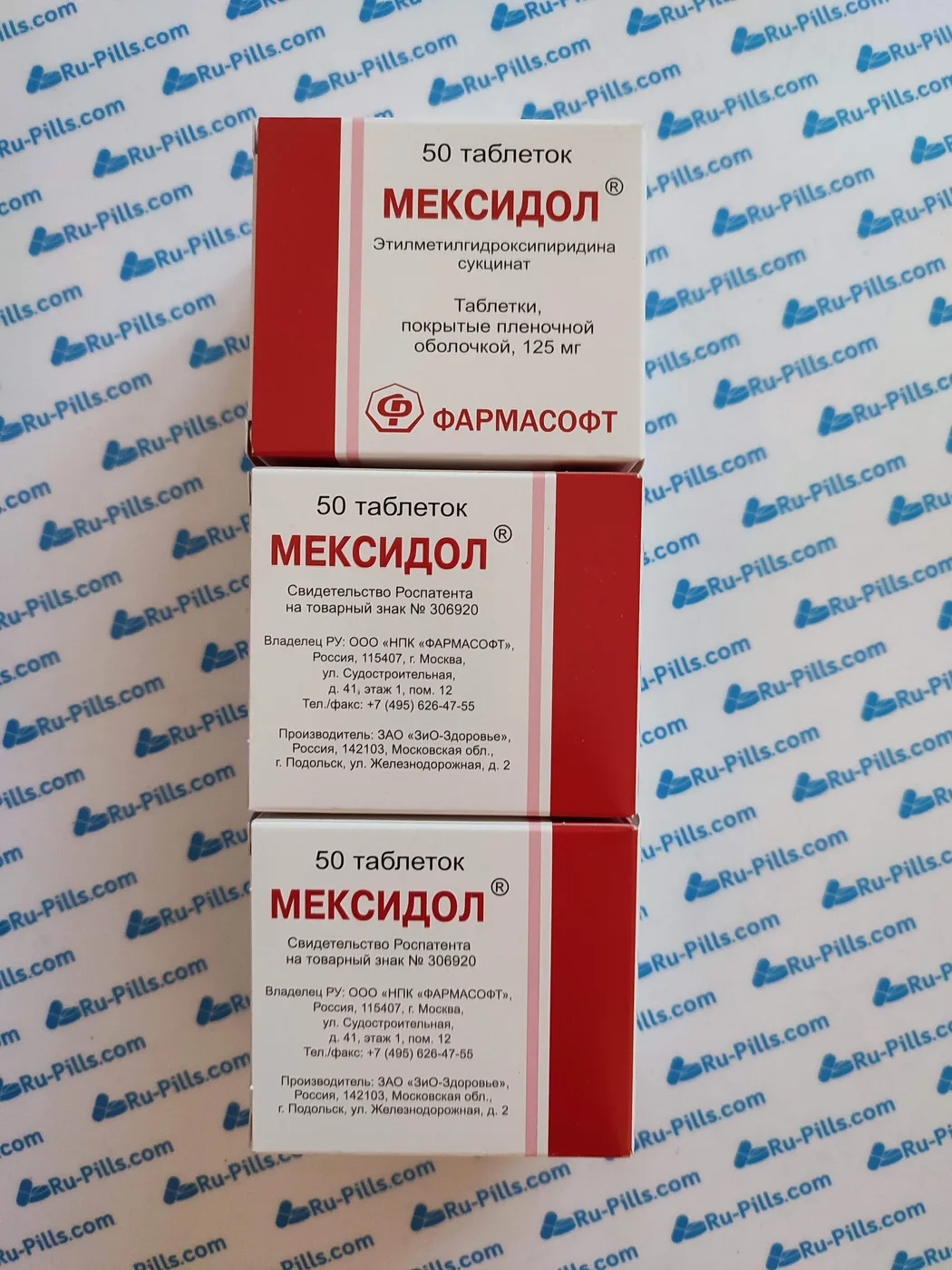 Real customer parcel
03
To 120+ countries. Most parcels arrive in 7–18 days.