01
Sourced
A licensed Russian pharmacy buys it for you.
No grey-market middlemen, no warehouses we can't audit. Retail purchase, on demand, against your order.

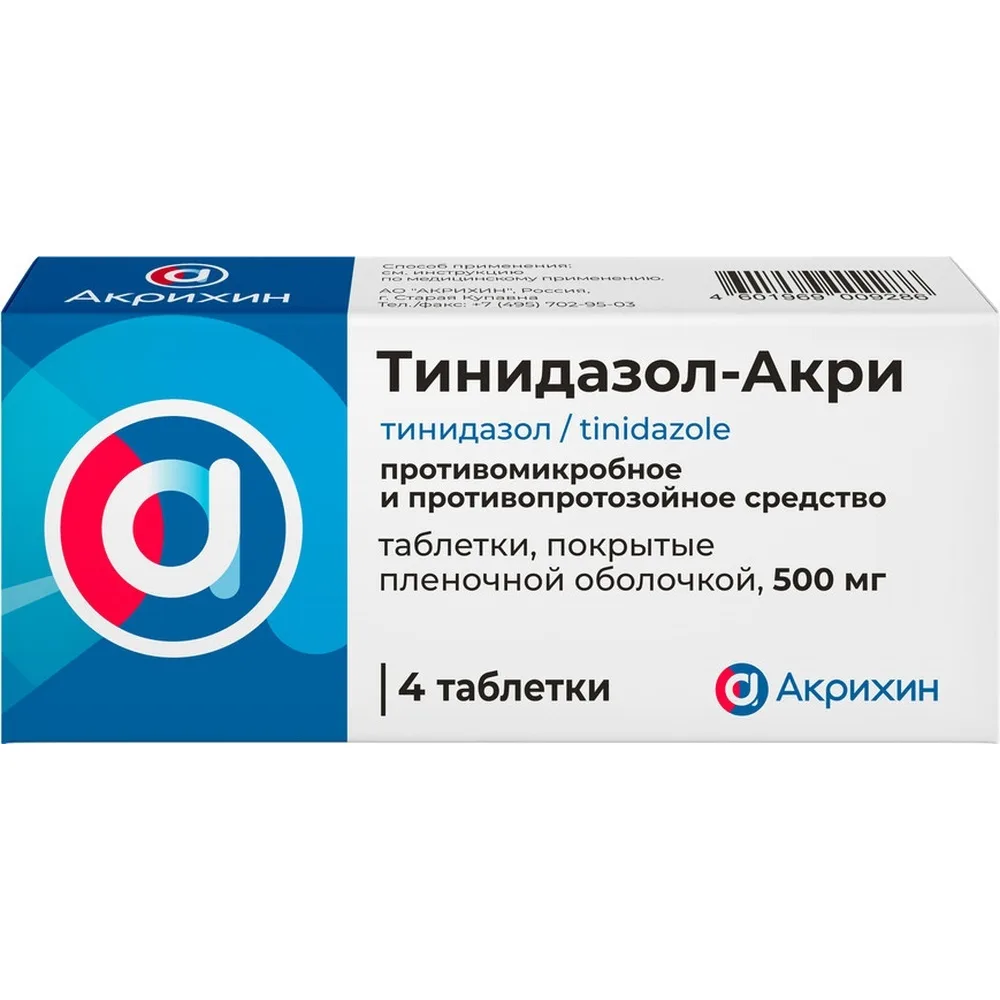
 vaginal suppositories
Metronidazole
SKU 108373
Same active ingredient
Other products with Metronidazole
Manufacturer leaflet
Facts from the printed manufacturer leaflet. Sections vary by drug — we only show what's actually in the box.
Local treatment of trichomonas and nonspecific vaginitis, bacterial vaginosis.
Местное лечение трихомонадного и неспецифических вагинитов, бактериального вагиноза.
- Trichomonas vaginitis: 1 suppository per day for 7-10 days in combination with oral metronidazole.
- Nonspecific vaginitis, bacterial vaginosis: 1 suppository per day for 7 days, if necessary in combination with oral metronidazole.
Treatment with metronidazole should not exceed 10 days and should not be repeated more than 2-3 times a year.
- Трихомонадный вагинит: 1 суппозиторий в сутки в течение 7-10 дней в сочетании с приемом препарата метронидазол в таблетках.
- Неспецифический вагинит, бактериальный вагиноз: 1 суппозиторий в сутки в течение 7 дней, при необходимости в сочетании с приемом препарата метронидазол в таблетках.
Лечение метронидазолом не должно продолжаться более 10 дней и повторяться чаще, чем 2 - 3 раза в год.
Composition per suppository.
Active ingredient:
Metronidazole - 0.5 g
Base for suppositories:
solid fat - sufficient quantity to obtain a suppository weighing 2.4 g
Suppositories that are white with a yellowish or white with a greenish tint, torpedo-shaped.
Состав на один суппозиторий.
Активное вещество:
Метронидазол - 0,5 г
Основа для суппозиториев:
жир твердый - достаточное количество до получения суппозитория массой 2,4 г
Суппозитории белого с желтоватым или белого с зеленоватым оттенком цвета, торпедообразной формы.
Increased sensitivity to metronidazole or other nitroimidazole derivatives; pregnancy (first trimester), blood disorders, leukopenia (including history); impaired coordination, organic lesions of the CNS (including epilepsy); liver failure (in case of high doses).
Pregnancy and lactation
The drug should be used with caution from the second trimester of pregnancy.
Metronidazole penetrates into breast milk. Breastfeeding during the course of the drug should be discontinued. Breastfeeding should not be resumed earlier than 48 hours after the end of the drug administration.
In the case of trichomoniasis, simultaneous treatment of the sexual partner with metronidazole is recommended, regardless of whether they exhibit symptoms of the disease.
During treatment with the drug, it is advisable to refrain from sexual contact.
In cases of changes in peripheral blood composition in the medical history, as well as when using the drug in high doses and/or for prolonged periods, monitoring of a complete blood count is necessary.
Metronidazole may immobilize treponemes, leading to a false-positive TPI test (Nelson test).
Since the simultaneous intake of the drug with alcohol (ethanol) may produce effects similar to those of disulfiram (feeling of heat, vomiting, tachycardia), alcoholic beverages or medications containing alcohol should be avoided. Treatment with metronidazole should not exceed 10 days and should not be repeated more than 2 - 3 times a year. It should be noted that with prolonged use, treatment should be conducted under the supervision of hematological parameters and side effects, such as peripheral or central neuropathy, manifested by paresthesias, ataxia, dizziness, seizures, in which case treatment should be discontinued. Treatment during menstruation is not interrupted. After therapy for trichomoniasis, follow-up tests should be conducted for 3 consecutive cycles before and after menstruation.
Effects on the ability to drive vehicles and operate machinery
The potential for side effects such as dizziness and seizures should be considered. If these adverse effects occur, one should refrain from driving or engaging in other potentially dangerous activities that require increased attention and quick psychomotor reactions.
Повышенная чувствительность к метронидазолу или к другим нитроимидазольным производным; беременность (первый триместр), заболевания крови, лейкопения (в том числе в анамнезе); нарушение координации движений, органические поражения ЦНС (в том числе эпилепсия); печеночная недостаточность (в случае назначения больших доз).
Беременность и лактация
Препарат применяют с осторожностью со II триместра беременности.
Метронидазол проникает в грудное молоко. Грудное вскармливание в период приема препарата должно быть отменено. Возобновлять грудное вскармливание следует не ранее, чем через 48 ч после окончания приема препарата.
В случае трихомониаза рекомендуется одновременное лечение полового партнера метронидазолом независимо от того, имеются ли у него проявления заболевания.
В период лечения препаратом рекомендуется воздерживаться от половых контактов.
При указаниях в анамнезе на изменения в составе периферической крови, а также при использовании препарата в высоких дозах и/или при его длительном применении необходим контроль общего анализа крови.
Метронидазол может иммобилизовывать трепонемы, что приводит к ложноположительному TPI тесту (тесту Нельсона).
Поскольку одновременный прием препарата с алкоголем (этанолом) может оказывать эффект, аналогичный эффекту дисульфирама (чувство жара, рвота, тахикардия), не следует употреблять алкогольные напитки или лекарства, содержащие алкоголь. Лечение метронидазолом не должно продолжаться более 10 дней и повторяться чаще, чем 2 - 3 раза в год. Следует учитывать, что при длительном применении лечение следует проводить под контролем гематологических показателей и побочных реакций, таких как периферическая или центральная нейропатия, проявляющихся парастезиями, атаксией, головокружением, судорогами, при появлении которых лечение должно быть прекращено. Лечение во время менструации не прекращается. После терапии трихомониаза следует провести контрольные пробы в течение 3 очередных циклов до и после менструации.
Влияние на способность управлять транспортными средствами и механизмами
Следует принимать во внимание потенциальную возможность развития таких побочных эффектов, как головокружение, судороги. При появлении описанных нежелательных явлений следует воздержаться от управления транспортом или заниматься другими потенциально опасными видами деятельности, требующими повышенной концентрации внимания и быстроты психомоторных реакций.
With local use, the following side effects may occur:
• itching, burning, pain, and irritation in the vagina; thick, white, mucous vaginal discharge (odorless or with a faint odor), frequent urination; after discontinuation of the drug - development of vaginal candidiasis;
• sensation of burning or irritation of the penis in the sexual partner;
• gastrointestinal side effects: nausea, altered taste sensations, metallic taste in the mouth, dry mouth, decreased appetite, spasmodic abdominal pain, nausea, vomiting, constipation or diarrhea;
• allergic reactions: urticaria, itching of the skin, rash;
• headache, dizziness;
• leukopenia or leukocytosis. In rare cases, red-brown discoloration of urine may be observed due to the presence of a water-soluble pigment formed as a result of the metabolism of metronidazole.
Compatible with sulfonamides and antibiotics. When treating with metronidazole, alcohol consumption should be avoided (similarly to disulfiram, it causes alcohol intolerance). Metronidazole should not be combined with disulfiram, and it should not be prescribed to patients who have taken disulfiram in the last 2 weeks, as the interaction of these drugs may lead to impaired consciousness and the development of mental disorders.
When used simultaneously with warfarin and other indirect anticoagulants, metronidazole enhances their effect, leading to an increase in prothrombin time. It is not recommended to combine with non-depolarizing muscle relaxants (vecuronium bromide).
Under the influence of barbiturates, the effect of metronidazole may be reduced, as its inactivation in the liver is accelerated.
Cimetidine inhibits the metabolism of metronidazole, which may lead to an increase in its concentration in the blood serum and an increased risk of side effects.
When taken simultaneously with lithium preparations, the concentration of the latter in plasma may increase.
При местном использовании возможно возникновение следующих побочных эффектов:
• зуд, жжение, боль и раздражение во влагалище; густые, белые, слизистые выделения из влагалища (без запаха или со слабым запахом), учащенное мочеиспускание; после отмены препарата - развитие кандидоза влагалища;
• ощущение жжения или раздражение полового члена у полового партнера;
• со стороны желудочно-кишечного тракта: тошнота, изменение вкусовых ощущений, металлический привкус во рту, сухость во рту, снижение аппетита, спастические боли в брюшной полости, тошнота, рвота, запор или диарея;
• аллергические реакции: крапивница, зуд кожных покровов, сыпь;
• головная боль, головокружение;
• лейкопения или лейкоцитоз.
В редких случаях может наблюдаться окрашивание мочи в красно-коричневый цвет, вследствие присутствия водорастворимого пигмента, образующегося в результате метаболизма метронидазола.
Совместим с сульфаниламидами и антибиотиками. При лечении метронидазолом следует избегать приема алкоголя (аналогично дисульфираму вызывает непереносимость алкоголя). Не следует комбинировать метронидазол с дисульфирамом и назначать метронидазол больным, которые принимали дисульфирам в течение последних 2 недель, поскольку при взаимодействии этих препаратов возможно угнетение сознания, развитие психических расстройств.
При одновременном применении с варфарином и другими непрямыми антикоагулянтами метронидазол усиливает их действие, что ведет к увеличению протромбинового времени. Не рекомендуется сочетать с недеполяризующими миорелаксантами (векурония бромид).
Под влиянием барбитуратов возможно снижение эффекта метронидазола, так как ускоряется его инактивация в печени.
Циметидин угнетает метаболизм метронидазола, что может привести к повышению его концентрации в сыворотке крови и увеличению риска развития побочных реакций.
При одновременном приеме с препаратами лития, может повышаться концентрация последнего в плазме.
Metronidazole belongs to the nitro-5-imidazoles and is a DNA-targeting drug with a bactericidal type of action.
The mechanism of action of metronidazole involves the biochemical reduction of the 5-nitro group of metronidazole by intracellular transport proteins of anaerobic microorganisms and protozoa. The reduced 5-nitro group of metronidazole interacts with the DNA of the microbial cells, inhibiting the synthesis of their nucleic acids, which leads to the death of the microorganisms.
Metronidazole is an effective broad-spectrum antimicrobial and antiprotozoal agent. The drug exhibits high activity against Trichomonas vaginalis, Giardia intestinalis, Entamoeba histolytica, Lamblia intestinalis, Balantidium coli, Blastocystis hominis, Helicobacter pylori; against obligate anaerobes (both spore-forming and non-spore-forming) - Bacteroides spp. (B. fragilis, B. ovatus, B. distasonis, B. thetaiotaomicron, B. vulgatus), Fusobacterium spp., Clostridium spp., Peptostreptococcus spp., Peptococcus spp., sensitive strains of Eubacterium.
Metronidazole is active against the facultative anaerobic bacterium: Gardnerella vaginalis.
Metronidazole is well absorbed with intravaginal administration. The active ingredient is metabolized in the liver. It is excreted 40 - 70% (about 20% in unchanged form) through the kidneys.
Метронидазол относится к нитро-5-имидазолам и является ДНК-тропным препаратом с бактерицидным типом действия.
Механизм действия метронидазола заключается в биохимическом восстановлении 5-нитрогруппы метронидазола внутриклеточными транспортными протеинами анаэробных микроорганизмов и простейших. Восстановленная 5-нитрогруппа метронидазола взаимодействует с ДНК клетки микроорганизмов, ингибируя синтез их нуклеиновых кислот, что ведет к гибели микроорганизмов.
Метронидазол является эффективным противомикробным и противопротозойным средством широкого спектра действия. Препарат проявляет высокую активность в отношении Trichomonas vaginalis, Giardia intestinalis, Entamoeba histolytica, Lamblia intestinalis, Balantidium coli, Blastocystis hominis, Helicobacter pylory; в отношении облигатных анаэробов и (споро- и неспорообразующих) - Bacteroides spp. (B. fragilis, B. ovatus, B. distasonis, B. thetaiotaomicron, B. vulgatus), Fusobacterium spp.,Clostridium spp., Peptostreptococcus spp., Peptococcuc spp, чувствительные штаммы Eubacterium).
Метронидазол активен в отношении факультативной анаэробной бактерии: Gardnerella vaginalis.
Метронидазол хорошо всасывается при интравагинальном введении.
Активный ингредиент метаболизируется в печени. Выделяется на 40 - 70% (около 20 % в неизмененной форме) через почки.
RU name Трихосепт 500 мг 10 шт. суппозитории вагинальные
How we fulfill
Three checkpoints between the pharmacy shelf and your door. You see every one.
01
No grey-market middlemen, no warehouses we can't audit. Retail purchase, on demand, against your order.
02
A photo of your actual parcel in its original retail packaging lands in your inbox before it ships. Like this →
 Real customer parcel
03
To 120+ countries. Most parcels arrive in 7–18 days.

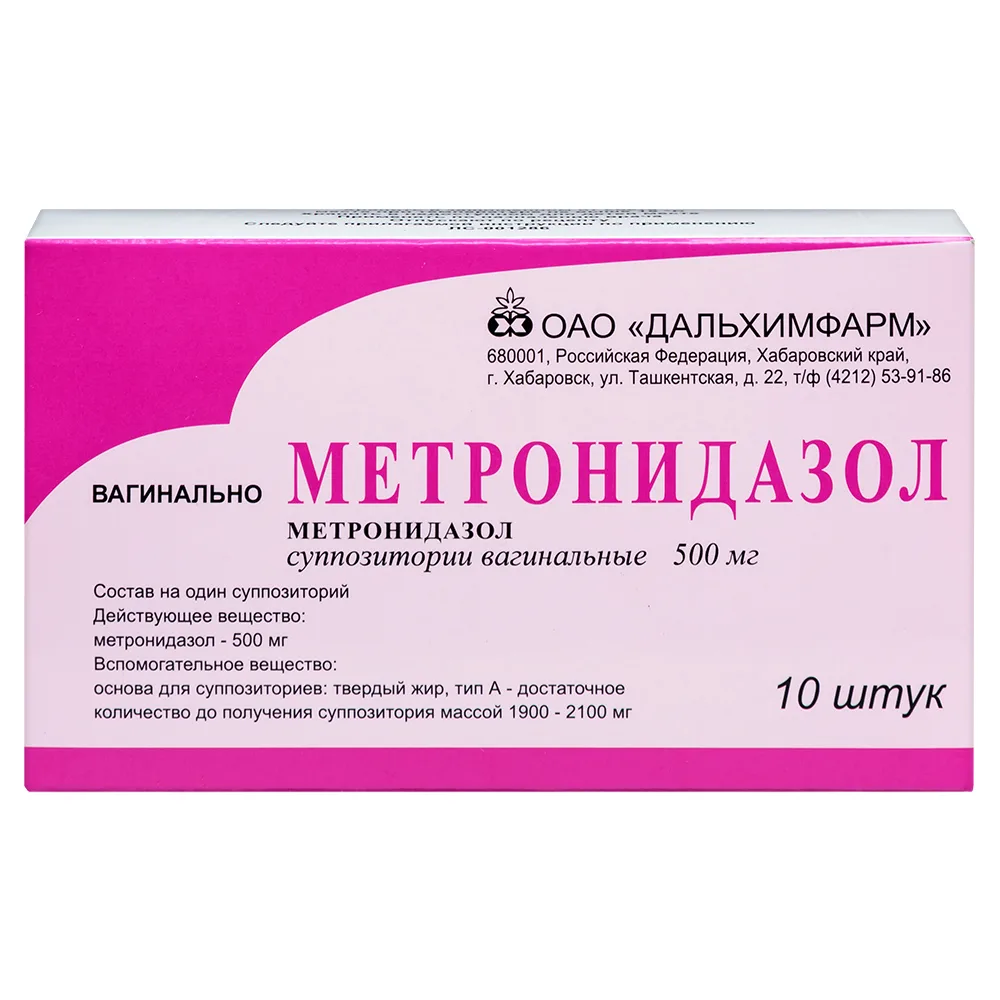
Metronidazole · vaginal suppositories

Metronidazole · vaginal suppositories
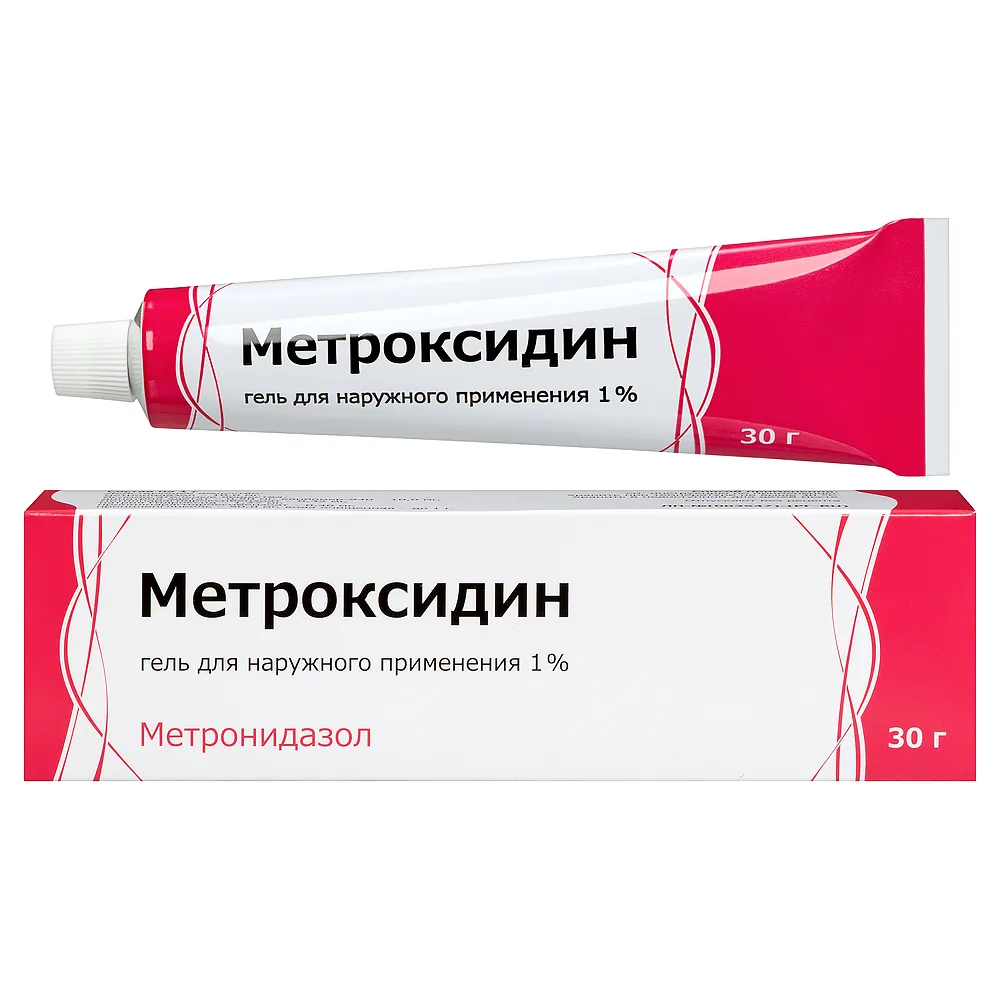
Metronidazole · ointment for external use