01
Sourced
A licensed Russian pharmacy buys it for you.
No grey-market middlemen, no warehouses we can't audit. Retail purchase, on demand, against your order.

 tablets
Betahistine
SKU 117686
Same active ingredient
Other products with Betahistine
All packagings
Selected · this page
24 30
$7.09
Choose another
5 options
Tap any option to switch the active packaging — adding to cart applies to whatever is currently selected above.
Manufacturer leaflet
Facts from the printed manufacturer leaflet. Sections vary by drug — we only show what's actually in the box.
Indications
Treatment of Meniere's syndrome, characterized by dizziness (accompanied by nausea and vomiting), hearing loss, and tinnitus.
Symptomatic treatment of vestibular vertigo.
Лечение синдрома Меньера, характеризующегося головокружением (сопровождающимся тошнотой и рвотой), снижением слуха и шумом в ушах.
Симптоматическое лечение вестибулярного головокружения (вертиго).
Method of administration and doses
Take orally, during meals, 1 tablet 2 times a day.
The course of treatment is determined individually. Treatment is prolonged.
Dose adjustment is not required for elderly patients, as well as for patients with liver and/or kidney insufficiency.
Improvement is sometimes observed after a few weeks of treatment; the best results are sometimes achieved after several months of treatment.
Внутрь, во время еды по 1 таблетке 2 раза в день.
Курс лечения определяется индивидуально. Лечение длительное.
Не требуется коррекции дозы у пациентов пожилого возраста, а также у пациентов с печеночной и/или почечной недостаточностью.
Улучшение иногда наблюдается через несколько недель лечения; наилучшие результаты иногда достигаются после нескольких месяцев лечения.
Section: Composition
1 tablet contains:
active ingredient: betahistine dihydrochloride 24 mg;
excipients: copovidone 15.6 mg; lactose monohydrate 124.8 mg; magnesium stearate 3 mg; microcrystalline cellulose 192.6 mg.
Description of the dosage form
Tablets of almost white or white with a creamy tint color, round, flat-cylindrical with a bevel and score line. Slight marbling is allowed.
1 таблетка содержит:
активное вещество: бетагистина дигидрохлорид 24 мг;
вспомогательные вещества: коповидон 15,6 мг; лактозы моногидрат 124,8 мг; магния стеарат 3 мг; целлюлоза микрокристаллическая 192,6 мг.
Таблетки почти белого или белого с кремоватым оттенком цвета, круглые, плоскоцилиндрические с фаской и риской. Допускается незначительная мраморность.
• Hypersensitivity to betahistine or to any of the components of the drug;
• lactase deficiency, lactose intolerance, glucose-galactose malabsorption;
• pheochromocytoma;
• pregnancy;
• breastfeeding period;
• age under 18 years (efficacy and safety not established).
With caution:
Peptic ulcer disease or duodenal ulcer (in history), bronchial asthma, patients with arterial hypotension.
Pregnancy and lactation:
The use of betahistine during pregnancy and breastfeeding is contraindicated due to the lack of sufficient data on its safety during pregnancy and breastfeeding. It is unknown whether betahistine is excreted in breast milk; if the use of the drug is necessary during breastfeeding, breastfeeding should be discontinued.
Special instructions
The therapeutic effect in some cases increases over several months from the start of treatment. Improvement is sometimes observed after a few weeks of treatment; the best results are sometimes achieved after several months of treatment. In patients with a history of peptic ulcer disease or duodenal ulcer, bronchial asthma, or arterial hypotension, the drug should be used with caution and under the supervision of a physician. The effect of the drug on the ability to drive vehicles and operate machinery: Betahistine is indicated for the treatment of Meniere's syndrome, which is characterized by a triad of main symptoms: dizziness, hearing loss, and tinnitus, as well as for the symptomatic treatment of vestibular vertigo. Both conditions can negatively affect the ability to drive a car and work with machinery. Clinical studies have shown that the effect of betahistine on the ability to drive vehicles and operate machinery is absent or negligible.
• Повышенная чувствительность к бетагистина или к любому из компонентов препарата;
• дефицит лактазы, непереносимость лактозы, глюкозо-галактозная мальабсорбция;
• феохромоцитома;
• беременность;
• период грудного вскармливания;
• возраст до 18 лет (эффективность и безопасность не установлены).
С осторожностью:
Язвенная болезнь желудка или 12-перстной кишки (в анамнезе), бронхиальная астма, пациенты с артериальной гипотензией.
Беременность и лактация:
Прием бетагистина при беременности и в период грудного вскармливания противопоказан из-за отсутствия достаточного количества данных о его безопасности во время беременности и в период грудного вскармливания. Неизвестно, выделяется ли бетагистин с грудным молоком; если прием препарата необходим в период грудного вскармливания, кормление грудью необходимо прекратить.
Терапевтический эффект в ряде случаев нарастает в течение нескольких месяцев от начала лечения.
Улучшение иногда наблюдается через несколько недель лечения; наилучшие результаты иногда достигаются после нескольких месяцев лечения.
У пациентов с язвенной болезнью желудка или 12-перстной кишки (в анамнезе), бронхиальной астмой, артериальной гипотензией препарат следует применять с осторожностью и под контролем лечащего врача.
Влияние препарата на способность к управлению транспортными средствами и механизмами:
Бетагистин показан для лечения синдрома Меньера, который характеризуется триадой основных симптомов: головокружением, снижением слуха, шумом в ушах, а также для симптоматического лечения вестибулярного головокружения. Оба состояния могут негативно влиять на способность управлять автомобилем и работать с механизмами. По результатам клинических исследований доказано, что влияние бетагистина на способность управлять транспортными средствами и работать с механизмами отсутствует или незначительно.
Section: Side Effects
Classification of the frequency of side effects according to the recommendations of the World Health Organization: very common (≥1/10), common (from ≥1/100 to
Section: Overdose
Symptoms: nausea, abdominal pain, drowsiness (when taken at a dose up to 640 mg), seizures, cardiopulmonary complications (when taken at a dose greater than 640 mg or in combination with other medications).
Treatment: gastric lavage, administration of activated charcoal, symptomatic therapy.
Interaction
In vivo studies aimed at investigating interactions with other drugs have not been conducted. Based on in vitro data, it can be assumed that there is no inhibition of cytochrome P450 isoenzyme activity in vivo.
In vitro data showed inhibition of betahistine metabolism by drugs that inhibit monoamine oxidase (MAO), including MAO subtype B (e.g., selegiline). Caution should be exercised when co-administering betahistine and MAO inhibitors (including MAO-B).
Betahistine is a histamine analog, and the interaction of betahistine with H1-histamine receptor blockers may theoretically affect the efficacy of one of these drugs.
Классификация частоты развития побочных эффектов согласно рекомендациям Всемирной Организации Здравоохранения: очень часто (?1/10), часто (от ?1/100 до
Симптомы: тошнота, абдоминальная боль, сонливость (при приеме в дозе до 640 мг), судороги, сердечно-легочные осложнения (при приеме в дозе более 640 мг или в сочетании с другими лекарственными препаратами).
Лечение: промывание желудка, прием активированного угля, симптоматическая терапия.
Исследования in vivo, направленные на изучение взаимодействия с другими лекарственными препаратами, не проводились. Основываясь на данных in vitro, можно предположить отсутствие ингибирования активности изоферментов цитохрома Р450 in vivo.
Данные in vitro показали ингибирование метаболизма бетагистина под действием препаратов, которые ингибируют моноаминоксидазу (МАО), включая МАО подтипа В (например, селегинин). Следует соблюдать осторожность при одновременном назначении бетагистина и ингибиторов МАО (включая МАО-В).
Бетагистин является аналогом гистамина, взаимодействие бетагистина с блокаторами H1-гистаминовых рецепторов теоретически может влиять на эффективность одного из этих лекарственных средств.
Section: Pharmacodynamics
The mechanism of action of betahistine is only partially understood. There are several possible hypotheses supported by preclinical and clinical data:
Effect on the histaminergic system. A partial agonist of H1-histamine and antagonist of H3-histamine receptors in the vestibular nuclei of the central nervous system, it has minor activity against H2-histamine receptors. Betahistine increases histamine turnover and its release by blocking presynaptic H3-histamine receptors and reducing the number of H3-histamine receptors.
Enhancement of blood flow to the cochlear area, as well as to the entire brain. According to preclinical studies, betahistine improves circulation in the vascular strip of the inner ear by relaxing precapillary sphincters of the inner ear vessels. It has also been shown that betahistine enhances cerebral blood flow in humans.
Facilitation of the central vestibular compensation process. Betahistine accelerates the recovery of vestibular function in animals after unilateral vestibular neurectomy, speeding up and facilitating neutral vestibular compensation through antagonism with H3-histamine receptors. The recovery time after vestibular neurectomy in humans is also reduced with betahistine treatment.
Excitation of neurons in the vestibular nuclei. It dose-dependently reduces the generation of action potentials in neurons of the lateral and medial vestibular nuclei. The pharmacological properties observed in animals provide a positive therapeutic effect of betahistine in the vestibular system. The effectiveness of betahistine has been demonstrated in patients with vestibular vertigo and Meniere's syndrome, manifested by a decrease in the severity and frequency of vertigo.
Pharmacokinetics
Absorption
When taken orally, betahistine is rapidly and almost completely absorbed in the gastrointestinal tract. After absorption, the drug is quickly and almost completely metabolized to form the metabolite 2-pyridylacetic acid. The concentration of betahistine in the plasma is very low. Thus, pharmacokinetic analyses are based on measuring the concentration of the metabolite 2-pyridylacetic acid in plasma and urine. When the drug is taken with food, the maximum concentration Cmax of the drug in the blood is lower than when taken on an empty stomach. However, the total absorption of betahistine is the same in both cases, indicating that food intake only slows down the absorption of betahistine.
Distribution
The binding of betahistine to plasma proteins is less than 5%.
Biotransformation
After absorption, betahistine is rapidly and almost completely metabolized to form the metabolite 2-pyridylacetic acid (which has no pharmacological activity). The maximum concentration of 2-pyridylacetic acid in the plasma (or urine) is reached one hour after administration. The half-life is approximately 3.5 hours.
Excretion
2-pyridylacetic acid is rapidly excreted in the urine. When the drug is taken at a dose of 8-48 mg, about 85% of the initial dose is found in the urine. The excretion of betahistine through the kidneys or intestines is negligible.
Linearity
The rate of excretion remains constant with oral administration of 8-48 mg of the drug, indicating the linearity of betahistine pharmacokinetics, and suggesting that the metabolic pathway involved remains unsaturated.
Механизм действия бетагистина известен только частично. Существует несколько возможных гипотез, подтвержденных доклиническими и клиническими данными:
Влияние на гистаминергическую систему. Частичный агонист Н1-гистаминовых и антагонист Н3-гистаминовых рецепторов вестибулярных ядер центральной нервной системы, обладает незначительной активностью в отношении Н2-гистаминовых рецепторов. Бетагистин увеличивает обмен гистамина и его высвобождение путем блокирования пресинаптических Н3-гистаминовых рецепторов и снижения количества Н3-гистаминовых рецепторов.
Усиление кровотока кохлеарной области, а также всего головного мозга. Согласно доклиническим исследованиям, бетагистин улучшает кровообращение в сосудистой полоске внутреннего уха за счет расслабления прекапиллярных сфинктеров сосудов внутреннего уха. Также показано, что бетагистин усиливает мозговой кровоток у человека.
Облегчение процесса центральной вестибулярной компенсации. Бетагистин ускоряет восстановление вестибулярной функции у животных после односторонней вестибулярной нейрэктомии, ускоряя и облегчая нейтральную вестибулярную компенсацию за счет антагонизма с Н3-гистаминовыми рецепторами. Время восстановления после вестибулярной нейрэктомии у человека при лечении бетагистином также уменьшается.
Возбуждение нейронов в вестибулярных ядрах. Дозозависимо снижает генерацию потенциалов действия в нейронах латеральных и медиальных вестибулярных ядер. Фармакологические свойства, выявленные на животных, обеспечивают положительный терапевтический эффект бетагистина в вестибулярной системе. Эффективность бетагистина была продемонстрирована у пациентов с вестибулярным головокружением и синдромом Меньера, что проявлялось уменьшением выраженности и частоты головокружений.
Всасывание
При пероральном приеме бетагистин быстро и практически полностью всасывается в желудочно-кишечном тракте. После всасывания препарат быстро и почти полностью метаболизируется с образованием метаболита 2-пиридилуксусной кислоты. Концентрация бетагистина в плазме крови очень низкая. Таким образом, фармакокинетические анализы основаны на измерении концентрации метаболита 2-пиридилуксусиой кислоты в плазме и моче. При приеме препарата с пищей максимальная концентрация Сmах препарата в крови ниже, чем при приеме натощак. Однако суммарная абсорбция бетагистина одинакова в обоих случаях, что указывает на то, что прием пищи лишь замедляет всасывание бетагистина.
Распределение
Связывание бетагистина с белками плазмы крови составляет менее 5%.
Биотрансформация
После всасывания бетагистин быстро и почти полностью метаболизируется с образованием метаболита 2-пиридилуксусной кислоты (который не обладает фармакологической активностью). Максимальная концентрация 2-пиридилуксусной кислоты в плазме крови (или моче) достигается через час после приема. Период полувыведения приблизительно 3,5 часа.
Выведение
2-пиридилуксусная кислота быстро выводится с мочой. При приеме препарата в дозе 8-48 мг около 85% начальной дозы обнаруживается в моче. Выведение бетагистина почками или через кишечник незначительно.
Линейность
Скорость выведения остается постоянной при пероральном приеме 8-48 мг препарата, указывая на линейность фармакокинетики бетагистина, и позволяет предположить, что задействованный метаболический путь остается ненасыщенным.
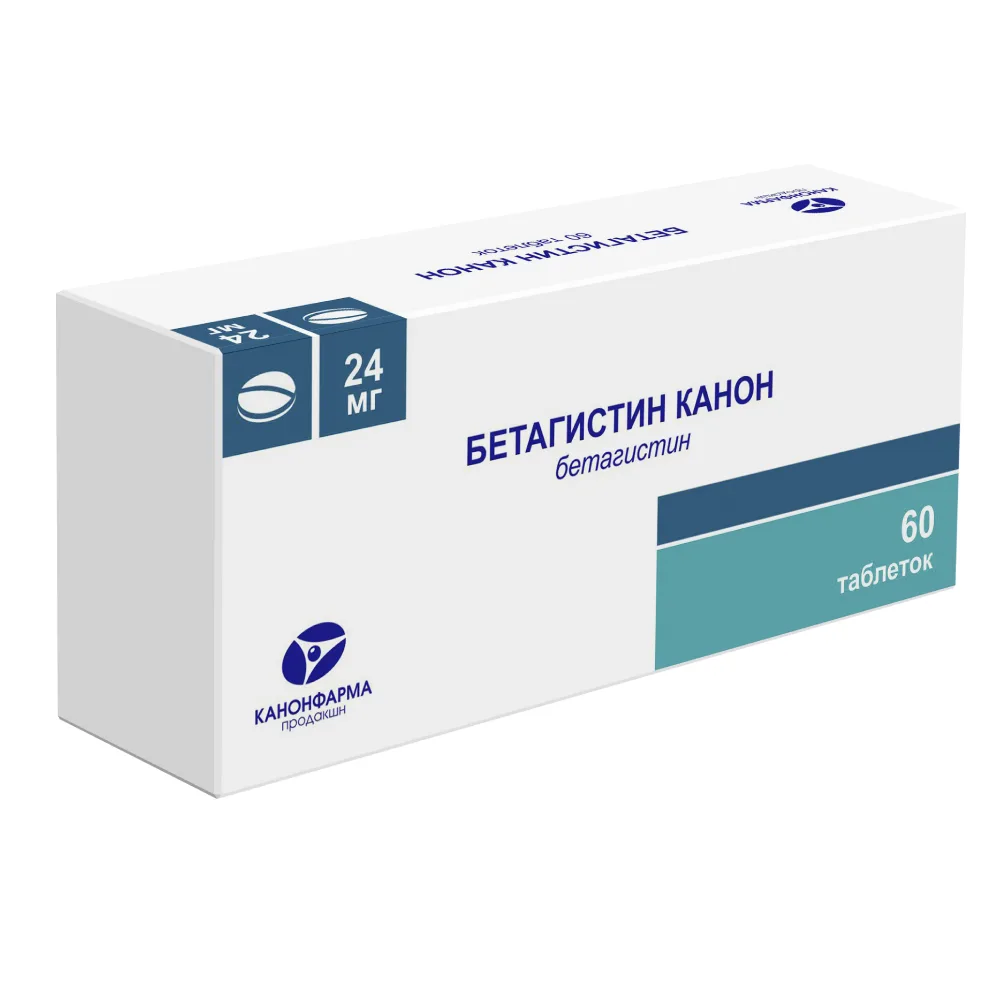
RU name Бетагистин Канон 24 мг 30 шт. таблетки
How we fulfill
Three checkpoints between the pharmacy shelf and your door. You see every one.
01
No grey-market middlemen, no warehouses we can't audit. Retail purchase, on demand, against your order.
02
A photo of your actual parcel in its original retail packaging lands in your inbox before it ships. Like this →
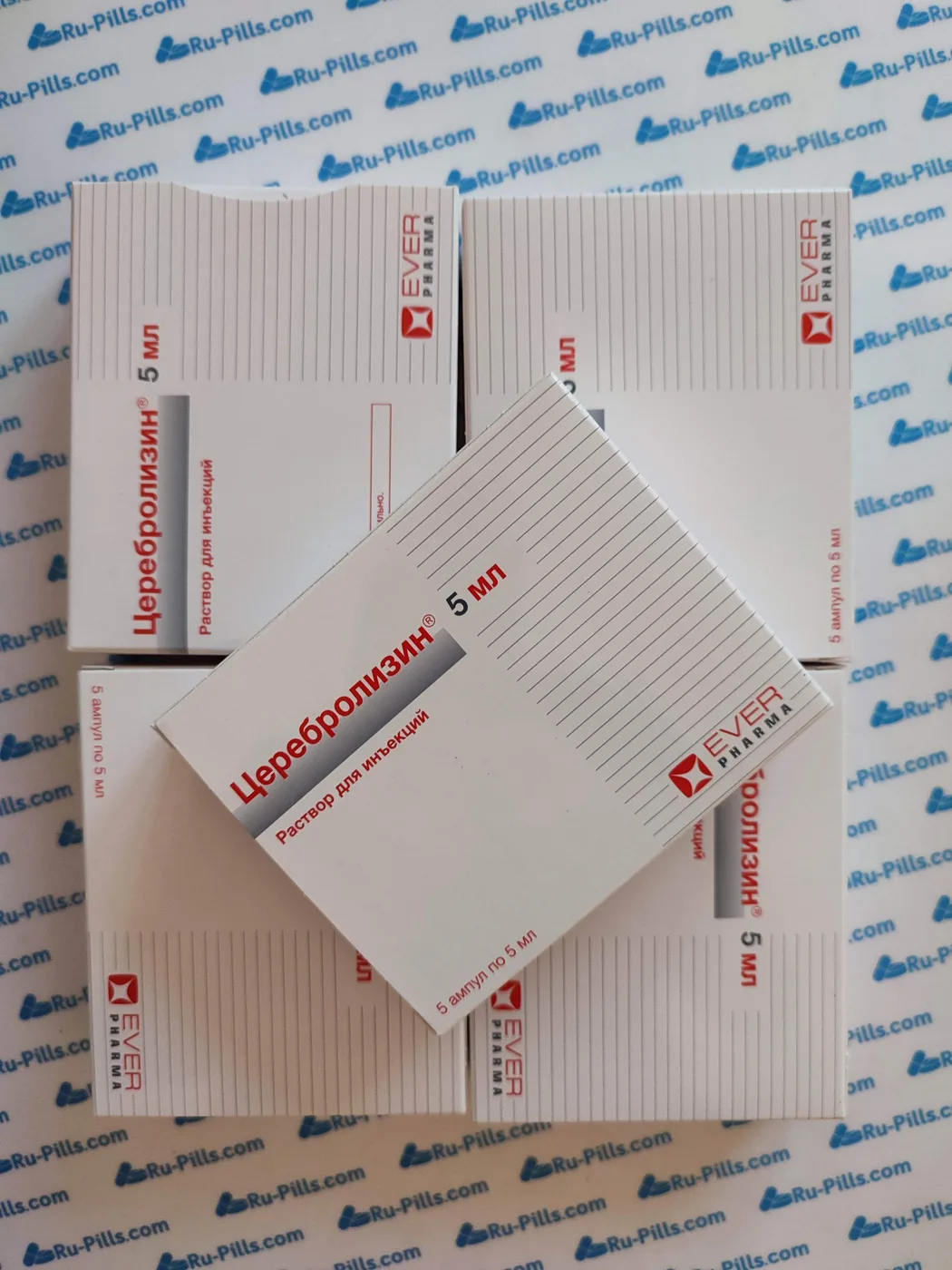 Real customer parcel
03
To 120+ countries. Most parcels arrive in 7–18 days.
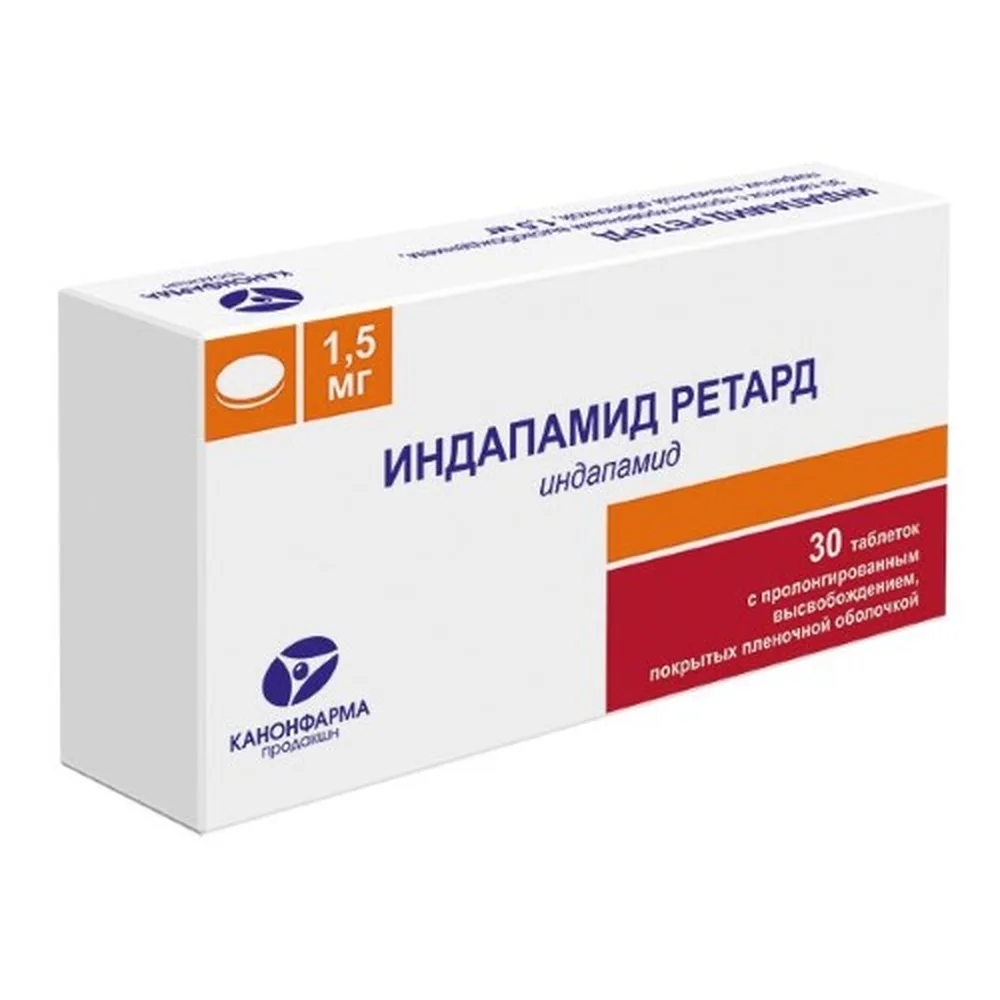
Indapamide · film-coated prolonged-release tablets
Bicalutamide · film-coated tablets

Tolperisone · film-coated tablets