01
Sourced
A licensed Russian pharmacy buys it for you.
No grey-market middlemen, no warehouses we can't audit. Retail purchase, on demand, against your order.

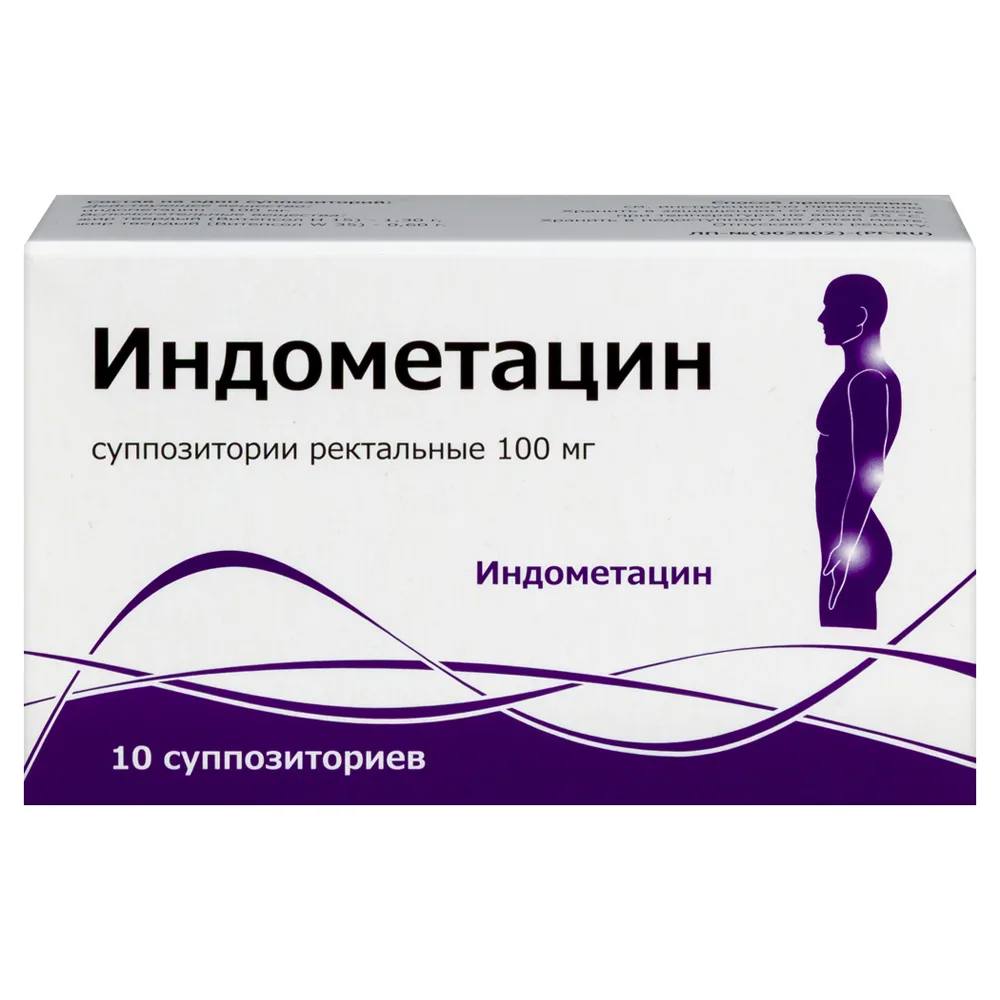 rectal suppositories
Indomethacin
SKU 80790
Sign in via Telegram or email — we'll ping you the moment this exact item is back in stock.
One email per restock event.
Same active ingredient
Other products with Indomethacin
All packagings
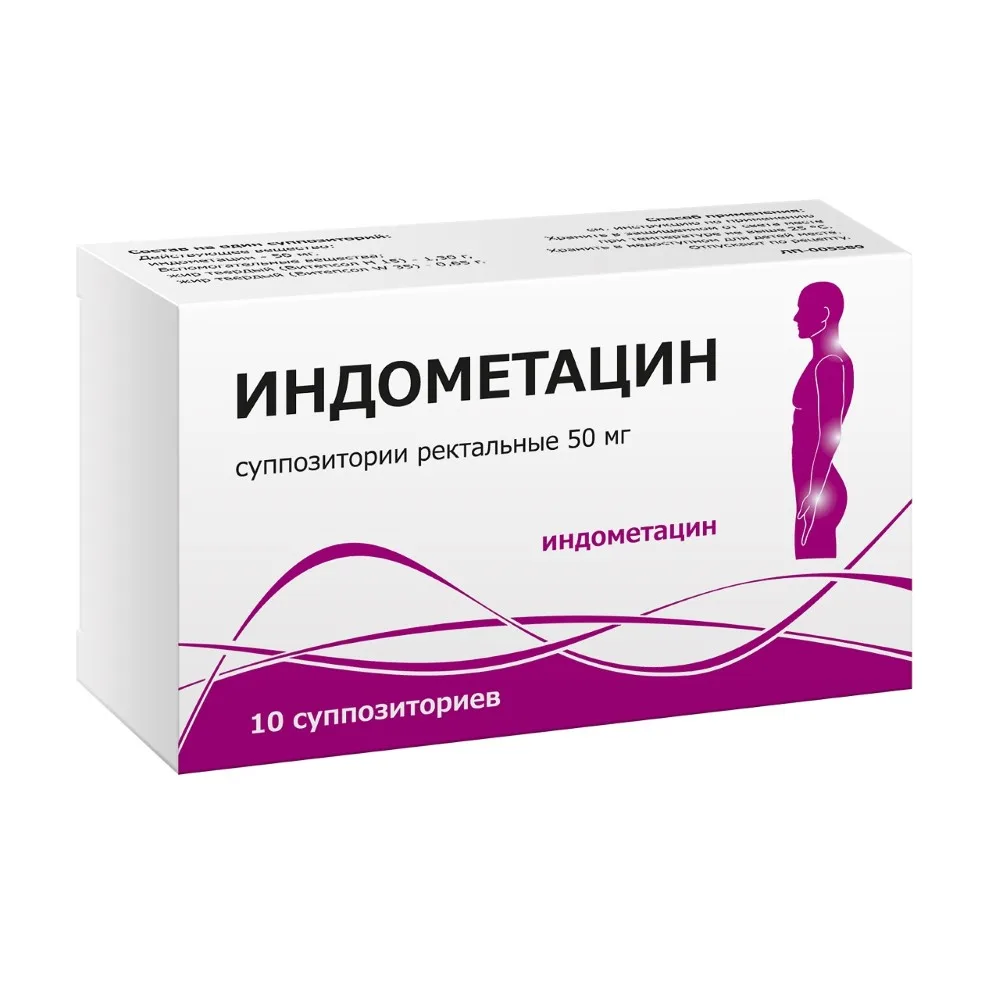
Option 1 of 2
Price
$9.48
Out
Selected · out of stock
Price
$0.99
Manufacturer leaflet
Facts from the printed manufacturer leaflet. Sections vary by drug — we only show what's actually in the box.
• Acute and chronic pain in inflammatory and degenerative diseases of the musculoskeletal system: rheumatoid arthritis; juvenile chronic arthritis; ankylosing spondylitis (Bechterew's disease); gouty arthritis; psoriatic arthritis; Reiter's disease;
• Rheumatic lesions of soft tissues: tendinitis, bursitis, tendobursitis, tenosynovitis;
• Discopathies, neuritis, plexitis, radiculoneuritis;
• Dysmenorrhea. The medication is intended for symptomatic therapy, reducing pain and inflammation at the time of use, and does not affect the progression of the disease.
• Острые и хронические боли при воспалительных и дегенеративных заболеваний опорно-двигательного аппарата: ревматоидный артрит; ювенильный хронический артрит; анкилозирующий спондилит (болезнь Бехтерева); подагрический артрит; псориатический артрит; болезнь Рейтера;
• Ревматические поражения мягких тканей: тендиниты, бурситы, тендобурситы, тендовагиниты;
• Дископатии, невриты, плекситы, радикулоневриты;
• Дисменорея.
Препарат предназначен для симптоматической терапии, уменьшения боли и воспаления на момент использования, на прогрессирование заболевания не влияет.
Rectally.
Adults and children over 15 years: suppositories of 50 mg twice a day or 100 mg once a day.
Maximum daily dose - 200 mg.
A dose above 150-200 mg increases the risk of side effects. Duration of treatment: no more than 7 days.
Side effects can be minimized by using the lowest effective dose for the shortest possible duration.
Ректально.
Взрослые и дети старше 15 лет: суппозитории по 50 мг два раза в сутки или 100 мг один раз в сутки.
Максимальная суточная доза - 200 мг.
Доза выше 150-200 мг увеличивает риск появления побочных действий. Продолжительность лечения: не больше 7 дней.
Побочные действия можно уменьшить, используя минимальную эффективную дозу на возможно более короткий период времени.
Per suppository:
Active ingredient: indomethacin - 100 mg
Excipients: solid fat (Vitepsol N 15) - 1.30 g; solid fat (Vitepsol W 35) - 0.60 g
Torpedo-shaped suppositories with a smooth surface, ranging from white to light yellow in color, odorless. The cut surface should be smooth and homogeneous.
На один суппозиторий:
Действующее вещество: индометацин - 100 мг
Вспомогательные вещества: жир твердый (Витепсол Н 15) - 1,30 г, жир твердый (Витепсол W 35) - 0,60 г
Суппозитории торпедообразной формы с гладкой поверхностью от белого до светло-желтого цвета, без запаха. Поверхность среза должна быть гладкой и однородной.
• Hypersensitivity to indomethacin or any of the excipients of the product;
• Complete or incomplete combination of bronchial asthma, recurrent nasal and paranasal sinus polyps, and intolerance to acetylsalicylic acid or other non-steroidal anti-inflammatory drugs (including in history), urticaria, or rhinitis;
• Peptic ulcer disease of the stomach and duodenum, inflammatory bowel diseases (ulcerative colitis, Crohn's disease), bleeding (including intracranial, from the gastrointestinal tract);
• Congenital heart defects (severe coarctation of the aorta, pulmonary artery atresia, severe tetralogy of Fallot), post-aortocoronary bypass period;
• Severe heart failure;
• Renal failure (creatinine clearance less than 30 ml/min), active liver disease;
• Liver failure;
• Coagulation disorders (including hemophilia, prolonged bleeding time, tendency to bleed);
• Hematopoietic disorders (leukopenia, anemia);
• Confirmed hyperkalemia;
• Pregnancy and breastfeeding;
• Pediatric age (under 15 years).
With caution:
Ischemic heart disease, cerebrovascular diseases, chronic heart failure, dyslipidemia, hyperlipidemia, diabetes mellitus, thrombocytopenia, peripheral artery diseases, arterial hypertension, smoking, chronic renal failure (creatinine clearance 36-60 ml/min), liver cirrhosis with portal hypertension, hyperbilirubinemia, history of gastrointestinal ulceration, presence of Helicobacter pylori infection, prolonged use of NSAIDs, frequent alcohol consumption, severe somatic diseases, concomitant therapy with the following drugs: anticoagulants (including warfarin), antiplatelet agents (including acetylsalicylic acid, clopidogrel), oral glucocorticoids (including prednisolone), selective serotonin reuptake inhibitors (including citalopram, fluoxetine, paroxetine, sertraline); mental disorders, epilepsy, parkinsonism, depression, elderly age.
Use during pregnancy and breastfeeding:
Pregnancy
Indomethacin is not used during pregnancy.
Breastfeeding
Indomethacin is excreted in breast milk. If treatment with the drug is necessary, breastfeeding should be discontinued.
During treatment, it is necessary to monitor the peripheral blood picture and the functional state of the liver and kidneys. If 17-ketosteroids need to be determined, the drug should be discontinued 48 hours prior to the study.
To prevent and reduce dyspeptic phenomena, antacid medications should be used.
The drug should not be used simultaneously with other NSAIDs.
The drug may alter platelet properties; however, it does not replace the prophylactic action of acetylsalicylic acid in cardiovascular diseases.
The use of the drug may negatively affect female fertility and is not recommended for women planning pregnancy.
Effects on the ability to drive vehicles and operate machinery:
During treatment with indomethacin, it is necessary to refrain from driving motor vehicles and engaging in potentially dangerous activities that require increased attention and quick psychomotor reactions.
• Гиперчувствительность к индометацину или любому из вспомогательных веществ препарата;
• Полное или неполное сочетание бронхиальной астмы, рецидивирующего полипоза носа и околоносовых пазух и непереносимости ацетилсалициловой кислоты или др. нестероидных противовоспалительных препаратов (в т.ч. в анамнезе), крапивницы или ринита;
• Язвенная болезнь желудка и 12-перстной кишки, воспалительные заболевания кишечника (язвенный колит, болезнь Крона), кровотечения (в т.ч. внутричерепное, из органов желудочно-кишечного тракта (ЖКТ);
• Врожденные пороки сердца (тяжелая коарктация аорты, атрезия легочной артерии, тяжелая тетрада Фалло), период после аортокоронарного шунтирования;
• Тяжелая сердечная недостаточность;
• Почечная недостаточность (КК менее 30 мл/мин), активное заболевание печени;
• Печеночная недостаточность;
• Нарушение свертываемости крови (в т.ч. гемофилия, удлинение времени кровотечения, склонность к кровотечениям);
• Нарушение кроветворения (лейкопения, анемия);
• Подтвержденная гиперкалиемия;
• Беременность и грудное вскармливание;
• Детский возраст (до 15 лет).
С осторожностью:
Ишемическая болезнь сердца, цереброваскулярные заболевания, хроническая сердечная недостаточность, дислипидемия, гиперлипидемия, сахарный диабет, тромбоцитопения, заболевания периферических артерий, артериальная гипертензия, курение, хроническая почечная недостаточность (КК 36-60 мл/мин), цирроз печени с портальной гипертензией, гипербилирубинемия, язвенное поражение ЖКТ в анамнезе, наличие инфекции Helicobacter pylori, длительное использование НПВП, частое употребление алкоголя, тяжелые соматические заболевания, сопутствующая терапия следующими препаратами: антикоагулянты (в т.ч. варфарин), антиагреганты (в т.ч. ацетилсалициловая кислота, клопидогрел), пероральные глюкокортикостероиды (в т.ч. преднизолон), селективные ингибиторы обратного захвата серотонина (в т.ч. циталопрам, флуоксетин, пароксетин, сертралин); психические расстройства, эпилепсия, паркинсонизм, депрессия, пожилой возраст.
Применение при беременности и в период грудного вскармливания:
Беременность
Индометацин не применяется во время беременности.
Грудное вскармливание
Индометацин выделяется с грудным молоком. При необходимости лечения препаратом, грудное вскармливание необходимо прекратить.
Во время лечения необходим контроль картины периферической крови и функционального состояния печени и почек. При необходимости определения 17- кетостероидов препарат следует отменить за 48 ч. до исследования.
Для предупреждения и уменьшения диспепсических явлений следует использовать антацидные лекарственные средства.
Не следует применять препарат одновременно с другими НПВП.
Препарат может изменять свойства тромбоцитов, однако не заменяет профилактического действия ацетилсалициловой кислоты при сердечно-сосудистых заболеваниях.
Применение препарата может отрицательно влиять на женскую фертильность и не рекомендуется женщинам, планирующим беременность.
Влияние на способность управлять транспортными средствами и другими механизмами:
В период лечения индометацином необходимо воздерживаться от управления автотранспортом и занятий потенциально опасными видами деятельности, требующими повышенной концентрации внимания и быстроты психомоторных реакций.
Gastrointestinal system: NSAID-induced gastropathy, nausea, heartburn, decreased appetite, abdominal pain, bleeding and ulcers, vomiting (including bloody), diarrhea, constipation, melena, ulcerative stomatitis, increased activity of liver transaminases (ALT, AST), transient increase in bilirubin; rarely toxic hepatitis with or without jaundice; very rarely - fulminant hepatitis. With prolonged use in high doses - ulceration of the gastrointestinal mucosa.
Nervous system: headache, dizziness, insomnia, psychomotor agitation, irritability, excessive fatigue, drowsiness, depression, peripheral neuropathy.
Sensory organs: diplopia, blurred vision, hearing loss, tinnitus, taste disturbance, corneal opacity, conjunctivitis.
Cardiovascular system: tachyarrhythmia, edema syndrome, increased blood pressure, development (worsening) of chronic heart failure.
Urinary system: impaired kidney function, nephrotoxic syndrome, proteinuria, hematuria, interstitial nephritis, papillary necrosis.
Hematopoietic and hemostatic systems: bleeding (gastrointestinal, gingival, uterine, hemorrhoidal), leukopenia, thrombocytopenia, agranulocytosis, anemia (including hemolytic and aplastic), eosinophilia, thrombocytopenic purpura.
Allergic reactions: usually skin itching, skin rash; rarely - urticaria, bronchospasm, asthma attacks, angioedema; very rarely - bullous eruptions, skin redness, eczema, exfoliative dermatitis, allergic purpura, Stevens-Johnson syndrome, in rare cases - photosensitivity, toxic epidermal necrolysis (Lyell's syndrome), erythema nodosum, anaphylactic shock.
Laboratory indicators: agranulocytosis, leukopenia, thrombocytopenia, hyperglycemia, glucosuria, hyperkalemia.
Local reactions: irritation, heaviness in the anorectal area, exacerbation of hemorrhoids.
Other: aseptic meningitis (more common in patients with autoimmune diseases), increased sweating, aplastic anemia, autoimmune hemolytic anemia.
Symptoms: nausea, vomiting, severe headache, dizziness, memory impairment, disorientation. In severe cases, paresthesia, numbness of the limbs, seizures.
Treatment: rapid elimination of the drug from the body, symptomatic therapy. Hemodialysis is ineffective.
Increases the plasma concentration of digoxin, methotrexate, and Li+ preparations, which may lead to enhanced toxicity.
Concurrent use with paracetamol increases the risk of nephrotoxic effects.
Ethanol, colchicine, glucocorticoids, and corticotropin increase the risk of gastrointestinal bleeding.
Enhances the hypoglycemic effect of insulin and oral hypoglycemic agents; increases the effect of indirect anticoagulants, antiplatelet agents, thrombolytics (alteplase, streptokinase, and urokinase) - there is a risk of bleeding.
Reduces the effect of diuretics; with the use of potassium-sparing diuretics, the risk of hyperkalemia increases; reduces the effectiveness of uricosuric and antihypertensive agents (including beta-blockers); enhances the side effects of methotrexate, glucocorticoids, and other NSAIDs.
Cyclosporine and gold preparations increase nephrotoxicity (apparently due to the suppression of prostaglandin synthesis in the kidneys).
Cefamandole, cefoperazone, cefotetan, valproic acid, and plicamycin increase the frequency of hypoprothrombinemia and the danger of bleeding.
Antacids and cholestyramine reduce the absorption of indomethacin.
Increases the toxicity of zidovudine (due to the inhibition of metabolism); in newborns, increases the risk of toxic effects of aminoglycosides (as it reduces renal clearance and increases blood concentration).
Myelotoxic drugs enhance the manifestations of the hematotoxicity of the drug.
Со стороны пищеварительной системы - НПВП-гастропатия, тошнота, изжога, снижение аппетита, боль в животе, кровоизлияния и язвы, рвота (в т.ч. и кровавя), диарея, запоры, мелена, язвенный стоматит, повышение активности "печеночных трансаминаз" (АЛТ, АСТ), преходящее повышение билирубина; редко токсический гепатит с или без желтухи; очень редко - фульминантный гепатит. При длительном применении в больших дозах - изъязвление слизистой оболочки желудочно-кишечного тракта.
Со стороны нервной системы - головная боль, головокружение, бессонница, психомоторное возбуждение, раздражительность, чрезмерная утомляемость, сонливость, депрессия, периферическая невропатия.
Со стороны органов чувств - диплопия, нечеткость зрительного восприятия, снижение слуха, шум в ушах, нарушение вкуса, помутнение роговицы, конъюнктивит.
Со стороны сердечно-сосудистой системы - тахиаритмия, отечный синдром, повышение артериального давления, развитие (усугубление) хронической сердечной недостаточности.
Со стороны мочевыделительной системы - нарушение функции почек, нефротоксический синдром, протеинурия, гематурия, интерстициальный нефрит, некроз сосочков.
Со стороны органов кроветворения и системы гемостаза - кровотечения (желудочно-кишечное, десневое, маточное, геморроидальное), лейкопения, тромбоцитопения, агранулоцитоз, анемия (в т.ч. гемолитическая и апластическая), эозинофилия, тромбоцитопеническая пурпура.
Аллергические реакции - обычно зуд кожи, кожная сыпь; редко - крапивница, бронхоспазм, астматические приступы, ангионевротический отек; очень редко - буллезные высыпания, покраснение кожи, экзема, эксфолиативный дерматит, пурпура аллергического типа, синдром Стивенса-Джонсона, в единичных случаях - фотосенсибилизация, токсический эпидермальный некролиз (синдром Лайелла), узловатая эритема, анафилактический шок.
Лабораторный показатели - агранулоцитоз, лейкопения, тромбоцитопения, гипергликемия, глюкозурия, гиперкалиемия.
Местные реакции - раздражение, тяжесть в аноректальной области, обострение геморроя.
Прочие - асептический менингит (чаще у пациентов с аутоиммунными заболеваниями), усиление потоотделения, апластическая анемия, аутоиммунная гемолитическая анемия.
Симптомы: тошнота, рвота, сильная головная боль, головокружение, нарушение памяти, дезориентация. В тяжелых случаях парестезии, онемение конечностей, судороги.
Лечение: быстрое выведение препарата из организма, симптоматическая терапия. Гемодиализ неэффективен.
Повышает концентрацию в плазме дигоксина, метотрексата и препаратов Li+, что может привести к усилению их токсичности.
Совместное использование с парацетамолом повышает риск развития нефротоксичных эффектов.
Этанол, колхицин, глюкокортикостероиды и кортикотропин повышают риск развития кровотечений из ЖКТ.
Усиливает гипогликемическое действие инсулина и пероральных гипогликемических лекарственных средств; усиливает действие непрямых антикоагулянтов, антиагрегантов, тромболитиков (алтеплазы, стрептокиназы и урокиназы) - возникает риск кровотечений.
Снижает эффект диуретиков, на фоне применения калийсберегающих диуретиков возрастает риск гиперкалиемии; снижает эффективность урикозурических и гипотензивных лекарственных средств (в т.ч. бета-адреноблокаторов); усиливает побочные эффекты метотрексата, глюкокортикостероидов, других НПВП.
Циклоспорин и препараты золота повышают нефротоксичность (очевидно за счет подавления синтеза простагландинов в почках).
Цефамандол, цефоперазон, цефотетан, вальпроевая кислота, пликамицин повышают частоту развития гипопротромбинемий и опасность кровотечений.
Антациды и колестирамин снижают абсорбцию индометацина.
Усиливает токсичность зидовудина (за счет ингибирования метаболизма); у новорожденных повышает риск развития токсических эффектов аминогликозидов (т.к. снижает почечный клиренс и повышает концентрацию в крови).
Миелотоксические лекарственные средства усиливают проявления гемотоксичности препарата.
Indomethacin has anti-inflammatory, analgesic, antipyretic, and anti-aggregant effects. It suppresses the activity of inflammatory factors and reduces platelet aggregation.
By inhibiting cyclooxygenase type II, it disrupts the metabolism of arachidonic acid, decreases the levels of prostaglandins both at the site of inflammation and in healthy tissues, and suppresses the exudative and proliferative phases of inflammation.
It eliminates or reduces pain syndromes of both rheumatic and non-rheumatic origin (including joint pain at rest and during movement, reduces morning stiffness and swelling of the joints, and promotes an increase in the range of motion; in inflammatory processes occurring after surgeries and injuries, it quickly alleviates both spontaneous pain and pain during movement, and reduces inflammatory swelling at the site of the wound).
Absorption - rapid. Bioavailability via the rectal route - 80-90%. Plasma protein binding - 90%; half-life - 4.5 hours. Metabolized primarily in the liver; 70% is excreted by the kidneys (30% in unchanged form), 30% through the gastrointestinal tract (GIT). Not removed by dialysis. Passes into breast milk.
Индометацин оказывает противовоспалительное, анальгетическое, жаропонижающее и антиагрегантное действие. Подавляет активность противовоспалительных факторов, снижает агрегацию тромбоцитов.
Угнетая циклооксигеназу II типа, нарушает метаболизм арахидоновой кислоты, уменьшает количество простагландинов как в очаге воспаления, так и в здоровых тканях, подавляет экссудативную и пролиферативную фазы воспаления.
Устраняет или уменьшает болевой синдром ревматического и неревматического характера (в т.ч. при болях в суставах в покое и при движении, уменьшает утреннюю скованность и припухлость суставов, способствует увеличению объема движений; при воспалительных процессах, возникающих после операций и травм, быстро облегчает как спонтанную боль, так и боль при движении, уменьшает воспалительный отек на месте раны).
Абсорбция - быстрая. Биодоступность при ректальном пути введения - 80-90%. Связь с белками плазмы - 90%, период полувыведения - 4,5 ч. Метаболизируется, в основном, в печени, 70% выводится почками (30% в неизмененном виде), 30% - через желудочно-кишечный тракт (ЖКТ). Не удаляется при диализе. Проникает в грудное молоко.
RU name Индометацин 100 мг 10 шт. суппозитории ректальные
How we fulfill
Three checkpoints between the pharmacy shelf and your door. You see every one.
01
No grey-market middlemen, no warehouses we can't audit. Retail purchase, on demand, against your order.
02
A photo of your actual parcel in its original retail packaging lands in your inbox before it ships. Like this →
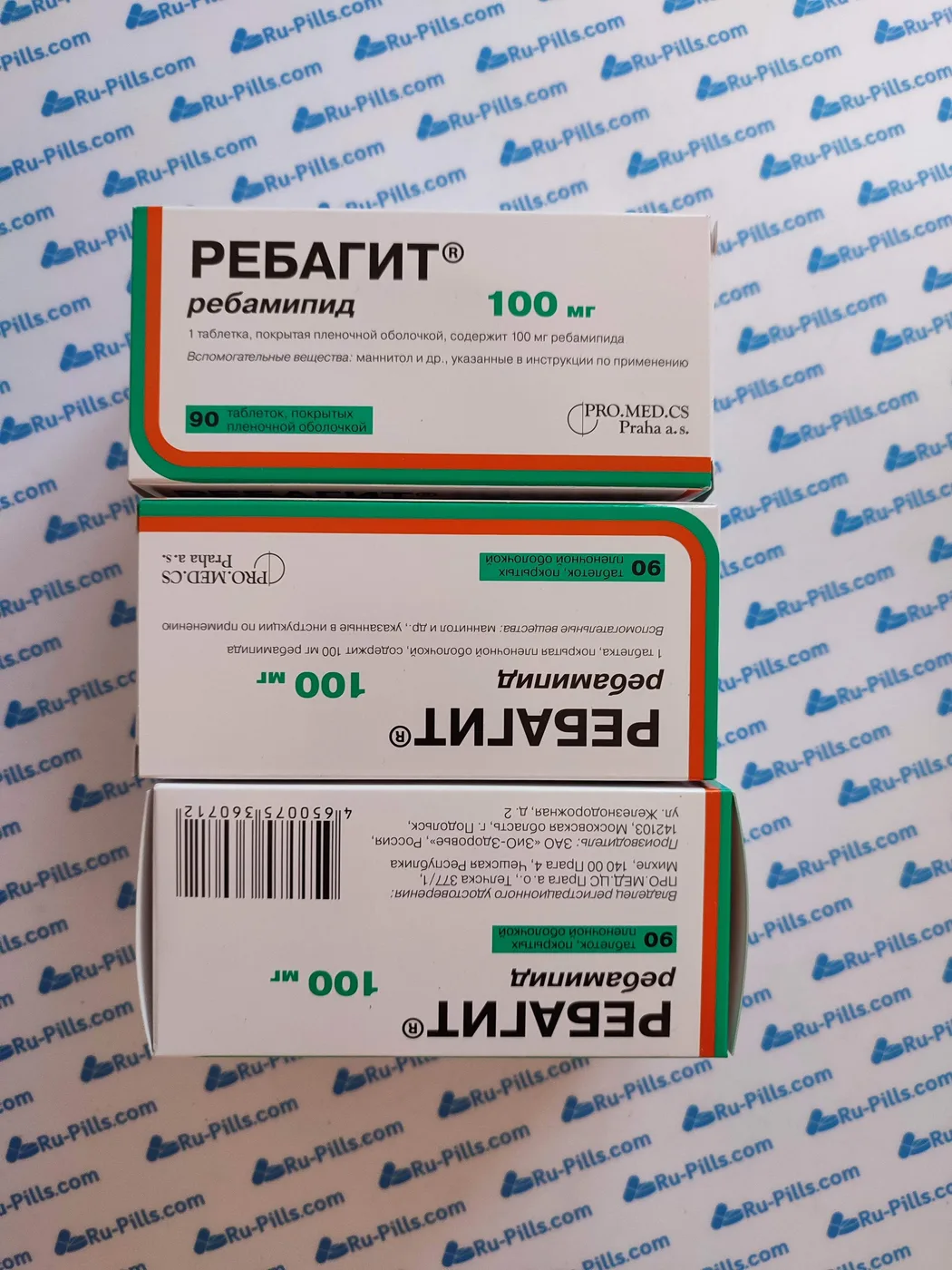 Real customer parcel
03
To 120+ countries. Most parcels arrive in 7–18 days.
Meloxicam · solution for intramuscular administration