01
Sourced
A licensed Russian pharmacy buys it for you.
No grey-market middlemen, no warehouses we can't audit. Retail purchase, on demand, against your order.

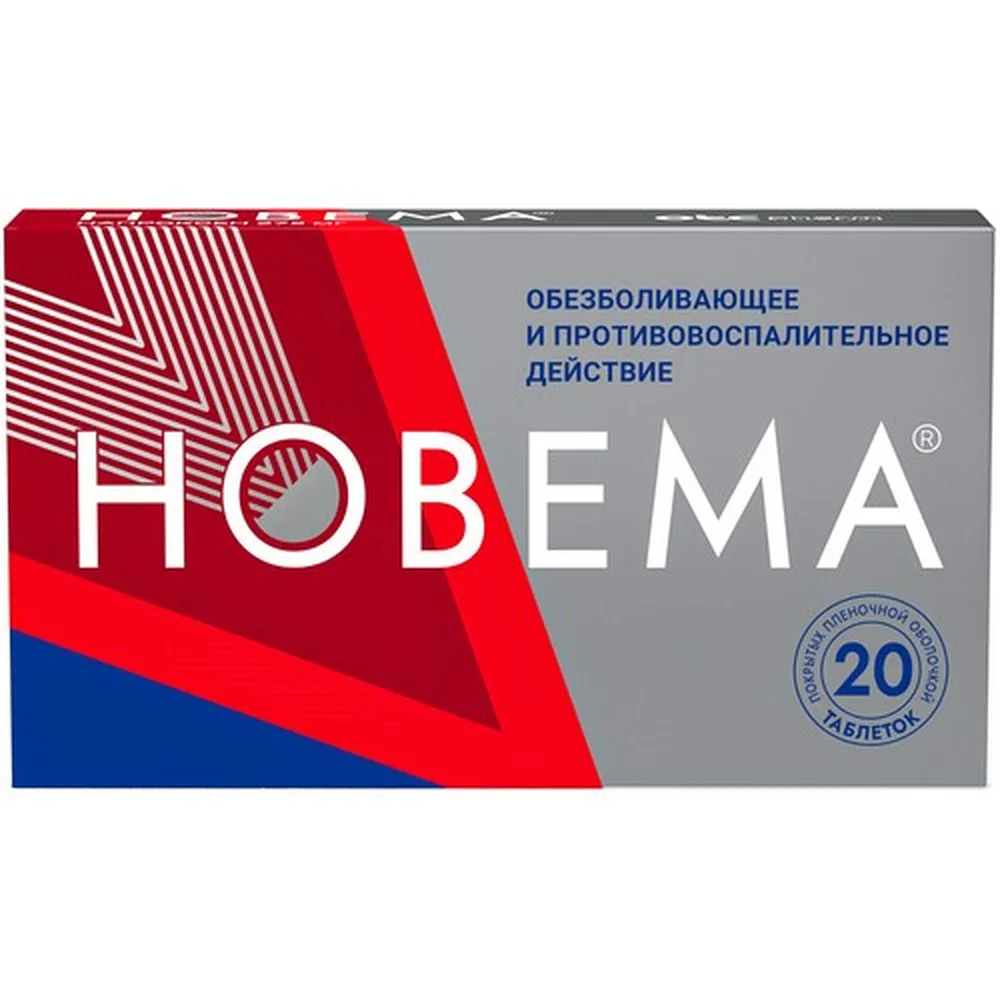 film-coated tablets
Naproxen
film-coated tablets
SKU 91969
Same active ingredient
Other products with Naproxen
Manufacturer leaflet
Facts from the printed manufacturer leaflet. Sections vary by drug — we only show what's actually in the box.
• Diseases of the musculoskeletal system (rheumatic soft tissue damage, osteoarthritis of peripheral joints and spine, including with radicular syndrome, tendovaginitis, bursitis).
• Pain syndrome of mild or moderate severity: neuralgia, ossalgia, myalgia, lumbosciatica, post-traumatic pain syndrome (sprains and bruises) accompanied by inflammation, headache, migraine, algomenorrhea, toothache.
• As part of the complex therapy of infectious-inflammatory diseases of the ear, throat, and nose with pronounced pain syndrome (pharyngitis, tonsillitis, otitis media).
• Febrile syndrome in "cold" and infectious diseases.
The drug NOVEMA is used for symptomatic therapy (to reduce pain, inflammation, and lower elevated body temperature) and does not affect the progression of the underlying disease.
• Заболевания опорно-двигательного аппарата (ревматическое поражение мягких тканей, остеоартроз периферических суставов и позвоночника, в том числе с радикулярным синдромом, тендовагинит, бурсит).
• Болевой синдром слабой или умеренной степени выраженности: невралгия, оссалгия, миалгия, люмбоишиалгия, посттравматический болевой синдром (растяжения и ушибы), сопровождающийся воспалением, головная боль, мигрень, альгодисменорея, зубная боль.
• В составе комплексной терапии инфекционно-воспалительных заболеваний уха, горла, носа с выраженным болевым синдромом (фарингит, тонзиллит, отит).
• Лихорадочный синдром при «простудных» и инфекционных заболеваниях.
Препарат НОВЕМА применяется для симптоматической терапии (для уменьшения боли, воспаления и снижения повышенной температуры тела) и на прогрессирование основного заболевания не влияет.
For oral use. The tablets should be taken with a sufficient amount of water.
Recommended therapy regimen
Adults, children aged 15 years and older
The usual daily dose for pain relief is 2-3 tablets (550-825 mg). The maximum daily dose is 3 tablets (825 mg). Duration of use should not exceed 5 days.
When using NOVEMA as an antipyretic, the initial dose is 2 tablets, followed by 1 tablet (275 mg) every 8 hours.
To prevent and treat migraine attacks, the initial recommended dose is 2 tablets (550 mg); if necessary, 1 tablet (275 mg) can be taken every 8-12 hours. The maximum daily dose is 3 tablets (825 mg).
For relief of menstrual pain and cramps, pain after the insertion of intrauterine devices (IUDs), and other gynecological pain, it is recommended to start with an initial dose of 2 tablets (550 mg), followed by 1 tablet (275 mg) every 8 hours.
Children
NOVEMA is contraindicated for use in children under 15 years of age.
Elderly patients (≥ 65 years)
Patients over 65 years should take the medication as needed every 12 hours.
To reduce the risk of gastrointestinal side effects, the medication should be taken at the minimum effective dose for the shortest possible duration. If you feel that the effect of the medication is too strong or too weak, inform your healthcare provider or pharmacist.
Внутрь. Таблетки следует принимать с достаточным количеством воды.
Рекомендуемая схема терапии
Взрослые, дети от 15 лет и старше
Обычно суточная доза, применяемая для облегчения боли, составляет 2-3 таблетки (550- 825 мг). Максимальная суточная доза - 3 таблетки (825 мг). Длительность применения - не более 5 дней.
При применении препарата НОВЕМА в качестве жаропонижающего средства начальная доза составляет 2 таблетки, далее принимается по 1 таблетке (275 мг) каждые 8 часов.
Для предупреждения и лечения приступов мигрени начальная рекомендуемая доза составляет 2 таблетки (550 мг), при необходимости можно принимать по 1 таблетке (275 мг) каждые 8-12 часов. Максимальная суточная доза - 3 таблетки (825 мг).
Для облегчения менструальных болей и спазмов, болей после введения внутриматочных спиралей (ВМС) и других гинекологических болей рекомендуется назначение препарата в начальной дозе, составляющей 2 таблетки (550 мг), далее по 1 таблетке (275 мг) каждые 8 часов.
Дети
Препарат НОВЕМА противопоказан для применения у детей до 15 лет.
Пациенты пожилого возраста (? 65 лет)
Пациентам старше 65 лет следует принимать препарат по мере необходимости каждые 12 часов.
Для снижения риска развития нежелательных явлений со стороны ЖКТ препарат следует принимать в минимальной эффективной дозе минимально возможным коротким курсом. Если у Вас создается впечатление, что эффект препарата очень сильный или слабый, проинформируйте лечащего врача или фармацевта.
Composition per tablet:
Active ingredient: sodium naproxen - 275.0 mg.
Excipients:
microcrystalline cellulose (microcrystalline cellulose 101) - 101.13 mg; povidone (medium molecular weight polyvinylpyrrolidone, povidone K-30) - 12.00 mg; talc - 10.00 mg; purified water - 18.00 mg; magnesium stearate - 3.87 mg.
Coating:
Opadry 13A205000 BLUE - 15.000 mg [hydroxypropyl methylcellulose 2910 (hypromellose) - 7.302 mg; talc - 2.5305 mg; povidone - 2.322 mg; titanium dioxide - 2.106 mg; polysorbate 80 - 0.66 mg; FD&C Blue 2 aluminum lake - 0.0585 mg; FD&C Blue 1 Brilliant Blue FCF aluminum lake - 0.018 mg; yellow iron oxide - 0.003 mg].
Tablets are round, biconvex, coated with a film, and range in color from pale blue to blue. The core is white or almost white in cross-section.
Состав на одну таблетку:
Действующее вещество: напроксен натрия - 275,0 мг.
Вспомогательные вещества:
целлюлоза микрокристаллическая (целлюлоза микрокристаллическая 101) - 101,13 мг, повидон (поливинилпирролидон среднемолекулярный, повидон К-30) - 12,00 мг, тальк - 10,00 мг, вода очищенная - 18,00 мг, магния стеарат - 3,87 мг.
Оболочка:
Опадрай 13А205000 ГОЛУБОЙ - 15,000 мг [гидроксипропилметилцеллюлоза 2910 (гипромеллоза) - 7,302 мг, тальк - 2,5305 мг, повидон - 2,322 мг, титана диоксид -
2,106 мг, полисорбат-80 - 0,66 мг, FD&С голубой 2 индигокармин алюминиевый лак - 0,0585 мг, FD&С голубой 1 бриллиантовый голубой FCF алюминиевый лак - 0,018 мг, оксид железа желтый - 0,003 мг].
Таблетки круглые, двояковыпуклые, покрытые пленочной оболочкой от бледно-голубого до голубого цвета. На поперечном разрезе ядро белого или почти белого цвета.
• Hypersensitivity to naproxen or naproxen sodium.
• Complete or incomplete combination of bronchial asthma, recurrent nasal or paranasal sinus polyps, and intolerance to acetylsalicylic acid and other non-steroidal anti-inflammatory drugs (NSAIDs) (including in history).
• Period following aortocoronary bypass surgery.
• Erosive-ulcerative changes in the gastric mucosa or duodenum, active gastrointestinal bleeding.
• Inflammatory bowel diseases (ulcerative colitis, Crohn's disease) in the phase of exacerbation.
• Hemophilia and other blood coagulation disorders and hemostatic disorders.
• Cerebrovascular bleeding or other bleeding.
• Decompensated heart failure.
• Severe liver failure or active liver disease.
• Severe renal failure (creatinine clearance (CC) less than 30 ml/min), progressive kidney diseases, confirmed hyperkalemia.
• Pregnancy, breastfeeding period.
• Age under 15 years.
With caution
Ischemic heart disease, cerebrovascular diseases, congestive heart failure, dyslipidemia/hyperlipidemia, diabetes mellitus, peripheral artery diseases, smoking, impaired kidney function (CC 30-60 ml/min), history of gastrointestinal ulceration, presence of Helicobacter pylori infection, use in elderly patients, systemic lupus erythematosus or mixed connective tissue diseases (Sharp's syndrome), prolonged use of NSAIDs, frequent alcohol consumption, severe somatic diseases, concomitant therapy with the following drugs: anticoagulants (e.g., warfarin), antiplatelet agents (e.g., acetylsalicylic acid, clopidogrel), oral glucocorticoids (e.g., prednisone), selective serotonin reuptake inhibitors (e.g., citalopram, fluoxetine, paroxetine, sertraline).
Use during pregnancy and breastfeeding
The use of naproxen, as well as other drugs that block the synthesis of prostaglandins, may affect fertility, therefore it is not recommended for women planning pregnancy.
The drug NOVEMA is not recommended for use during pregnancy and breastfeeding.
Do not exceed the doses specified in the instructions. To reduce the risk of gastrointestinal side effects, the minimum effective dose should be used for the shortest possible duration.
If pain and fever persist or worsen, consult a physician. Patients with bronchial asthma, bleeding disorders, and those with increased sensitivity to other analgesics should consult a physician before taking NOVEMA.
Caution should be exercised when prescribing to patients with liver disease and renal insufficiency. In patients with renal insufficiency, creatinine clearance should be monitored. Naproxen is not recommended for use in patients with a creatinine clearance of less than 30 ml/min. In cases of chronic alcohol use and other forms of liver cirrhosis, the concentration of unbound naproxen increases; therefore, lower doses are recommended for these patients. After two weeks of use, liver function tests are necessary.
NOVEMA should not be taken with other anti-inflammatory and analgesic medications, except as directed by a physician.
Lower doses are also recommended for elderly patients.
Avoid taking naproxen for 48 hours prior to surgical procedures. If 17-corticosteroids need to be measured, the medication should be discontinued 48 hours before the test. Similarly, naproxen may affect the measurement of 5-hydroxyindoleacetic acid in urine.
The use of naproxen, like other drugs that inhibit prostaglandin synthesis, may affect fertility; therefore, it is not recommended for women planning to become pregnant.
Each tablet of NOVEMA contains approximately 25 mg of sodium. This should be taken into account in cases of sodium-restricted diets.
Effect on the ability to drive vehicles and operate machinery
Naproxen may slow reaction times in patients. This should be considered when driving a vehicle or performing tasks that require increased attention.
• Гиперчувствительность к напроксену или напроксену натрия.
• Полное или неполное сочетание бронхиальной астмы, рецидивирующего полипоза носа или околоносовых пазух и непереносимости ацетилсалициловой кислоты и других нестероидных противовоспалительных препаратов (НПВП) (в том числе в анамнезе).
• Период после проведения аортокоронарного шунтирования.
• Эрозивно-язвенные изменения слизистой желудка или 12-перстной кишки, активное желудочно-кишечное кровотечение.
• Воспалительные заболевания кишечника (неспецифический язвенный колит, болезнь Крона) в фазе обострения.
• Гемофилия и другие нарушения свертываемости крови и нарушения гемостаза.
• Цереброваскулярное кровотечение или иные кровотечения.
• Декомпенсированная сердечная недостаточность.
• Выраженная печеночная недостаточность или активное заболевание печени.
• Выраженная почечная недостаточность (клиренс креатинина (КК) менее 30 мл/мин), прогрессирующие заболевания почек, подтвержденная гиперкалиемия.
• Беременность, период грудного вскармливания.
• Детский возраст до 15 лет.
С осторожностью
Ишемическая болезнь сердца, цереброваскулярные заболевания, застойная сердечная недостаточность, дислипидемия/гиперлипидемия, сахарный диабет, заболевания периферических артерий, курение, нарушение функции почек (КК 30-60 мл/мин), анамнестические данные о развитии язвенного поражения желудочно-кишечного тракта (ЖКТ), наличие инфекции Helicobacter pylori, применение у пациентов пожилого возраста, системная красная волчанка или смешанные заболевания соединительной ткани (синдром Шарпа), длительное применение НПВП, частое употребление алкоголя, тяжелые соматические заболевания, сопутствующая терапия следующими препаратами: антикоагулянты (например, варфарин), антиагреганты (например, ацетилсалициловая кислота, клопидогрел), пероральные глюкокортикоиды (например, преднизолон), селективные ингибиторы обратного захвата серотонина (например, циталопрам, флуоксетин, пароксетин, сертралин).
Применение при беременности и в период грудного вскармливания
Применение напроксена, как и других препаратов, блокирующих синтез простагландинов, может влиять на фертильность, поэтому не рекомендуется женщинам, планирующим беременность.
Препарат НОВЕМА не рекомендуется применять при беременности и в период грудного вскармливания.
Не превышайте доз, указанных в инструкции. Для снижения риска развития нежелательных явлений со стороны ЖКТ следует использовать минимальную эффективную дозу минимально возможным коротким курсом.
Если боль и лихорадка сохраняются или становятся сильнее, следует обратиться к врачу. Пациентам с бронхиальной астмой, с нарушениями свертываемости крови, а также пациентам с повышенной чувствительностью к другим анальгетикам перед приемом препарата НОВЕМА следует проконсультироваться с врачом.
С осторожностью следует назначать пациентам с заболеваниями печени и почечной недостаточностью. У пациентов с почечной недостаточностью необходимо контролировать клиренс креатинина. При КК менее 30 мл/мин применять напроксен не рекомендуется. При хроническом алкогольном и других формах цирроза печени концентрация несвязанного напроксена повышается, поэтому таким пациентам рекомендуются более низкие дозы. После двух недель применения препарата необходим контроль показателей функции печени.
Препарат НОВЕМА не следует принимать вместе с другими противовоспалительными и болеутоляющими препаратами, за исключением назначений врача.
Пациентам пожилого возраста также рекомендуются более низкие дозы.
Следует избегать приема напроксена в течение 48 часов до хирургического вмешательства. При необходимости определения 17-кортикостероидов препарат следует отменить за 48 часов до исследования. Аналогично напроксен может оказывать влияние на определение 5-гидроксииндолуксусной кислоты в моче.
Применение напроксена, как и других препаратов, блокирующих синтез простагландинов, может влиять на фертильность, поэтому не рекомендуется женщинам, планирующим беременность.
Каждая таблетка препарата НОВЕМА содержит приблизительно 25 мг натрия. При ограничении потребления соли, это необходимо учитывать.
Влияние на способность управлять транспортными средствами, механизмами
Напроксен замедляет скорость реакции у пациентов. Это следует учитывать при управлении автомобилем и выполнении задач, требующих повышенного внимания.
Adverse effects that may develop during treatment with naproxen are classified according to the following frequency of occurrence:
very common (≥ 1/10); common (≥ 1/100 to < 1/10); uncommon (≥ 1/1,000 to < 1/100); rare (≥ 1/10,000 to < 1/1,000); very rare (< 1/10,000); frequency unknown (cannot be determined based on available data).
Gastrointestinal disorders: adverse events related to the gastrointestinal tract were most frequently observed. Peptic ulcer, perforation, or gastrointestinal bleeding may occur, sometimes with fatal outcomes, especially in elderly patients (see "Special Precautions" section).
In each group, adverse events are listed in order of decreasing severity.
Blood and lymphatic system disorders: uncommon: eosinophilia, granulocytopenia, leukopenia, thrombocytopenia.
Nervous system disorders: common: headache, vertigo, dizziness, drowsiness; uncommon: depression, sleep disturbances, inability to concentrate, insomnia, malaise.
Eye disorders: common: visual disturbances.
Ear disorders and labyrinthine disorders: common: tinnitus, hearing impairment; uncommon: hearing loss.
Heart disorders: common: swelling, palpitations; uncommon: congestive heart failure.
Respiratory system, thoracic organs, and mediastinal disorders: common: dyspnea; uncommon: eosinophilic pneumonias.
Gastrointestinal disorders: common: constipation, abdominal pain, dyspepsia, nausea, diarrhea, stomatitis, flatulence; uncommon: gastrointestinal bleeding and/or gastric perforation, hematemesis, melena, vomiting; very rare: recurrence or exacerbation of ulcerative colitis or Crohn's disease; frequency unknown: gastritis.
Liver and biliary tract disorders: uncommon: increased activity of "liver" enzymes, jaundice.
Skin and subcutaneous tissue disorders: common: pruritus, rash, ecchymosis, purpura; uncommon: alopecia, photodermatoses; very rare: bullous reactions, including Stevens-Johnson syndrome and toxic epidermal necrolysis.
Musculoskeletal and connective tissue disorders: uncommon: myalgia and muscle weakness.
Kidney and urinary tract disorders: uncommon: glomerulonephritis, hematuria, interstitial nephritis, nephrotic syndrome, renal failure, renal papillary necrosis.
General disorders and administration site conditions: common: thirst, increased sweating; uncommon: hypersensitivity reactions, menstrual cycle disturbances, hyperthermia (chills and fever).
During NSAID therapy, reports of edema and symptoms of heart failure, increased blood pressure have been noted.
Clinical studies and epidemiological data suggest that the use of certain NSAIDs (especially at high doses and with prolonged therapy) may be associated with a slight increase in the risk of arterial thrombosis (e.g., myocardial infarction or stroke).
Adverse effects for which a causal relationship with the use of naproxen has not been established:
Blood and lymphatic system disorders: aplastic anemia, hemolytic anemia.
Nervous system disorders: aseptic meningitis, cognitive dysfunction.
Skin and subcutaneous tissue disorders: erythema multiforme, photosensitivity reactions resembling late cutaneous porphyria and bullous epidermolysis, urticaria.
Vascular disorders: vasculitis.
General disorders and administration site conditions: angioedema, hyperglycemia, hypoglycemia.
If you notice such phenomena, discontinue use of the medication and, if possible, consult a doctor.Symptoms
Significant overdose of naproxen may be characterized by drowsiness, dyspeptic disorders (heartburn, nausea, vomiting, abdominal pain), weakness, tinnitus, irritability; in severe cases - hematemesis, melena, altered consciousness, seizures, and renal failure.
Treatment
A patient who has accidentally or intentionally ingested a large amount of NOVEMA should undergo gastric lavage, take activated charcoal, and receive symptomatic therapy: antacids, H2-receptor antagonists, proton pump inhibitors. Hemodialysis is ineffective.When treating with anticoagulants, it should be noted that naproxen may increase bleeding time. The drug NOVEMA should not be used simultaneously with acetylsalicylic acid, other NSAIDs, including selective cyclooxygenase-2 inhibitors (increased risk of side effects). According to clinical pharmacodynamics, the simultaneous use of naproxen and acetylsalicylic acid for more than one day may inhibit the effect of low-dose acetylsalicylic acid on platelet activity, and this inhibition may persist for several days after discontinuation of naproxen therapy. The clinical significance of this interaction is unknown.
Patients receiving hydantoins, anticoagulants, or other drugs that significantly bind to plasma proteins should monitor for signs of potentiation or overdose of these drugs.
The drug NOVEMA may reduce the antihypertensive effect of propranolol and other beta-blockers, and may also increase the risk of renal failure associated with the use of angiotensin-converting enzyme (ACE) inhibitors. NSAIDs may reduce the diuretic effect of diuretics. Under the influence of naproxen, the natriuretic effect of furosemide is inhibited. Diuretics may increase the risk of nephrotoxicity of NSAIDs.
Inhibition of renal clearance of lithium leads to increased lithium concentration in plasma. The intake of probenecid increases the concentration of naproxen in plasma. Cyclosporine increases the risk of renal failure.
Naproxen slows the excretion of methotrexate, phenytoin, sulfonamides, increasing the risk of their toxic effects.
Antacid preparations containing magnesium and aluminum reduce the absorption of naproxen.
Myelotoxic drugs enhance the manifestations of the hematotoxicity of the drug.
According to in vitro studies, the simultaneous use of naproxen and zidovudine increases the concentration of zidovudine in plasma.
The simultaneous use of corticosteroids may increase the risk of ulcer or gastrointestinal bleeding.
NSAIDs may enhance the effects of anticoagulants such as warfarin.
The simultaneous use of naproxen and antiplatelet agents, selective serotonin reuptake inhibitors increases the risk of gastrointestinal bleeding.
The simultaneous intake of NSAIDs is not recommended for 8-12 days after the use of mifepristone.
The simultaneous use of NSAIDs and tacrolimus increases the risk of nephrotoxicity.
Нежелательные эффекты, которые могут развиваться во время лечения напроксеном, классифицированы в соответствии со следующей частотой встречаемости:
очень часто (? 1/10), часто (от ? 1/100 до < 1/10), нечасто (от ? 1/1 000 доСимптомы
Значительная передозировка напроксена может характеризоваться сонливостью, диспептическими расстройствами (изжогой, тошнотой, рвотой, болью в животе), слабостью, шумом в ушах, раздражительностью, в тяжелых случаях - кровавая рвота, мелена, нарушение сознания, судороги и почечная недостаточность.
Лечение
Пациенту, принявшему случайно или преднамеренно большое количество препарата НОВЕМА, необходимо промыть желудок, принять активированный уголь и проводить симптоматическую терапию: антациды, блокаторы Н2-рецепторов, ингибиторы протонной помпы. Гемодиализ неэффективен.При лечении антикоагулянтами следует иметь в виду, что напроксен может увеличивать время кровотечения. Не следует применять препарат НОВЕМА одновременно с ацетилсалициловой кислотой, другими НПВП, включая селективные ингибиторы циклооксигеназы-2 (возрастание риска развития побочных эффектов). По данным клинической фармакодинамики, одновременное применение напроксена и ацетилсалициловой кислоты более одного дня может ингибировать действие низкой дозы ацетилсалициловой кислоты на активность тромбоцитов, ингибирование может сохраняться в течение нескольких дней после прекращения терапии напроксеном. Клиническое значение этого взаимодействия неизвестно.
Пациенты, одновременно получающие гидантоины, антикоагулянты или другие лекарственные препараты, связывающиеся в значительной степени с белками плазмы крови, должны следить за признаками потенцирования действия или передозировкой этих препаратов.
Препарат НОВЕМА может снижать антигипертензивное действие пропранолола и других бета-адреноблокаторов, а также может увеличивать риск почечной недостаточности, связанной с применением ингибиторов ангиотензинпревращающего фермента (АПФ). НПВП могут уменьшать мочегонное действие диуретиков. Под действием напроксена ингибируется натрийуретическое действие фуросемида. Диуретики могут повышать риск нефротоксичности НПВП.
Ингибирование почечного клиренса лития приводит к увеличению концентрации лития в плазме крови. Прием пробенецида увеличивает концентрацию напроксена в плазме крови. Циклоспорин увеличивает риск развития почечной недостаточности.
Напроксен замедляет экскрецию метотрексата, фенитоина, сульфаниламидов, увеличивая риск развития их токсического действия.
Антацидные препараты, содержащие магний и алюминий, уменьшают абсорбцию напроксена.
Миелотоксические лекарственные средства усиливают проявления гематоксичности препарата.
По данным исследований in vitro одновременное применение напроксена и зидовудина увеличивает концентрацию зидовудина в плазме крови.
Одновременное применение кортикостероидов может увеличивать риск образования язвы или кровотечения ЖКТ.
НПВП могут усиливать действие антикоагулянтов, таких как варфарин.
Одновременное применение напроксена и антитромбоцитарных препаратов, селективных ингибиторов обратного захвата серотонина повышает риск развития желудочно- кишечного кровотечения.
Не рекомендуется одновременный прием НПВП в течение 8-12 дней после применения мифепристона.
Одновременное применение НПВП и такролимуса повышает риск нефротоксичности.
Naproxen has analgesic, antipyretic, and anti-inflammatory effects. The mechanism of action is associated with the non-selective inhibition of cyclooxygenase-1 and -2 (COX-1, COX-2) activity. The drug NOVEMA, film-coated tablets, dissolves well, is rapidly absorbed from the gastrointestinal tract, and provides a quick onset of analgesic effect.
Rapidly and completely absorbed from the gastrointestinal tract. Bioavailability - 95% (food intake has virtually no effect on the extent or rate of absorption). Time to reach maximum concentration - 1-2 hours. Plasma protein binding > 99%. Half-life - 12-15 hours. Metabolism occurs in the liver to dimethylnaproxen involving the isoenzyme CYP2C9. Clearance - 0.13 ml/min/kg. Excreted 98% by the kidneys, 10% excreted unchanged, with bile - 0.5-2.5%. Steady-state concentration in plasma is determined after taking 4-5 doses of the drug (2-3 days). In cases of renal insufficiency, accumulation of metabolites may occur.
Напроксен обладает обезболивающим, жаропонижающим и противовоспалительным действием. Механизм действия связан с неселективным ингибированием активности циклооксигеназы -1 и -2 (ЦОГ-1, ЦОГ-2). Препарат НОВЕМА, таблетки, покрытые пленочной оболочкой, хорошо растворяется, быстро всасывается из желудочно-кишечного тракта и обеспечивает быстрое наступление обезболивающего эффекта.
Быстро и полностью всасывается из желудочно-кишечного тракта. Биодоступность - 95 % (прием пищи практически не влияет ни на полноту, ни на скорость всасывания). Время достижения максимальной концентрации - 1-2 часа. Связь с белками плазмы крови >
99 %. Период полувыведения - 12-15 часов. Метаболизм происходит в печени до диметилнапроксена с участием изофермента CYP2C9. Клиренс - 0,13 мл/мин/кг. Выводится на 98 % почками, 10 % выводится в неизмененном виде, с желчью - 0,5-2,5 %. Равновесная концентрация в плазме крови определяется после приема 4-5 доз препарата (2-3 дня).
При почечной недостаточности возможна кумуляция метаболитов.
RU name Новема 275 мг 20 шт. таблетки, покрытые пленочной оболочкой
How we fulfill
Three checkpoints between the pharmacy shelf and your door. You see every one.
01
No grey-market middlemen, no warehouses we can't audit. Retail purchase, on demand, against your order.
02
A photo of your actual parcel in its original retail packaging lands in your inbox before it ships. Like this →
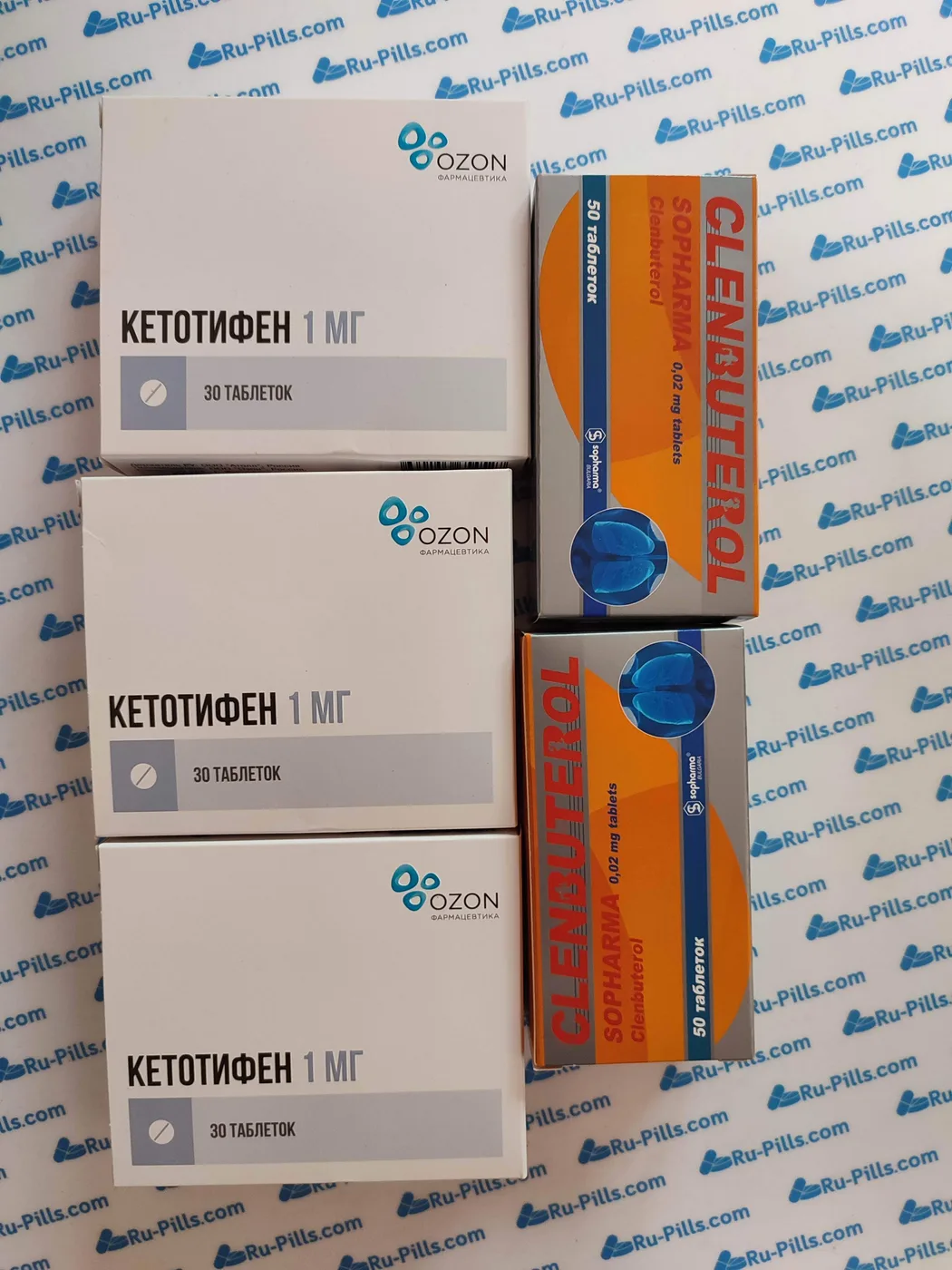 Real customer parcel
03
To 120+ countries. Most parcels arrive in 7–18 days.
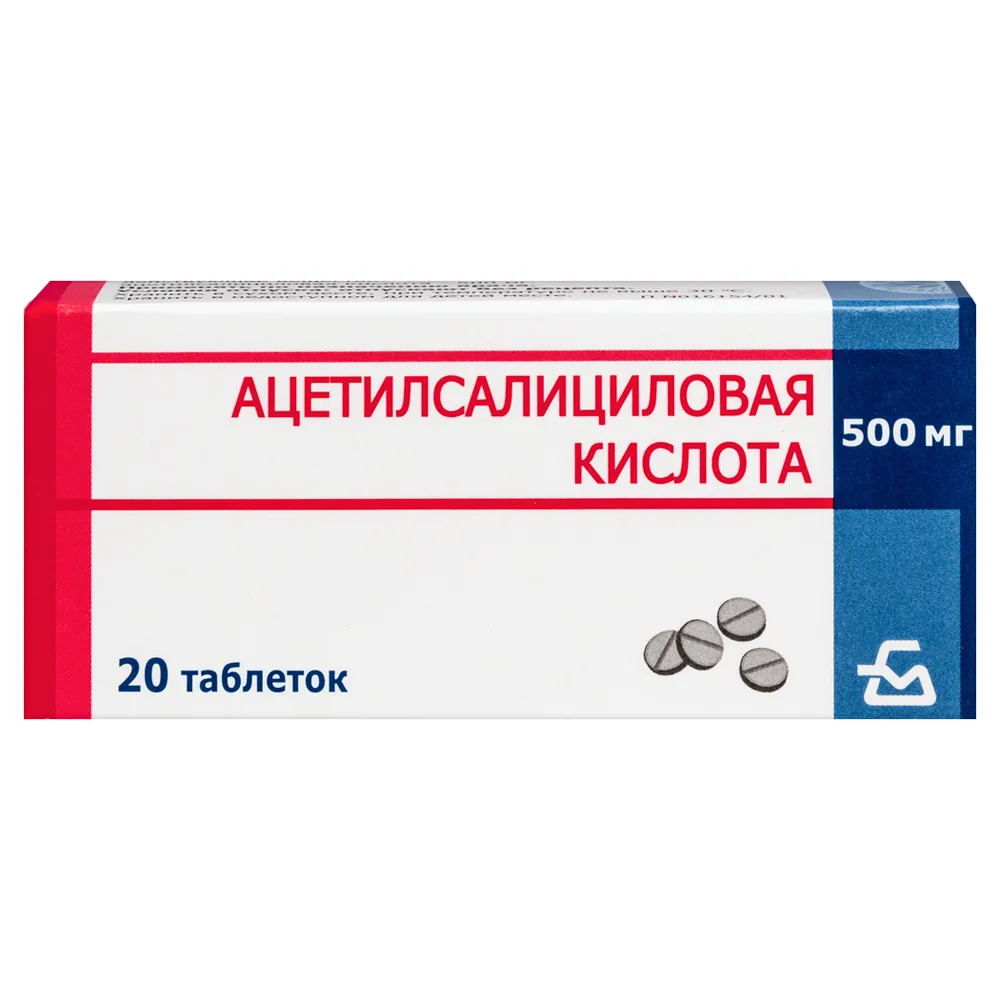

Nimesulide · ointment for external use
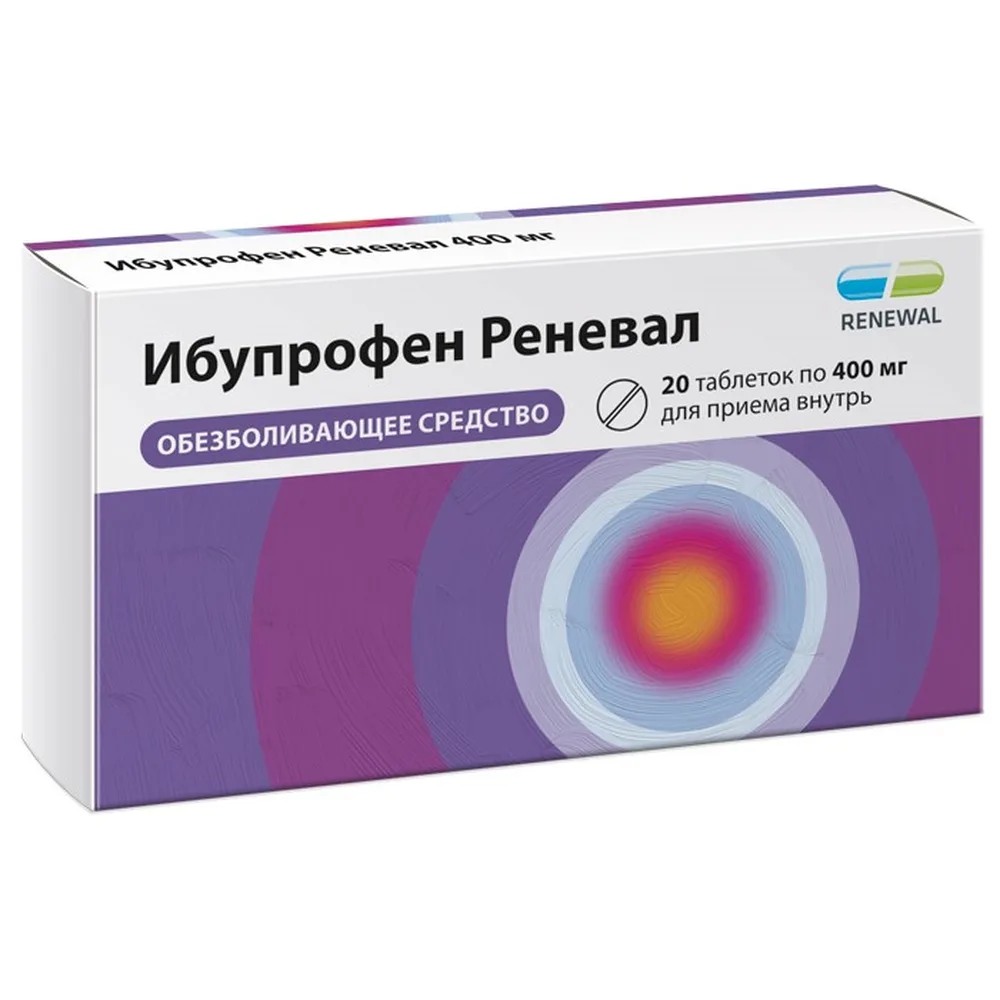

Ketoprofen · ointment for external use
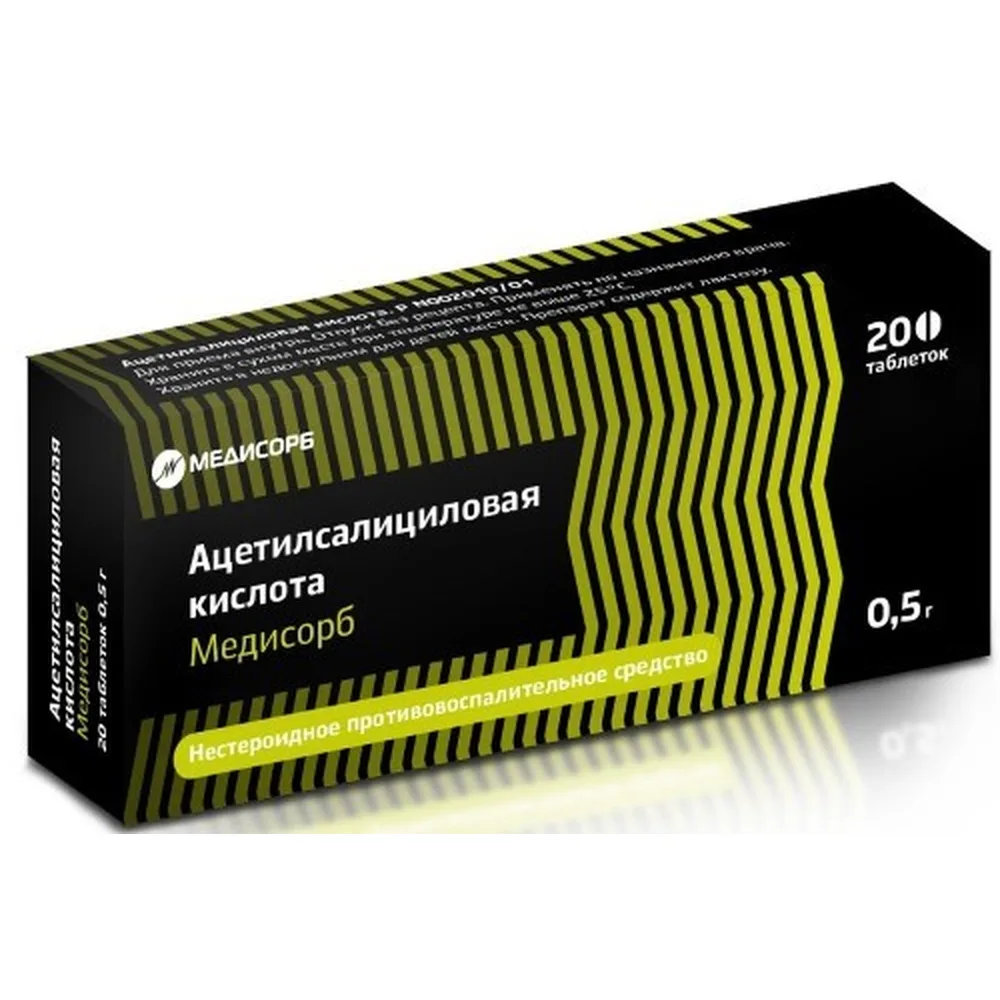
Acetylsalicylic acid · tablets